Support our educational content for free when you purchase through links on our site. Learn more
Latest Tea Trends for Mindful Sipping: 10 Fresh Ideas 🍵


The latest tea trends for mindful sipping are less about finding a miracle blend and more about making your cup an enjoyable pause: try traceable single-origin teas, slow-brew rituals, matcha, botanical infusions, cold brew, or a screen-free tea break. The best trend for you is the one that tastes good and fits your day.
At Tea Brands™, we’ve watched tasters turn an ordinary mug into a miniature flavor adventure simply by pausing to notice its aroma, warmth, and changing finish. One of our favorite surprises? The second infusion of an olong can taste noticeably different from the first—proof that a mindful moment doesn’t need fancy equipment, just a little curiosity.
Key Takeaways
- Mindful sipping is about attention, not perfection. A few unhuried sips are enough; wandering thoughts are part of being human.
- Explore 10 trends: traceable tea, gongfu-style brewing, matcha, botanical blends, caffeine-conscious choices, cold brew, sustainable sourcing, tea mocktails, sensory tasting, and digital-detox breaks.
- Choose tea for flavor and occasion. Green, black, white, and olong teas contain caffeine; many herbal infusions are naturally caffeine-free.
- Treat wellness claims thoughtfully. Enjoy tea as a drink, but don’t mistake marketing language for evidence that a blend treats a health condition.
- Keep the ritual practical. A familiar mug, a screen-free minute, and one attentive sip can be more satisfying than an elaborate setup.
Table of Contents
- ⚡️ Quick Tips and Facts
- 🍵 What Mindful Sipping Means for Tea Drinkers
- 🌿 How Tea and Mindfulness Came Together
- 🔎 Latest Tea Trends for Mindful Sipping
- 1. Single-Origin Tea and Traceable Sourcing
- 2. Slow-Brew Rituals and Gongfu-Style Tea
- 3. Matcha Ceremonies at Home
- 4. Functional Teas and Botanical Blends
- 5. Low-Caffeine and Caffeine-Free Sipping
- 6. Cold-Brew Tea and Mindful Hydration
- 7. Sustainable Tea Packaging and Ethical Choices
- 8. Tea Mocktails and Alcohol-Free Social Rituals
- 9. Mindful Tea Tasting and Sensory Exploration
- 10. Digital Detox Tea Breaks
- 🫖 Choosing Tea for a More Mindful Cup
- Tea Types, Flavor Notes, and Brewing Styles
- Loose-Leaf Tea, Tea Bags, and Matcha Compared
- How to Read Tea Labels and Find Trustworthy Brands
- ⏱️ A Simple Mindful Tea-Brewing Ritual
- Water Temperature, Steping Time, and Tea-to-Water Ratio
- How to Taste Tea With All Five Senses
- A Five-Minute Tea Meditation
- 🌱 Tea, Wellness, and What the Evidence Says
- Caffeine, L-Theanine, and Calm Focus
- Herbal Tea, Hydration, and Everyday Well-Being
- Health Claims, Safety, and Sensible Expectations
- ♻️ Sustainable and Ethical Tea Drinking
- Fair Trade, Organic Tea, and Supply-Chain Transparency
- Reducing Tea Waste and Reusing Tea Leaves
- 🏡 Making Mindful Tea Drinking Part of Daily Life
- Morning, Workday, and Evening Tea Rituals
- Mindful Tea Breaks at Home, Work, and on the Go
- Tea Rituals for Sharing and Connection
- 🧰 Tea Tools and Accessories for Mindful Brewing
- ✅ Common Mindful Tea Mistakes to Avoid
- 💡 Quick Tips for a Better Tea Ritual
- 🏁 Conclusion
- 🔗 Recommended Links
- ❓ FAQ
- 📚 Reference Links
⚡️ Quick Tips and Facts
- Mindful sipping isn’t a special tea or a complicated ceremony. It’s paying friendly attention to the cup you already have: its aroma, warmth, flavor, and the way you feel as you drink it.
- The most useful current trends aren’t just flashy ingredients. They include traceable tea, slow brewing, matcha rituals, botanical blends, cold brew, sustainable packaging, and alcohol-free tea drinks.
- Start with a tea you enjoy. For a broad introduction to styles, see our guide to the top 10 best kinds of tea.
- Caffeine varies by tea type, serving size, and preparation. Green, black, white, and olong teas are made from Camellia sinensis and naturally contain caffeine; many herbal infusions do not. Check the FDA’s caffeine guidance if you’re sensitive or tracking intake.
- A short tea pause can be more realistic than a perfect meditation session. Notice one breath, one aroma, and one sip. That counts.
- Mindful drinking is not a health claim: tea can be an enjoyable alcohol-free choice, but no tea “detoxes” the body or guarantees calm, focus, or sleep.
| Quick fact | What it means for your cup |
|---|---|
| Mindfulness is about attention, not performance | You don’t need special equipment, silence, or a “clear mind.” |
| Tea taste changes as it cools | Take a first sip while warm, then notice what shifts. |
| Tea is not automatically caffeine-free | Green and black tea contain caffeine; many herbal infusions are caffeine-free, but blends vary. |
| Wellness language deserves a raised eyebrow | Treat sweeping promises as marketing unless supported by reliable evidence. |
| Small rituals are easier to repeat | Choose a simple cue, like putting your phone down while the kettle heats. |
We’ve found that the best mindful cup often begins with a tiny question: What do I actually want from this break? Maybe it’s warmth, a bright flavor, a few quiet minutes, or simply a drink that isn’t alcohol. The trends below offer plenty of ways to find out.
🍵 What Mindful Sipping Means for Tea Drinkers
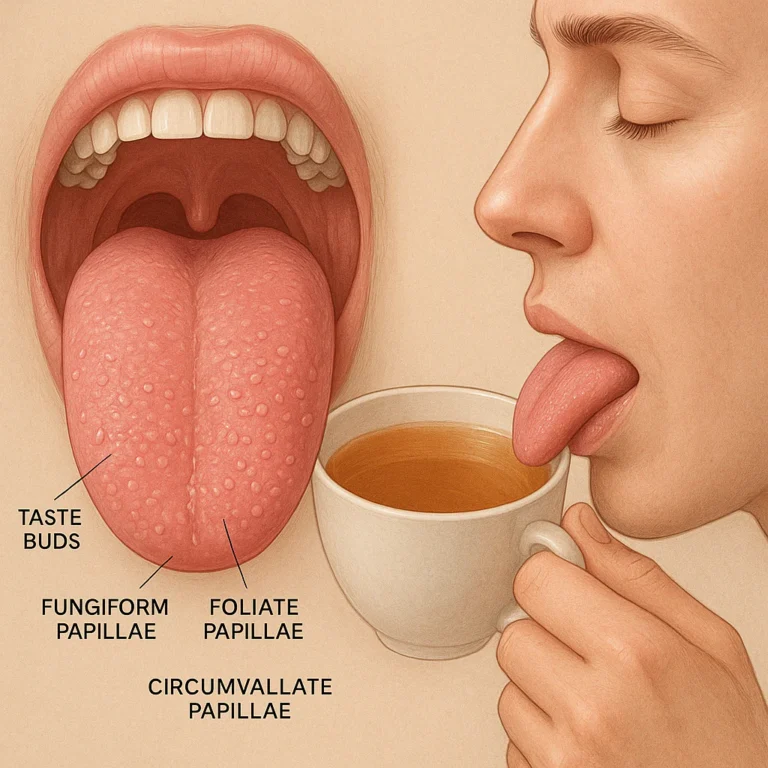
Mindful sipping means noticing the experience of drinking without judging it. You might pay attention to the sound of the kettle, the scent rising from the cup, its warmth in your hands, and the flavor as it changes.
It is not a rule that you must drink slowly, brew tea traditionally, or enjoy every sip. If your mind wanders to your inbox, congratulations: you have a human mind. Bring attention back to the cup when you notice it has wandered.
The meditation guide at Mindful describes everyday tea drinking as an accessible way to practice awareness. Its advice is usefully low-pressure: be open to your senses rather than trying to analyze every sensation. We agree. A tea break should feel like a pause, not an exam with a tiny porcelain proctor.
A sensory practice, not a performance
Try noticing:
- Sight: the color of the liquor and how it changes with brewing.
- Smell: floral, grassy, toasted, fruity, earthy, or sweet aromas.
- Touch: the cup’s warmth and its weight in your hands.
- Taste: sweetness, bitterness, astringency, body, and aftertaste.
- Sound: water heating, tea pouring, or leaves rustling.
You may find that one sensory detail stands out and the others barely register. That’s perfectly fine. The point is to meet the experience you have, not manufacture a more photogenic one.
Mindful sipping and mindful drinking
“Mindful drinking” often refers to reflecting on your relationship with alcohol: why you drink, how it affects you, and whether it supports your wellbeing. A tea or botanical drink can offer a satisfying alternative occasion, but it does not need to impersonate wine or beer to be worthwhile.
The Global Wellness Institute’s discussion of mindful drinking focuses on alcohol awareness and personal choice, not tea. That distinction matters: we can borrow the habit of noticing our choices without claiming the article recommends tea or that tea solves alcohol-related problems.
For further reading about tea and wellbeing, explore our health benefits of tea coverage. We keep the emphasis on evidence and sensible expectations, not miracle-cup theatrics.
🌿 How Tea and Mindfulness Came Together
Tea has a long history of social, ceremonial, and contemplative use across different cultures. But there isn’t one universal “mindful tea ceremony,” and traditions such as Japanese tea practice, Chinese gongfu brewing, and everyday family tea rituals shouldn’t be flattened into one generic wellness trend.
For modern drinkers, the connection is straightforward: making tea naturally creates a sequence of small actions. You heat water, prepare leaves, wait, pour, and drink. Each step gives attention something concrete to return to.
The ritual is in the attention
A routine becomes a ritual when we choose to notice it. That can mean brewing a prized gyokuro carefully, or making an ordinary mug of breakfast tea before work. Neither is automatically more mindful.
The Mindful tea practice suggests observing ordinary details, including the urge to rush or the habit of adding milk and sugar automatically. That’s a useful prompt, not a command to eliminate preferences. If you genuinely like milk in Assam, add milk. Mindfulness is noticing the choice—not proving you can drink tea “correctly.”
Many traditions, many ways to brew
| Approach | What it often emphasizes | A mindful-sipping invitation |
|---|---|---|
| Japanese matcha preparation | Whisked powdered green tea and deliberate preparation | Notice the texture, color, and aroma as you whisk |
| Chinese gongfu-style brewing | Small vessels, measured leaves, and repeated infusions | Compare how the same leaves shift across steps |
| British-style tea service | A familiar shared cup, often with milk | Notice comfort, habit, and the pleasure of sharing |
| Everyday herbal infusion | Botanicals steeped for flavor and aroma | Identify individual ingredients without assuming health effects |
| Cold-brew tea | Slow extraction in cool water | Notice the softer flavor and refreshing temperature |
Tea Brands™ tasters enjoy these methods for different reasons, but we don’t treat any one of them as the entry ticket. A mug, a favorite tea, and a few unhuried breaths are enough.
🔎 Latest Tea Trends for Mindful Sipping
The most interesting mindful-tea trends combine sensory pleasure, personal choice, and more thoughtful sourcing. Some are genuinely practical; others need a dash of skepticism when wellness language gets ahead of the evidence.
A broader beverage-industry discussion from Treat describes interest in memorable flavors, alcohol moderation, and wellbeing-oriented drinks. It is not a tea-market report, so we use it as context for beverage preferences—not as proof of tea-specific sales or trends.
1. Single-Origin Tea and Traceable Sourcing
Single-origin tea highlights leaves from a particular region, estate, or garden. For mindful drinkers, the appeal is partly flavor and partly context: you can pay attention to how growing conditions and processing shape the cup.
A Darjeling first flush may taste brisk and floral; a roasted Wuyi olong can bring mineral and toasted notes. Those descriptions are invitations, not guarantees—harvest, cultivar, processing, storage, and brewing all matter.
- Benefits: distinct flavor, a clearer origin story, and opportunities to compare harvests.
- Drawbacks: origin labels alone don’t prove fair labor or environmental care.
- What to check: named origin, harvest or lot details, processing information, and credible sourcing policies.
For brand background and product stories, browse our Tea Brand Spotlights and Tea Brand Guides. Treat transparency claims as a starting point for questions, not automatic proof of every ethical standard.
2. Slow-Brew Rituals and Gongfu-Style Tea
Gongfu-style brewing uses a relatively high leaf-to-water ratio, small vessels, and multiple short infusions. It makes the changing character of a tea easy to notice: a fragrant first pour may become rounder, sweeter, or more savory in later steps.
Why it suits mindful sipping: brewing becomes a series of small decisions rather than a single “set it and forget it” moment.
Why it may not suit everyone: it takes attention, equipment, and time. If you’re late for the bus, a reliable mug infuser is not a spiritual failure.
Try it with a tea suited to repeated infusions, such as olong or some puerh. Begin with the tea seller’s instructions, then adjust one variable at a time. For an accessible overview of tea styles and brewing choices, visit our Tea Brand Guides.
3. Matcha Ceremonies at Home
Matcha is powdered green tea whisked into water rather than steeped and removed. Its vivid color, creamy texture, and grassy or savory flavors make preparation especially sensory.
A modest home ritual can be simple:
- Sift matcha into a bowl to break up clumps.
- Add hot—but not boiling—water.
- Whisk briskly until evenly mixed and lightly foamy.
- Pause to notice the aroma and color before sipping.
- Adjust the water-to-powder ratio next time if the flavor feels too intense or thin.
Matcha contains caffeine, and the amount in a serving varies with the powder used. If caffeine is a concern, consult the FDA’s consumer guidance and choose your serving accordingly.
Good to know: “Ceremonial grade” is a seller’s category, not a regulated guarantee that one matcha will taste better to everyone. Buy from a reputable source, check freshness and storage advice, and trust your palate.
4. Functional Teas and Botanical Blends
Blends featuring ingredients such as chamomile, lavender, ginger, peppermint, or turmeric remain appealing because they deliver specific flavors and a clear drinking occasion. “Functional” can describe a product’s positioning, but it does not establish that a blend treats a health condition.
The Treat beverage-trend article notes the appeal of distinctive flavor and fragrance in low- and no-alcohol drinks. Its examples include botanicals, but it does not assess tea brands or prove that a particular botanical delivers a clinical benefit.
| Blend ingredient | Typical flavor impression | Mindful-sipping angle |
|---|---|---|
| Chamomile | Soft, apple-like, floral | Notice gentle aroma and a naturally caffeine-free cup |
| Lavender | Perfumed, herbal, floral | Start with a restrained blend; too much can taste soapy |
| Ginger | Warm, bright, spicy | Notice how heat and sweetness interact |
| Pepermint | Cooling, crisp, minty | A vivid aroma makes sensory attention easy |
| Rooibos | Woody, mellow, naturally sweet | A caffeine-free option for a fuller-bodied infusion |
For more blend ideas, explore our Herbal Tea and Specialty Blends categories. People who take medication, are pregnant, or have allergies should check ingredient safety with a qualified healthcare professional rather than relying on a tea label’s wellness promise.
5. Low-Caffeine and Caffeine-Free Sipping
Mindful tea habits increasingly include choosing a drink to suit the moment: a caffeinated tea for a morning cup, a naturally caffeine-free infusion later, or a lower-caffeine tea when that works better for the drinker.
Keep the categories straight:
- Naturally caffeinated: black, green, white, olong, and pu-erh teas made from Camellia sinensis.
- Naturally caffeine-free: many herbal infusions, including rooibos and chamomile.
- Decaffeinated tea: tea that has undergone caffeine removal; it may still contain a small amount.
The FDA explains that caffeine sensitivity and individual responses vary. Don’t assume a green tea is automatically low-caffeine or that “herbal” always means safe for everyone; blends can contain different ingredients and stimulants.
6. Cold-Brew Tea and Mindful Hydration
Cold-brew tea steps in cool or room-temperature water, typically for longer than hot tea. The result can be smooth and refreshing, with a different balance of aroma and bitterness from a hot infusion.
Simple method
- Add tea leaves or a tea bag to clean, cold drinking water.
- Cover and refrigerate while it steps.
- Taste periodically and remove the leaves when the flavor suits you.
- Serve plain or over ice; notice the aroma as the tea warms slightly in the glass.
Use clean equipment and refrigerate the brew. Follow package guidance, especially for ready-to-drink products. Cold brew is a refreshing drink, but it is not a special detox or a replacement for medical advice. For a mindful moment, notice the contrast between cool glass, aroma, and a first sip—simple, but rather lovely on a warm day.
7. Sustainable Tea Packaging and Ethical Choices
Sustainability is part of mindful consumption, but a recyclable-looking box is not enough to verify a product’s full impact. Packaging, agricultural practices, shipping, and labor conditions all matter.
When comparing brands, look for:
- Clear information about sourcing regions and suppliers.
- Specific explanations of certification claims.
- Packaging instructions that explain what can actually be recycled or composted locally.
- Refill options or loose-leaf formats, where practical.
- Realistic claims rather than broad “eco-friendly” language with no detail.
Certifications can help, but their scope differs. Read what a label certifies and which farms or ingredients it covers. Tea Brands™ recommends weighing packaging convenience against waste reduction without shaming anyone who needs tea bags for accessibility, time, or ease.
8. Tea Mocktails and Alcohol-Free Social Rituals
Tea brings tannin, aroma, and complexity to alcohol-free drinks without needing to pretend that a glass of iced tea is a martini. Brewed black tea can work in citrusy spritzes; hibiscus can add tartness and color; chilled green tea pairs well with cucumber or mint.
The Global Wellness Institute article frames mindful drinking as awareness of alcohol’s role in your life. It does not recommend tea mocktails specifically. We see them as one optional way to make a social occasion enjoyable for people choosing to drink less or not at all.
Our tasting-room tip: build flavor before adding sweetener. Try strong tea, citrus, fresh herbs, and sparkling water. You’ll get a drink with character instead of a sugar delivery system wearing a garnish.
9. Mindful Tea Tasting and Sensory Exploration
Tea tasting can be casual or methodical. A simple tasting note helps you remember what you enjoyed without turning your cup into a laboratory sample.
Use this mini scorecard:
| Feature | What to notice |
|---|---|
| Dry leaf | Shape, color, and aroma before brewing |
| Liquor | Color and clarity |
| Aroma | Floral, grassy, fruity, toasted, woody, or earthy notes |
| Texture | Light, silky, brisk, creamy, or drying |
| Flavor | Sweetness, bitterness, savoriness, and balance |
| Finish | What remains after swallowing |
| Second steep | What changes when you brew again |
A useful rule: describe before you judge. Instead of “bad,” try “more bitter than I enjoy” or “the aroma is floral, but the finish is dry.” That language makes your next choice easier.
10. Digital Detox Tea Breaks
A screen-free tea break is one of the easiest mindful-sipping trends to test because it needs no special purchase. Put your phone out of reach while the tea steps. Notice what happens: relief, impatience, the sudden discovery that the kettle has been making a sound all along?
We don’t recommend treating every tea break as a productivity technique. Sometimes a break is simply a break. If complete phone-free time feels unrealistic, begin with one screen-free minute or leave notifications off until the cup is finished.
What the trend reports do—and don’t—tell us
The sources cited here have different jobs:
- Mindful offers practical guidance for attention during tea drinking.
- The Global Wellness Institute discusses alcohol use and mindful drinking, not tea products.
- Treat describes beverage-industry innovation and consumer context, rather than a tea-specific clinical or sales study.
That’s why we separate tea-tasting ideas, industry commentary, and health evidence instead of blending them into one dramatic claim. Sensory trends are useful inspiration. They are not proof that a particular blend will change your health.
🫖 Choosing Tea for a More Mindful Cup
The best tea for a mindful ritual is usually the one you’ll happily brew again. Choose for flavor, caffeine preference, convenience, and ingredient transparency—not a promise that one cup will repair your sleep schedule, inbox, or personality.
If you’re comparing styles, our guide to popular kinds of tea is a helpful starting point.
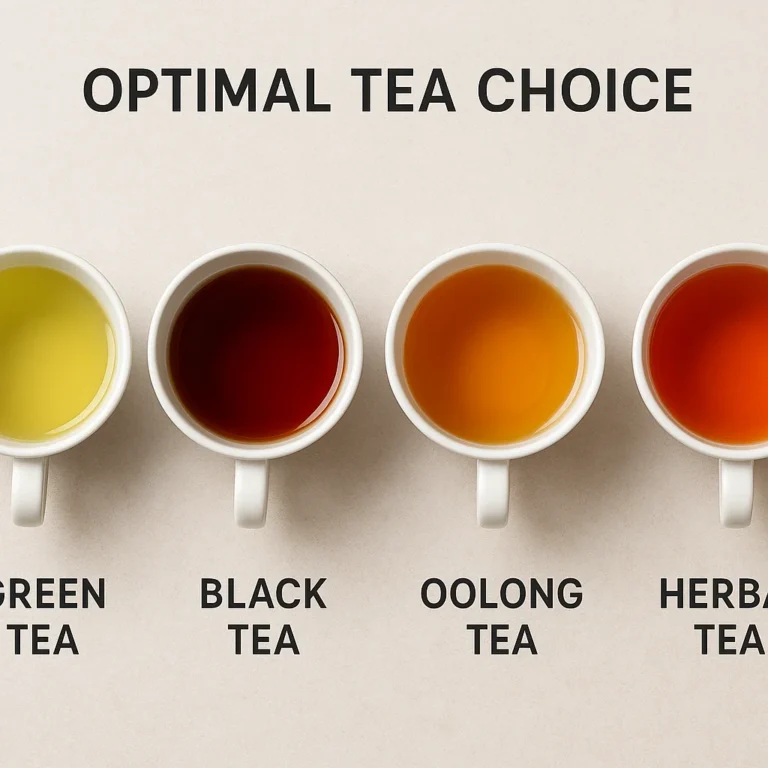
Tea Types, Flavor Notes, and Brewing Styles
| Tea or infusion | Usual flavor range | Caffeine | Mindful-sipping fit |
|---|---|---|---|
| Green tea | Grassy, vegetal, nuty, or marine | Yes | Good for noticing subtle aromas and changes with temperature |
| Black tea | Malty, brisk, fruity, or robust | Yes | Familiar, full-bodied, and flexible with or without milk |
| White tea | Delicate, floral, sweet, or hay-like | Yes | Rewards a gentle, unhuried tasting |
| Oolong | Floral, creamy, roasted, or mineral | Yes | Often suitable for multiple infusions |
| Pu-erh | Earthy, woody, mellow, or fermented | Yes | A distinctive choice for comparing successive brews |
| Rooibos | Woody, soft, and naturally sweet | No caffeine naturally | Fuller-bodied caffeine-free sipping |
| Chamomile | Floral, apple-like, and gentle | No caffeine naturally | A fragrant, caffeine-free infusion |
| Pepermint | Cool, crisp, and aromatic | No caffeine naturally | Strong aroma gives attention an easy anchor |
| Matcha | Grassy, savory, creamy, or sweet | Yes | Preparation and texture make the cup highly sensory |
“Usual” is the key word: cultivar, origin, processing, age, water, and steeping can change the result. A tea’s label gives you a starting point, not a flavor guarantee.
Loose-Leaf Tea, Tea Bags, and Matcha Compared
| Format | Advantages | Trade-offs | A good choice when… |
|---|---|---|---|
| Loose leaf | Flexible portioning; broad selection; easy to restep some teas | Needs an infuser and a little more cleanup | You like experimenting with leaf amount and brew strength |
| Tea bag | Convenient, quick, and easy to carry | Some bags offer less room for leaves to expand; blend details vary | You want a dependable, low-fuss cup |
| Matcha powder | Full-bodied texture; whisking becomes part of the ritual | Needs mixing and careful storage; contains caffeine | You enjoy a vivid, concentrated green-tea experience |
| Ready-to-drink tea | Convenient for travel | Ingredients, sweetness, and caffeine vary by product | You need portability and can check the label |
No format is inherently more mindful. A high-quality bag in a quiet moment beats a complicated brewing setup you resent.
How to Read Tea Labels and Find Trustworthy Brands
Before buying, scan the label for:
- Ingredients: particularly botanicals, added flavors, sweeteners, and allergens.
- Tea type and origin: useful details, though not a complete quality assessment.
- Brewing instructions: a helpful starting point for temperature and steeping time.
- Caffeine information: look for a clear statement, while remembering that amounts vary.
- Certifications and sourcing claims: check their scope and the certifier’s explanation.
- Storage advice: tea is best protected from air, light, heat, and strong odors.
For brand comparisons and company-specific details, use our Tea Brand Spotlights and Tea Brand Guides. If a label claims a blend treats anxiety, cures insomnia, or detoxifies the body, look for robust evidence and ask a healthcare professional when relevant.
⏱️ A Simple Mindful Tea-Brewing Ritual
This is a flexible sequence, not a checklist you have to complete perfectly. The Mindful tea practice recommends noticing ordinary sensory details and returning gently to the present whenever attention wanders.
Water Temperature, Steping Time, and Tea-to-Water Ratio
Start with the tea’s packaging directions. Brewing guidance differs by tea and leaf size, and recipes are not universal. If a tea tastes too bitter, try a shorter steep, cooler water, or fewer leaves. Change one variable at a time so you can tell what helped.
| Tea style | General starting point | Adjust if the cup tastes… |
|---|---|---|
| Green | Cooler-than-boiling water; a short steep | Bitter: lower the temperature or shorten the steep |
| Black | Hot water; moderate steep | Harsh: steep for less time or use slightly fewer leaves |
| Oolong | Hot water; brief to moderate steep | Flat: try more leaf or a longer infusion |
| White | Hot, but not always boiling, depending on the tea | Weak: add leaf or extend steeping gradually |
| Herbal infusion | Hot water; often a longer steep | Too intense: shorten the steep or dilute |
These are starting principles, not technical promises. Follow the supplier’s instructions when available, and treat your taste as the final judge.
How to Taste Tea With All Five Senses
- Pause before brewing. Notice whether you feel rushed, hungry, tired, or simply ready for a cup.
- Listen. Hear the kettle heating and the water pouring.
- Look. Watch the dry leaves, the water’s color, and the tea as it steps.
- Smell. Take a gentle breath over the cup. Name one aroma, even if it is only “warm” or “fresh.”
- Feel. Notice your feet on the floor, your hands around the cup, and the cup’s temperature.
- Sip. Take a small sip and notice the first impression, texture, and finish.
- Check in. Has the flavor changed as the tea cools? Do you want another sip, a different brew, or a pause?
We once brewed an excellent olong while mentally composing a grocery list. The cup didn’t mind. The moment we noticed the list, we returned to the roasted aroma and found the second infusion softer than the first. Mindfulness begins when you notice you’ve wandered—not when you never wander.
A Five-Minute Tea Meditation
- Minute 1: Sit comfortably and feel your feet or the chair supporting you.
- Minute 2: Breathe naturally. Notice the tea’s aroma without trying to label everything.
- Minute 3: Hold the cup and observe its weight and warmth.
- Minute 4: Take a slow sip. Notice flavor, texture, and swallowing.
- Minute 5: Look around, notice how you feel, and choose what to do next.
The first YouTube video’s perspective, linked here at #featured-video, similarly treats a familiar cup as a chance to notice breath, warmth, aroma, flavor, and changing temperature. Its closing wish—“May your little light always shine bright”—is sweet; the practical value is simpler: ordinary actions can become opportunities to pay attention. If the link does not lead to a video in your reading view, the same sequence works without one.
🌱 Tea, Wellness, and What the Evidence Says
Tea can be enjoyable and can fit into a balanced routine. That is not the same as claiming it treats a health condition. For medical questions, medication interactions, pregnancy, or persistent sleep and anxiety concerns, consult a qualified healthcare professional.
Caffeine, L-Theanine, and Calm Focus
Tea made from Camellia sinensis contains caffeine, while caffeine-free herbal infusions are made from other plants. The amount in a cup depends on tea type, serving size, and brewing. The FDA’s caffeine information is a useful resource for understanding caffeine and individual sensitivity.
You may see claims about L-theanine, an amino acid found in tea, and “calm focus.” That language is popular, but it should not be turned into a guarantee that a cup will reduce anxiety or produce a predictable mental state. Pay attention to your own response, especially if caffeine affects your sleep, heart rate, or sense of comfort.
Herbal Tea, Hydration, and Everyday Well-Being
Herbal infusions can provide variety and a pleasant way to enjoy a warm or cold drink. Their ingredients and safety profiles differ, so “natural” does not automatically mean suitable for everyone.
- Check blends for allergens and unfamiliar ingredients.
- Ask a healthcare professional about possible interactions with medication.
- Be especially cautious with concentrated supplements or products marketed for strong therapeutic effects.
- Don’t assume that a wellness blend has been tested for a medical outcome.
Browse our Herbal Tea and Health Benefits of Tea sections for more context. A flavorful infusion can be a welcome part of a routine without needing to carry the burden of being medicine.
Health Claims, Safety, and Sensible Expectations
A sensible evidence check asks:
- What exactly is being claimed? “Enjoyable after dinner” is different from “treats insomnia.”
- Is the claim about the whole blend or one ingredient? Those are not interchangeable.
- Is there reliable human research on the same preparation and dose?
- Does the source explain limitations and risks?
- Could the product interact with a health condition or medication?
Treat “detox,” “fat-burning,” and “cures stress” language as red flags unless strong, relevant evidence supports the specific claim. For consumer information on supplement-related claims, the U.S. National Center for Complementary and Integrative Health advises checking evidence, safety, and interactions.
♻️ Sustainable and Ethical Tea Drinking
Mindful consumption includes asking how a product is made, but it doesn’t require a perfect shopping record. A thoughtful choice is one you can sustain in real life.
Fair Trade, Organic Tea, and Supply-Chain Transparency
Certification labels can help consumers compare products, but each standard covers particular criteria and supply chains. Look up what the certification means instead of assuming every label addresses labor, farming, packaging, and climate impact equally.
For any brand, we look for concrete information:
- Which farms or regions supply the tea?
- What standards or audits apply?
- Can the company explain how its sourcing policies are checked?
- Does it make specific claims that can be verified?
Fair Trade USA explains its approach on its official website and USDA Organic standards are outlined by the USDA. Neither label should be treated as a shortcut for every possible ethical or environmental question.
Reducing Tea Waste and Reusing Tea Leaves
A few low-effort habits can reduce waste:
- Brew only as much tea as you’re likely to drink.
- Re-step leaves when the tea is suitable and still tastes good.
- Store tea in a clean, sealed container away from heat, light, moisture, and strong odors.
- Check local rules before composting leaves or packaging.
- Choose a format that fits your routine; convenience can reduce waste if it prevents unused tea from going stale.
Tea leaves can often go into compost, but tea bags may include materials that aren’t compostable. Check the specific product and local facility guidance rather than assuming every bag belongs in the compost bin.
🏡 Making Mindful Tea Drinking Part of Daily Life
A ritual sticks when it fits the day you actually have. Attach tea to a routine you already do, such as starting work, taking a break, or winding down. Keep the practice small enough that it survives busy weeks.
Morning, Workday, and Evening Tea Rituals
| Moment | A practical tea ritual | What to notice |
|---|---|---|
| Morning | Brew a familiar black or green tea | Aroma, first sip, and how caffeine feels to you |
| Work break | Step away from a screen with a simple tea bag | Your shoulders, breathing, and urge to rush |
| Afternoon | Choose tea or a caffeine-free infusion to suit your preference | Flavor and whether you actually want another caffeinated drink |
| Evening | Try a caffeine-free infusion if it suits you | Warmth, aroma, and whether the drink feels pleasant—not whether it guarantees sleep |
Caffeine sensitivity varies. If you’re adjusting caffeine to support sleep or comfort, monitor your own response and consult a clinician for persistent concerns. A cup cannot make every evening serene; it can, however, be a nice cup.
Mindful Tea Breaks at Home, Work, and on the Go
At home: Put your phone down for the first few sips.
At work: Use the kettle’s heating time as a natural pause.
On the go: Choose a travel cup that feels comfortable and doesn’t leak.
When time is tight: Take one breath before drinking. One attentive sip is still a sip.
A mindful break doesn’t require silence or a pristine kitchen. You can notice the cup while a child tells you a story, a colleague chats, or the washing machine performs its dramatic spin cycle.
Tea Rituals for Sharing and Connection
Tea can be a shared experience as well as a solo one. Offer someone a choice of tea, ask what flavors they enjoy, or taste two infusions together. Conversation itself can be part of mindful drinking: notice when you’re listening, talking, or reaching for a refill automatically.
The best shared ritual is inclusive. Ask about caffeine, allergies, sweeteners, and preferences rather than assuming everyone wants the same cup. And if a guest prefers a tea bag, let them enjoy the tea bag in peace. No one needs a lecture from the leaf police.
🧰 Tea Tools and Accessories for Mindful Brewing
Helpful tools can make tea easier, but a cupboard full of gadgets is not the goal.
| Tool | What it does | Useful if… | Trade-off |
|---|---|---|---|
| Mug infuser | Holds loose leaves while you brew | You want loose tea without extra teaware | Needs rinsing after use |
| Teapot | Brews and serves multiple cups | You share tea or like a larger batch | More washing and storage |
| Digital kettle | Offers temperature controls on some models | You brew delicate teas often | Added features may be unnecessary for casual drinkers |
| Matcha whisk | Helps blend matcha smoothly | You regularly prepare powdered tea | Requires cleaning and drying |
| Travel infuser bottle | Supports brewing away from home | You want a portable tea routine | Check lid seals and cleaning instructions |
| Airtight tea tin | Protects leaves from air and light | You buy loose leaf or store tea for longer | Keep it away from heat, moisture, and strong odors |
Choose for usefulness, ease of cleaning, and durability. If a spoon and a mug already work beautifully, congratulations: your tea setup is complete.
✅ Common Mindful Tea Mistakes to Avoid
- Treating mindfulness like a test: Wandering thoughts are normal. Notice them and return to the cup.
- Buying “wellness” claims before checking ingredients: Read labels and look for evidence.
- Assuming every tea is caffeine-free: Check whether the blend contains Camellia sinensis or other stimulating ingredients.
- Brewing every tea the same way: Adjust temperature, time, and leaf quantity gradually.
- Confusing expensive equipment with a meaningful ritual: A simple mug may be more usable.
- Thinking mindful sipping means rejecting sweeteners or milk: Notice what you want, then decide.
- Using tea as a substitute for professional care: Enjoy it as a drink, not as a treatment for a condition.
- Confusing industry trends with clinical findings: A beverage-market article can explain consumer interest, but it doesn’t prove health outcomes.
💡 Quick Tips for a Better Tea Ritual

- Choose a tea you like before chasing a trend.
- Let the tea guide the ritual: whisk matcha, compare olong infusions, or simply enjoy a familiar breakfast blend.
- Try the package’s brewing instructions, then adjust only one variable at a time.
- Put your phone away for one or two sips if screens make it hard to pause.
- Name one aroma and one flavor. That’s enough tasting practice for today.
- Choose caffeinated or caffeine-free tea according to your preferences and sensitivity.
- Check herbal ingredients if you have allergies, take medication, or have a health concern.
- Look for sourcing details and clear certifications, but verify what each claim covers.
- If you lose focus, don’t start over. Just notice the next sip.
- Remember: mindful sipping is about attention, not achievement.