Support our educational content for free when you purchase through links on our site. Learn more
Palate Explained: Anatomy, Taste & What to Watch For 🧠

The palate is the roof of your mouth, made up of a firm hard palate at the front and a flexible soft palate at the back. It helps you speak and swallow—and, in food and drink, “palate” also describes how you experience flavor.
That double meaning makes the word especially at home in a tea tasting. At Tea Brands™, we might describe a tea’s palate as brisk, silky, or gently roasted; anatomically, though, the palate is the structure that helps keep a sip headed down the right route. 🍵
Key Takeaways
- The palate has two main parts: the hard palate in front and the movable soft palate behind it.
- It supports speech and swallowing by helping separate the mouth from the nasal passage.
- A “refined palate” means attentive taste, not a special anatomical feature—and flavor involves aroma and texture as well as taste.
- Persistent sores, new lumps, or difficulty swallowing or speaking should be assessed by a dentist or doctor.
- A simple way to train your tasting palate: notice a tea’s aroma, body, flavor, and finish, then see how those impressions change as it cools slightly.
Table of Contents
- ⚡️ Quick Tips and Facts About the Palate
- 🧭 What Is the Palate? Anatomy and Meaning
- The Hard Palate: The Bony Roof of the Mouth
- The Soft Palate, Uvula, and Throat
- Palate vs. Palet vs. Palette
- 📜 Palate Anatomy: Development and Evolution
- How the Palate Forms Before Birth
- Why Humans Have a Roof of the Mouth
- 🧠 What Does the Palate Do?
- Speech, Swallowing, and Breathing
- Taste, Texture, and the “Palate” as Flavor Preference
- 🔍 Palate Anatomy: Parts, Tissue, and Sensation
- Palatal Rugae, Midline, and Incisive Papilla
- Muscles, Nerves, and Blood Supply
- 🩺 Common Palate Problems and Conditions
- Cleft Palate and Submucous Cleft Palate
- High-Arched Palate and Narrow Palate
- Sore Roof of the Mouth, Burns, and Ulcers
- Palate Bumps, Swelling, and Discoloration
- Dry Mouth, Oral Thrush, and Other Infections
- Snoring, Sleep Apnea, and Soft-Palate Issues
- 🚩 When to See a Dentist or Doctor
- Symptoms That Need Prompt Attention
- How Palate Problems Are Diagnosed
- 🛠️ Palate Treatments and Care
- Cleft Palate Repair and Follow-Up Care
- Managing Mouth Sores and Minor Burns at Home
- Dental Appliances, Speech Therapy, and Other Treatments
- 🪥 How to Keep Your Palate Healthy
- 🍵 The Palate in Food and Drink: Taste, Flavor, and Tasting Skills
- Taste Buds, Aroma, and Mouthfeel
- How to Train Your Palate for Tea and Food
- Common Myths About Taste and the Palate
- ✅ Conclusion
- 🔗 Recommended Links
- ❓ FAQ
- Is the palate the same as the roof of the mouth?
- What is the difference between the hard palate and soft palate?
- Can you feel or see your palate?
- Why does the roof of my mouth hurt or itch?
- What causes a bump on the palate?
- Does the palate affect speech or swallowing?
- What does “refined palate” mean?
- 📚 Reference Links
Quick Tips and Facts About the Palate
- Anatomically, the palate is the roof of your mouth. It separates the oral cavity from the nasal cavity; its front is hard and bony, while its back is soft and muscular. TeachMeAnatomy explains the two regions and their functions.
- The soft palate moves. When you swallow, it lifts to help keep food and liquid from going up into your nose. Cleveland Clinic’s overview of the soft palate describes this role.
- “Palate” also means taste or flavor preference. Someone with a “discerning palate” is thought to notice subtle differences in food and drink. For tea-tasting inspiration, see our guide to what is the world’s best-tasting tea?.
- A palate problem can affect more than your mouth. Some conditions influence feeding, speech, swallowing, or sleep. Persistent pain, a growing lump, or trouble swallowing deserves professional assessment.
- Tea-taster’s note: When we say a tea has a “smooth palate,” we’re describing its flavor and mouthfeel—not the anatomy of the roof of the mouth. The same word does two jobs, which is a handy reminder that English likes to keep its tea leaves steeping in ambiguity. 🍵
| Quick fact | What it means |
|---|---|
| Hard palate | The firm, bony front portion of the mouth’s roof |
| Soft palate | The flexible back portion, ending in the uvula |
| Main jobs | Helps separate mouth and nose, supports swallowing, and contributes to speech |
| Taste-related meaning | A person’s taste or a food or drink’s flavor character |
| When to seek care | Persistent or worsening symptoms, unexplained lesions, or difficulty speaking or swallowing |
🧭 What Is the Palate? Anatomy and Meaning
The palate is the roof of the mouth and the floor of the nasal cavity. It forms a boundary between the two spaces, while also helping the mouth perform its everyday tasks: eating, swallowing, speaking, and breathing. TeachMeAnatomy’s palate guide provides a useful anatomical overview.
The word has a second, familiar meaning in food and drink: your palate can mean your sense of taste or the flavor qualities you notice. That’s why a tea can have a bright, grassy palate while a person can develop a more discerning palate over time. We’ll return to this tasting meaning after we’ve covered the anatomy.
The Hard Palate: The Bony Roof of the Mouth
The hard palate is the front, immobile section. It is formed by parts of the upper jaw bones and the palatine bones, and is covered by oral tissue. Its firm surface gives the tongue something to press against when chewing and speaking.
Look in the mirror and you may notice ridges behind your upper front teeth. These are called palatal rugae. They’re normal folds in the tissue, not a row of mysterious bumps demanding a dramatic soundtrack. Merck Manual’s overview of mouth and throat anatomy offers broader context on oral structures.
The Soft Palate, Uvula, and Throat
Behind the hard palate is the soft palate, a flexible muscular region that ends in the small, hanging uvula. It rises during swallowing and helps close the passage between the mouth and the upper throat. In the words of TeachMeAnatomy, elevation of the soft palate “prevents the food bolus from entering the nasopharynx.”
The soft palate also helps shape speech sounds and coordinates with nearby throat structures. A problem affecting its movement can therefore show up as nasal-sounding speech, swallowing difficulty, or food and liquid coming through the nose. These symptoms have different possible causes, so they’re clues to discuss with a clinician—not a diagnosis by themselves.
Palate vs. Palet vs. Palette
These three words sound alike, but they’re not interchangeable:
| Word | Meaning | Example |
|---|---|---|
| Palate | Roof of the mouth; also taste or flavor preference | “The tea has a delicate floral palate.” |
| Palette | A board for mixing colors; by extension, a range of colors or flavors | “The menu offers a palette of roasted, fruity notes.” |
| Pallet | A platform for storing or moving goods; also a bed in older usage | “The tea cartons arrived on a pallet.” |
The anatomical and taste-related meanings of palate share a word history rooted in Latin palatum. For a dictionary definition and examples, consult Merriam-Webster’s entry for palate.
📜 Palate Anatomy: Development and Evolution
The palate is more than a handy partition. It’s a structure that forms during development and helps mammals coordinate breathing, feeding, and sound production. Its anatomy also offers a glimpse into how the vertebrate skull changed over evolutionary time.
How the Palate Forms Before Birth
During fetal development, tissues in the roof of the mouth grow and join. If the palatal shelves do not fully fuse, a cleft palate can result. A cleft may occur on its own or alongside cleft lip, and the shape and extent vary from person to person. CDC information on cleft lip and cleft palate summarizes these conditions and their potential effects.
A cleft palate is not caused by one simple factor in every case. Genetics, certain health conditions, and environmental influences may contribute, and often no single cause can be identified. A specialist team can assess feeding, hearing, speech, dental development, and treatment needs.
Why Humans Have a Roof of the Mouth
A complete palate lets mammals move air through the nose while food is in the mouth, and helps separate the routes used for breathing and eating. In evolutionary terms, the secondary palate became a defining feature of mammals and their ancestors. The Smithsonian’s overview of mammal characteristics provides background on mammalian evolution.
The exact details of palate evolution are more complicated than a tidy “one species invented it” story. Fossil evidence shows changes across groups over long periods, while living animals differ in how completely their oral and nasal cavities are separated. That evolutionary history is fascinating, but for everyday life the practical takeaway is simpler: the palate’s shape and movement help us eat, breathe, and speak.
🧠 What Does the Palate Do?
Your palate works quietly in the background, like a stagehand who deserves more credit. It helps separate the oral and nasal cavities, supports swallowing, and provides a surface and moving structures involved in speech. It also gives the tongue a place to meet during chewing and sound-making.
Speech, Swallowing, and Breathing
When you swallow, the soft palate lifts to help close the route toward the nose. During speech, the palate and surrounding muscles help direct airflow and shape sounds. The precise role depends on the sound being made and on the coordination of the tongue, lips, jaw, and throat.
Speech-language pathologists may assess palate movement when someone has persistent nasal-sounding speech or difficulty producing certain sounds. Cleft palate and other structural or neuromuscular conditions can affect this coordination. ASHA’s information on cleft lip and palate explains how speech and feeding support can fit into care.
Taste, Texture, and the “Palate” as Flavor Preference
Taste is not just what happens on the roof of your mouth. Taste buds are mainly on the tongue, while aroma, texture, temperature, and other sensations contribute to the overall experience of flavor. NIDCD’s explanation of taste and smell describes how these senses work together.
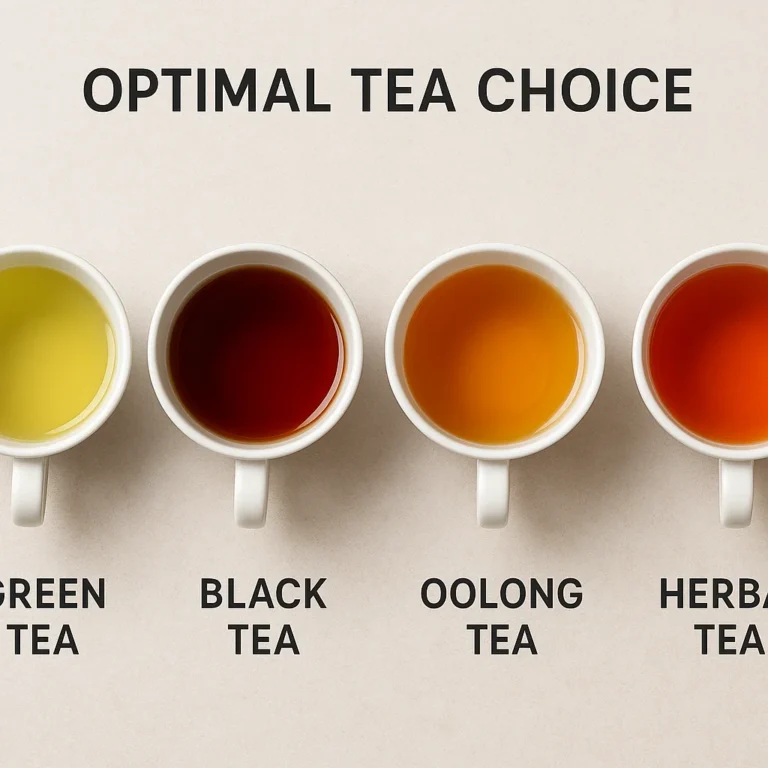
At Tea Brands™, we use palate in its tasting sense when we describe the character of a tea. A brisk black tea may feel drying and lively; a roasted olong may seem round and warm; a delicate green tea may show grassy or floral notes. Those impressions come from the drink’s compounds and our sensory perception—not from a single “taste spot” on the roof of the mouth.
Want to practice noticing those differences? Our tea brand guides and tea brand spotlights can help you explore styles and tasting language. 🍃
🔍 Palate Anatomy: Parts, Tissue, and Sensation
A quick look at the palate reveals more than “hard bit, soft bit.” Its surface, underlying muscles, nerves, and blood supply all contribute to sensation and movement. The details matter clinically, though most people do not need to memorize every small nerve opening before enjoying lunch.
Palatal Rugae, Midline, and Incisive Papilla
The palatal rugae are ridges on the front part of the hard palate. Near the upper front teeth, you may see a small raised area called the incisive papilla. The palate also has a midline seam, known as the median palatine raphe.
These structures vary naturally in appearance. A familiar ridge or small, stable bump is not automatically a concern. But a new, enlarging, painful, bleeding, or non-healing change should be checked by a dentist or doctor rather than classified through late-night mirror detective work.
Muscles, Nerves, and Blood Supply
The hard palate is mainly a firm bony platform covered by tissue. The soft palate contains muscles that help lift, tense, or coordinate it during swallowing and speech. Sensation across much of the palate is carried by branches of the maxillary division of the trigeminal nerve (CN V); the soft-palate muscles receive motor control through different nerve pathways. TeachMeAnatomy’s detailed breakdown covers the named nerves, muscles, and blood vessels.
Here’s a practical map:
| Structure | General location | Main role |
|---|---|---|
| Hard palate | Front roof of the mouth | Firm surface for tongue contact; separates oral and nasal spaces |
| Soft palate | Back roof of the mouth | Moves to help close the nasal passage during swallowing |
| Uvula | Hangs from the soft palate | Part of the soft-palate region involved in speech and swallowing |
| Palatal rugae | Front hard palate | Normal ridges in the oral tissue |
| Palatine nerves | Branches supplying palate sensation | Carry sensory information from palatal tissues |
For a concise visual learning aid, the featured anatomy video covers the hard and soft palate, blood and nerve supply, and soft-palate muscles. It’s a useful companion to written anatomy, especially if names like “levator veli palatini” make your eyes reach for a cup of tea.
🩺 Common Palate Problems and Conditions
Palate symptoms range from a mild burn after an overenthusiastic bite of hot pizza to conditions needing specialist care. Symptoms alone rarely identify the cause, so use the descriptions below for orientation, not self-diagnosis.
Cleft Palate and Submucous Cleft Palate
A cleft palate is an opening in the roof of the mouth caused by incomplete fusion during development. It can affect feeding, speech, hearing, and dental development, depending on its form. Treatment may involve a multidisciplinary team that can include surgeons, speech-language pathologists, dentists, audiologists, and other specialists. The CDC’s cleft information and ASHA’s guidance explain common concerns and care.
A submucous cleft palate can be harder to spot because the tissue covering the palate may look intact, even when underlying muscle or bone development differs. A clinician may investigate when symptoms such as persistent hypernasal speech, feeding concerns, or nasal regurgitation suggest an issue.
High-Arched Palate and Narrow Palate
A high-arched palate describes a roof of the mouth that is more vaulted than usual. It may occur as a harmless variation, but in some people it appears alongside dental crowding, certain developmental conditions, or breathing and feeding concerns. The significance depends on the person’s overall symptoms and examination.
Dentists and orthodontists can assess how the palate relates to the teeth and bite. Avoid assuming that a particular palate shape automatically requires treatment; decisions depend on function, development, and individual needs.
Sore Roof of the Mouth, Burns, and Ulcers
A sore palate may follow a minor burn, irritation from crunchy food, a canker sore, or an infection. A hot drink can burn the roof of the mouth too, which is why we let freshly brewed tea cool briefly before tasting. Your tongue is a better tasting tool when it isn’t filing a complaint. ☕
For a minor irritation, you can try:
- Avoiding the trigger for a few days, such as very hot, spicy, acidic, or sharp-edged foods.
- Choosing soft, cool foods and drinks if they feel more comfortable.
- Keeping up gentle oral hygiene without scrubbing the sore area.
- Seeking dental or medical advice if it worsens, keeps returning, or does not heal.
The NHS guide to mouth ulcers offers practical guidance on when ulcers need assessment.
Palate Bumps, Swelling, and Discoloration
The palate naturally has ridges and anatomical landmarks, but a new lump, swelling, persistent red or white patch, unexplained bleeding, or lesion that fails to heal deserves professional attention. Causes can range from irritation and infection to cysts or other conditions that require examination.
Do not try to pop or cut a lump at home. A dentist or clinician can inspect it and decide whether monitoring, treatment, or further testing is appropriate. The key is not to panic at every bump—or ignore one that is changing.
Dry Mouth, Oral Thrush, and Other Infections
Dry mouth can make the palate feel sticky, sore, or uncomfortable. Oral thrush, a yeast infection, may cause white patches and soreness, but other conditions can look similar. NHS guidance on oral thrush explains common symptoms and treatment.
If symptoms recur, persist, or follow a new medication or health change, ask a healthcare professional for advice. Treatment depends on the cause; leftover medication or home remedies may delay the right care.
Snoring, Sleep Apnea, and Soft-Palate Issues
Soft-palate tissue is one of several structures involved in the upper airway. Snoring can have many causes, and snoring alone does not confirm sleep apnea. Loud snoring accompanied by pauses in breathing, gasping, or marked daytime sleepiness warrants medical discussion. NHLBI’s sleep apnea overview explains symptoms and evaluation.
Treatment depends on the underlying problem. A clinician may assess sleep, airway anatomy, and other health factors before recommending an approach. Be wary of one-size-fits-all gadgets or promises that claim to fix every kind of snoring.
🚩 When to See a Dentist or Doctor
A quick sting after a hot bite often settles. A symptom that persists, grows, interferes with eating, or comes with other concerning signs deserves more than a “let’s see what happens” shrug.
Symptoms That Need Prompt Attention
Arrange a professional assessment if you notice:
- A sore or ulcer that does not heal within about three weeks
- A lump, swelling, or patch that is new, persistent, or changing
- Recurrent bleeding or unexplained pain
- Ongoing trouble swallowing, chewing, or speaking
- Food or liquid repeatedly coming through the nose
- Possible sleep-apnea signs, such as witnessed breathing pauses or gasping
The NHS mouth cancer guidance recommends getting persistent mouth changes checked. Seek urgent care for severe swelling that affects breathing or swallowing.
How Palate Problems Are Diagnosed
A dentist or doctor will usually ask when the symptom began, whether it is changing, and whether you have pain, fever, swallowing problems, or other concerns. They may examine the mouth and throat, review your medical history, and refer you to a specialist if needed.
Depending on the concern, assessment could involve dental imaging, speech and feeding evaluation, or further tests. The right next step depends on what the exam shows; an online description cannot replace seeing the tissue directly.
🛠️ Palate Treatments and Care
Treatment depends on the cause. A minor burn may need time and gentle care, while a cleft palate or persistent swallowing issue may need coordinated specialist support. There is no universal “palate treatment” because the palate is a structure, not a single disease.
Cleft Palate Repair and Follow-Up Care
Cleft-palate care is individualized. Surgery may be part of treatment, but follow-up can also involve speech, hearing, dental development, feeding, and emotional well-being. The care plan and timing depend on the cleft and the child’s needs. CDC’s cleft lip and palate resource provides an overview of potential effects and care considerations.
Families should work with a cleft or craniofacial team when available. That team can explain the options and help coordinate care across specialties.
Managing Mouth Sores and Minor Burns at Home
For mild irritation, comfort measures may help while the tissue heals:
- Let hot food and drinks cool before tasting.
- Temporarily avoid sharp, spicy, acidic, or very hot foods if they worsen discomfort.
- Choose gentle brushing and avoid picking at sores.
- Follow a clinician’s advice about pain relief or mouth rinses.
If pain is severe, symptoms worsen, or a sore persists, ask a dentist or doctor rather than extending home treatment indefinitely. The NHS mouth-ulcer guidance includes signs that merit medical advice.
Dental Appliances, Speech Therapy, and Other Treatments
Depending on the cause, care may include dental orthodontic treatment, speech-language therapy, medication, or specialist procedures. Speech therapy can help with communication skills, but structural problems may require a broader assessment. For cleft-related speech support, see ASHA’s patient guidance.
A helpful care plan answers three questions: What is causing the symptom? What function is affected? What follow-up will show whether treatment is working?
🪥 How to Keep Your Palate Healthy
You cannot control every palate condition, but basic oral care helps protect the mouth and makes changes easier to notice.
- Brush twice daily with fluoride toothpaste and clean between your teeth.
- Drink water regularly, especially if your mouth feels dry.
- Avoid smoking and limit alcohol; both can harm oral health.
- Let hot drinks cool enough to sip comfortably.
- Check for persistent changes without repeatedly poking or scraping them.
- Keep routine dental appointments and mention symptoms that are new or recurring.
For general oral-health advice, see the American Dental Association’s MouthHealthy resources. And for tea drinkers: savoring a cup means paying attention to temperature as well as flavor. A cup that’s too hot can hurt; a slightly cooler sip often reveals more detail anyway. 🍵
🍵 The Palate in Food and Drink: Taste, Flavor, and Tasting Skills
Now for the other meaning of palate: the sensory experience of food and drink. In tea tasting, we notice more than “bitter” or “sweet.” Aroma, body, texture, temperature, and aftertaste all help build a cup’s character. Our specialty blends and herbal tea guides are good places to explore flavors beyond classic black and green tea.
Taste Buds, Aroma, and Mouthfeel
The familiar basic taste categories include sweet, sour, salty, bitter, and umami. Flavor, however, also depends heavily on smell and other sensory cues. NIDCD’s taste and smell resource explains why a blocked nose can make food seem less flavorful.
For tea, we often separate impressions into a few useful dimensions:
| Tasting dimension | What to notice | Tea example |
|---|---|---|
| Aroma | The smell before and during sipping | Floral, grassy, toasted, fruity |
| Body | How light or weighty the liquor feels | Delicate versus full-bodied |
| Texture | Drying, silky, creamy, brisk, or smooth sensations | Astringency in a strong black tea |
| Flavor | The combined impression of taste and aroma | Honeyed, vegetal, malty, smoky |
| Finish | What lingers after swallowing | Sweet, dry, fresh, roasted, or brisk |
These are tasting descriptors, not strict scientific categories. Two people can describe the same cup differently and both be attentive tasters.
How to Train Your Palate for Tea and Food
A simple tasting routine can sharpen attention without turning your kitchen into a laboratory:
- Choose one tea and brew it consistently. Note the leaf type, water, temperature, and steep time.
- Smell the dry leaves. Write down the first impression before you look at the package notes.
- Notice the aroma after brewing. Is it fresh, roasted, floral, earthy, fruity, or something else?
- Take a small sip. Let it move across your mouth and notice body, texture, and flavor.
- Check the finish. What remains a few seconds later? Did the tea become sweeter, drier, or more bitter?
- Taste it again as it cools slightly. Temperature changes can make different features easier to notice.
- Record your own words first. Compare them with the label afterward, not before.
Anecdotally, we’ve found that “I like it” is a perfectly good starting note. Then ask why: Is it gentle? Toasty? A little like stone fruit? That follow-up is where a personal palate starts to become more specific. For tea styles and tasting ideas, browse our health benefits of tea category alongside our brand guides—but remember that a tasting note is not a health claim.
Common Myths About Taste and the Palate
Myth: Different parts of the tongue each taste only one flavor.
That familiar tongue-map idea is misleading. Taste sensitivity can vary across the tongue, but the simple map that assigns each basic taste to one exclusive zone is not an accurate guide. See NIDCD’s explanation of taste.
Myth: A refined palate means everyone should taste the same notes.
No. Tasting vocabulary helps us describe experience; it does not create a single correct reaction. One taster may call a tea malty, another may find it woody. Both can be reporting honestly.
Myth: The palate is only about taste.
Anatomically, it is the roof of the mouth. In tasting, “palate” can refer to perception and flavor character. Context tells you which meaning is steeping in the sentence.
Myth: You need expensive tea to learn tasting.
A clear, repeatable comparison is more useful than a fancy label. Try two teas side by side, brew them similarly, and describe what changes. The most revealing cup is often the one you actually pay attention to.