Support our educational content for free when you purchase through links on our site. Learn more
15 Gourmet Caffeine-Free Herbal Blends to Savor 🌿

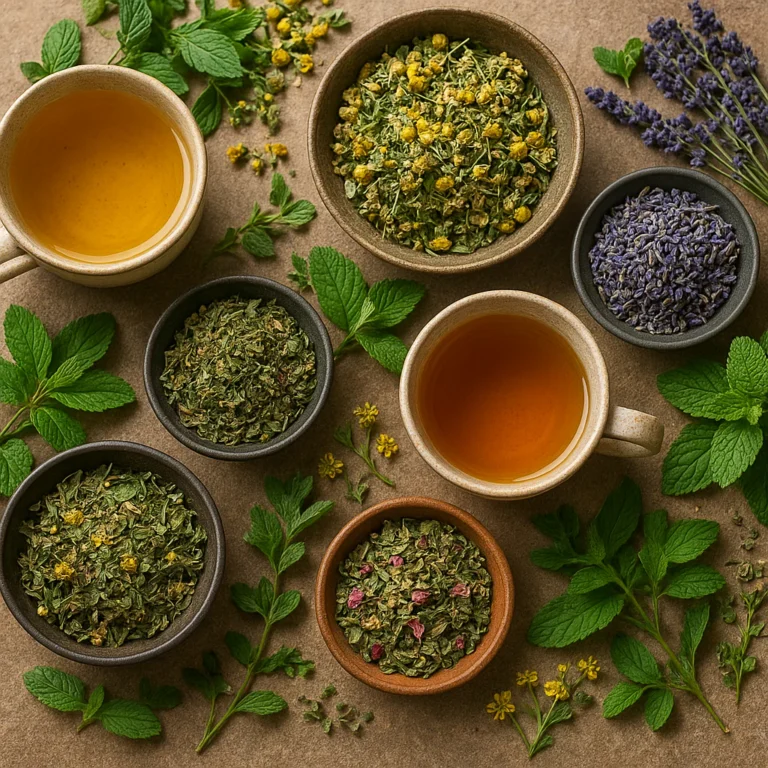
Gourmet caffeine-free herbal blends for discerning palates are all about clear aromas, balanced botanicals, and flavors that linger for the right reasons. Start with rooibos and vanilla for a rounded, dessert-like cup; choose chamomile and lavender for a delicate floral sip, or hibiscus and rosehip when you want bright, berry-like tartness.
At Tea Brands™, we’ve learned that the most impressive blend isn’t necessarily the one with the longest ingredient list. One memorable tasting began with a vivid blue butterfly pea infusion: beautiful in the glass, softly earthy in the cup, and transformed to purple with a squeeze of citrus. A dramatic color can catch your eye; thoughtful balance is what wins your palate.
Key Takeaways
- Check the ingredients: Herbal infusions are usually caffeine-free, but blends containing black, green, white, or olong tea are not.
- Match the blend to your taste: Try chamomile and lavender for floral notes, rooibos and vanilla for a smooth sweetness, or hibiscus and rosehip for tart fruitiness.
- Brew with care: Start with the brand’s directions; many herbal blends steep well for 5–10 minutes, with roots and spices often needing more time than delicate flowers.
- Choose quality over fancy packaging: Look for clearly named botanicals, fresh aroma, transparent sourcing, and useful brewing guidance.
- 👉 Shop trusted tea brands: Explore Rishi herbal teas, Harney & Sons herbal teas, Traditional Medicinals, and Numi herbal teas.
Table of Contents
- ⚡️ Quick Tips and Facts
- 🌿 What Makes a Herbal Blend Gourmet?
- Caffeine-free, herbal, and “tea”: What’s the difference?
- How discerning palates evaluate aroma, flavor, and finish
- 📜 A Brief History of Fine Herbal Infusions
- From traditional botanicals to modern tea ateliers
- 🍵 15 Gourmet Caffeine-Free Herbal Blends to Try
- 1. Chamomile and lavender: Floral, mellow, and soothing
- 2. Pepermint and spearmint: Bright, cooling, and clean
- 3. Rooibos and vanilla: Naturally sweet and rounded
- 4. Honeybush and citrus: Soft, fragrant, and sunny
- 5. Hibiscus and rosehip: Tart, vivid, and berry-like
- 6. Ginger, turmeric, and black pepper: Warming and robust
- 7. Lemon verbena and lemongrass: Zesty and elegant
- 8. Fennel, anise, and licorice root: Sweetly aromatic
- 9. Tulsi and rose: Herbal, peppery, and floral
- 10. Cacao shell and roasted chicory: Deep and dessert-like
- 11. Apple, cinnamon, and clove: A fragrant orchard cup
- 12. Elderflower and berry: Delicate with a fruity finish
- 13. Butterfly pea flower and citrus: Colorful and softly earthy
- 14. Mugwort and mint: Bitter-green and pleasantly complex
- 15. Roasted dandelion and burdock: Toasty, earthy, and bold
- 🏷️ Notable Brands for Loose-Leaf Herbal Tea
- What to look for ingredient lists and sourcing
- Loose leaf versus tea bags: Which tastes better?
- 👃 A Simple Guide to Tasting Herbal Tea Like a Conoisseur
- Assess the dry botanicals before brewing
- Notice aroma, body, balance, and aftertaste
- Build your own herbal tea tasting flight
- 🫖 How to Brew Gourmet Herbal Blends
- Water temperature, steeping time, and tea-to-water ratio
- Best teapots, infusers, and brewing accessories
- Cold-brew herbal tea and iced infusions
- How to avoid weak, bitter, or muddy flavors
- 🍯 Pairings, Sweeteners, and Serving Ideas
- Food pairings for floral, fruity, spicy, and roasted blends
- Honey, citrus, milk, and other additions
- Herbal tea lattes, mocktails, and dessert infusions
- 🌙 Choosing a Blend for Your Mood and Moment
- After-dinner sips and evening rituals
- Refreshing daytime cups without caffeine
- Seasonal herbal tea favorites
- 🔎 How to Buy High-Quality Caffeine-Free Herbal Tea
- Whole ingredients, freshness, and transparent sourcing
- Organic certification and ethical harvesting
- How to store loose-leaf herbs and preserve their aroma
- ⚠️ Safety, Allergies, and Herbal Tea Considerations
- Herbs that may interact with medications
- Pregnancy, breastfeeding, and sensitive stomachs
- Caffeine-free does not always mean risk-free
- ❓ Frequently Asked Questions
- Are all herbal teas naturally caffeine-free?
- Which herbal blends have the most complex flavor?
- Can you steep herbal tea more than once?
- How long should you steep loose-leaf herbal tea?
- What is the difference between rooibos and honeybush?
- Does herbal tea expire?
- 🏁 Conclusion
- 🔗 Recommended Links
- 📚 Reference Links
⚡️ Quick Tips and Facts
At Tea Brands™, we taste herbal blends with the same attention we give fine green and black teas: aroma first, then balance, texture, and finish. If you’re deciding what “best tasting” means in your own cup, our guide to what the world’s best tasting tea is is a useful companion.
| Quick fact | What to know |
|---|---|
| Herbal tea is usually an infusion, not true tea | Most blends are made from herbs, flowers, roots, spices, or fruit rather than Camellia sinensis. |
| Caffeine-free depends on the ingredients | Pure chamomile, rooibos, and peppermint are naturally caffeine-free; blends with black, green, or white tea are not. |
| Longer steps often work well | Many herbal infusions benefit from 5–10 minutes, but delicate flowers can become overpowering if left too long. Follow the blend’s directions first. |
| Whole botanicals often reveal more detail | Large, recognizable pieces tend to give you a clearer look at what’s in the blend. Freshness and good formulation still matter more than appearance alone. |
| “Relaxing” describes a ritual, not a medical promise | A warm cup can be a pleasant evening routine, but herbs may affect people differently and can interact with medicines. |
| Best first picks | Try Rishi Chamomile Medley, Harney & Sons Rooibos, or a peppermint blend from Traditional Medicinals. |
For more caffeine-free inspiration, browse our herbal tea guides and specialty blends. One useful tasting rule: if a blend smells like a candle shop before water touches it, start with a short steep. We’ll explain why when we get to brewing.
🌿 What Makes a Herbal Blend Gourmet?
“Gourmet” is not a regulated grade stamped on a tin. In our tasting room, it means distinctive ingredients, thoughtful balance, clear aroma, and a finish that makes you want another sip. A premium blend doesn’t need a dozen botanicals; it needs each ingredient to earn its place.
Caffeine-free, herbal, and “tea”: What’s the difference?
Strictly speaking, tea comes from Camellia sinensis. Chamomile, rooibos, hibiscus, and peppermint are botanicals used to make herbal infusions, often called herbal teas in everyday conversation. The distinction matters when caffeine is the deciding factor.
| Cup type | Typical ingredients | Naturally caffeine-free? | Flavor examples |
|---|---|---|---|
| Herbal infusion | Flowers, herbs, roots, spices, fruit | Usually, if no tea leaves are added | Floral, minty, tart, earthy |
| Rooibos or honeybush infusion | South African shrubs | Yes, when pure | Woody, honeyed, smooth |
| Decaffeinated tea | Black, green, or other true tea processed to reduce caffeine | Not necessarily zero caffeine | Familiar tea flavor, reduced caffeine |
| Herbal-and-tea blend | Botanicals plus black, green, or white tea | No | Floral or fruity with a tea-leaf backbone |
The National Center for Complementary and Integrative Health advises consumers to consider safety, quality, and interactions when using herbal products. That’s good advice for tea, too: read the full ingredient list, not just the front label.
A useful cautionary tale comes from floral tea fans. Adagio Teas’ Earl Grey Lavender is described as a balanced pairing of lavender and bergamot, and customer reviews praise its smooth, creamy character. But its base is black tea, and the listing rates its caffeine as high. Lovely cup? Potentialy. Caffeine-free herbal blend? No. A calm-sounding name is not a caffeine guarantee.
How discerning palates evaluate aroma, flavor, and finish
We use five simple checkpoints when tasting:
- Dry-leaf aroma: Does the blend smell fresh and recognizable, or dusty and muddled?
- First impression: Is the first sip bright, sweet, earthy, cooling, or tart?
- Balance: Can you distinguish the ingredients, or does one flavor bulldoze the others?
- Body: Does the infusion feel light and delicate, silky, juicy, or almost broth-like?
- Finish: Does the flavor fade cleanly, linger pleasantly, or turn bitter and medicinal?
A brilliant hibiscus blend may be deliberately tart. A chamomile blend may be soft and honeyed. Neither is “better” in the abstract; the question is whether the blend delivers its promised character with clarity and balance. For broader tasting ideas, explore our tea brand spotlights and tea brand guides.
📜 A Brief History of Fine Herbal Infusions

Herbal infusions have long been part of foodways and household traditions around the world. Their ingredients traveled through kitchens, gardens, markets, and regional customs; today’s premium blends often bring that botanical variety into carefully composed, convenient cups.
From traditional botanicals to modern tea ateliers
Chamomile, mint, ginger, and fennel are familiar culinary plants as well as infusion ingredients. Rooibos and honeybush, meanwhile, are associated with South Africa. Modern tea brands mix regional botanicals with contemporary flavor ideas, from citrus-and-flower blends to dessert-like cacao and spice.
That blend of tradition and experimentation is part of the fun. It also calls for a little discernment: a long history of use is not proof that an herb treats a health condition. For reliable, evidence-aware information, consult sources such as the NCCIH herb and supplement resources rather than relying on a package’s wellness language.
🍵 15 Gourmet Caffeine-Free Herbal Blends to Try
These are flavor families, not rigid recipes. You’ll find ready-made versions from established brands and plenty of loose-leaf blends from independent tea shops. Check labels: a blend that sounds caffeine-free may still contain true tea.
| Blend style | Flavor profile | Best for | Possible drawback |
|---|---|---|---|
| Chamomile and lavender | Soft, floral, honeyed | Quiet evenings | Too much lavender can taste soapy |
| Pepermint and spearmint | Cool, bright, clean | After-meal sipping | Mint can dominate delicate flavors |
| Rooibos and vanilla | Sweet, woody, rounded | Dessert pairing | Some flavored versions taste artificial |
| Honeybush and citrus | Fruity, gentle, fragrant | Afternoon cups | Citrus peel can turn sharp if oversteped |
| Hibiscus and rosehip | Tart, berry-like, vivid | Iced tea | Can be intensely sour |
| Ginger, turmeric, and pepper | Warming, earthy, spicy | Chilly days | Pepper and ginger may feel too pungent |
| Lemon verbena and lemongrass | Zesty, green, aromatic | Bright, light cups | Can become grassy or sharp |
| Fennel, anise, and licorice | Sweet, aromatic, rounded | After-dinner flavor | Licorice is polarizing and not suitable for everyone |
| Tulsi and rose | Herbal, peppery, floral | Layered, savory cups | Tulsi’s clove-like edge may surprise newcomers |
| Cacao and chicory | Roasted, deep, bittersweet | Dessert-like sipping | Chicory’s bitterness is an acquired taste |
| Apple and warming spices | Fruity, cozy, fragrant | Cold-weather cups | Often needs real fruit for a fresh character |
| Elderflower and berry | Delicate, fruity, floral | Lighter afternoon infusions | Berry flavor can disappear under strong flowers |
| Butterfly pea and citrus | Earthy, floral, colorful | A striking presentation | The color shift is more dramatic than the flavor |
| Mugwort and mint | Green, bitter, cooling | Experienced herbal drinkers | Mugwort is not a casual choice for everyone |
| Dandelion and burdock | Earthy, woody, roasted | Robust, coffee-like cups | Can be quite bitter |
1. Chamomile and lavender: Floral, mellow, and soothing
Chamomile brings apple-like sweetness; lavender adds a perfumed, herbal lift. We like the pairing best when lavender plays supporting actor rather than starring in a one-flower musical. Try Rishi Chamomile Medley for a floral-forward cup, or make your own blend with mostly chamomile and just a pinch of culinary lavender.
Pros: gentle aroma, naturally caffeine-free when pure, lovely with honey.
Cons: too much lavender can taste soapy; people with sensitivities to plants in the daisy family should check with a qualified clinician.
2. Pepermint and spearmint: Bright, cooling, and clean
Pepermint tastes brisk and mentholated; spearmint is softer and sweeter. A blend of both can feel refreshing without tasting like a breath mint. Traditional Medicinals Pepermint is a convenient single-herb option; loose-leaf shops often offer blends with lemon, fennel, or ginger.
Pros: crisp, versatile, excellent hot or iced.
Cons: mint can overpower subtle flowers, and peppermint may not suit everyone with reflux symptoms.
3. Rooibos and vanilla: Naturally sweet and rounded
Rooibos has a smooth, woody character with gentle natural sweetness. Vanilla adds a custardy impression, making this one of the most dessert-friendly caffeine-free styles. Harney & Sons Rooibos is a straightforward starting point; for a vanilla variation, check the ingredient list carefully for added flavors.
Pros: rounded and forgiving to brew; works beautifully with milk or oat milk.
Cons: vanilla flavoring can vary widely, and plain rooibos may taste too mild if you expect a bold black-tea body.
4. Honeybush and citrus: Soft, fragrant, and sunny
Honeybush is often gentler and sweeter-tasting than rooibos, with a warm, honeyed aroma. Orange or lemon peel brightens it without turning the cup sour. This combination can be hard to find in standard grocery aisles, so try reputable loose-leaf sellers such as Rishi Tea.
Pros: naturally caffeine-free when pure, fragrant, pleasant without sweetener.
Cons: citrus peel can become pithy or sharp if the blend is oversteped.
5. Hibiscus and rosehip: Tart, vivid, and berry-like
Hibiscus delivers a ruby-red infusion with a tart, cranberry-like profile. Rosehip adds fruity depth. Serve it unsweetened for a refreshing tang or add a little honey to soften the edges. The USDA FoodData Central database is useful for checking nutritional information for individual foods, but remember that a brewed infusion is not nutritionally identical to eating the whole fruit or flower.
Pros: bold color, delicious iced, easy to pair with berries and citrus.
Cons: acidity can feel intense; it may be unsuitable for some people with sensitivities or medical considerations.
6. Ginger, turmeric, and black pepper: Warming and robust
Ginger brings heat, turmeric adds earthy depth, and pepper provides a sharp finish. This is a savory, assertive cup rather than a delicate floral one. Brands such as Traditional Medicinals offer ginger- and turmeric-centered herbal options; inspect each blend’s full ingredients and caffeine statement.
Pros: vivid flavor, comforting warmth, stands up to a splash of milk.
Cons: pepper can dominate, and concentrated herbal ingredients may not suit everyone. Don’t treat this as medical therapy.
7. Lemon verbena and lemongrass: Zesty and elegant
Lemon verbena is aromatic and softly citrusy; lemongrass is greener and more lemon-forward. Together they make a fragrant, clean infusion that tastes especially good after a meal.
Pros: refreshing without relying on mint, excellent hot or cold.
Cons: aggressive steeping can turn the cup grassy, woody, or too sharp.
8. Fennel, anise, and licorice root: Sweetly aromatic
This is the “black jelly bean” corner of the herbal tea cabinet: fragrant, naturally sweet-tasting, and emphatically not for everyone. Fennel is comparatively mellow; anise and licorice bring stronger, lingering sweetness.
Pros: layered aroma, naturally sweet impression, pairs well with ginger.
Cons: licorice root can interact with health conditions and medicines. The NCCIH licorice information explains why regular or high intake deserves caution.
9. Tulsi and rose: Herbal, peppery, and floral
Tulsi, also called holy basil, can taste peppery, clove-like, or minty depending on the plant and blend. Rose softens its savory edge. Organic India Tulsi offers several tulsi-focused options; check whether a particular blend includes other botanicals.
Pros: complex aroma, an intriguing alternative to conventional florals.
Cons: tulsi can be a challenging first sip for people expecting a sweet, gentle tea.
10. Cacao shell and roasted chicory: Deep and dessert-like
Cacao shell contributes chocolate-like aroma; roasted chicory adds toasted, earthy bitterness. It’s not hot chocolate, but it can scratch the “something rich after dinner” itch without tea leaves.
Pros: roasty, satisfying, excellent with milk.
Cons: chicory’s bitter edge may be too intense for delicate-palate drinkers.
11. Apple, cinnamon, and clove: A fragrant orchard cup
Apple lends sweetness and body, while cinnamon and clove provide warmth. Look for blends with recognizable fruit pieces and a balanced spice level rather than a wall of flavoring.
Pros: cozy aroma, natural dessert pairing, easy to serve to guests.
Cons: some blends taste more like potpouri than fruit; whole dried apple may need a longer steep to contribute fully.
12. Elderflower and berry: Delicate with a fruity finish
Elderflower is light and fragrant; berry ingredients add color and a juicier finish. It’s a gentler alternative to hibiscus when you want fruit without a full puckering effect.
Pros: graceful aroma, attractive cold infusion, pleasant for mixed tasting flights.
Cons: berry notes can vanish if the flower or citrus dominates.
13. Butterfly pea flower and citrus: Colorful and softly earthy
Butterfly pea flower can brew a deep blue infusion; adding citrus changes the color toward purple as the acidity shifts. The visual trick is excellent, but the flavor is usually subtle and earthy rather than explosively fruity.
Pros: memorable color, fun for a tea party or mocktail base.
Cons: color is not a measure of flavor strength or health benefit; verify sourcing and ingredients.
14. Mugwort and mint: Bitter-green and pleasantly complex
Mugwort has a distinctly herbal, bitter-green profile that mint can freshen. This is a niche blend, not our default recommendation for a first-time herbal tea drinker.
Pros: unusual botanical character, mint adds lift.
Cons: mugwort is not suitable for everyone, including some people with allergies or pregnancy-related concerns. Seek professional guidance before using it regularly.
15. Roasted dandelion and burdock: Toasty, earthy, and bold
Roasted roots bring a dark, earthy cup with a coffee-adjacent aroma. It won’t fool a dedicated espresso drinker, but it can be a satisfying caffeine-free alternative for people who enjoy bitter, toasted flavors.
Pros: robust taste, stands up to milk, no tea-leaf caffeine when made from pure roots.
Cons: earthy bitterness is divisive; people with allergies or medical concerns should check ingredients and seek advice.
🏷️ Notable Brands for Loose-Leaf Herbal Tea
A brand name can help you find a consistent blend, but the ingredient list and freshness still deserve the final vote.
| Brand | Why it’s worth exploring | Best-known angle | What to check |
|---|---|---|---|
| Rishi Tea | Broad selection and loose-leaf options | Botanical blends and whole ingredients | Exact blend ingredients and steeping guidance |
| Harney & Sons | Accessible, polished blends | Rooibos, mint, fruit, and flavored infusions | Whether added flavors suit your preference |
| Traditional Medicinals | Clear focus on herbal ingredients | Single-herb and traditional-style teas | Warnings, directions, and suitability |
| Numi Organic Tea | Wide herbal selection | Organic-focused tea and herbal blends | Certification details and flavor ingredients |
| Smith Teamaker | Carefully composed, culinary-minded profiles | Refined blends and distinctive flavor pairings | Whether the particular blend includes true tea |
| Adagio Teas | Large range of loose-leaf and herbal options | Customizable, varied flavor families | Caffeine level; some floral-sounding teas are black tea |
What to look for ingredient lists and sourcing
- Named botanicals: “Chamomile, lemongrass, and orange peel” tells you more than “natural botanical essence.”
- Caffeine disclosure: Look for a clear statement, especially on blends with “tea” in the name.
- Origin and batch information: Helpful details can indicate care and traceability, though they don’t guarantee a flavor you’ll love.
- Allergen and safety details: Especially relevant for licorice, mint, flowers, spices, and multi-herb blends.
- Freshness cues: A sealed package, sensible storage instructions, and a clear best-before date are better signs than extravagant tasting notes alone.
Loose leaf versus tea bags: Which tastes better?
| Format | Advantages | Trade-offs |
|---|---|---|
| Loose leaf | Easy to inspect; roomy pieces can infuse well; lets you adjust the dose | Needs an infuser, more cleanup, and airtight storage |
| Sachet | Convenient; often gives larger ingredients more room than a tiny bag | May cost more per serving; less flexible |
| Traditional tea bag | Fast, portable, easy to portion | Finely cut ingredients can produce a less distinct cup |
We’ve brewed wonderful tea bags and disappointing loose leaf. Format is a clue, not a quality guarantee. Choose the blend with the fresher aroma and clearer ingredient list.
👃 A Simple Guide to Tasting Herbal Tea Like a Conoisseur
A tasting note does not need to sound like a perfume catalogue. “Bright lemon, soft honey, clean finish” is more useful than “moonlit meadow in a glass.” We like poetry; we also like knowing what’s in the cup.
Assess the dry botanicals before brewing
- Open the package and let the aroma settle for a moment.
- Identify the strongest notes: floral, minty, citrus, spice, fruit, or roast.
- Look for clear, recognizable ingredients where appropriate.
- Notice whether the scent feels fresh or flat.
- Record the blend name and date if you’re comparing several teas.
Notice aroma, body, balance, and aftertaste
Taste the infusion plain before adding sweetener. We usually take three small sips:
- First sip: What arrives first?
- Middle sip: Does the blend feel balanced and textured?
- Final sip: What lingers, and for how long?
A tart hibiscus blend may benefit from honey; a rooibos vanilla blend may need nothing. If the sweetener fixes every flaw, the tea may not be the right blend for you.
Build your own herbal tea tasting flight
For a simple tasting flight, prepare four small cups:
- A floral blend, such as chamomile.
- A mint blend, such as peppermint.
- A fruit-forward blend, such as hibiscus and rosehip.
- A roasted blend, such as rooibos or chicory.
Brew each according to its own directions, label the cups, and taste from gentlest to strongest. Keep sweeteners off the table until the first round. You may discover that the blend you expected to love is not the one that wins; that’s why tasting is more reliable than reading a dramatic tin.
🫖 How to Brew Gourmet Herbal Blends
Herbal blends often need more time than black or green tea, but “just leave it for ages” is not a universal rule. Delicate flowers, sturdy roots, fruit pieces, and spices extract differently. Start with the manufacturer’s instructions, then adjust.
Water temperature, steeping time, and tea-to-water ratio
| Ingredient style | Starting water temperature | Starting steep | Why |
|---|---|---|---|
| Flowers and leaves | Near boiling | 5–7 minutes | Gives aroma and flavor time to develop |
| Fruit-heavy blends | Near boiling | 7–10 minutes | Fruit pieces often need more extraction |
| Roots and spices | Near boiling | 8–10 minutes | Dense ingredients release flavor more slowly |
| Mixed botanical blend | Follow package directions | 5–10 minutes | Ingredients may extract at different rates |
A practical starting point is about 1 teaspoon of loose blend per 8 ounces of water, adjusted for the size and density of the botanicals. Large fruit pieces need more volume than fine leaves. Use fresh, good-tasting water; the Specialty Tea Institute and many tea producers offer further brewing education.
Best teapots, infusers, and brewing accessories
- Basket infuser: Gives leaves and flowers room to expand; easiest option for a single cup.
- Glass teapot: Lets you watch color develop, especially with hibiscus or butterfly pea flower.
- French press: Handy for larger pieces, but clean it promptly so aromas don’t cling.
- Kettle with temperature control: Useful for consistency, though many herbal blends do well with near-boiling water.
- Timer: The cheapest way to stop “I forgot my tea” from becoming “why does this taste like a garden shed?”
Cold-brew herbal tea and iced infusions
- Add roughly 1–2 teaspoons of loose blend per 8 ounces of cold water.
- Cover and refrigerate for 6–12 hours.
- Strain and taste.
- Adjust with more water, citrus, or a modest amount of sweetener.
- Keep the finished infusion refrigerated and use it promptly.
Cold brewing often gives fruit and floral ingredients a softer, less forceful profile. For a hot-to-iced method, brew the tea concentrated, then pour over ice. As a point of contrast, TEALEAVES Lychee Passionfruit Bubble Tea is designed as an iced black-tea blend, not a caffeine-free herbal infusion; its product directions call for 2 teaspoons per 8 ounces, 210°F water, and a 2–3 minute steep before icing.
How to avoid weak, bitter, or muddy flavors
- Weak: Increase the quantity slightly or steep longer in one-minute increments.
- Bitter: Shorten the steep, especially for citrus peel, spices, or heavily roasted roots.
- Muddy: Use a clean infuser and avoid squeezing a tea bag or pressing botanicals into the cup.
- Flat: Check freshness and water quality before blaming the recipe.
- Overly perfumed: Reduce the dose or blend with a more neutral base such as rooibos.
🍯 Pairings, Sweeteners, and Serving Ideas
The right pairing can make a subtle herbal tea sing. The wrong one can turn a delicate flower into background noise.
Food pairings for floral, fruity, spicy, and roasted blends
| Blend | Pair it with |
|---|---|
| Chamomile and lavender | Shortbread, mild honey cake, almond biscuits |
| Pepermint and spearmint | Dark chocolate, fruit, creamy desserts |
| Rooibos and vanilla | Vanilla custard, oat biscuits, baked apple |
| Hibiscus and rosehip | Berry tart, citrus cake, fresh fruit |
| Ginger and turmeric | Ginger biscuits, spiced pear, citrus loaf |
| Lemon verbena and lemongrass | Lemon cake, madeleines, light fruit desserts |
| Cacao and chicory | Chocolate, biscotti, toasted nuts |
| Apple and warming spices | Apple crumble, cinnamon cake, sharp cheddar |
Honey, citrus, milk, and other additions
- Honey: Smooths tart or spicy blends; begin with a small amount.
- Lemon: Adds brightness to hibiscus and ginger, but can overwhelm floral blends.
- Milk or oat milk: Works best with rooibos, chicory, or strong spice blends.
- Fresh mint: Adds lift to iced fruit infusions.
- No additions: Always taste the brewed tea plain first. It’s the only fair way to meet the blend.
Herbal tea lattes, mocktails, and dessert infusions
For a simple rooibos latte, brew a strong cup, add warm milk, and finish with cinnamon. For a hibiscus mocktail, chill a concentrated infusion and combine it with sparkling water and citrus. For dessert, brew a strong chamomile or mint infusion and use it as the liquid in a fruit syrup or poaching liquid.
Keep the tea concentrated when adding ice, milk, or sparkling water. Otherwise, the extra liquid can turn a carefully balanced blend into flavored tap water.
🌙 Choosing a Blend for Your Mood and Moment
A caffeine-free infusion is useful when you want to avoid caffeine, but it is not automatically sedating or suitable for everyone. Choose by flavor, timing, and personal tolerance, not by grand promises on a label. Our tea health resources offer more context on the difference between enjoyable rituals and health claims.
After-dinner sips and evening rituals
Chamomile, rooibos, and mint are popular evening choices because they’re naturally caffeine-free when pure. A familiar cup can become a calming routine, but it should not be presented as a treatment for insomnia or anxiety.
Refreshing daytime cups without caffeine
Pepermint, lemon verbena, hibiscus, and citrusy honeybush make lively daytime options. Serve them hot when you want aroma, or cold when you want a brisk, fruit-forward drink.
Seasonal herbal tea favorites
- Spring: Elderflower, rose, lemon verbena.
- Summer: Hibiscus, mint, berry, cold-brew citrus.
- Autumn: Apple, cinnamon, rooibos, roasted roots.
- Winter: Ginger, turmeric, clove, cacao shell.
These are flavor suggestions, not rules. We’ve met people who drink iced hibiscus in a snowstorm and ginger tea in July. They seem happy; we don’t interfere.
🔎 How to Buy High-Quality Caffeine-Free Herbal Tea
Whole ingredients, freshness, and transparent sourcing
Prioritize brands that identify the botanicals, explain caffeine status, and give brewing instructions. Fresh herbal tea should smell lively and distinct; the exact aroma depends on the ingredients. “Premium” packaging cannot rescue stale herbs.
The US Food and Drug Administration’s overview of dietary supplements explains that supplements are regulated differently from conventional foods. Herbal tea sold as a beverage is not automatically a clinically tested treatment, so approach health claims with care.
Organic certification and ethical harvesting
Organic certification can tell you how ingredients were produced under a defined standard, but it does not by itself guarantee better flavor, ethical labor, or complete absence of residues. Look for clear certification details, sourcing information, and responsible packaging claims. When a brand provides little evidence, treat broad sustainability language as a claim to verify rather than a fact.
How to store loose-leaf herbs and preserve their aroma
- Keep tea in an airtight container.
- Store it away from sunlight, heat, moisture, and strong kitchen odors.
- Don’t refrigerate loose leaf unless the producer specifically recommends it; condensation can introduce moisture.
- Use a clean, dry spoon.
- Follow the package’s best-before guidance and trust your senses if aroma has faded.
Herbal tea may not become unsafe the moment its best-before date passes, but its flavor can fade. A cup that smells like nothing usually tastes like very little.
⚠️ Safety, Allergies, and Herbal Tea Considerations
Herbal blends are made from real plants, and plants can have real effects. Caffeine-free does not mean universally safe. Ask a doctor or pharmacist about regular use if you take medication, are pregnant or breastfeeding, have a medical condition, or have known plant allergies.
Herbs that may interact with medications
Licorice root is a notable example: the NCCIH’s licorice-root overview describes potential safety concerns, particularly with high or prolonged intake and certain health conditions. Multi-herb blends can make interactions harder to identify, so keep the packaging and ingredient list available when asking a health professional.
Pregnancy, breastfeeding, and sensitive stomachs
Safety data vary by herb and by amount. Do not assume a blend is appropriate during pregnancy or breastfeeding just because it is sold as tea. Likewise, mint, spices, citrus, or acidic hibiscus may bother some people. If a cup causes an unpleasant reaction, stop drinking it and seek appropriate advice.
Caffeine-free does not always mean risk-free
Three common label traps:
- “Relaxing” does not necessarily mean caffeine-free. Adagio’s Earl Grey Lavender contains black tea and is listed as high caffeine.
- “Natural” does not mean allergen-free.
- A traditional use is not proof of a medical benefit.
The sensory verdict and the safety verdict are separate. A blend can taste excellent and still be the wrong choice for a particular person.
❓ Frequently Asked Questions
What are the best gourmet caffeine-free herbal tea blends for a relaxing evening?
Chamomile and lavender, plain rooibos, and gentle honeybush blends are strong starting points because they are naturally caffeine-free when they contain no true tea. Choose based on taste: chamomile is soft and floral, rooibos is rounded and woody, and honeybush is often sweet and mellow. “Relaxing” is a personal experience, not a medical guarantee.
Which caffeine-free herbal teas have the most complex, refined flavors?
Try tulsi and rose, ginger with turmeric and citrus, or roasted chicory with cacao shell. Each has multiple flavor layers: peppery and floral, warming and earthy, or roasted and bittersweet. For a more delicate kind of complexity, steep lemon verbena with a small amount of mint. Check that none of these blends contain black, green, or white tea.
How do you choose premium herbal tea blends to pair with desserts?
Match intensity and flavor:
- Shortbread or almond biscuits: chamomile, lavender, or lemon verbena.
- Chocolate desserts: peppermint, rooibos, or cacao-chicory.
- Fruit tarts: hibiscus, rosehip, elderflower, or berry.
- Apple or spice desserts: cinnamon, clove, and rooibos.
Brew the tea plain first, then taste it alongside the dessert. If the dessert overwhelms the infusion, choose a stronger blend or brew it more concentrated.
What are the best brewing techniques for bringing out the flavor of gourmet herbal tea?
Use fresh water, measure the botanicals, and follow the brand’s directions. As a starting point, use about 1 teaspoon per 8 ounces, steep most blends for 5–10 minutes, and adjust in one-minute increments. Flowers often need less time than roots and spices. Taste before adding sweetener, and use a roomy infuser so the ingredients can expand.
Does “herbal tea” always mean caffeine-free?
No. A pure herbal infusion is usually caffeine-free, but blends may include black, green, white, or olong tea. Check the ingredient list and caffeine information rather than relying on floral or calming product names.
Can herbal tea be steeped more than once?
Sometimes. Large leaves, flowers, and sturdy roots may give a second, lighter infusion, while finely cut fruit blends often lose most of their flavor in the first brew. Try a second steep immediately and compare; don’t expect it to match the first cup.
How should you choose between rooibos and honeybush?
Choose rooibos for a fuller, woody, gently sweet cup; choose honeybush for a softer, honeyed impression. Both are naturally caffeine-free when pure. The best choice is the one whose aroma you prefer, especially if you plan to drink it plain.
🏁 Conclusion
The best gourmet caffeine-free herbal blend is the one that tastes clear, balanced, and unmistakably itself. Start with rooibos and vanilla for a rounded dessert cup, chamomile and lavender for a gentle floral profile, peppermint for a clean finish, or hibiscus and rosehip for bright tartness.
Our most confident buying advice is simple: read the ingredients, verify caffeine status, and trust your nose before the marketing copy. A lavender aroma can be lovely and still come from a caffeinated black-tea base; a colorful herbal blend can be striking without being especially complex. The examples that raised that question now have a clear answer: flavor descriptions don’t tell you what the base is. The ingredient list does.
🔗 Recommended Links
- Shop Rishi herbal teas
- Explore Harney & Sons herbal teas
- Browse Traditional Medicinals teas
- Explore Numi herbal teas
- Shop Smith Teamaker
- Browse Adagio herbal teas
- Try Rishi Chamomile Medley
- Explore Harney & Sons Rooibos
- Shop Traditional Medicinals Pepermint
- Browse books about tea on Amazon
- Find books about herbal tea and botanicals on Amazon
📚 Reference Links
- National Center for Complementary and Integrative Health: Herbs at a Glance
- NCCIH: Using Dietary Supplements Wisely
- NCCIH: Licorice Root
- U.S. Food and Drug Administration: Dietary Supplements
- USDA FoodData Central
- Specialty Tea Institute
- Rishi Tea
- Harney & Sons
- Traditional Medicinals
- Numi Organic Tea
- Smith Teamaker
- Adagio Teas: Earl Grey Lavender — a floral black tea with caffeine, not a caffeine-free herbal blend.
- TEALEAVES: Lychee Passion Fruit Bubble Tea — a fruit-forward iced black tea, not a caffeine-free herbal infusion.
- TEALEAVES
- Tea Brands™: Herbal Tea
- Tea Brands™: Specialty Blends
- Tea Brands™: Health Benefits of Tea
- Tea Brands™: What Is the World’s Best Tasting Tea?