Support our educational content for free when you purchase through links on our site. Learn more
15 Brands with Unique Fruit & Botanical Blends 🍓

For brands with unique fruit and botanical blends, start with Rishi Tea & Botanicals for vivid fruit-forward options, then explore DAVIDsTEA, Smith Teamaker, and Pukka Herbs for more ways to pair fruit with flowers, spices, and herbs. The right pick depends on whether you want a juicy iced tea, a fragrant herbal infusion, or a caffeinated tea with a bright botanical twist.
At our Tea Brands™ tasting table, one hibiscus-and-berry blend looked sweet enough to star in a dessert. One sip later, its tart, cranberry-like kick had us reaching for ice instead of a spoon. That’s the fun of these blends: the fruit on the label is only half the story.
Key Takeaways
- Rishi Tea & Botanicals is a strong starting point for fruit-forward blends and iced tea.
- DAVIDsTEA, Smith Teamaker, and T2 offer colorful, expressive options; Pukka Herbs is worth exploring for herb-led infusions.
- Check the ingredient list: blends with black, green, white, or olong tea contain caffeine, while many herb-only infusions are caffeine-free.
- Hibiscus and berries can taste tart, while peach, apple, and rooibos blends often feel softer and rounder.
- Match water temperature and steeping time to the tea base, then adjust gradually to find your favorite cup.
👉 Shop the brands: Rishi Tea & Botanicals | DAVIDsTEA | Smith Teamaker | Pukka Herbs
Table of Contents
- ⚡️ Quick Tips and Facts
- 🌿 What Makes a Fruit and Botanical Tea Blend Unique?
- Fruit, flowers, herbs, spices, and tea leaves: the building blocks
- Fruit-forward vs. botanical-forward flavor profiles
- 📜 A Brief History of Fruit and Botanical Tea Blending
- 🍓 15 Brands with Unique Fruit and Botanical Blends
- 1. Rishi Tea: adventurous fruit, flower, and herb combinations
- 2. Smith Teamaker: playful, polished botanical blends
- 3. DAVIDsTEA: bold fruit-forward loose-leaf teas
- 4. Harney & Sons: elegant fruit and floral tea blends
- 5. Tea Forté: fragrant fruit and botanical sachets
- 6. The Republic of Tea: creative fruit-infused tea collections
- 7. Celestial Seasonings: familiar fruit and herbal favorites
- 8. Adagio Teas: customizable fruit and botanical loose-leaf blends
- 9. Art of Tea: thoughtfully layered fruit and flower blends
- 10. Palais des Thés: refined teas with fruit and botanicals
- 11. T2: vibrant fruit and botanical tea combinations
- 12. Tiesta Tea: colorful fruit-forward loose-leaf blends
- 13. Kusmi Tea: aromatic fruit, spice, and floral blends
- 14. Numi Organic Tea: organic fruit and botanical infusions
- 15. Pukka Herbs: herb-led blends with bright fruit notes
- 🔎 How to Compare Fruit and Botanical Tea Brands
- Ingredient quality, sourcing, and organic certifications
- Loose-leaf tea, tea bags, sachets, and ready-to-drink options
- Natural fruit flavor, added flavoring, and sweeteners
- Caffeine levels and caffeine-free herbal infusions
- 👃 How to Choose a Blend by Taste Profile
- Sweet and juicy fruit blends
- Tart berry and hibiscus teas
- Citrus, tropical fruit, and bright botanicals
- Floral, earthy, spicy, and herbaceous blends
- 🫖 How to Brew Fruity and Botanical Teas
- Water temperature and steeping times by tea type
- How to make iced fruit tea and botanical cold brew
- Balancing tartness, sweetness, and aroma
- 🍹 Serving Ideas, Pairings, and Everyday Uses
- Fruit tea lattes, spritzers, and tea mocktails
- Food pairings for berry, citrus, floral, and spiced teas
- 🌱 Wellness, Allergens, and Ingredient Considerations
- What fruit and botanical teas can—and cannot—do
- Herbal ingredients, medication interactions, and pregnancy
- Checking labels for allergens and dietary needs
- 🛍️ Where to Buy Unique Fruit and Botanical Tea Blends
- Buying directly from tea brands
- Specialty tea shops and online retailers
- How to store tea and keep its flavor fresh
- ❓ FAQs About Fruit and Botanical Tea Brands
- Which fruit tea brands offer caffeine-free blends?
- Are fruit and botanical teas naturally sweet?
- What is the difference between fruit tea and herbal tea?
- Can you brew fruit and botanical tea cold?
- How can you tell if a tea blend uses real fruit?
- Which blends are best for iced tea?
- Conclusion
- Recommended Links
- Reference Links
⚡️ Quick Tips and Facts
The best fruit-and-botanical tea blends aren’t simply tea leaves with a fruit-flavored name. Look for a clear ingredient list, a flavor profile you’ll enjoy, and a base that suits your caffeine preference. For a wider brand comparison, start with our guide to which tea brand is best?.
| Quick fact | What to know |
|---|---|
| “Tea” can mean different things | Black, green, white, and olong tea come from Camellia sinensis. Fruit-and-herb infusions without those leaves are technically herbal tisanes. |
| Fruit pieces don’t guarantee a sweet cup | Hibiscus, citrus peel, and some berries can taste tart or tangy. Sweetness depends on the ingredients and your brewing choices. |
| Caffeine depends on the base | Green or black tea blends usually contain caffeine; rooibos, hibiscus, and herb-only blends are typically caffeine-free unless blended with tea leaves. |
| Flavorings and real fruit are different things | Dried fruit contributes aroma and body; natural or other flavorings may add a more pronounced fruit character. Check the full ingredient list. |
| Hot and iced brewing both work | Many fruity blends make lively iced tea, though brew time and water temperature depend on the tea base. |
| Start with the brand’s directions | Rishi’s collection guidance, for example, suggests about 1.5 tablespoons per serving and a 3–5-minute steep for its fruity teas. Follow the package directions when they differ. |
Our tasting shortcut: Choose berry or hibiscus for a tart, punchy cup; peach or mango for a softer fruit profile; and citrus with herbs or flowers when you want a fragrant, refreshing finish. Explore more picks in our specialty tea blends and herbal tea guides. 🍊
🌿 What Makes a Fruit and Botanical Tea Blend Unique?
A memorable blend is a little like a good band: fruit brings the melody, botanicals add texture, and the tea base keeps everything from sounding like a solo tambourine. 🥁
The phrase fruit and botanical blend covers a broad family of teas and infusions. Some combine green or black tea with dried fruit and flowers. Others contain no tea leaves at all, using ingredients such as hibiscus, rooibos, mint, or chamomile. For practical tasting ideas and brand discoveries, browse our Tea Brand Spotlights.
Fruit, flowers, herbs, spices, and tea leaves: the building blocks
| Ingredient family | What it can bring to a blend | Common examples |
|---|---|---|
| Fruit | Juicy aroma, sweetness, tartness, or a rounded finish | Apple, peach, mango, berries, citrus peel |
| Flowers | Fragrance, softness, color, or a floral edge | Hibiscus, rose, lavender, chamomile |
| Herbs | Freshness, cooling notes, or savory complexity | Mint, lemongrass, lemon verbena |
| Spices and roots | Warmth, earthiness, or a sharp aromatic accent | Ginger, turmeric, cinnamon |
| Tea leaves | Structure, tannin, and caffeine | Green, black, white, or olong tea |
| Rooibos and other bases | Body without the usual tea-leaf caffeine | Rooibos, honeybush |
A blend may contain real dried fruit, pieces of peel, herbs, and flowers, and also flavorings. That combination isn’t automatically a flaw: dried fruit can add a mellow, natural impression, while flavoring can make a hard-to-capture fruit note more vivid. The useful question is whether the ingredient list and taste match what you want.
Fruit-forward vs. botanical-forward flavor profiles
Fruit-forward blends put the juicy, sweet, tart, or citrus character first. Botanical-forward blends lead with herbaceous, floral, earthy, or spicy notes, with fruit playing a supporting role.
| Profile | What you may taste | A good direction to explore |
|---|---|---|
| Berry-bright | Tart red fruit, jamy notes, floral tang | Hibiscus and berry blends |
| Soft and mellow | Peach, apple, pear, or gentle sweetness | Fruit paired with green tea or rooibos |
| Citrus and fragrant | Lemon, orange, yuzu-like brightness, herbs | Citrus peel with mint or lemongrass |
| Floral and layered | Rose, chamomile, lavender, fruit aroma | Flower-led blends with berries or stone fruit |
| Warm and earthy | Ginger, turmeric, spices, dried fruit | Spiced herbal or fruit-and-root blends |
One small warning from our tasting table: “botanical” isn’t a synonym for “mild.” Hibiscus can be assertively tart, ginger can bring a noticeable bite, and lavender can take over a cup if it’s used heavily. Start with a modest steep, then adjust.
📜 A Brief History of Fruit and Botanical Tea Blending
Tea has traveled, adapted, and picked up new companions for centuries. Tea-leaf traditions developed across Asia; herbs, flowers, spices, and fruit later became part of many regional and contemporary blends. Today, tea makers combine ingredients from different growing regions to create cups that can taste familiar, playful, or gloriously unexpected.
That global approach is reflected in Rishi Tea & Botanicals’ description of its sourcing, which emphasizes ingredients gathered from growers with “generational knowledge.” Rishi also describes its fruity blends as “full of flavor, sweetness, and just a touch of acidity.” That’s brand language rather than an independent tasting score, but it neatly describes the balancing act we look for: fruit character without one-note sweetness.
A quick clarification: Botanical Interests is a gardening brand, not a fruit-and-botanical tea maker. Its site focuses on seeds, gardening guides, and planning tools rather than tea blends. The name sounds like it should arrive with a steaming cup; the actual garden planner arrives with a seed packet. 🌱
🍓 15 Brands with Unique Fruit and Botanical Blends
The brands below offer different routes into fruity and botanical tea: polished sachets, adventurous loose leaf, organic herbal infusions, or familiar everyday tea bags. Product names and recipes can change, so check the brand’s current ingredient list and brewing instructions before buying.
1. Rishi Tea: adventurous fruit, flower, and herb combinations
Rishi Tea & Botanicals is a strong place to start if you want fruit-forward blends with both caffeinated tea and caffeine-free botanical options. Its collection features berry, stone-fruit, and tropical directions, with dried fruit and tea leaves appearing across the range.
Rishi recommends approximately 1.5 tablespoons per serving and a 3–5-minute steep for its fruity teas, while noting that fruit ingredients can tolerate a longer infusion. That guidance is useful for a fruit-heavy blend, but don’t assume every green tea benefits from boiling water or a long steep: the tea base still matters. Use the package directions for the specific blend.
Best for: Exploring juicy fruit flavors and flexible hot-or-iced brewing.
Keep in mind: The range includes different bases, so caffeine and ideal water temperature vary by product.
- Strength: Broad fruit-and-botanical flavor range
- Watch for: Blend-specific caffeine and brewing differences
👉 Shop Rishi Tea & Botanicals: Rishi official website | Amazon search
2. Smith Teamaker: playful, polished botanical blends
Smith Teamaker brings a distinctive, modern tea-shop sensibility to blends that pair tea with fruit, flowers, and herbs. It’s worth browsing if you enjoy carefully composed flavors and well-presented loose-leaf or sachet options. The exact lineup changes, so check individual product pages for ingredients and whether the blend contains tea leaves.
Best for: Giftable blends and a more curated tea experience.
Keep in mind: A fragrant blend can still contain caffeine if its base is green or black tea.
👉 Shop Smith Teamaker: Smith Teamaker Official Website | Amazon search
3. DAVIDsTEA: bold fruit-forward loose-leaf teas
DAVIDsTEA is a familiar name for colorful, aromatic loose-leaf blends featuring fruit, flowers, herbs, and tea leaves. It’s a natural stop for drinkers who like a strong flavor identity and want plenty of options for hot tea or iced tea.
Best for: Variety and punchy fruit flavors.
Keep in mind: Read the ingredient list closely if you’re avoiding caffeine, sweeteners, or specific flavorings.
👉 Shop DAVIDsTEA: DAVIDsTEA Official Website | Amazon search
4. Harney & Sons: elegant fruit and floral tea blends
Harney & Sons pairs classic tea-making traditions with fruit, citrus, and floral accents. Its catalog spans black, green, and herbal styles, making it easier to choose between a caffeinated fruit-infused tea and a caffeine-free herbal cup.
Best for: A polished range that includes classic and flavored tea styles.
Keep in mind: “Fruit flavored” doesn’t tell you whether the base is caffeinated; check the product details.
👉 Shop Harney & Sons: Harney & Sons Official Website | Amazon search
5. Tea Forté: fragrant fruit and botanical sachets
Tea Forté is known for its distinctive pyramid infusers and presentation-minded tea collections. Fruit and botanical blends make it a useful choice if you want an easy-to-serve cup with a giftable feel.
Best for: Entertaining, gifting, and convenient single servings.
Keep in mind: Check the packaging for the base and steeping instructions, especially when moving between green, black, and herbal blends.
👉 Shop Tea Forté: Tea Forté Official Website | Amazon search
6. The Republic of Tea: creative fruit-infused tea collections
The Republic of Tea offers a broad catalog of tea and herbal infusions, including fruit-acented options. It’s a practical brand to browse when you want accessible formats and plenty of flavor directions, from bright citrus to berry-like blends.
Best for: A wide selection across tea bags and loose-leaf formats.
Keep in mind: Ingredients, caffeine, and flavoring vary by blend; use the product page rather than the front-of-tin name as your guide.
👉 Shop The Republic of Tea: The Republic of Tea Official Website | Amazon search
7. Celestial Seasonings: familiar fruit and herbal favorites
Celestial Seasonings is a convenient option for shoppers who want easy-to-find fruit and herbal tea bags without needing loose-leaf gear. Its range includes fruit-forward and caffeine-free herbal styles alongside caffeinated teas.
Best for: Everyday brewing and simple pantry staples.
Keep in mind: A fruit-themed name doesn’t guarantee a fruit-only infusion. Check for black or green tea if caffeine matters.
👉 Shop Celestial Seasonings: Celestial Seasonings Official Website | Amazon search
8. Adagio Teas: customizable fruit and botanical loose-leaf blends
[Adagio Teas](https://www.adag tea.com/) offers a broad selection of loose-leaf teas and flavored blends. It can suit drinkers who like to compare ingredients, explore different tea bases, or build a more personal tea rotation.
Best for: Loose-leaf variety and curious tasters.
Keep in mind: A blend’s profile can depend on its base tea, so compare ingredient details rather than choosing by fruit name alone.
👉 Shop Adagio Teas: Adagio Teas Official Website | Amazon search
9. Art of Tea: thoughtfully layered fruit and flower blends
Art of Tea offers specialty teas and herbal blends that can combine fruit notes with flowers, herbs, and tea leaves. It’s worth a look if you want a curated selection rather than a supermarket-length shelf.
Best for: Specialty tea discovery and layered flavor profiles.
Keep in mind: The best choice depends on whether you want a fruit-led cup or a tea base that remains prominent.
👉 Shop Art of Tea: Art of Tea Official Website | Amazon search
10. Palais des Thés: refined teas with fruit and botanicals
Palais des Thés combines tea expertise with flavored and blended teas, including styles accented by fruit and botanicals. The brand suits drinkers seeking a more tea-led profile with aromatic extras, rather than a fruit infusion that tastes like fruit punch.
Best for: Exploring tea-forward blends and refined aromas.
Keep in mind: Tea-forward usually means the leaf still matters; steep gently enough to preserve its character.
👉 Shop Palais des Thés: Palais des Thés Official Website | Amazon search
11. T2: vibrant fruit and botanical tea combinations
T2 is known for vivid blends and expressive packaging, with fruit and botanical combinations across its tea range. It’s a fun brand to explore when you want a colorful, aromatic cup or a blend suited to iced tea.
Best for: Bold flavor exploration and visually striking gifts.
Keep in mind: Review the product details for caffeine and recommended steeping time.
👉 Shop T2: T2 Official Website | Amazon search
12. Tiesta Tea: colorful fruit-forward loose-leaf blends
Tiesta Tea focuses on accessible loose-leaf blends, with fruit-forward and herbal options among its offerings. It’s a good candidate for drinkers who want big aroma and a generous-looking blend.
Best for: Fruit-led loose-leaf teas and iced-tea experiments.
Keep in mind: Check the ingredient panel: visible fruit pieces are a clue to the blend’s style, not a guarantee of sweetness.
👉 Shop Tiesta Tea: Tiesta Tea Official Website | Amazon search
13. Kusmi Tea: aromatic fruit, spice, and floral blends
Kusmi Tea offers a wide range of flavored teas and herbal infusions. Its fruit-and-botanical combinations are a good fit for anyone who enjoys aromatic blends with a polished, international feel.
Best for: Giftable tins and distinctive flavor combinations.
Keep in mind: Some blends use black or green tea, so not every fruit-acented option is caffeine-free.
👉 Shop Kusmi Tea: Kusmi Tea Official Website | Amazon search
14. Numi Organic Tea: organic fruit and botanical infusions
Numi Organic Tea is a worthwhile option for shoppers who prioritize organic tea and herbal infusions. Its catalog includes tea and botanical styles, so you can look for fruit accents paired with an organic base.
Best for: Shoppers who want to explore organic tea and herbal choices.
Keep in mind: Certification and ingredients are product-specific; verify the details on the label.
👉 Shop Numi Organic Tea: Numi Organic Tea Official Website | Amazon search
15. Pukka Herbs: herb-led blends with bright fruit notes
Pukka Herbs specializes in herbal tea blends, making it a natural destination for drinkers who want botanical complexity without a traditional tea-leaf base. Some blends combine herbs, roots, spices, and fruit character.
Best for: Herb-first, caffeine-free options.
Keep in mind: Herbal ingredients can still matter for allergies, sensitivities, and medication interactions. A plant-based ingredient is not automatically suitable for everyone.
👉 Shop Pukka Herbs: Pukka Herbs Official Website | Amazon search
🔎 How to Compare Fruit and Botanical Tea Brands
A beautiful tin can win the shelf and still lose the cup. Before choosing a brand, compare the actual ingredients, tea base, format, and brewing directions. Our broader Tea Brand Guides can help you evaluate brands beyond the packaging.
Ingredient quality, sourcing, and organic certifications
Start with the ingredient panel, not the marketing name.
- Look for named ingredients such as hibiscus, orange peel, dried apple, rose, or ginger.
- Check whether the blend contains tea leaves, rooibos, or only herbs and fruit.
- If organic sourcing matters to you, look for certification details on the product or brand site.
- Treat sourcing claims as useful context, but distinguish a brand’s own description from independent certification.
Rishi, for example, describes sourcing from growers with long-standing expertise. That gives you the brand’s perspective, but it doesn’t replace checking a specific product’s origin or certification information.
Loose-leaf tea, tea bags, sachets, and ready-to-drink options
| Format | Advantages | Trade-offs | Best suited to |
|---|---|---|---|
| Loose leaf | Flexible serving strength; easy to inspect ingredients | Needs an infuser or strainer | Home tasters and adjustable brewing |
| Tea bag | Convenient and portable | Less control over leaf quantity | Fast everyday cups |
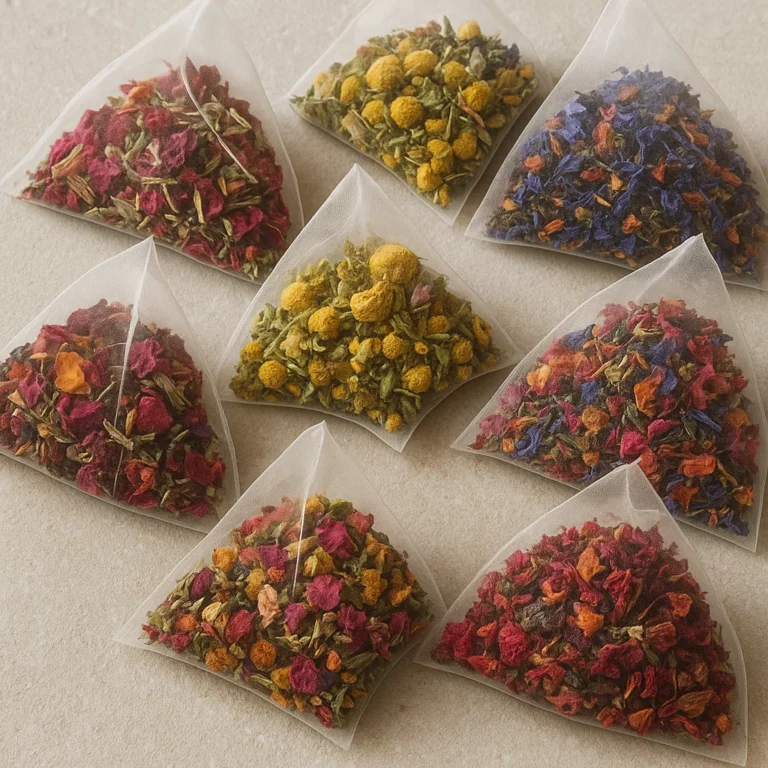
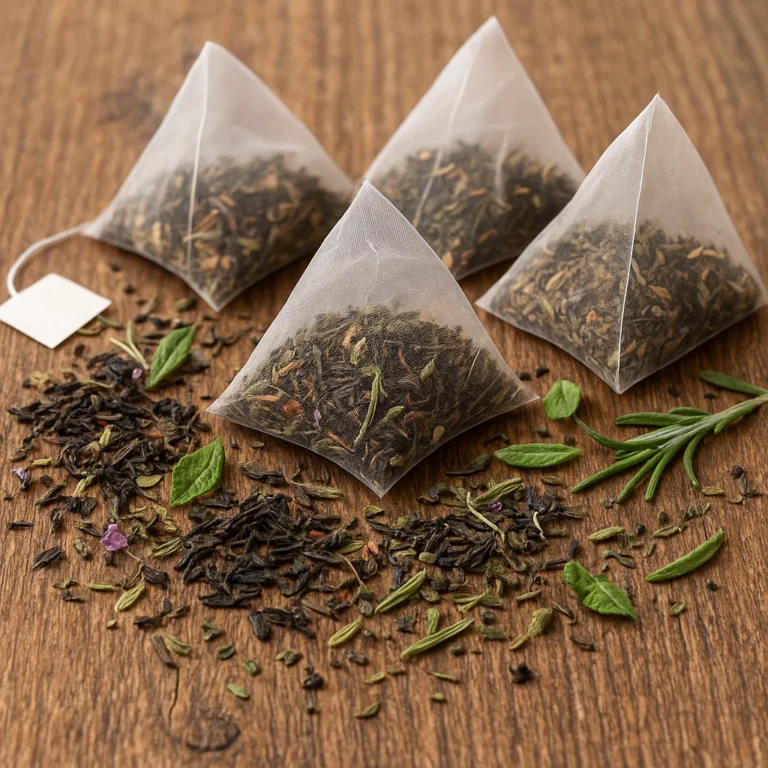
| Pyramid sachet | Convenient with room for larger ingredients | Packaging can vary by brand | Hosting or single-serve brewing |
| Ready-to-drink | No brewing required | Sweetness and ingredients are set | Travel and grab-and-go |
Our preference: Loose leaf is ideal if you want to experiment with strength and steep time. Tea bags are better when the kettle is already late for work.
Natural fruit flavor, added flavoring, and sweeteners
These terms tell you different things:
- Dried fruit is a physical ingredient and may contribute aroma, tartness, or body.
- Flavoring can provide a stronger, more recognizable fruit aroma.
- Sweeteners—if present—change the cup’s sweetness; fruit-scented tea is not necessarily sweetened.
Don’t assume every “natural” descriptor means the entire blend is minimally processed, or that a blend with flavoring is low quality. Taste and transparent labeling matter more than a single front-of-package phrase.
Caffeine levels and caffeine-free herbal infusions
| Base in the blend | General expectation |
|---|---|
| Black, green, white, or olong tea | Contains caffeine |
| Rooibos or honeybush | Generally caffeine-free |
| Hibiscus, mint, chamomile, and many herb-only blends | Generally caffeine-free |
| A mix of tea leaves and herbs | Contains caffeine, despite the botanical ingredients |
Caffeine content varies with the ingredients and brewing conditions. The U.S. FDA’s caffeine guidance offers general context, but a specific blend’s label is the better place to check for product-level information.
👃 How to Choose a Blend by Taste Profile
Think about what you want the cup to do. Refresh you? Wake you up? Taste like a berry tart without requiring a fork? Your preferred profile narows the field quickly.
Sweet and juicy fruit blends
Peach, mango, apple, and some berry blends tend to feel rounder and fruitier. Pair them with green tea for a lively, leafy backbone, or choose rooibos for a softer, caffeine-free base.
Taster tip: If a fruit blend tastes too tart, reduce steep time before adding sugar. Over-steping can make the tea base harsher and obscure the fruit.
Tart berry and hibiscus teas
Hibiscus often brings a vivid red color and a tangy, cranberry-like impression. Berries can add a sweeter or more perfumed note, but the overall effect may still be sharp.
These blends are especially appealing iced. Try them plain first; if you prefer a sweeter finish, add a little sweetener after brewing so you can control the balance.
Citrus, tropical fruit, and bright botanicals
Citrus peel, lemongrass, mint, and tropical fruit notes make a clean, aromatic cup. The blend may be refreshing without tasting sweet, which is why citrus is a strong choice for cold brewing and spritzers.
Floral, earthy, spicy, and herbaceous blends
Rose and chamomile can soften fruit; ginger and turmeric bring warmth; mint and lemongrass make a blend feel fresh. If one botanical dominates, change the brewing ratio before deciding the blend is a bad match. A shorter infusion can turn “lavender bouquet” back into “tea with a hint of lavender.”
🫖 How to Brew Fruity and Botanical Teas
The best starting point is the package. Tea bases differ, and one universal brewing instruction can turn an elegant green tea bitter or leave a fruit-heavy infusion tasting like polite dishwater.
Water temperature and steeping times by tea type
Use these as starting ranges, then follow the brand’s specific directions:
| Tea style | Water temperature | Starting steep time |
|---|---|---|
| Green tea with fruit | Below boiling; follow package guidance | About 2–3 minutes |
| Black tea with fruit | Near boiling | About 3–5 minutes |
| White or delicate tea blends | Below boiling | About 2–4 minutes |
| Herbal and fruit infusions | Boiling or near boiling, if specified | About 5–7 minutes |
The ranges are practical starting points, not strict laws. Rishi’s fruit-tea guidance recommends boiling water and around 3–5 minutes for its collection, but that should not be copied blindly onto a delicate green tea. The tea base sets the rules; the fruit doesn’t get to overule it.
How to make iced fruit tea and botanical cold brew
Hot-brewed iced tea
- Measure tea according to the package directions.
- Brew slightly stronger than you would for a hot cup.
- Strain or remove the tea bag.
- Cool briefly, then pour over ice.
- Taste before adding sweetener or citrus.
Cold brew
- Add tea and cool water to a clean, covered jug.
- Refrigerate and steep according to the brand’s guidance.
- Strain, taste, and adjust.
- Serve chilled, with fresh citrus or herbs if they complement the blend.
Cold brewing often produces a gentler cup, but steeping time varies by blend. Keep the finished tea refrigerated and use clean equipment. For food-safety basics on chilled drinks and storage, consult the U.S. Department of Agriculture’s food safety guidance.
Balancing tartness, sweetness, and aroma
When a cup misses the mark, adjust one variable at a time:
- Too tart? Shorten the steep or dilute with water.
- Too weak? Add more tea next time rather than immediately steeping much longer.
- Too floral? Use less tea or a shorter steep.
- Not fruity enough? Brew at the package’s recommended strength and serve in a warm cup; aroma is part of flavor.
- Too sweet? Choose an unsweetened blend and add no sweetener.
A simple tasting note helps: write down the blend, amount, temperature, time, and your impression. After three cups, you’ll know more than a dozen dramatic tea reviews can tell you.
🍹 Serving Ideas, Pairings, and Everyday Uses
Fruit and botanical blends work well beyond the standard mug. Keep the additions light enough that you can still taste the tea.
Fruit tea lattes, spritzers, and tea mocktails
- Fruit tea spritzer: Chill a strong infusion and top with sparkling water.
- Citrus iced tea: Add a thin slice of orange or lemon to a citrus blend.
- Herbal mocktail: Pair a chilled berry infusion with mint and sparkling water.
- Tea latte: Use a bold black tea or rooibos blend and add milk only if its flavors suit the fruit and botanicals.
Not every fruit tea welcomes milk. Tart hibiscus can curdle or clash with dairy; try a small test before making a full glass.
Food pairings for berry, citrus, floral, and spiced teas
| Tea profile | Pairing ideas |
|---|---|
| Berry and hibiscus | Shortbread, plain yogurt, mild cheese |
| Citrus and mint | Fresh fruit, light pastries, simple salads |
| Peach and green tea | Almond biscuits, mild cakes, fresh peaches |
| Ginger and spice | Oat biscuits, ginger cake, savory pastries |
| Rose and floral fruit | Light sponge cake, berries, delicate desserts |
Our rule: Match intensity with intensity. A delicate floral tea can disappear beside a heavily spiced dessert; a bright hibiscus blend can stand up to a tangier snack.
🌱 Wellness, Allergens, and Ingredient Considerations
Tea can be a pleasant part of a routine, but a botanical blend is still food made from active plant ingredients. For broader evidence-based reading, see our Health Benefits of Tea coverage and the National Center for Complementary and Integrative Health.
What fruit and botanical teas can—and cannot—do
A cup can contribute hydration and enjoyment, and a tea containing true tea leaves may contribute caffeine. Don’t treat a fruit infusion as a substitute for medical care, a balanced diet, or a proven treatment. Claims about a particular herb’s effect should be checked against reliable health sources rather than inferred from words such as “detox” or “wellness.”
One video-related distinction is worth making: the featured video describes Botanic Choice Mega Fruits & Vegies Blend 42 as a two-pill supplement and compares it with a “national brand.” That is a supplement, not a tea, and its promotional claims do not establish that fruit-and-botanical tea provides equivalent servings of produce. A brewed infusion and a concentrated supplement are different products with different evidence and directions.
Herbal ingredients, medication interactions, and pregnancy
Herbs can interact with medicines or be unsuitable in some circumstances. If you are pregnant, breastfeeding, taking medication, or managing a health condition, ask a qualified health professional about ingredients you’re unsure of. The NCCIH Herbs at a Glance pages provide evidence summaries for selected herbs, while the FDA explains that dietary supplements are regulated differently from medicines.
Practical advice: Keep the ingredient panel or product page handy when asking a clinician about a blend.
Checking labels for allergens and dietary needs
- Check for listed allergens and cross-contact statements.
- Look for sweeteners if you’re monitoring added sugar.
- Confirm caffeine status rather than relying on “herbal” imagery.
- Verify organic or other certification claims on the specific product.
- Contact the manufacturer if the ingredient list doesn’t answer a safety question.
If an ingredient triggers an allergy or intolerance, skip the blend. “It’s only a little botanical” is not a helpful medical strategy.
🛍️ Where to Buy Unique Fruit and Botanical Tea Blends
Buying directly from a tea brand often gives you the clearest access to current ingredients and brewing directions. Specialty retailers can make comparison easier, while marketplaces may offer convenience but require extra attention to the seller and product listing.
Buying directly from tea brands
Official product pages are usually the best first stop for:
- Current ingredients and caffeine details
- Brand-specific brewing instructions
- Availability of loose leaf, sachets, and tea bags
- Organic or sourcing information
For example, compare Rishi’s fruity berry tea collection with the individual blend page before buying. The collection gives an overview; the product page is where the specific tea’s details matter.
Specialty tea shops and online retailers
Specialty shops can help you compare aroma, format, and flavor families. If shopping through a marketplace, confirm that the listing corresponds to the brand’s current product and that the ingredient information is complete.
Whittard of Chelsea’s tea collection is another place to browse. Its available page may include privacy or cookie choices, so review those settings as you prefer; the collection link itself should not be treated as proof that every tea listed is fruit-and-botanical focused.
How to store tea and keep its flavor fresh
- Keep tea in a cool, dry place.
- Store it in a sealed, opaque container when possible.
- Keep it away from strong odors, sunlight, heat, and moisture.
- Use a dry spoon and close the package promptly.
- Follow the manufacturer’s best-before guidance.
Fruit and floral aromas can fade with time, especially if the package is left open. Store tea away from the spice drawer unless you want your peach blend to develop a mysterious cumin subplot.
❓ FAQs About Fruit and Botanical Tea Brands
What tea brands use unique fruit and botanical blends?
Brands worth exploring include Rishi Tea & Botanicals, DAVIDsTEA, Smith Teamaker, Harney & Sons, Tea Forté, and The Republic of Tea. They differ in format, flavor intensity, and whether a blend uses green or black tea, rooibos, or herbs alone. Check each product’s current ingredients and caffeine details rather than assuming the entire brand has one style.
Read more about “15 Tea Brands With Innovative Twists to Try 🍵”
Which tea brands combine fruit with herbs and florals?
Look at Rishi, T2, Kusmi Tea, Art of Tea, and Pukka Herbs. Their catalogs include blends across fruit, flowers, herbs, spices, and tea leaves. The exact combination is product-specific, so use the ingredient list to confirm whether a blend is floral-led, fruit-led, or tea-led.
What are the best teas with unusual fruit and botanical flavor combinations?
“Best” depends on your palate. For a lively, tart cup, try berry with hibiscus; for a fragrant cup, seek citrus with mint or lemongrass; for a warm, layered profile, look for fruit with ginger or other spices. Rishi’s fruit-and-berry collection is a useful starting point for fruit-forward options. If you dislike sharp tartness, avoid making hibiscus your first test.
Where can I find loose-leaf tea with fruit and botanical blends?
Browse Adagio Teas, DAVIDsTEA, Tiesta Tea, Art of Tea, and Rishi Tea & Botanicals. Check product format before ordering: a brand may sell both loose leaf and sachets, and availability can differ by blend.
Read more about “12 Premium Herbal Teas for a Feel-Good Mood 🌿”
How can you tell whether a fruit tea contains caffeine?
Look for black, green, white, or olong tea in the ingredients; these tea leaves contain caffeine. A blend made only from fruit, herbs, flowers, rooibos, or honeybush is generally caffeine-free, though product labels are the final check. If the package doesn’t say, ask the manufacturer.
Read more about “Tea Explained: Types, Brewing & Benefits 🍵”
Are dried fruit and fruit flavoring the same thing in tea?
No. Dried fruit is a physical ingredient; flavoring contributes aroma or taste and may be used alongside real fruit. Neither automatically tells you whether the cup will taste sweet. Read the ingredients and, if you’re deciding between brands, brew a small serving before committing to a larger tin.
Read more about “15 Innovative Ready-to-Drink Sparkling Tea Brands 🫖”
Can fruit and botanical tea be brewed cold?
Often, yes. Many fruit and herbal infusions work well as iced tea or cold brew, though the brand’s directions should come first. Rishi specifically recommends its fruit-forward teas as iced options. Brew, chill, and taste before adding sweetener; a bright blend may already have enough character.
Read more about “Discover the 10 Best Teas in the World for Health (2026) 🍵”
Is Botanical Interests a fruit-and-botanical tea brand?
No. Botanical Interests is focused on gardening products, seeds, and garden-planning resources, not tea blends. The similar wording can be confusing, but it is not a tea-brand recommendation.
Are fruit and botanical tea blends supplements or meal replacements?
No. A brewed tea is not automatically equivalent to a fruit-and-vegetable supplement, and neither should be mistaken for a meal replacement. The featured video promotes Botanic Choice Mega Fruits & Vegies Blend 42 as a supplement; its serving and comparison claims relate to that product, not to tea. Check the product type and evidence before relying on any nutrition or health claim.