Support our educational content for free when you purchase through links on our site. Learn more
Tea Explained: Types, Brewing & Benefits 🍵

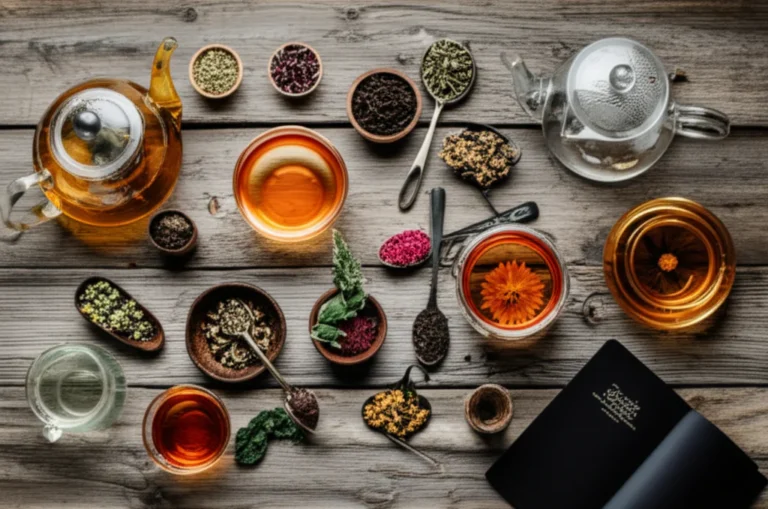
The best tea is the one you enjoy, brewed to suit its leaves. Start with a style that sounds good—brisk black tea, fresh green tea, layered olong, or a caffeine-free herbal infusion—then adjust the water temperature and steep time until your cup tastes just right.
At Tea Brands™, we’ve tasted teas that seemed ordinary in the bag but blossomed after a gentler steep, and delicate leaves that turned bitter when treated like a sturdy breakfast blend. The twist? Green, black, white, and olong teas all come from the same plant, Camellia sinensis. Processing, place, and brewing create the variety.
Key Takeaways
- True tea comes from Camellia sinensis. Herbal drinks such as rooibos and peppermint are infusions, not tea leaves.
- Processing creates the major tea styles: green, black, white, olong, yellow, and dark teas.
- Brewing changes the flavor. Water temperature, steep time, and the amount of tea all matter.
- Caffeine varies by tea and preparation. Herbal infusions are often caffeine-free, but check blends and labels.
- Buy for freshness and transparency. Clear origin details and airtight packaging are more useful than impressive-sounding claims.
- Enjoy tea in the way that suits you: plain, with milk, iced, steeped multiple times, or paired with food.
Table of Contents
- ⚡️ Quick Tips and Facts About Tea
- 🍃 What Is Tea? The Plant, the Leaves, and the Cup
- Camellia sinensis: The Tea Plant Behind True Tea
- True Tea vs. Herbal Tea and Tisanes
- 📜 Tea History: From Ancient China to Your Teacup
- How Tea Traveled Across Asia, Europe, and the World
- Tea Culture, Traditions, and Ceremonies
- 🌱 How Tea Is Grown, Harvested, and Made
- Tea Plants, Teroir, and Growing Regions
- From Plucking to Processing: Withering, Rolling, Oxidation, and Firing
- Tea Grades, Leaf Styles, and What They Mean
- 🍵 Types of Tea: A Complete Guide
- 1. Green Tea
- 2. Black Tea
- 3. White Tea
- 4. Oolong Tea
- 5. Pu-erh and Other Dark Teas
- 6. Yellow Tea
- 7. Matcha and Powdered Tea
- 8. Herbal Tea and Popular Tisanes
- 🌍 Famous Tea Regions and Their Signature Flavors
- Chinese Tea: Longjing, Tieguanyin, and Pu-erh
- Japanese Tea: Sencha, Gyokuro, and Matcha
- Indian Tea: Assam, Darjeling, and Nilgiri
- Sri Lankan Tea: Ceylon’s Highlands and Lowlands
- Other Notable Tea-Growing Countries
- 👃 Tea Flavor, Aroma, and Tasting Notes
- How to Taste Tea Like a Pro
- Common Tea Tasting Terms Explained
- Why Tea Can Taste Bitter, Astringent, Sweet, or Smoky
- 🫖 How to Brew Tea Perfectly
- Water Temperature and Steping Time by Tea Type
- Tea-to-Water Ratios and Measuring Loose-Leaf Tea
- Western-Style Brewing, Gongfu Brewing, and Grandfather-Style Tea
- How to Make Iced Tea, Cold Brew Tea, and Sun Tea
- How to Brew Tea Without a Kettle or Infuser
- 🥛 Tea With Milk, Sugar, Lemon, and Other Add-Ins
- Milk Tea, Chai, and Sweet Tea
- Lemon, Honey, and Flavor Pairings
- Tea and Food Pairings
- 💚 Tea Benefits, Nutrition, and Caffeine
- Tea Antioxidants and Other Naturally Occurring Compounds
- Caffeine in Tea: How It Compares by Type
- L-theanine, Energy, and Focus
- What Research Says About Tea and Health
- Potential Side Effects, Interactions, and Who Should Be Cautious
- 🛒 How to Buy Tea: Loose Leaf, Tea Bags, and Matcha
- How to Read Tea Labels and Spot Quality
- Loose-Leaf Tea vs. Tea Bags
- Organic, Fair Trade, Single-Origin, and Ethical Tea
- Best Tea for Beginners, Gifts, and Everyday Drinking
- ♻️ Tea Sustainability, Packaging, and Responsible Sourcing
- 🫙 How to Store Tea and Keep It Fresh
- Can Tea Expire? Shelf Life by Tea Type
- Can You Reuse Tea Leaves or Tea Bags?
- 🧰 Tea Gear: Kettles, Teapots, Infusers, and More
- ❓ Tea Questions Answered
- Does Tea Hydrate You?
- Does Decaffeinated Tea Still Contain Caffeine?
- Can You Drink Tea Before Bed?
- Is Tea Gluten-Free and Vegan?
- Why Does Tea Get Cloudy or Develop a Film?
- ✅ Conclusion
- 🔗 Recommended Links
- 📚 Reference Links
⚡️ Quick Tips and Facts About Tea
If you’re comparing makers, our guide to which tea brand is best? is a useful companion to this broad tea guide. At Tea Brands™, we taste tea across styles, origins, and brewing methods. Our simple advice: buy the tea you enjoy drinking, then brew it to suit the leaf—not the timer on the box.
| Tea fact | The useful version |
|---|---|
| What counts as tea? | True tea comes from Camellia sinensis. Pepermint, rooibos, chamomile, and hibiscus are herbal infusions, often called tisanes. |
| What determines tea type? | Primarily how the leaves are processed, especially how much they’re oxidized. |
| Does green tea always have less caffeine than black tea? | Not reliably. Leaf amount, cultivar, water temperature, and steep time all matter. |
| What’s the easiest brewing upgrade? | Use fresh, good-tasting water and avoid boiling delicate green or white tea. |
| Does loose leaf always taste better? | No. Excellent tea bags exist; stale, low-grade loose tea can still make a sad cup. |
| How should tea be stored? | Keep it sealed, dry, and away from heat, light, and strong smells. |
The Food Breakdown’s “Every Tea Explained” video gives a helpful visual tour of major tea categories. It’s a good warm-up before the fun question: why do two cups from the same plant taste so different?
🍃 What Is Tea? The Plant, the Leaves, and the Cup
Tea is an infusion made from the leaves and buds of Camellia sinensis, an evergreen plant. The drink may be hot, iced, plain, sweetened, or spiced. Its taste can range from fresh and grassy to floral, malty, smoky, or earthy, depending on the plant, growing conditions, processing, and brewing.
Tea is one of the world’s most widely consumed drinks after water, but the word “tea” is used casually for many drinks that contain no tea leaves at all. That distinction matters when you’re choosing for taste, caffeine, or dietary reasons.
Camellia sinensis: The Tea Plant Behind True Tea
All traditional tea types—green, black, white, olong, yellow, and pu-erh—come from the same species. Different cultivars, growing regions, harvest seasons, and processing choices give them their distinct personalities.
A useful mental picture: tea type is less like choosing a different fruit and more like choosing how to prepare the same fruit. One leaf can become green tea when heat quickly halts oxidation, or black tea when it is allowed to oxidize more fully.
True Tea vs. Herbal Tea and Tisanes
| Drink | Made from | Naturally contains caffeine? | Familiar examples |
|---|---|---|---|
| True tea | Camellia sinensis | Usually | Sencha, Assam, Earl Grey, matcha |
| Herbal infusion (tisane) | Flowers, herbs, spices, fruit, roots | Usually no, though blends may include tea | Pepermint, chamomile, rooibos, hibiscus |
| Blended tea | Tea leaves plus other ingredients | Usually, if it contains tea | Jasmine green tea, masala chai, fruit-flavored black tea |
Rooibos, for example, comes from a South African shrub, not the tea plant. It is naturally caffeine-free, though a “rooibos chai” blend could include caffeinated tea if the ingredients say so. Explore more infusions in our herbal tea guides.
📜 Tea History: From Ancient China to Your Teacup

Tea’s early history has a mixture of documented evidence and appealing legend. One famous Chinese story credits the mythical emperor Shennong with discovering tea when a leaf blew into his pot of boiling water. Charming? Absolutely. Verified? No. The origins and early domestication of tea remain uncertain.
Historical accounts and archaeological finds point to tea drinking in China by ancient times, with written references appearing centuries before the Common Era. Tea became especially influential during the Tang dynasty, when the 8th-century scholar Lu Yu wrote The Classic of Tea, a detailed work on cultivation, preparation, and appreciation.
How Tea Traveled Across Asia, Europe, and the World
Trade routes carried tea across Asia, while European merchants helped introduce it to Western Europe in the 16th and 17th centuries. Later, British demand drove large-scale cultivation in India and Ceylon (now Sri Lanka), leaving a complicated legacy of commerce, colonialism, and labor.
Tea also shaped language. English “tea” traveled through Dutch trade connections to a Min Chinese pronunciation, while “chai” spread along overland routes from northern China through Central Asia and Persia. The word you use can hint at how tea reached a region.
Tea Culture, Traditions, and Ceremonies
Tea is a drink, but it is also a social ritual. Japanese tea ceremony, Chinese gongfu brewing, British afternoon tea, Turkish çay, Indian masala chai, and Moroccan mint tea each reflect different histories and habits.
At our tasting table, we’ve found that slowing down changes how people experience tea. A quick mug is comfort; a small teapot with several short infusions can feel like a conversation that keeps finding new things to say. Neither is “the right way.” The best approach depends on the tea, the moment, and your appetite for fuss.
🌱 How Tea Is Grown, Harvested, and Made
Tea plants flourish mainly in tropical and subtropical climates. Commercial tea gardens often prune the plants to make harvesting manageable and encourage new growth. The youngest buds and leaves are commonly plucked for many styles, though harvest standards vary by tea and region.
Tea Plants, Teroir, and Growing Regions
Teroir describes how place influences a crop. Elevation, soil, rainfall, temperature, shade, and local plant varieties can all shape tea’s character. A high-grown Darjeling may be bright and floral; a robust Assam may be malty and full-bodied.
The main botanical varieties include Camellia sinensis var. sinensis and var. assamica. Broadly speaking, sinensis is common in Chinese and Japanese tea traditions, while assamica is important in Assam and some pu-erh production. These are useful generalizations, not strict rules.
From Plucking to Processing: Withering, Rolling, Oxidation, and Firing
The path from fresh leaf to finished tea typically includes some combination of the following:
- Plucking: Harvesters collect buds and leaves according to the tea’s style and quality standard.
- Withering: Leaves lose moisture and become more pliable.
- Rolling or shaping: The leaves are rolled, twisted, pressed, or shaped to influence appearance and flavor.
- Oxidation: Enzymes in the leaf react with oxygen. Green tea is generally heated early to limit oxidation; black tea is allowed to oxidize more fully; olong falls between.
- Firing or drying: Heat reduces moisture and helps stabilize the finished tea.
- Sorting and packing: Leaves may be graded by size or appearance before packaging.
“Fermentation” is sometimes used casually to describe tea processing, but oxidation and microbial fermentation are not the same process. Pu-erh and other dark teas can undergo microbial aging, which gives them a distinctive production story.
Tea Grades, Leaf Styles, and What They Mean
Tea grading terms can describe leaf size and appearance rather than a universal quality score. In South Asian black teas, for example, “OP” often means Orange Pekoe and refers to a leaf grade—not orange flavor. Smaller broken leaves can brew quickly and strongly, which is useful in a teabag blend, while whole leaves may offer more nuance over multiple infusions.
Don’t treat a fancy grade abbreviation as a taste guarantee. Look for origin, harvest information, aroma, freshness, and a clear description of how the tea is meant to be brewed.
🍵 Types of Tea: A Complete Guide
The classic tea categories are defined mainly by processing. Here’s the tasting-room version:
| Type | Typical processing | Common flavor notes | Great first pick if you like… |
|---|---|---|---|
| Green | Heat-treated soon after harvest; little oxidation | Grassy, vegetal, nuty, sweet | Fresh, crisp flavors |
| Black | More fully oxidized | Malty, brisk, fruity, robust | A strong breakfast cup |
| White | Lightly processed and dried | Delicate, floral, soft, sometimes honeyed | Subtle flavor |
| Oolong | Partly oxidized; often rolled or shaped | Floral, creamy, roasted, fruity | A tea with layers |
| Dark / pu-erh | Aged or microbially processed, depending on style | Earthy, woody, mellow | Deep, savory notes |
| Yellow | Gently processed with a yellowing step | Soft, mellow, lightly sweet | A delicate cup without sharp edges |
1. Green Tea
Green tea is heated soon after harvest to limit oxidation. Chinese green teas such as Longjing (Dragon Well) are often pan-fired; many Japanese green teas, including sencha, are steamed. These differences help create distinct flavors.
- Try it for: Fresh, grassy, nuty, or vegetal notes.
- Brewing tip: Start with water below a full boil and shorten the steep if it tastes bitter.
- Our tasting note: A little care makes green tea shine; a rolling boil can turn a graceful cup into a stern lecture.
2. Black Tea
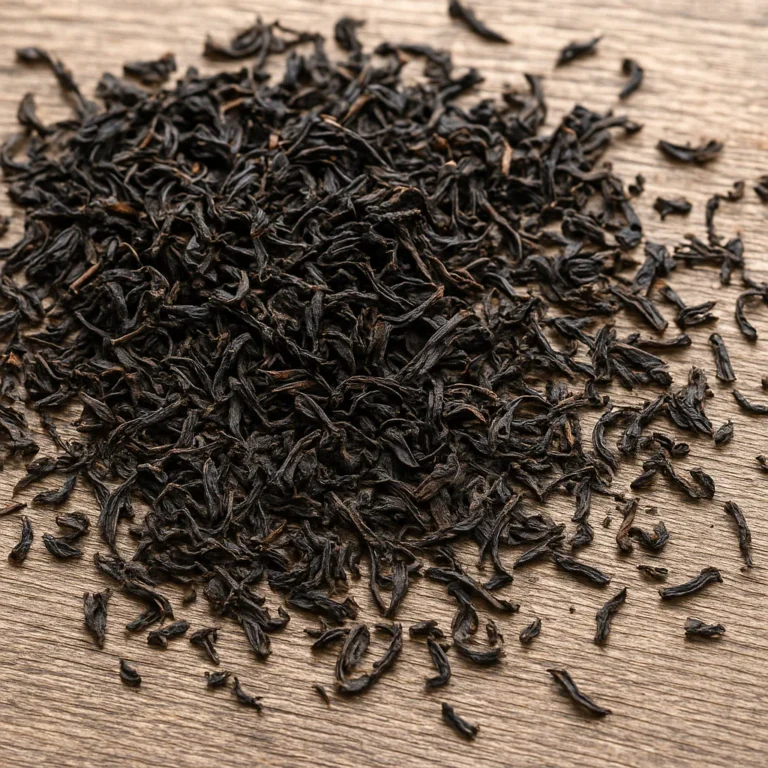
Black tea is more fully oxidized than green tea. In China, it is often called hong cha, meaning “red tea,” referring to the color of the brewed liquor. Assam, Ceylon, Darjeling, and Kemun are familiar examples.
- Try it for: Brisk, robust, malty, or fruity flavors.
- Brewing tip: It generally tolerates hotter water than green tea, but steeping too long can make it overly astringent.
- Common use: Breakfast blends, iced tea, and milk tea.
3. White Tea
White tea is typically made with minimal processing and careful drying. Silver Needle and White Peony are well-known styles. “Minimal processing” does not mean flavorless; a good white tea can be fragrant, sweet, and surprisingly complex.
- Try it for: Soft, floral, delicate flavors.
- Brewing tip: Use water that is hot but not necessarily boiling, and taste early.
- Keep in mind: White tea can vary widely by harvest and production style.
4. Oolong Tea
Oolong sits between green and black tea in oxidation, but that simple description only begins the story. Some olongs are light and floral; others are dark, roasted, and honeyed. Tieguanyin and Wuyi rock tea are well-known examples.
Oolong rewards multiple short infusions. We once brewed a rolled olong that started out almost orchid-like, then turned creamier and more toasted as the leaves unfurled. The surprise wasn’t a new ingredient; it was the same leaves, given time.
5. Pu-erh and Other Dark Teas
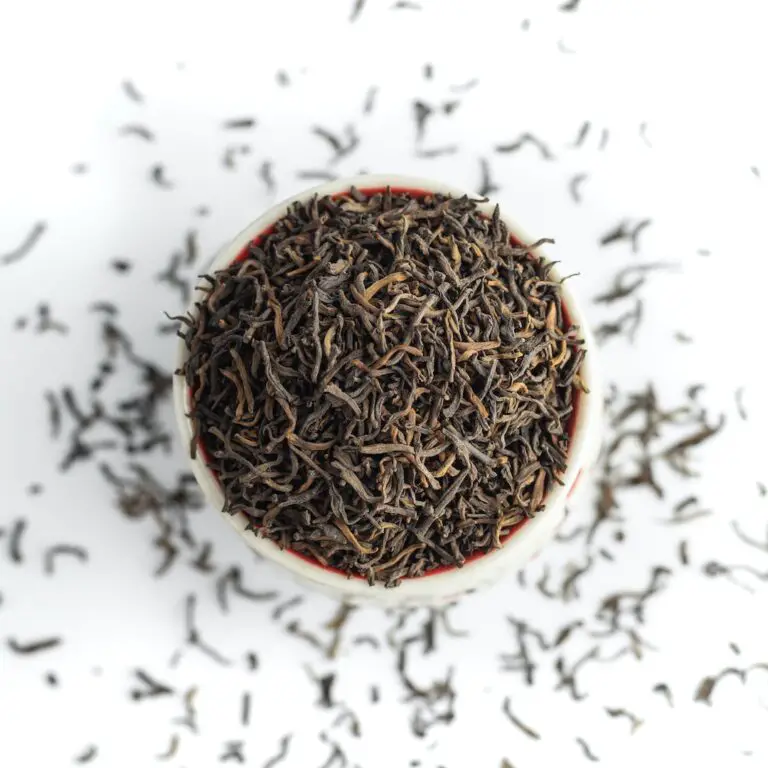
Pu-erh is a famous dark tea from Yunnan, China. It may be sold loose or compressed into cakes and bricks. Some styles are aged, and flavor can develop with storage. Aging is not an automatic quality upgrade: good storage and sound production matter.
Expect earthy, woody, mellow, or sometimes camphor-like notes. If your first cup tastes too intense, rinse the leaves quickly with hot water before the main infusion, as many traditional brewing methods do.
6. Yellow Tea
Yellow tea is relatively uncommon. Its production includes a controlled “yellowing” step that softens the leaf’s character. The result is often mellow and smooth, though the exact flavor depends on origin and craft. It can be harder to find than green or black tea, so clear sourcing information is especially useful.
7. Matcha and Powdered Tea
Matcha is powdered green tea traditionally whisked into water, so you consume the suspended leaf rather than steeping and removing it. It is vivid, concentrated, and can be grassy, creamy, or bitter depending on quality and preparation.
To make a simple bowl:
- Sift about 1–2 teaspoons of matcha into a bowl.
- Add a small amount of hot—not boiling—water.
- Whisk briskly in an “M” or “W” motion until frothy.
- Add more water or milk to taste.
Matcha quality labels are not standardized across all producers. Look for transparent origin, color, aroma, and intended use. Culinary matcha works well in baking and lattes; a more delicate matcha is better for drinking straight.
8. Herbal Tea and Popular Tisanes
Herbal infusions include peppermint, chamomile, rooibos, ginger, hibiscus, and lemongrass. They vary in flavor and may have different considerations, so check ingredients if you have allergies, take medication, or need to avoid certain plants.
- Pepermint: Cooling and aromatic.
- Chamomile: Floral and apple-like.
- Rooibos: Naturally caffeine-free, often smooth and woody.
- Hibiscus: Tart, vivid, and fruit-like.
- Ginger: Warm, spicy, and often blended with citrus or honey.
Browse our herbal tea category for more caffeine-free options.
🌍 Famous Tea Regions and Their Signature Flavors
| Region | Known for | Common flavor impression |
|---|---|---|
| China | Longjing, Kemun, Tieguanyin, pu-erh | Wide-ranging: nuty, floral, smoky, earthy |
| Japan | Sencha, gyokuro, matcha | Fresh, vegetal, savory, sometimes sweet |
| India | Assam, Darjeling, Nilgiri | Malty, brisk, floral, or full-bodied |
| Sri Lanka | Ceylon teas | Bright, lively, often citrusy or brisk |
| Taiwan | High-mountain olongs | Floral, creamy, fragrant |
| Kenya | Robust black teas | Brisk, strong, often used in blends |
Chinese Tea: Longjing, Tieguanyin, and Pu-erh
China produces many tea styles, so “Chinese tea” is no single flavor. Longjing is a famous pan-fired green tea; Tieguanyin is an olong; pu-erh is a dark tea associated with Yunnan. When buying, check the style and origin rather than relying on a broad country label.
Japanese Tea: Sencha, Gyokuro, and Matcha
Japan is especially known for steamed green teas. Sencha is an everyday favorite, gyokuro is shaded before harvest and often more savory and sweet, and matcha is finely miled powdered tea. For our tea brand guides, we compare how producers explain origin, harvest, and brewing.
Indian Tea: Assam, Darjeling, and Nilgiri
Assam teas are often bold and malty; Darjeling is celebrated for brisk, floral, or muscatel-like character; Nilgiri teas can be aromatic and smooth. These profiles are tendencies, not promises—season, estate, processing, and blending can change the cup considerably.
Sri Lankan Tea: Ceylon’s Highlands and Lowlands
“Ceylon” remains a familiar name for Sri Lankan tea. Teas from different elevations and districts can vary from light and fragrant to deep and brisk. If a package gives a district or estate, that detail can help you understand what you’re buying.
Other Notable Tea-Growing Countries
Kenya is a major producer of black tea, much of it used in blends. Taiwan is renowned for olong; Vietnam produces green and black tea; Turkey has a strong tea culture and growing industry; and smaller tea-growing regions exist around the world. Climate change and local growing conditions can affect yield and flavor, making origin stories increasingly important.
👃 Tea Flavor, Aroma, and Tasting Notes
Tea tasters assess the dry leaf, aroma, liquor, texture, and finish. You don’t need a tasting wheel or a dramatic swirl. Take a sip, pause, and ask: What does this remind me of?
How to Taste Tea Like a Pro
- Look at the dry leaf. Note its color, shape, and aroma.
- Brew carefully. Use consistent water, leaf quantity, and steep time if comparing teas.
- Smell the wet leaves. The aroma may be different from the dry leaf.
- Sip while warm. Let the tea move across your palate.
- Notice texture and finish. Is it silky, drying, brisk, sweet, or lingering?
- Taste again as it cools. Some teas reveal fruit, floral notes, or sweetness at a lower temperature.
For a fair comparison, change one brewing variable at a time. If you change the water temperature and the steep time together, it becomes difficult to tell which one improved the cup.
Common Tea Tasting Terms Explained
| Tasting term | What it means |
|---|---|
| Astringent | A drying, puckering sensation, often linked to tea polyphenols |
| Brisk | Lively, refreshing, and slightly sharp |
| Body | How light or full the tea feels in your mouth |
| Malty | Bread-like, warm, and sometimes sweet |
| Umami | Savory depth, often noticed in some Japanese green teas |
| Finish | The taste and sensation that remain after swallowing |
Why Tea Can Taste Bitter, Astringent, Sweet, or Smoky
Biterness and astringency are related but distinct: bitterness is a taste, while astringency is a drying sensation. Hoter water, more leaf, or a longer steep can extract stronger flavors. Smoke, meanwhile, may come from intentional processing, as in some smoked teas, rather than from a defect.
If your cup is harsh, try this order: shorten the steep, lower the temperature, then reduce the leaf amount. You’ll preserve more aroma than if you simply add milk or sugar to cover the problem.
🫖 How to Brew Tea Perfectly
There is no single perfect recipe for every tea. Tea bags, whole leaves, water quality, personal taste, and brewing style all matter. Use the package directions as a starting point, then adjust.
Water Temperature and Steping Time by Tea Type
| Tea style | Starting water temperature | Starting steep time |
|---|---|---|
| Green tea | 70–85°C / 160–185°F | 1–3 minutes |
| White tea | 75–90°C / 170–195°F | 2–5 minutes |
| Oolong tea | 85–95°C / 185–205°F | 2–5 minutes |
| Black tea | 90–100°C / 195–212°F | 3–5 minutes |
| Pu-erh / dark tea | 90–100°C / 195–212°F | 2–5 minutes |
| Herbal infusion | Usually near boiling | 5–7 minutes |
These are starting ranges, not laws. Fine, broken leaves usually infuse faster than large whole leaves. Matcha is whisked rather than steeped.
Tea-to-Water Ratios and Measuring Loose-Leaf Tea
A practical starting point is about 2 grams of tea per 240 ml (8 oz) of water, but leaf density varies: a teaspoon of fluffy white tea weighs less than a teaspoon of tightly rolled olong.
For consistency:
- Use a kitchen scale if you have one.
- If not, start with one level teaspoon per cup.
- Record the amount and steep time when you find a cup you like.
- Adjust the leaf amount for strength before extending steep time.
Western-Style Brewing, Gongfu Brewing, and Grandfather-Style Tea
| Brewing method | How it works | Best suited to |
|---|---|---|
| Western style | A moderate amount of tea steps in a larger pot or mug | Everyday brewing and tea bags |
| Gongfu style | More leaf, smaller vessel, multiple short infusions | Oolong, pu-erh, and teas with evolving flavor |
| Grandfather style | Leaves remain in the cup or glass and are topped up with water | Convenient, informal brewing |
Gongfu brewing is not a test of expertise. It is simply a method that gives you more control over successive infusions. A small gaiwan or teapot can help, but a mug and infuser are perfectly respectable members of the tea family.
How to Make Iced Tea, Cold Brew Tea, and Sun Tea
Hot-brewed iced tea: Brew a strong tea concentrate, then pour it over ice. Avoid filling a glass with too much ice unless you want tea-flavored water.
Cold brew tea:
- Add tea leaves or bags to cold, clean water.
- Refrigerate for several hours.
- Taste and strain when the flavor is balanced.
- Keep the finished tea refrigerated.
Cold brewing tends to produce a softer, less bitter cup, though results vary by tea and steep time.
Sun tea: Tea left to steep in sunlight can spend hours at temperatures that are not reliably hot enough to control microbial growth. For a safer sunny-day pitcher, brew with hot water or use a refrigerated cold-brew method, then keep it chilled.
How to Brew Tea Without a Kettle or Infuser
No special gear? No problem.
- Heat water in a saucepan or microwave-safe mug.
- Add a tea bag, or place loose tea directly in the cup.
- Step for the recommended time.
- Let loose leaves settle, or pour through a kitchen strainer.
A fork can retrieve a tea bag; a small sieve can strain leaves. Improvisation is part of the pleasure. Just avoid heating water in a container not intended for that use.
🥛 Tea With Milk, Sugar, Lemon, and Other Add-Ins
Add-ins can soften, sweeten, or brighten tea, but they can also obscure delicate flavors. We recommend tasting the tea plain first if you want to understand its character, then adding one thing at a time.
Milk Tea, Chai, and Sweet Tea
Milk pairs naturally with many robust black teas and breakfast blends. Masala chai typically combines black tea with spices such as cardamom, ginger, cinnamon, cloves, and black pepper; recipes vary by household and region.
Sweet tea is especially associated with the American South and is commonly brewed strong and sweetened before chilling. For a less sugary version, try adding a small amount of sweetener while the tea is warm, then adjust after tasting.
Lemon, Honey, and Flavor Pairings
- Lemon: Brightens black tea and many herbal infusions.
- Honey: Adds floral sweetness, especially to ginger or chamomile.
- Fresh mint: Works with green tea, black tea, or Moroccan-style blends.
- Ginger: Adds warmth and a peppery edge.
- Milk or oat milk: Suits bold black tea and chai; it may overwhelm delicate green tea.
Tea and Food Pairings
| Tea | Pairing ideas |
|---|---|
| Green tea | Sushi, rice dishes, lightly salted snacks |
| Black tea | Scones, toast, dark chocolate, breakfast foods |
| Darjeling | Mild cheeses, fruit tarts, lightly spiced dishes |
| Oolong | Roasted nuts, grilled foods, buttery pastries |
| Pu-erh | Rich, savory dishes and dark chocolate |
| Pepermint | Chocolate desserts and fruit |
| Hibiscus | Citrus desserts, berries, and creamy sweets |
For dessert, match intensity: a delicate white tea can disappear beside a very sweet cake, while a brisk black tea or roasted olong can hold its own. We’ll return to that question in the FAQ.
💚 Tea Benefits, Nutrition, and Caffeine
Tea contains naturally occurring compounds such as caffeine, amino acids, and polyphenols. However, a food’s interesting chemistry is not proof that it prevents or treats disease. Research on tea and health is ongoing, and health claims deserve more caution than marketing copy.
For more on evidence and wellbeing, see our health benefits of tea articles.
Tea Antioxidants and Other Naturally Occurring Compounds
Tea leaves contain polyphenols, including catechins in many green teas and compounds formed during black tea processing. These substances contribute to flavor, color, and mouthfeel. The amount in a finished cup varies with leaf, processing, serving size, water, and steep time.
A laboratory finding about antioxidants does not automatically mean drinking tea produces a particular health outcome in humans. For reliable context, consult the National Center for Complementary and Integrative Health.
Caffeine in Tea: How It Compares by Type
| Tea or drink | Typical caffeine pattern |
|---|---|
| Matcha | Can be relatively concentrated because powdered leaf is consumed |
| Black tea | Often moderate, but varies widely |
| Green tea | Often moderate, with substantial overlap with black tea |
| White tea | Can contain caffeine; “white” does not mean caffeine-free |
| Decaffeinated tea | Usually reduced caffeine, not necessarily zero |
| Herbal infusions | Often caffeine-free unless blended with true tea or another caffeine source |
Caffeine depends on the amount of leaf, cultivar, water temperature, and steep duration. For a personal estimate, check the manufacturer’s information and remember that lab figures are not identical across brands or brewing methods. The FDA’s caffeine guidance explains why individual sensitivity matters.
L-theanine, Energy, and Focus
Tea contains the amino acid L-theanine. Research has examined its relationship with alertness and attention, but the effects depend on the study and dose. Many people describe tea’s energy as gentler than coffee; that’s a useful personal observation, not a guarantee or medical claim.
If caffeine makes you jittery, try a smaller serving, a shorter steep, or a naturally caffeine-free herbal infusion.
What Research Says About Tea and Health
Studies investigate tea in relation to heart health, metabolism, cognition, and other outcomes. Findings are not always consistent, and association does not prove causation. Tea can be part of a balanced diet, but it is not a substitute for medical care, medication, sleep, or an overall healthy eating pattern.
The NCCIH overview of tea provides a cautious summary of what research can and cannot establish.
Potential Side Effects, Interactions, and Who Should Be Cautious
- Caffeine sensitivity: May affect sleep, anxiety, heart rate, or digestive comfort.
- Iron absorption: Tea can reduce absorption of non-heme iron when consumed with a meal; people with iron deficiency may want individualized advice from a clinician.
- Pregnancy and medication: Ask a healthcare professional about caffeine intake, herbal products, and interactions.
- Very hot beverages: Allow tea to cool to a comfortable temperature before drinking.
- Concentrated extracts: Supplements are not the same as ordinary brewed tea and may carry different risks.
🛒 How to Buy Tea: Loose Leaf, Tea Bags, and Matcha
There is excellent tea in bags and excellent tea sold loose. The best choice depends on your routine, budget, equipment, and how much you enjoy adjusting your brew.
How to Read Tea Labels and Spot Quality
Look for:
- Tea type and origin: Specific information is more useful than vague “premium tea” language.
- Harvest or packing date: Freshness matters, especially for green tea.
- Ingredients: Check for added flavorings, sweeteners, or hidden caffeine sources.
- Brewing directions: Helpful details suggest the seller has considered how the tea performs.
- Packaging: Airtight, opaque packaging helps protect aroma.
- Sourcing transparency: Look for clear information about farms, regions, and labor standards.
Loose-Leaf Tea vs. Tea Bags
| Feature | Loose leaf | Tea bags |
|---|---|---|
| Convenience | Requires an infuser or strainer | Quick and portable |
| Dose control | Easy to adjust | Usually fixed |
| Leaf size | Often larger, though not always | Often smaller for fast infusion |
| Variety | Broad range of single-origin and specialty teas | Huge range, from everyday blends to premium options |
| Cleanup | More cleanup | Usually simpler |
| Best for | Exploration and multiple infusions | Work, travel, and quick mugs |
A tea bag is not automatically low quality, and loose leaf is not automatically fresh. Buy from sellers who protect tea from air and moisture, and check what the bag itself is made from if compostability matters to you.
Organic, Fair Trade, Single-Origin, and Ethical Tea
Certifications can provide useful information, but each standard covers different things. Organic certification focuses on farming practices; Fairtrade certification has its own standards and producer programs; Rainforest Alliance certification covers sustainability criteria. No single logo answers every question about wages, pesticide use, or conditions on a specific farm.
For a thoughtful purchase:
- Check which certification is on the package.
- Follow the logo to the certifier’s own standards.
- Look for origin and producer information.
- Ask the company how it monitors labor conditions and handles grievances.
- Treat broad claims like “ethical” or “direct trade” as a starting point, not proof by themselves.
Tea supply chains can be complex, and workers’ experiences vary by region, estate, and employer. Transparent, independently verifiable information is more useful than a beautiful story with no details.
Best Tea for Beginners, Gifts, and Everyday Drinking
- New to tea: Try an approachable black tea, sencha, jasmine green tea, or mint infusion.
- For a breakfast drinker: Choose Assam, English Breakfast, or Irish Breakfast.
- For a floral cup: Explore jasmine tea, Darjeling, or lightly oxidized olong.
- For caffeine-free evenings: Consider rooibos, chamomile, or peppermint.
- For a tea enthusiast: A sampler with clearly labeled origins and steeping instructions makes a better gift than a large tin of mystery leaves.
Browse Tea Brand Spotlights and specialty blends for more options.
♻️ Tea Sustainability, Packaging, and Responsible Sourcing
Tea farming faces pressures from changing rainfall, rising temperatures, pests, and shifting growing conditions. Farming practices such as shade trees, soil conservation, and biodiversity protection may help some tea-growing regions adapt, but no single approach works everywhere.
Packaging matters too. Some tea bags use plastic fibers or heat-sealed materials that may not compost easily. Check the manufacturer’s material information and your local composting rules; “biodegradable” does not always mean suitable for a home compost bin.
A practical sustainability checklist:
- Choose tea with clear origin and sourcing information.
- Buy quantities you can use while the tea is fresh.
- Reuse or recycle packaging where local systems allow.
- Consider certified options, while checking what the certification actually covers.
- Favor companies that explain how they engage with producers and workers.
🫙 How to Store Tea and Keep It Fresh
Keep tea in an airtight, opaque container away from heat, sunlight, moisture, and strong smells. Tea leaves can absorb odors, so the cupboard beside the spice rack may not be their happiest address.
Can Tea Expire? Shelf Life by Tea Type
Tea generally loses aroma and flavor over time rather than becoming unsafe on a precise expiration date, as long as it is stored dry and uncontaminated. Green tea often loses freshness sooner than robust black tea; some pu-erh is intentionally aged under appropriate conditions. Flavored and floral teas can also fade quickly.
Discard tea if it has become damp, smells musty, or shows signs of mold. When in doubt, trust your nose.
Can You Reuse Tea Leaves or Tea Bags?
Many whole-leaf teas can be infused more than once, especially olong, pu-erh, and some green teas. Add a little time to each successive infusion and taste as you go. Tea bags are often designed for one strong infusion, but you can experiment if the second cup still tastes good.
Used leaves should not sit wet at room temperature for hours. If you plan to brew again later, refrigerate them promptly and use them soon.
🧰 Tea Gear: Kettles, Teapots, Infusers, and More
| Gear | What it does | Who benefits |
|---|---|---|
| Temperature-controlled kettle | Heats water to a chosen temperature | Green tea, olong, and frequent brewers |
| Teapot | Brews several cups at once | Shared tea or relaxed serving |
| Basket infuser | Gives leaves room to expand | Loose-leaf mug brewing |
| Gaiwan | Allows controlled short infusions | Gongfu-style brewing |
| Tea scale | Measures leaf consistently | Tasters and detail lovers |
| Storage tin | Protects tea from light and air | Anyone buying loose leaf |
You can make excellent tea with basic equipment. A kettle, mug, and roomy infuser are enough for most daily brewing; specialty gear is a pleasure, not a membership requirement.
❓ Tea Questions Answered
Does Tea Hydrate You?
Yes, ordinary brewed tea contributes fluid. Caffeine has a mild diuretic effect, but moderate tea drinking still counts toward hydration for most people. If a clinician has advised you to limit fluids or caffeine, follow that personalized guidance.
Does Decaffeinated Tea Still Contain Caffeine?
Usually, yes. Decaffeination reduces caffeine but may not remove every trace. If you need to avoid caffeine strictly, check the brand’s information and consider a naturally caffeine-free herbal infusion that does not contain true tea.
Can You Drink Tea Before Bed?
It depends on the tea and your sensitivity. Black, green, white, olong, and matcha contain caffeine in varying amounts, which can disrupt sleep for some people. Chamomile, rooibos, and peppermint are commonly chosen as evening infusions, though herbal products can still matter for allergies or medication interactions.
Is Tea Gluten-Free and Vegan?
Plain tea leaves and most single-ingredient herbal infusions are naturally gluten-free and vegan. Flavored blends, instant tea powders, and bottled drinks may include ingredients or manufacturing practices that change that answer. Check the label if you have celiac disease, an allergy, or a strict dietary requirement.
Why Does Tea Get Cloudy or Develop a Film?
Cloudiness in chilled tea can happen when compounds in the tea interact as the drink cools. A surface film can also be related to minerals in water, oils, or residues in the cup. Try using filtered water, cleaning the vessel thoroughly, and cooling tea gradually. If the drink smells off or has been stored improperly, discard it.
Do Direct Trade Tea Brands Pay Tea Farmers More Fairly?
Not automatically. “Direct trade” generally suggests a closer relationship between buyer and producer, but the term does not have one universal certification standard. A direct relationship can improve communication and traceability, yet it does not by itself prove that workers receive living wages or that prices are fair.
Look for specific information: which farms or cooperatives are involved, how prices are negotiated, whether long-term contracts exist, and how worker welfare is monitored. A company that shares verifiable details earns more trust than one relying on a feel-good label alone.
What questions should you ask a tea company?
- Can you identify the farm, estate, or producer?
- How do you set prices paid to producers?
- Are labor standards audited, and by whom?
- How can workers raise concerns?
- What happens when an audit identifies a problem?
How Can I Verify a Tea Brand’s Direct Trade and Ethical Sourcing Claims?
Start with the brand’s own sourcing page, then check any named certification against the certifier’s official database or standards. Look for dates, named regions, clear definitions, and concrete examples. A vague promise is harder to verify than a public list of sourcing partners and an explanation of how claims are checked.
Certifications can be valuable, but they are not interchangeable. Read what each program assesses and what it does not. For more company comparisons, see our Tea Brand Guides.
What Are the Healthiest Types of Tea to Drink?
There is no single healthiest tea for everyone. Unsweetened black and green teas can be enjoyable ways to drink fluids, while herbal infusions provide caffeine-free options. The strongest choice is usually the tea you enjoy in a form that suits your health needs—without treating it as a cure.
If you take medication, are pregnant, have a medical condition, or need to manage caffeine, ask a healthcare professional about specific teas and herbal ingredients. The NCCIH tea overview is a useful evidence-focused starting point.
How Do You Brew the Perfect Cup of Tea?
Use fresh, good-tasting water; measure the tea; choose a suitable temperature; and taste before extending the steep. If the cup is bitter, first reduce the steep time or water temperature. If it is weak, increase the leaf amount slightly. Make one adjustment at a time and you’ll find your preferred recipe faster.
What Is the Difference Between Green Tea and Black Tea?
Both come from Camellia sinensis. Green tea is heated soon after harvest to limit oxidation; black tea is allowed to oxidize more fully. That processing difference affects flavor, color, and aroma. Green tea is often grassy or vegetal, while black tea tends to be malty, brisk, or fruity—but origin and brewing can shift those profiles.
Neither category has a guaranteed caffeine level. The amount in your cup depends on the leaf and how you prepare it.
Which Teas Pair Best With Desserts?
Pair the tea’s intensity with the dessert. Black tea complements scones, chocolate, and rich pastries; roasted olong works with buttery or caramel flavors; pepermint is refreshing with chocolate; and hibiscus brings a tart contrast to fruit desserts.
For delicate sweets, try a gentle white tea or lightly floral green tea. For a very sweet dessert, choose a brisk tea that can cut through the richness rather than disappear beneath it.
What Is the Difference Between Tea and Chai?
“Chai” means tea in several languages, but in English it often refers to spiced milk tea, commonly made with black tea, milk, and spices. Masala chai recipes vary widely; some are peppery and bold, others sweet and fragrant. If a package says “chai,” check the ingredients to see whether it contains true tea, spices, or both.