Support our educational content for free when you purchase through links on our site. Learn more
15 Artisanal Loose Leaf Tea Brands for Conoisseurs 🍃

The best artisanal loose leaf tea brands for conoisseurs pair distinctive flavor with clear sourcing and thoughtful brewing guidance. For single-origin discovery, start with Camellia Sinensis or Postcard Teas; for Japanese tea, explore Kettl or Ippodo; and for Taiwanese olong, try Té Company.
We’ve brewed teas that smelled like fresh flowers, warm toast, and—once, memorably—an entire orchard after rain. That variety is the pleasure of specialty tea: a tea’s origin, harvest, and processing can turn the same basic ritual into a very different cup.
The trick is choosing a brand that suits your palate, not just one with an alluring label. Our guide compares 15 tea makers and specialists, with practical advice for finding, brewing, and storing loose leaf tea.
Key Takeaways
- Best for broad origin exploration: Camellia Sinensis and Postcard Teas.
- Best for Japanese tea: Kettl and Ippodo Tea.
- Best for Taiwanese olong: Té Company.
- Look beyond “artisanal” labels: Prioritize clear sourcing, fresh packaging, transparent ingredients, and useful brewing instructions.
- Brew to the leaf: Water temperature, steep time, and leaf quantity can make a striking difference in flavor.
- 👉 Shop the brands: Camellia Sinensis | Kettl | Ippodo Tea | Té Company | Harney & Sons loose tea
Table of Contents
- ⚡ Quick Tips and Facts for Artisanal Loose Leaf Tea
- 🍃 What Makes a Loose Leaf Tea Brand Truly Artisanal?
- 🏺 A Brief History of Craft Tea and Specialty Tea Culture
- 🍵 Why Conoisseurs Choose Loose Leaf Over Tea Bags
- 🔎 How We Evaluated Artisanal Tea Brands
- 🏆 15 Artisanal Loose Leaf Tea Brands for Conoisseurs
- 1. Camellia Sinensis: Single-Origin Tea with Provenance
- 2. Postcard Teas: Small-Lot Japanese and Chinese Teas
- 3. Kettl: Japanese Tea and Matcha Specialists
- 4. Ippodo Tea: Centuries of Japanese Tea Craft
- 5. Song Tea & Ceramics: Refined Chinese and Taiwanese Teas
- 6. Té Company: Taiwanese Oolong with Teroir
- 7. Mariage Frères: French Tea Blending Tradition
- 8. Fortnum & Mason: Classic British Tea Expertise
- 9. Harney & Sons: Broad Range of Teas and Blends
- 10. Rare Tea Company: Ethical Sourcing and Distinctive Lots
- 11. What-Cha: Global Small-Batch Tea Discoveries
- 12. The Tea Makers of London: Origin-Focused British Tea
- 13. Rishi Tea: Organic and Direct-Trade Offerings
- 14. Smith Teamaker: Thoughtful Blends and Premium Classics
- 15. Bellocq Tea Atelier: Artful, Small-Batch Blends
- 🧭 Best Artisanal Tea Brands by Tea Type and Drinking Style
- Best Single-Origin Black Tea
- Best Green Tea and Japanese Sencha
- Best White Tea and Delicate Spring Harvests
- Best Oolong for Aroma and Re-steping
- Best Pu-erh and Aged Tea
- Best Matcha for Traditional Preparation
- Best Herbal Infusions and Caffeine-Free Blends
- 🌱 Tea Origins, Teroir, Harvest Seasons, and Processing
- 🛒 How to Choose a Premium Loose Leaf Tea Brand
- Single-Origin Tea vs. Blended Tea
- Organic, Direct Trade, and Ethical Sourcing
- Whole Leaf Grades, Freshness, and Packaging
- How to Read Tea Labels and Product Descriptions
- 🫖 How to Brew Loose Leaf Tea for the Best Flavor
- Tea-to-Water Ratios, Temperature, and Steping Time
- Western Brewing, Gongfu Cha, and Grandfather-Style Brewing
- Teapots, Gaiwans, Infusers, and Other Brewing Gear
- How to Brew Loose Leaf Tea Without an Infuser
- How to Adjust a Cup That Tastes Bitter or Weak
- ♻️ Re-steping Tea Leaves: Which Teas Can Be Infused Again?
- 📦 How to Store Loose Leaf Tea and Keep It Fresh
- 💸 Are Premium Artisanal Teas Worth the Investment?
- 🌍 Sustainability, Packaging, and Responsible Tea Buying
- 🚫 Common Mistakes When Buying and Brewing Specialty Tea
- ❓ Frequently Asked Questions About Artisanal Loose Leaf Tea
- What is the best artisanal loose leaf tea for beginners?
- Is loose leaf tea better than tea bags?
- Can you re-step loose leaf tea?
- How long does loose leaf tea stay fresh?
- What is the healthiest loose leaf tea?
- Which loose leaf tea brands offer organic options?
- How much loose leaf tea should you use per cup?
- Is artisanal tea suitable for gifts?
- What is the best loose leaf tea brand for conoisseurs?
- 🔗 Recommended Links for Tea Lovers
- 📚 Reference Links and Reliable Tea Resources
- 🎯 Conclusion
⚡ Quick Tips and Facts for Artisanal Loose Leaf Tea
Looking for the right cup among dozens of specialty tea brands? Our Tea Brands™ tasters look first at leaf quality, clear sourcing, freshness, and whether the tea tastes as distinctive as its story. Artisanal does not automatically mean “better for everyone”; it means the maker gives unusual care to the tea’s origin, processing, selection, or blending.
| Quick fact | What it means for your cup |
|---|---|
| Whole leaf is a clue, not a guarantee | Intact leaves can brew more gradually, but grade alone does not tell you whether a tea is fresh or well made. |
| Origin changes flavor | Cultivar, altitude, harvest season, processing, and local growing conditions all influence the finished tea. |
| Water matters | Start with fresh water and follow the tea maker’s temperature and steeping directions; delicate greens often need cooler water than black teas. |
| Many premium teas can be resteped | Oolongs and some whole-leaf greens are especially rewarding across successive infusions. |
| Freshness is fragile | Keep tea sealed, cool, dry, and away from light, strong odors, and humidity. |
| Tasting is personal | A brisk Assam, a grassy sencha, and a creamy Taiwanese olong can all be excellent; “best” depends on your palate. |
Our quick picks: Try Camellia Sinensis for origin-focused exploration, Kettl for Japanese tea, Té Company for Taiwanese olong, or BELLŌCQ for polished blends and single-origin options. Browse more Tea Brand Spotlights and Tea Brand Guides for additional tasting ideas.
🍃 What Makes a Loose Leaf Tea Brand Truly Artisanal?
“Artisanal” is a useful description, but it is not a universal grading standard or a guarantee of quality. We look beyond the label. A credible craft-tea brand should help you understand what is in the tin, where it came from, how it was made, and how to brew it.
The signs we look for
- Specific provenance: The brand identifies a country, region, garden, estate, or producer where possible.
- A clear harvest or season: First flush, spring harvest, or a named picking date can add useful context, especially for teas whose character changes seasonally.
- Thoughtful processing: Withering, oxidation, rolling, firing, steaming, and aging shape aroma and texture.
- Fresh, protected packaging: Tea should be packed to limit exposure to air, moisture, heat, and light.
- Useful brewing guidance: Instructions should tell you more than “add hot water.” Look for leaf quantity, water temperature, steep time, and whether multiple infusions are recommended.
- A sourcing story with substance: Direct relationships and sustainability claims are more meaningful when the company explains what they involve.
A small company is not automatically artisanal, and a larger company can still curate excellent tea. We judge the tea and the transparency, not the size of the logo. For a deeper look at blend styles, visit our Specialty Blends collection.
Artisanal tea versus premium marketing
| Label or claim | What it may indicate | What to check |
|---|---|---|
| “Single origin” | Tea comes from a stated geographic source | How specific is the origin? |
| “Small batch” | A limited production run or curated lot | Does the seller explain the batch or harvest? |
| “Handcrafted” | Some work may be done by hand | Which step, and by whom? |
| “Organic” | Certification or production practices, depending on the claim | Look for the certifier and applicable standards |
| “Whole leaf” | Larger, less-broken leaf material | Freshness and flavor still matter |
🏺 A Brief History of Craft Tea and Specialty Tea Culture

Tea’s long history is also a story of different ways to grow, process, prepare, and share the leaf. China developed a deep range of tea styles; Japan cultivated distinctive steamed green teas and powdered matcha traditions; and tea-growing regions across India, Sri Lanka, Taiwan, and elsewhere shaped their own celebrated styles. Today’s specialty tea makers bring those regional traditions to curious drinkers through single-origin lots, seasonal selections, and carefully composed blends.
That history is not a straight line from “old” to “better.” The best modern tea often combines inherited craft with careful sourcing and contemporary quality control. For context on tea production and styles, the UK Tea & Infusions Association offers an accessible overview of tea and tea growing.
Why small lots draw conoisseurs
A seasonal or limited-lot tea can show a particular harvest’s character more clearly than a standardized everyday blend. That can be thrilling: one spring green may taste sweet and tender, while another year’s lot is more savory. It can also be inconvenient if you fall in love and the tea sells out. Such is the romance—and mild heartbreak—of seasonal tea.
🍵 Why Conoisseurs Choose Loose Leaf Over Tea Bags
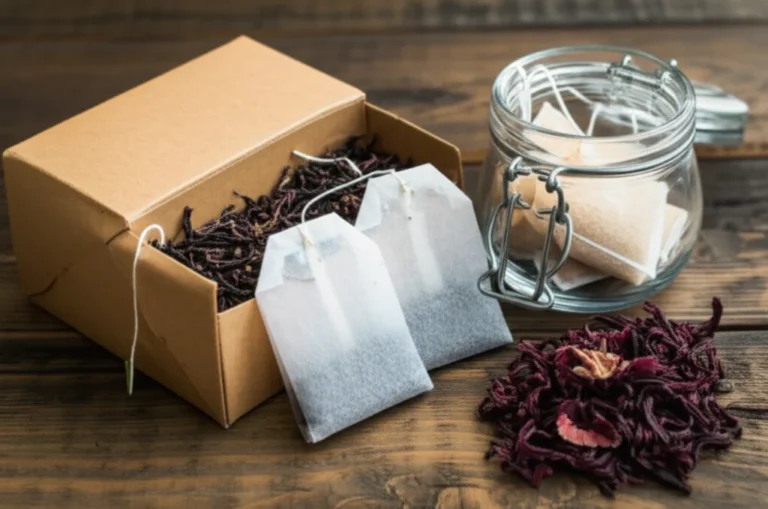
Loose leaf gives you more control over leaf quantity, steeping time, water temperature, and the ability to re-step. Larger leaves may also open more freely in a roomy infuser or teapot. But tea bags are convenient, and good baged tea can still be enjoyable. We are not here to confiscate anyone’s travel mug.
| Feature | Loose leaf tea | Tea bags |
|---|---|---|
| Convenience | Requires a strainer, infuser, or teapot | Usually quick and tidy |
| Brewing control | Easy to adjust leaf amount and infusion | Less flexible, depending on bag size |
| Leaf appearance | You can inspect the leaf before and after steeping | Contents are less visible |
| Resteping | Often practical for suitable whole-leaf teas | Depends on the tea and bag |
| Portability | Needs a container and brewing gear | Easy to pack and brew on the go |
| Quality range | Runs from everyday tea to rare small lots | Also ranges widely in quality |
The most useful question is not “Which format is always superior?” but “Which tea format helps you enjoy the tea you actually want to drink?” The Tea Association of the USA provides industry information, while the National Center for Complementary and Integrative Health explains what evidence does—and does not—say about green tea and health.
🔎 How We Evaluated Artisanal Tea Brands
At Tea Brands™, we assess brands through a taster’s lens: Would we want another cup, and can the maker help us understand why this tea tastes the way it does? We also consider practical details that matter once the kettle is on.
Our tasting and research criteria
- Flavor and balance: Is the tea pleasant, distinctive, and free of distracting stale or harsh notes?
- Origin and product information: Does the brand explain the source, style, ingredients, and relevant harvest details?
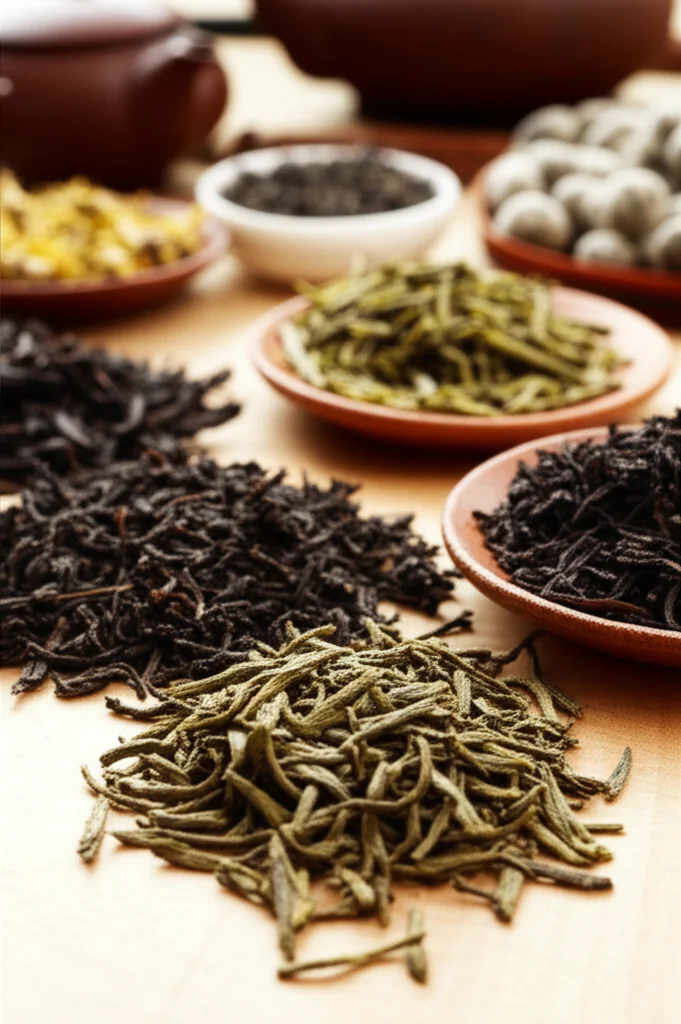
- Leaf and aroma: Does the dry leaf look and smell clean, fresh, and appropriate to its tea type?
- Brewing guidance: Are instructions specific enough to help a customer get a good first cup?
- Range and consistency: Does the brand offer a useful selection, and does its approach feel coherent?
- Sourcing transparency: Are claims about farms, producers, certifications, or sustainability explained clearly?
- Ease of buying: Can shoppers find product details and practical guidance without solving a mystery worthy of a detective novel?
Important: The ratings below are editorial assessments of each brand’s overall fit for conoisseurs, not laboratory scores or a claim that every tea in its catalog tastes the same. Collections change, and availability can vary by region.
🏆 15 Artisanal Loose Leaf Tea Brands for Conoisseurs
Here’s our shortlist of makers and specialist sellers worth exploring. We favor brands that offer a clear point of view, but the right choice depends on whether you crave a delicate Japanese sencha, a plush olong, a powerful breakfast tea, or a fragrant blend.
| Brand | Best known for | Conoisseur appeal | Overall rating |
|---|---|---|---|
| Camellia Sinensis | Single-origin and specialty teas | Broad, educational selection | 9.5/10 |
| Postcard Teas | Rare and carefully sourced teas | Strong origin focus | 9.4/10 |
| Kettl | Japanese tea and matcha | Focused Japanese expertise | 9.3/10 |
| Ippodo Tea | Japanese green tea | Tradition and approachable guidance | 9.2/10 |
| Song Tea & Ceramics | Chinese and Taiwanese teas | Curated teas and teaware | 9.1/10 |
| Té Company | Taiwanese tea | Distinctive olong selection | 9.1/10 |
| Mariage Frères | French tea blending | Historic tea-house style | 8.9/10 |
| Fortnum & Mason | British tea and blends | Classic range and gift appeal | 8.8/10 |
| Harney & Sons | Loose tea and flavored blends | Broad selection | 8.7/10 |
| Rare Tea Company | Specialty tea and sourcing | Distinctive, origin-led range | 8.7/10 |
| What-Cha | International small-lot discoveries | Wide origin exploration | 8.6/10 |
| The Tea Makers of London | Loose tea and blends | Accessible premium range | 8.5/10 |
| Rishi Tea | Organic and specialty tea | Broad tea-type coverage | 8.5/10 |
| Smith Teamaker | Thoughtful blends and classics | Strong blending identity | 8.4/10 |
| BELLŌCQ | Signature blends and single-origin teas | Artful curation | 8.4/10 |
1. Camellia Sinensis: Single-Origin Tea with Provenance
| Aspect | Rating |
|---|---|
| Leaf and tea selection | 10/10 |
| Origin information | 9/10 |
| Range for exploration | 10/10 |
| Brewing guidance | 9/10 |
| Overall conoisseur appeal | 9.5/10 |
Camellia Sinensis is a strong starting point if you like learning as you taste. Its range spans numerous tea styles and origins, making it useful for comparing how region and processing can shape a cup. The trade-off is choice: if you want one obvious “house tea,” a large catalog can feel like standing in front of a library with no call number.
Best for: Curious drinkers ready to explore beyond familiar black tea and Earl Grey.
- ✅ Strong variety for side-by-side tasting
- ✅ Useful for discovering tea origins and styles
- ❌ A broad selection may overwhelm first-time specialty buyers
2. Postcard Teas: Small-Lot Japanese and Chinese Teas
| Aspect | Rating |
|---|---|
| Origin-led selection | 10/10 |
| Distinctive tea range | 9/10 |
| Educational appeal | 9/10 |
| Ease for casual shoppers | 7/10 |
| Overall conoisseur appeal | 9.4/10 |
Postcard Teas is compelling for drinkers who want tea with a sense of place and a maker’s perspective. Its approach suits a slow tasting: choose one tea, read about its origin, then pay attention to the aroma and the way the flavor changes as it cools.
Best for: Experienced drinkers and adventurous beginners who enjoy provenance and unusual selections.
- ✅ A good fit for exploring tea as an agricultural product, not just a flavor
- ✅ Offers a more curated feel than a mass-market assortment
- ❌ Some selections may be less familiar or more variable than everyday blends
3. Kettl: Japanese Tea and Matcha Specialists
| Aspect | Rating |
|---|---|
| Japanese tea focus | 10/10 |
| Matcha expertise | 9/10 |
| Selection clarity | 9/10 |
| Range beyond Japan | 7/10 |
| Overall conoisseur appeal | 9.3/10 |
Kettl specializes in Japanese tea, including matcha and loose-leaf styles. That focus is a benefit: it gives shoppers a clearer route into Japanese tea than a generalist shop’s sprawling catalog. If your priority is Assam, Darjeling, or Taiwanese olong, however, this is not the one-stop shop.
Best for: Japanese tea fans, matcha drinkers, and people exploring sencha, gyokuro, and other Japanese styles.
- ✅ Focused expertise and a clear Japanese tea identity
- ✅ Useful for comparing styles within one tea-growing country
- ❌ Less suitable if you want a wide international tea sampler
4. Ippodo Tea: Centuries of Japanese Tea Craft
| Aspect | Rating |
|---|---|
| Japanese tea heritage | 10/10 |
| Matcha and green tea range | 9/10 |
| Brewing guidance | 9/10 |
| International tea variety | 6/10 |
| Overall conoisseur appeal | 9.2/10 |
Ippodo Tea is a respected choice for Japanese tea, especially matcha and green tea. Its strength is focus rather than breadth. We like it for a drinker who wants to understand how water temperature and preparation affect a green tea’s sweetness, savoriness, and texture.
Best for: Matcha, sencha, and Japanese tea enthusiasts who value a specialist’s guidance.
- ✅ Strong identity in Japanese tea
- ✅ A practical brand to consider when learning traditional preparation
- ❌ Not the place to build a globally varied tea cupboard
5. Song Tea & Ceramics: Refined Chinese and Taiwanese Teas
| Aspect | Rating |
|---|---|
| Curated tea selection | 9/10 |
| Tea and teaware pairing | 10/10 |
| Origin exploration | 9/10 |
| Everyday simplicity | 7/10 |
| Overall conoisseur appeal | 9.1/10 |
Song Tea & Ceramics brings tea and teaware together, a nice reminder that the cup, vessel, and brewing method can all shape the experience. Its curated approach appeals to drinkers who enjoy looking closely at the leaf and brewing with intention.
Best for: Tea enthusiasts interested in Chinese and Taiwanese teas, plus considered teaware.
- ✅ Excellent fit for a mindful brewing setup
- ✅ Curated selection can make discovery feel manageable
- ❌ The more design-conscious presentation may not suit shoppers seeking the simplest everyday refill
6. Té Company: Taiwanese Oolong with Teroir
| Aspect | Rating |
|---|---|
| Taiwanese tea specialization | 10/10 |
| Oolong appeal | 10/10 |
| Blending and curation | 8/10 |
| Broad tea selection | 6/10 |
| Overall conoisseur appeal | 9.1/10 |
Té Company is a standout option for Taiwanese tea, particularly olong. If you have ever wondered why two olongs can smell like orchids, toasted nuts, honey, or warm stone, this kind of focused selection is a delicious place to investigate.
Best for: Oolong lovers and drinkers seeking a focused introduction to Taiwanese tea.
- ✅ Strong regional identity
- ✅ Particularly appealing for comparing aroma and finish in olong
- ❌ Narrower range than an international tea specialist
7. Mariage Frères: French Tea Blending Tradition
| Aspect | Rating |
|---|---|
| Blending identity | 10/10 |
| Tea-house heritage | 9/10 |
| Gift presentation | 9/10 |
| Single-origin focus | 7/10 |
| Overall conoisseur appeal | 8.9/10 |
Mariage Frères is a historic French tea house known for an extensive selection of teas and blends. It is a natural fit if you enjoy aromatic blends and classic tea-house presentation. For a tasting centered strictly on estate, harvest, and cultivar, compare its offerings with a single-origin specialist.
Best for: Blend lovers and gift shoppers who want a recognizable tea-house experience.
- ✅ Broad appeal for flavored and signature teas
- ✅ Strong sense of tea-house tradition
- ❌ Blend descriptions can make it harder to compare leaf origin alone
8. Fortnum & Mason: Classic British Tea Expertise
| Aspect | Rating |
|---|---|
| Classic tea selection | 9/10 |
| Blends and traditional styles | 9/10 |
| Gift appeal | 10/10 |
| Rare-lot focus | 7/10 |
| Overall conoisseur appeal | 8.8/10 |
Fortnum & Mason is a familiar name for British tea culture, classic black teas, and blends. It is a comfortable choice if you want something elegant but not intimidating. Those hunting for highly specific farm-level information should read individual product details carefully.
Best for: Traditional tea drinkers, classic breakfast cups, and gifts.
- ✅ Easy to understand as a gift or everyday tea choice
- ✅ Strong selection of familiar styles
- ❌ Not every product is designed for origin-focused tasting
9. Harney & Sons: Broad Range of Teas and Blends
| Aspect | Rating |
|---|---|
| Range and variety | 10/10 |
| Ease of shopping | 9/10 |
| Blend selection | 9/10 |
| Small-lot provenance | 7/10 |
| Overall conoisseur appeal | 8.7/10 |
Harney & Sons offers an extensive loose-leaf collection, from traditional teas to blends. Its “All Loose Tea” collection is useful for shoppers who want to browse broadly, though the collection page itself is a starting point rather than a complete tasting guide. Check each tea’s product page for ingredients and brewing details.
Best for: Drinkers who want plenty of styles from one established seller.
- ✅ Broad selection makes it easy to compare familiar and flavored teas
- ✅ Useful for replenishing household favorites
- ❌ A large catalog can require more label-reading to find highly specific provenance
10. Rare Tea Company: Ethical Sourcing and Distinctive Lots
| Aspect | Rating |
|---|---|
| Specialty tea character | 9/10 |
| Sourcing story | 9/10 |
| Tea-style exploration | 9/10 |
| Mainstream familiarity | 7/10 |
| Overall conoisseur appeal | 8.7/10 |
Rare Tea Company is worth a look for drinkers drawn to distinctive teas and a sourcing-led point of view. We recommend treating ethical or direct-trade language as an invitation to read more: the strongest claims explain the relationships and practices behind them.
Best for: Curious drinkers who want specialty tea with a visible sourcing story.
- ✅ Good option for exploring less ordinary tea selections
- ✅ Sourcing information can add useful context
- ❌ Product availability and familiarity may vary by tea
11. What-Cha: Global Small-Batch Tea Discoveries
| Aspect | Rating |
|---|---|
| International range | 10/10 |
| Discovery factor | 10/10 |
| Everyday simplicity | 7/10 |
| Consistency across styles | 8/10 |
| Overall conoisseur appeal | 8.6/10 |
What-Cha appeals to explorers who like discovering teas from many regions. It can be a lively way to compare countries and styles, especially if your usual rotation has become a little too predictable.
Best for: Adventurous drinkers who enjoy trying unfamiliar origins.
- ✅ Wide geographic variety
- ✅ Strong choice for tasting flights and tea discovery
- ❌ A global catalog can make direct comparisons more challenging
12. The Tea Makers of London: Origin-Focused British Tea
| Aspect | Rating |
|---|---|
| Loose-tea range | 9/10 |
| Accessibility | 9/10 |
| Familiar styles | 9/10 |
| Deep specialist focus | 7/10 |
| Overall conoisseur appeal | 8.5/10 |
The Tea Makers of London offers a substantial range of loose teas and blends. It can suit drinkers who want a bridge between familiar tea styles and more exploratory shopping.
Best for: Shoppers who want clear options across classic and flavored loose-leaf teas.
- ✅ Good range for building a flexible tea cupboard
- ✅ Familiar profiles make it approachable
- ❌ Check individual product pages if precise origin details are a priority
13. Rishi Tea: Organic and Specialty Offerings
| Aspect | Rating |
|---|---|
| Tea-type variety | 9/10 |
| Organic selection | 9/10 |
| Specialty appeal | 8/10 |
| Single-lot depth | 7/10 |
| Overall conoisseur appeal | 8.5/10 |
Rishi Tea offers organic and specialty teas across several categories. It is a practical brand to consider if you want one seller with both traditional teas and herbal options. As always, check the specific product listing for its certification and ingredients rather than assuming every tea shares the same status.
Best for: Shoppers seeking a broad range that includes organic options and herbal infusions.
- ✅ Covers multiple tea types and blends
- ✅ Useful for shoppers looking for organic choices
- ❌ The range includes different product styles, so provenance varies by item
14. Smith Teamaker: Thoughtful Blends and Premium Classics
| Aspect | Rating |
|---|---|
| Blend craftsmanship | 9/10 |
| Familiarity and usability | 9/10 |
| Single-origin depth | 7/10 |
| Everyday appeal | 9/10 |
| Overall conoisseur appeal | 8.4/10 |
Smith Teamaker has a clear identity in its tea blends and classic styles. It is a good match if you value a carefully composed, repeatable cup more than chasing rare seasonal lots.
Best for: Drinkers who want polished blends and reliable everyday favorites.
- ✅ Approachable option for blend fans
- ✅ Useful for sharing with guests who have different tea preferences
- ❌ Less compelling for shoppers focused exclusively on rare single-origin teas
15. BELLŌCQ: Artful, Small-Batch Blends
| Aspect | Rating |
|---|---|
| Blend range | 9/10 |
| Origin selection | 8/10 |
| Presentation | 10/10 |
| Product-level detail | 7/10 |
| Overall conoisseur appeal | 8.4/10 |
BELLŌCQ’s loose-leaf collection combines signature blends with single-origin teas. The brand describes its teas as coming from collaborations with farmers and tea makers across regions including Japan, China, Nepal, Taiwan, India, and Sri Lanka. That makes it a particularly attractive option for people who want an artful blend or a giftable selection.
Its collection page describes teas for “elevated enjoyment in every cup,” but the summary information available there does not provide numerical product specifications or ratings. We recommend checking the individual tea page for ingredients, origin, and brewing advice before choosing.
Best for: Blend fans, gift shoppers, and drinkers who appreciate careful presentation.
- ✅ Mix of signature blends and single-origin options
- ✅ Broad regional scope
- ❌ Some products may be less suited to strict origin-by-origin comparison
🧭 Best Artisanal Tea Brands by Tea Type and Drinking Style
| If you most enjoy… | Consider starting with… | Why it may fit |
|---|---|---|
| Single-origin black tea | Camellia Sinensis, Postcard Teas | A broad route into origin-led selections |
| Japanese green tea | Ippodo Tea, Kettl | Focused Japanese tea ranges |
| Taiwanese olong | Té Company, Song Tea & Ceramics | Specialist selections with room for aroma exploration |
| Classic blends | Harney & Sons, Mariage Frères | Extensive choices for familiar and aromatic cups |
| Organic and herbal options | Rishi Tea | Broad selection across tea and infusion categories |
| Gift-worthy blends | BELLŌCQ, Fortnum & Mason | Attractive options with recognizable presentation |
Best Single-Origin Black Tea
Start with a specialist that gives useful information about origin and style. Camellia Sinensis and Postcard Teas are good places to explore beyond generic “black tea” descriptions. Look for region, harvest, and tasting notes, then brew according to the seller’s guidance.
Best Green Tea and Japanese Sencha
For Japanese green tea, compare Ippodo Tea and Kettl. A sencha can turn bitter if brewed too hot or too long, so pay attention to instructions and adjust gradually. A cooler, shorter infusion may reveal sweetness and savory notes more clearly.
Best White Tea and Delicate Spring Harvests
White tea is not simply “weak tea.” Leaf style, picking standard, processing, age, and brewing all affect its flavor. Explore seasonal selections from specialist retailers such as Camellia Sinensis and compare the maker’s tasting notes with what you actually smell and taste.
Best Oolong for Aroma and Resteping
For Taiwanese olong, Té Company is a natural starting point. Oolong’s range is broad: lightly oxidized teas can be floral and fresh, while more roasted styles may lean toward nuts, toast, or caramel. Use multiple infusions to follow how the aroma changes.
Best Pu-erh and Aged Tea
Aged tea requires a little more care when choosing. Look for clear information about tea type, region, storage, and age rather than treating “aged” as an automatic quality badge. Specialist sellers such as Camellia Sinensis can help you compare tea styles and read product descriptions critically.
Best Matcha for Traditional Preparation
For Japanese matcha, browse Kettl and Ippodo Tea. Matcha quality is influenced by intended use, freshness, storage, and how it is prepared. A matcha labeled for drinking straight is not necessarily the most practical choice for a latte, and vice versa.
Best Herbal Infusions and Caffeine-Free Blends
Herbal infusions are made from plants other than Camellia sinensis, the tea plant. Rishi Tea offers a range that includes herbal options; for more ideas, explore our Herbal Tea category. Check ingredient lists and caffeine information, especially if avoiding caffeine is essential.
🌱 Tea Origins, Teroir, Harvest Seasons, and Processing
A tea’s flavor is shaped by more than its name. Growing conditions, cultivar, leaf maturity, harvest timing, and processing all contribute. The term teroir is often used to describe how a place and its growing conditions influence a product; with tea, it is a helpful lens, not a shortcut that makes every tea from one region taste identical.
| Factor | How it can influence tea |
|---|---|
| Region and elevation | May affect growth conditions and the tea’s aroma or texture |
| Cultivar | Different tea-plant varieties can yield distinct leaf characteristics |
| Harvest season | Spring, summer, or autumn leaf can differ in flavor and structure |
| Oxidation | Helps define whether a tea presents as green, olong, or black in style |
| Firing or roasting | Can add warmth, toast, or deeper aromatic notes |
| Steaming or pan-firing | Different techniques can create different green-tea profiles |
| Storage and aging | Can affect flavor over time, especially for teas intentionally aged |
The Food and Agriculture Organization of the United Nations provides information on tea as a global agricultural commodity. For the cup in front of you, though, your best tool is still a careful tasting: smell the dry leaf, observe the wet leaf, and take notes after each infusion.
🛒 How to Choose a Premium Loose Leaf Tea Brand
Single-Origin Tea vs. Blended Tea
| Style | What it offers | Choose it if… |
|---|---|---|
| Single-origin | A taste of a stated region, garden, or producer | You want to explore provenance and seasonal variation |
| Blend | A composed flavor profile using teas and sometimes other ingredients | You want a familiar, balanced, or flavored cup |
| Flavored tea | Tea with added flavoring or aromatic ingredients | You enjoy a specific scent or taste profile |
| Herbal infusion | An infusion of herbs, flowers, spices, or fruit | You want something outside traditional tea-leaf styles |
Neither single-origin tea nor blending is inherently superior. A well-made blend can beautifully balanced; a single-origin tea can be fascinating but less immediately familiar. The deciding factor is what you want from the cup.
Organic, Direct Trade, and Ethical Sourcing
These terms should prompt questions rather than end them. For organic tea, look for applicable certification details. For direct trade or ethical sourcing, see whether the company explains who it works with and what the relationship involves.
- ✅ Useful: Clear named standards, certifications, sourcing details, and producer information
- ❌ Less useful: Broad claims with no explanation or product-level context
For health questions, avoid treating organic or artisanal labels as proof of a medical benefit. Our Health Benefits of Tea category offers more tea-related reading, and the NCCIH green tea overview is a reliable source for evidence and cautions.
Whole Leaf Grades, Freshness, and Packaging
Whole leaf can be visually appealing and may suit slower infusion, but leaf size alone cannot predict flavor quality. Check for clean aroma, intact and appropriate-looking leaf, a clear product description, and packaging that protects the tea.
When shopping, ask:
- Is the tea type clearly named?
- Is the source described specifically?
- Are ingredients and flavorings disclosed?
- Does the product page give brewing guidance?
- Is the tea packaged to limit exposure to air, light, and moisture?
How to Read Tea Labels and Product Descriptions
Look for the basics first: tea type, origin, ingredients, harvest or lot information when available, and brewing recommendations. Tasting notes such as “floral,” “malty,” or “stone fruit” are useful as clues, not promises. Your water, equipment, and palate can shift the result.
A good product description teaches you how to approach a tea. A great one also tells you why the tea is different. That distinction helps separate useful expertise from decorative adjectives.
🫖 How to Brew Loose Leaf Tea for the Best Flavor
We once brewed a delicate green tea with water that had just finished boiling. The result was sharp enough to make the kettle seem personally offended. The fix was simple: cooler water, a shorter infusion, and a second tasting. Here’s a practical method you can adapt.
Tea-to-Water Ratios, Temperature, and Steping Time
Always begin with the tea maker’s instructions when available. The table below gives starting ranges, not rigid laws.
| Tea style | Starting water temperature | Starting steep time | Adjust if… |
|---|---|---|---|
| Delicate green tea | 70–80°C / 158–176°F | 1–3 minutes | It tastes harsh: cool the water or shorten the steep |
| Japanese sencha | Often 60–80°C / 140–176°F | About 1 minute | It tastes too mild: try slightly hotter water or more leaf |
| White tea | 75–85°C / 167–185°F | 2–5 minutes | It tastes thin: add leaf before extending steep time |
| Oolong | 85–95°C / 185–203°F | 1–4 minutes | It tastes flat: use hotter water or try a shorter, concentrated infusion |
| Black tea | 90–100°C / 194–212°F | 3–5 minutes | It tastes bitter: shorten the steep or reduce leaf |
| Herbal infusion | Follow the ingredient’s directions | Often 5–10 minutes | Check the maker’s guidance and ingredient list |
A simple starting ratio for many loose teas is roughly one teaspoon per cup, but leaf size and density vary. Weighing the leaf gives more repeatable results. If you do not have a scale, use the package directions and adjust by taste.
Western Brewing, Gongfu Cha, and Grandfather-Style Brewing
- Western-style brewing: More water and a longer infusion; convenient for a mug or teapot.
- Gongfu cha: A smaller brewing vessel, more leaf, and a sequence of shorter infusions; useful for following a tea’s changing aroma and flavor.
- Grandfather-style brewing: Leaves remain in a glass or mug, with water added as needed; practical for some teas but can become strong if the leaves sit too long.
There is no prize for using the most elaborate setup. Pick the method that makes you want to brew again.
Teapots, Gaiwans, Infusers, and Other Brewing Gear
| Gear | Best for | Tip |
|---|---|---|
| Basket infuser | Mug brewing | Choose one roomy enough for leaves to expand |
| Teapot | Sharing or brewing larger servings | A built-in strainer is convenient but not essential |
| Gaiwan | Short, repeated infusions | Practice pouring over a tray or sink at first |
| Fine mesh strainer | Loose-leaf tea without a basket | Pour carefully to catch smaller particles |
| Digital thermometer | Temperature-sensitive tea | Helpful, but not required |
| Kitchen scale | Repeatable brewing | Especially useful when comparing teas |
How to Brew Loose Leaf Tea Without an Infuser
- Measure the tea into a mug or small pot.
- Add water at the temperature recommended for the tea.
- Step for the suggested time.
- Pour slowly into a second mug, using a small kitchen strainer if available.
- If you have no strainer, let the leaves settle and sip carefully from the surface, topping up with hot water as you go.
This “grandfather-style” approach is especially convenient with larger-leaf teas. It is less tidy with fine particles or teas that become over-extracted when left in the mug.
How to Adjust a Cup That Tastes Bitter or Weak
- Bitter or astringent: Try cooler water, a shorter steep, or slightly less leaf.
- Weak or watery: Add more leaf before extending steep time.
- Flat aroma: Check freshness, water quality, and whether the tea has absorbed nearby odors.
- Too intense: Dilute with hot water, then adjust the next brew.
- Unbalanced flavored blend: Try a shorter steep first; added ingredients may extract at different rates.
Change one variable at a time. It is the tea equivalent of good kitchen science—and much more drinkable.
♻️ Resteping Tea Leaves: Which Teas Can Be Infused Again?
Many whole-leaf teas can be infused more than once, though results depend on the leaf and brewing style. Oolongs and some green teas often reveal different aromas over several short infusions; black teas vary, with some holding up better than others. Herbal blends are also variable, particularly when they contain large pieces of fruit, roots, or spices.
| Tea type | Restep potential | What to expect |
|---|---|---|
| Oolong | Often excellent | Aroma and texture may shift across infusions |
| Whole-leaf green | Often good | Later infusions may taste gentler |
| White tea | Often good | Can remain delicate across several brews |
| Black tea | Variable | Depends on leaf, amount, and steeping method |
| Pu-erh | Often suited to multiple infusions | Use the seller’s brewing guidance |
| Herbal blends | Variable | Ingredients extract at different rates |
A simple resteping routine
- Finish pouring the first infusion rather than leaving leaves submerged.
- Keep the leaves damp but not sitting in standing water if brewing again soon.
- Add hot water for the next infusion.
- Taste before increasing steep time; some leaves open quickly, while others need longer.
- Discard leaves if their aroma or condition seems off. Do not leave wet leaves at room temperature for an extended period.
The best test is the cup, not a fixed number of infusions. If the flavor has faded, the leaves have told you their story.
📦 How to Store Loose Leaf Tea and Keep It Fresh
Tea absorbs moisture and strong odors easily, and exposure to heat, air, and light can dull its aroma. Store it in a clean, airtight container in a cool, dry, dark place, away from spices, coffee, and the stove.
- ✅ Keep tea sealed between uses.
- ✅ Use a clean, dry spoon.
- ✅ Store different teas separately if they are strongly scented.
- ❌ Do not store tea beside spices, cleaning products, or coffee.
- ❌ Avoid humid areas and direct sunlight.
- ❌ Do not assume refrigeration improves ordinary loose-leaf tea; condensation can be a problem.
For delicate or especially aromatic teas, buy an amount you can use while the tea remains enjoyable. The exact shelf life varies by tea type, packaging, and storage conditions, so follow the producer’s guidance and trust your nose.
💸 Are Premium Artisanal Teas Worth the Investment?
They can be—if the difference matters to your palate and the tea’s quality is supported by its details. A premium tea may offer a more distinctive origin, careful processing, better freshness, or a richer experience across multiple infusions. But the label alone is not a reason to buy.
When a specialty tea is a good fit
- You enjoy comparing origin, harvest, and processing.
- You want to explore a specific style, such as Japanese sencha or Taiwanese olong.
- You value detailed product information and brewing advice.
- You are happy to brew with a little more care.
When an everyday tea may be the smarter pick
- You want a fast, familiar cup.
- You mostly add milk, sugar, or other ingredients.
- You need consistent availability and simple preparation.
- You are still learning what tea styles you like.
A practical strategy: keep one dependable everyday tea, then buy small amounts of unfamiliar teas for tasting. You can explore specialty tea without turning your pantry into a museum of unopened tins.
🌍 Sustainability, Packaging, and Responsible Tea Buying
Sustainability claims are easiest to evaluate when brands provide specifics. Look for named certifications where applicable, information about sourcing relationships, and details about packaging materials and disposal. “Eco-friendly” is too broad to tell you much by itself.
| What to check | Useful question |
|---|---|
| Farming claims | Is there a named certification or clear explanation? |
| Producer relationships | Does the brand explain who grows or makes the tea? |
| Packaging | Can you identify the material and local disposal options? |
| Shipping | Does the seller describe practical ways it limits waste? |
| Product claims | Are they specific to this tea, or generalized across the whole brand? |
No single badge answers every question. A thoughtful shopper can reward transparency while staying alert to vague promises.
🚫 Common Mistakes When Buying and Brewing Specialty Tea
- Assuming “artisanal” means rare or automatically delicious: Taste and transparency still matter.
- Judging quality only by leaf appearance: Aroma, freshness, brewing, and flavor all count.
- Using boiling water for every tea: Some delicate leaves taste better with cooler water.
- Steping longer to make a weak tea stronger: More leaf is often a better first adjustment.
- Buying a large quantity before tasting: Start with a smaller amount when available.
- Ignoring storage: A fine tea can lose character if exposed to heat, moisture, light, or odor.
- Treating tasting notes as a checklist: Notes are guides; your palate may find something else.
- Believing “healthy” means risk-free: Tea can contain caffeine, and supplements or concentrated extracts are different from an ordinary brewed cup. Consult a qualified professional for personal health advice.
❓ Frequently Asked Questions About Artisanal Loose Leaf Tea
What are the best artisanal loose leaf tea brands for conoisseurs?
Our top recommendations depend on the style you want. Camellia Sinensis and Postcard Teas are strong for origin-focused exploration; Kettl and Ippodo Tea suit Japanese tea drinkers; Té Company is especially compelling for Taiwanese olong; and BELLŌCQ is worth exploring for signature blends and gift-worthy presentation.
Start with one tea type rather than buying a large mixed collection. A focused tasting makes it easier to notice differences in aroma, body, and finish.
Which small-batch tea brands offer the highest-quality loose leaf blends?
Quality depends on the individual tea, not only the brand’s size or batch language. For carefully curated choices, explore BELLŌCQ, Mariage Frères, Smith Teamaker, and Harney & Sons. Compare the ingredient list, tea base, flavoring details, and brewing instructions before choosing.
How can you tell if loose leaf tea is truly artisanal?
Look for specific sourcing, transparent ingredients, relevant harvest or processing details, freshness-conscious packaging, and brewing guidance. “Small batch” and “handcrafted” are useful only when the brand explains what they mean. A clear, verifiable product story matters more than romantic wording.
Where can you buy premium loose leaf tea from independent tea makers?
Buy directly from a specialist’s official site when possible, or use an established tea retailer that provides product-level information. Options include Postcard Teas, Té Company, Song Tea & Ceramics, Kettl, and Camellia Sinensis. Check shipping, packaging, ingredients, and brewing details before ordering.
Does artisanal loose leaf tea contain caffeine?
Tea made from Camellia sinensis—including black, green, white, olong, and pu-erh—naturally contains caffeine. Herbal infusions may be caffeine-free, but blends can include tea leaves or caffeinated ingredients. Read the product’s ingredient list and the seller’s caffeine guidance, especially if you are sensitive to caffeine.
Is loose leaf tea suitable for beginners?
Absolutely. Choose a forgiving, familiar style and follow the maker’s instructions. A classic black tea or a fragrant blend can be an easy first step; if you want Japanese green tea, begin with a brand that gives clear temperature guidance. You do not need a ceremonial whisk, a brass kettle, or a robe embroidered with “tea person.”
How should you compare two artisanal teas fairly?
Use the same water, vessel, leaf-to-water ratio, and steep time where appropriate. Taste the dry leaf aroma, first infusion, and cooled cup. Keep a few notes—sweetness, bitterness, aroma, body, and finish—then compare with the maker’s description. For teas that require different temperatures or methods, follow each tea’s instructions rather than forcing an identical brew.
Can specialty tea make a good gift for a tea drinker?
Yes, especially when you know what the recipient enjoys. Choose a sampler for an adventurous drinker, a classic blend for someone who likes familiar cups, or Japanese tea from Ippodo or Kettl for a matcha enthusiast. For a gift, attractive packaging is a bonus; clear ingredients and brewing advice are even better.
🔗 Recommended Links for Tea Lovers
- Explore single-origin and specialty teas: Camellia Sinensis Official Website | Camellia Sinensis on Amazon
- 👉 Shop Japanese tea and matcha: Kettl Official Website | Kettl on Amazon
- Browse Japanese tea: Ippodo Tea Official Website | Ippodo Tea on Amazon
- Explore Taiwanese olong: Té Company Official Website | Té Company on Amazon
- 👉 Shop Chinese and Taiwanese teas: Song Tea & Ceramics Official Website | Song Tea & Ceramics on Amazon
- Browse loose tea and blends: Harney & Sons Official Website | Harney & Sons on Amazon
- Explore signature blends: BELLŌCQ Official Website | BELLŌCQ on Amazon
- Read more about tea brands: Tea Brand Spotlights | Tea Brand Guides
- Learn about tea and wellness: Health Benefits of Tea | Herbal Tea
For a broader video overview, the first YouTube video, “10 Best Loose Leaf Tea Brands Find Your Perfect Infusion,” by CherryPicks.Reviews offers a quick introduction to brand discovery. Treat any roundup as a starting point, then check the tea maker’s current product details and brewing advice.
📚 Reference Links and Reliable Tea Resources
- Camellia Sinensis — Specialty tea retailer and tea education.
- Postcard Teas — Origin-focused tea selection and brand information.
- Kettl — Japanese tea and matcha specialist.
- Ippodo Tea — Japanese tea company and preparation guidance.
- Song Tea & Ceramics — Tea and teaware collections.
- Té Company — Taiwanese tea selection.
- BELLŌCQ loose-leaf collection — Signature blends and single-origin teas.
- Harney & Sons: Loose Leaf Tea—Single-Origin & Blends — Broad loose-tea collection.
- National Center for Complementary and Integrative Health: Green Tea — Evidence and safety information about green tea.
- Food and Agriculture Organization: Tea — Global tea commodity information.
- UK Tea & Infusions Association — Tea and infusion information.
- Tea Association of the USA — U.S. tea industry resources.