Support our educational content for free when you purchase through links on our site. Learn more
🍵 15 Affordable Quality Tea Brands That Deliver

Affordable quality tea brands do exist—and our top everyday picks include Twings, Bigelow, Stash, Yorkshire Tea, and Ahmad Tea. The best choice depends on what you drink: a bold breakfast blend, fragrant Earl Grey, gentle green tea, or a caffeine-free herbal cup.
At Tea Brands™, we judge value by the cup, not the tin: flavor, consistency, freshness, and servings all count. One of our tasters still remembers how Yorkshire Tea turned a rainy walk and a chipped mug into a deeply satisfying tea break. No fancy gear required—just the right tea, brewed well.
Key Takeaways
- Best all-around variety: Twings and Stash offer plenty of familiar and flavored blends.
- Best bold breakfast tea: Yorkshire Tea is a strong choice, especially with milk.
- Best convenient tea bags: Bigelow’s individually wrapped bags are handy at home or on the go.
- Best herbal options: Explore Celestial Seasonings and Traditional Medicinals for caffeine-free infusions.
- Best way to judge value: Compare servings and flavor, then brew at the right temperature and steep time.
- Best shopping strategy: Try a small pack or sampler before committing to a large box.
👉 Shop affordable tea brands:
- Twings tea on Amazon | Twings Official Website
- Bigelow tea on Amazon | Bigelow Official Website
- Stash Tea on Amazon | Stash Tea Official Website
- Yorkshire Tea on Amazon | Yorkshire Tea Official Website
- Ahmad Tea on Amazon | Ahmad Tea Official Website
Table of Contents
- ⚡️ Quick Tips and Facts
- 🍵 What Makes a Tea Brand Affordable and High-Quality?
- Price per cup, not just price per box
- Tea bags, loose-leaf tea, and packaging
- Organic, fair-trade, and sustainability claims
- 📜 A Brief History of Everyday Tea Brands
- 🏆 15 Affordable Quality Tea Brands Worth Trying
- 1. Yorkshire Tea
- 2. Twings
- 3. Bigelow
- 4. Stash Tea
- 5. Harney & Sons
- 6. Numi Organic Tea
- 7. Traditional Medicinals
- 8. Celestial Seasonings
- 9. Tazo
- 10. Ahmad Tea
- 11. Taylors of Harogate
- 12. Republic of Tea
- 13. Tetley
- 14. Luzianne
- 15. Ito En
- 🫖 Best Affordable Tea Brands by Type
- Best black tea for breakfast and everyday drinking
- Best green tea and matcha
- Best herbal, caffeine-free, and wellness teas
- Best chai, Earl Grey, and flavored blends
- Best iced tea and cold-brew tea
- 🔎 How to Choose Tea That Tastes Better Than Its Price
- Read the ingredient list and tea origin
- Check freshness, harvest, and packaging
- Choose the right tea for your brewing style
- 💰 How to Get More Value from Every Box
- Compare cost per serving and bulk options
- Store tea to protect flavor and freshness
- Reuse tea leaves without brewing a weak cup
- 🌡️ Brewing Tips for Better-Tasting Budget Tea
- Water temperature and steeping time by tea type
- Fix bitter, weak, or flat-tasting tea
- Improve your cup with milk, lemon, or sweetener
- ✅ Affordable Tea Brand Comparison: Flavor, Selection, and Best Uses
- 🌿 Organic, Ethical, and Sustainable Affordable Tea
- 🛒 Where to Buy Quality Tea for Less
- Grocery stores, online shops, and tea subscriptions
- Seasonal sales, multipacks, and sampler boxes
- ⚠️ Common Mistakes When Buying Cheap Tea
- 🔗 Recommended Links
- ❓ FAQ
- What is the best affordable tea brand?
- Which tea brands offer the best quality for the money?
- Is loose-leaf tea cheaper than tea bags?
- What is the healthiest affordable tea to drink every day?
- How long does tea stay fresh after opening?
- Are inexpensive tea bags lower quality?
- 🎯 Conclusion
- 📚 Reference Links
Table of Contents
- ⚡️ Quick Tips and Facts
- 🍵 What Makes a Tea Brand Affordable and High-Quality?
- Price per cup, not just price per box
- Tea bags, loose-leaf tea, and packaging
- Organic, fair-trade, and sustainability claims
- 📜 A Brief History of Everyday Tea Brands
- 🏆 15 Affordable Quality Tea Brands Worth Trying
- 1. Yorkshire Tea
- 2. Twings
- 3. Bigelow
- 4. Stash Tea
- 5. Harney & Sons
- 6. Numi Organic Tea
- 7. Traditional Medicinals
- 8. Celestial Seasonings
- 9. Tazo
- 10. Ahmad Tea
- 11. Taylors of Harogate
- 12. The Republic of Tea
- 13. Tetley
- 14. Luzianne
- 15. Ito En
- 🫖 Best Affordable Tea Brands by Type
- Best black tea for breakfast and everyday drinking
- Best green tea and matcha
- Best herbal, caffeine-free, and wellness teas
- Best chai, Earl Grey, and flavored blends
- Best iced tea and cold-brew tea
- 🔎 How to Choose Tea That Tastes Better Than Its Price
- Read the ingredient list and tea origin
- Check freshness, harvest, and packaging
- Choose the right tea for your brewing style
- 💰 How to Get More Value from Every Box
- Compare cost per serving and bulk options
- Store tea to protect flavor and freshness
- Reuse tea leaves without brewing a weak cup
- 🌡️ Brewing Tips for Better-Tasting Budget Tea
- Water temperature and steeping time by tea type
- Fix bitter, weak, or flat-tasting tea
- Improve your cup with milk, lemon, or sweetener
- ✅ Affordable Tea Brand Comparison: Flavor, Selection, and Best Uses
- 🌿 Organic, Ethical, and Sustainable Affordable Tea
- 🛒 Where to Buy Quality Tea for Less
- Grocery stores, online shops, and tea subscriptions
- Seasonal sales, multipacks, and sampler boxes
- ⚠️ Common Mistakes When Buying Cheap Tea
- 🔗 Recommended Links
- ❓ FAQ
- Where can I buy affordable quality tea online?
- Which affordable tea brands offer organic and natural options?
- How can I find high-quality tea without spending a lot?
- What are the best affordable tea brands for everyday drinking?
- Which budget-friendly tea brands use natural, ethically sourced ingredients?
- What are the best inexpensive loose-leaf tea brands for everyday drinking?
- How do I make inexpensive tea taste better?
- 🎯 Conclusion
- 📚 Reference Links
⚡️ Quick Tips and Facts
If you’re comparing affordable tea brands, start with our guide to which tea brand is best? We taste for flavor, consistency, ingredient quality, convenience, and value per cup, not fancy tins or impressive-sounding adjectives.
| Quick question | Our tea-taster answer |
|---|---|
| Best all-around grocery-store choices | Twings, Bigelow, Stash, Ahmad Tea, and Yorkshire Tea |
| Best easy-to-find herbal selection | Celestial Seasonings, Traditional Medicinals, and Tazo |
| Best green tea for a simple daily cup | Ito En, Bigelow, and Twings |
| Best affordable loose-leaf starting point | Harney & Sons, Stash, and The Republic of Tea |
| Biggest flavor upgrade for little effort | Use fresh water, the right temperature, and a timer |
| What matters more than a low shelf price? | How many satisfying cups you get, and whether you enjoy drinking them |
Our main takeaway: inexpensive tea can be genuinely good. The trick is matching the tea to your taste and brewing it properly. A strong breakfast blend may be a bargain for a milk-and-sugar drinker but too brisk for someone who wants delicate, lightly steeped tea.
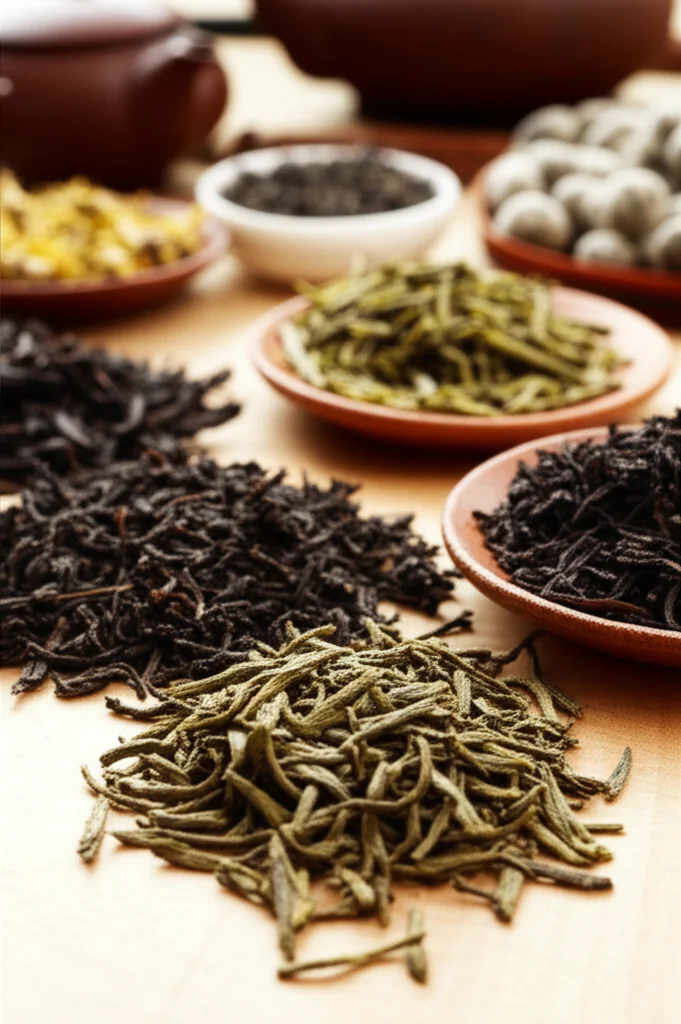
Tea also comes in distinct categories, each with its own flavor and brewing needs. The first video recommends exploring black, green, olong, white, pu-erh, and herbal teas, and highlights accessible brands such as Twings and Numi Organic. One useful correction: oolong isn’t simply “a mix of black and green tea.” It’s its own partially oxidized tea category, with flavor ranging from floral and light to roasted and robust. The Tea Association of the USA offers a helpful overview of tea types.
🍵 What Makes a Tea Brand Affordable and High-Quality?
At Tea Brands™, our tasters use “affordable quality” to mean a good, dependable cup at a reasonable cost per serving. That can be a familiar supermarket tea bag, a box of well-made herbal infusions, or loose-leaf tea that stretches across multiple steps.
Our broader Tea Brand Guides cover how to compare brands. For this list, we consider three perspectives:
- The everyday drinker: Is it easy to find, brew, and enjoy regularly?
- The flavor-focused drinker: Does the tea have a clear, balanced taste rather than a dusty or flat one?
- The value-conscious shopper: Is the serving size honest, and does the tea stay fresh long enough to finish?
A premium label does not guarantee a better cup, and a plain-looking carton doesn’t automatically mean poor tea. The leaf, blend, freshness, preparation, and your own preferences all matter.
Price per cup, not just price per box
Box size can mislead. Compare servings per package, whether each bag is individually wrapped, and how much loose leaf you use per pot. For a fair comparison, divide the package cost by the number of servings; we’re leaving specific prices out because they vary by store, location, and time.
Also ask what “one serving” means. A sachet meant for a large mug may make a satisfying cup, while a small tea bag can taste thin if you over-dilute it. For loose leaf, follow the package’s recommended amount before deciding the tea is expensive.
Tea bags, loose-leaf tea, and packaging
Tea bags win on convenience and predictable portions. Loose-leaf tea gives you more control over leaf quantity and often suits people who enjoy experimenting with steep times. Neither format is automatically better: a fresh, well-blended tea bag can beat stale loose leaf, and quality loose leaf can reward careful brewing.
Packaging matters because light, oxygen, heat, and moisture can dull tea’s aroma. Look for a well-sealed container, and transfer opened tea to an airtight tin or jar if the original packaging isn’t resealable. The USDA’s food-storage guidance explains why keeping foods dry and protected helps preserve quality.
Organic, fair-trade, and sustainability claims
Organic certification, fair-trade programs, and sustainability commitments address different things. Organic certification concerns how agricultural products are grown and handled, while fair-trade standards focus on aspects of trade and producer conditions. Neither term by itself guarantees that you’ll love the flavor.
Check the actual certification or sourcing policy rather than relying on a leaf graphic on the box. The USDA National Organic Program explains organic certification in the United States. For more on tea’s wellness claims, see our Health Benefits of Tea category; herbal teas and true tea are not interchangeable, and health claims should be assessed carefully.
📜 A Brief History of Everyday Tea Brands

Tea began as a beverage with deep roots in Asian history and culture, then spread through global trade into a daily drink in homes around the world. The familiar tea bag, packaged blends, and supermarket assortments made tea simpler to store, portion, and brew.
Today’s affordable brands serve different traditions and habits. British-style breakfast blends are often brisk enough for milk; American grocery shelves feature black tea, iced tea, green tea, and herbal infusions; Japanese brands such as Ito En bring a strong focus on green tea. These are broad patterns, not rules—your best cup is the one that suits your palate.
We’ve tasted teas in both grand and everyday settings. One of our tasters still remembers a pot of Yorkshire Tea served in a chipped kitchen mug after a long rainy walk. No special teaware, no tasting-room ceremony—just a bold, malty cup that hit the spot. That’s the point of a good everyday tea: it earns a place in your cupboard by tasting good, not by demanding applause.
🏆 15 Affordable Quality Tea Brands Worth Trying
This is a practical shortlist, not a claim that one brand wins every category. Selection and availability vary by country and retailer, so check the brand’s own product pages for current blends. Explore more tasting perspectives in our Tea Brand Spotlights.
| Brand | Standout strength | Good first pick | Watch-out |
|---|---|---|---|
| Yorkshire Tea | Full-bodied breakfast tea | Yorkshire Red | Stronger, brisk profile |
| Twings | Broad, accessible range | English Breakfast or Earl Grey | Blend intensity varies |
| Bigelow | Individually wrapped tea bags | Constant Comment | Some blends are flavored |
| Stash Tea | Wide flavor and tea-type selection | Double Bergamot Earl Grey | Availability varies |
| Harney & Sons | Refined blends and loose leaf | Hot Cinnamon Spice | Some selections are more specialty-oriented |
| Numi Organic Tea | Organic-focused selection | Moroccan Mint | Often more costly per serving than basic grocery tea |
| Traditional Medicinals | Herbal expertise | Organic Pepermint | Herbal infusions aren’t traditional tea |
| Celestial Seasonings | Familiar herbal and flavored blends | Bengal Spice | Flavor may be sweet or strongly aromatic |
| Tazo | Bold flavored blends | Awake or Zen | Not every blend is subtle |
| Ahmad Tea | Strong value and classic blends | English Tea No. 1 | Availability differs by market |
| Taylors of Harogate | Classic blends and specialty choices | Yorkshire Gold or Earl Grey | Not all products are equally budget-oriented |
| The Republic of Tea | Large variety and specialty blends | Ginger Peach | Canister format may not suit everyone |
| Tetley | Everyday black tea | Original Black Tea | Primarily a practical, familiar profile |
| Luzianne | Southern-style iced tea | Iced Tea bags | More specialized for iced tea |
| Ito En | Japanese green tea | Sencha or matcha products | Green tea can turn bitter if oversteped |
1. Yorkshire Tea
Yorkshire Tea is a strong pick if you like brisk, hearty black tea, particularly with milk. Yorkshire Red is the familiar everyday blend; Yorkshire Gold offers a richer, more layered profile.
- Best for: breakfast, large mugs, and drinkers who want a bold cup.
- Strength: assertive flavor that holds up well to milk.
- Trade-off: can feel too strong if you prefer delicate tea or steep it for a long time.
2. Twings
Twings is widely recognized for classic tea bags and a broad choice of black, green, herbal, and flavored teas. Earl Grey and English Breakfast are sensible starting points, while its range makes it easy to find a second box for a different mood.
- Best for: accessible everyday tea and variety.
- Strength: dependable availability and familiar blends.
- Trade-off: the brand is large, so blends vary; check the ingredients and flavor description rather than assuming every tea tastes alike.
3. Bigelow
Bigelow Tea is known for individually wrapped tea bags and a wide selection, from black tea to herbal blends. Constant Comment, a black tea flavored with orange peel and spices, is one of its signature options.
- Best for: office drawers, travel, and keeping tea fresh between uses.
- Strength: convenient packaging and plenty of familiar flavors.
- Trade-off: individually wrapped bags create more packaging than loose tea.
4. Stash Tea
Stash Tea offers classic teas alongside inventive flavored blends, including several Earl Grey variations. Its breadth can be useful if you want to try different styles without graduating immediately to specialty-shop prices.
- Best for: adventurous tea-bag drinkers.
- Strength: broad selection and distinctive flavored blends.
- Trade-off: strong flavorings may dominate the tea if you prefer a more traditional, leaf-forward cup.
5. Harney & Sons
Harney & Sons occupies a useful middle ground between everyday tea and specialty blends. Its range includes sachets, loose tea, black tea, green tea, and flavored options such as Hot Cinnamon Spice.
- Best for: upgrading a daily ritual or trying more distinctive blends.
- Strength: variety, attractive presentation, and well-known signature teas.
- Trade-off: not every product will be the most economical option in a supermarket comparison.
6. Numi Organic Tea
Numi Organic Tea emphasizes organic tea and botanical ingredients. Moroccan Mint and several of its black and green teas are popular entry points for drinkers who want clear flavors and organic options.
- Best for: shoppers prioritizing organic-certified choices.
- Strength: useful range of true teas and herbal blends.
- Trade-off: compare serving counts and packaging when judging value; “organic” alone doesn’t tell you how strong or flavorful the cup will be.
7. Traditional Medicinals
Traditional Medicinals specializes in herbal teas and botanical blends, including peppermint, ginger, and other traditional herbal ingredients. It is a brand to consider when you’re looking for a caffeine-free infusion, not a black or green tea substitute.
- Best for: herbal tea drinkers and nighttime cups.
- Strength: clear focus on herbs and botanicals.
- Trade-off: herbal products can have different considerations from ordinary tea. Read the label and consult a healthcare professional if you have medication, pregnancy, or health-related questions.
8. Celestial Seasonings
Celestial Seasonings is known for approachable herbal and flavored blends, including Sleepytime and Bengal Spice. Its range is especially handy for households where not everyone wants caffeine.
- Best for: herbal variety and familiar supermarket options.
- Strength: recognizable flavors, including caffeine-free choices.
- Trade-off: some blends are sweetly aromatic or strongly spiced, which may not suit people seeking a plain tea taste.
9. Tazo
Tazo is a good fit for bold, contemporary blends. Awake, Zen, and its chai options offer strong flavor profiles that can work well hot or iced, depending on the blend.
- Best for: punchier flavored teas and quick tea-bag brewing.
- Strength: noticeable flavor and easy-to-find options.
- Trade-off: flavor intensity is part of the appeal, but it may overwhelm people who prefer a quiet, traditional cup.
10. Ahmad Tea
Ahmad Tea offers English-style black teas and flavored blends, including Earl Grey and English Breakfast. It’s worth considering when you want a classic tea cupboard staple with a range of strengths and formats.
- Best for: classic black tea and Earl Grey.
- Strength: broad range of familiar blends.
- Trade-off: product selection and availability vary by country, so compare the specific blend rather than judging by brand alone.
11. Taylors of Harogate
Taylors of Harogate is the maker of Yorkshire Tea and also sells a range of specialty teas, including black, green, and herbal options. Yorkshire Gold is a natural choice for drinkers who want a richer breakfast cup.
- Best for: traditional British blends and more polished everyday tea.
- Strength: recognizable classic profiles and a useful range.
- Trade-off: some specialty offerings may not be as economical as standard tea bags.
12. The Republic of Tea
The Republic of Tea sells a large variety of teas in tins and other formats, from everyday black and green teas to flavored and herbal blends. Ginger Peach is a popular option for people who like fruit-forward tea.
- Best for: sampler-minded drinkers who enjoy variety.
- Strength: extensive selection across tea types and flavors.
- Trade-off: tins are convenient, but check serving counts and packaging if cost per cup is your priority.
13. Tetley
Tetley is a familiar choice for everyday black tea. It suits drinkers looking for a straightforward brew that works in a regular mug and doesn’t need a lengthy tasting-note explanation.
- Best for: routine cups and simple black tea.
- Strength: familiar, practical, and widely distributed in many markets.
- Trade-off: less focused on specialty or single-origin experiences than some smaller tea brands.
14. Luzianne
Luzianne is especially associated with Southern-style iced tea. If hot tea is your winter habit and a pitcher of iced tea is your summer essential, this brand deserves a look.
- Best for: batch-brewed iced tea.
- Strength: designed with iced-tea preparation in mind.
- Trade-off: its core strength is more specialized than a broad loose-leaf or specialty range.
15. Ito En
Ito En is a major Japanese tea company known for green tea, including sencha and matcha products. Its teas are a useful starting point if you want to explore Japanese green tea without assuming every green tea tastes grassy or bitter.
- Best for: Japanese-style green tea and matcha exploration.
- Strength: strong focus on green tea traditions and formats.
- Trade-off: green tea rewards careful water temperature and timing; boiling water can make a delicate cup taste harsh.
🫖 Best Affordable Tea Brands by Type
The “best” brand changes with the kind of tea you actually drink. Our tasters recommend choosing by cup style first, then comparing brands.
Best black tea for breakfast and everyday drinking
For a bold breakfast cup, try Yorkshire Tea, Twings English Breakfast, Ahmad Tea, Tetley, or Bigelow. Yorkshire Tea and Twings English Breakfast suit drinkers who add milk; Bigelow and Ahmad offer convenient choices across familiar black tea styles.
If you prefer black tea without milk, start with a shorter steep and taste before adding time. That small change can keep a robust tea flavorful without turning it harsh.
Best green tea and matcha
For a simple green tea, look at Ito En, Twings, Bigelow, or Numi Organic Tea. For matcha, Jade Leaf Matcha is another brand worth exploring, though matcha preparation and serving size differ from brewing a tea bag.
Green tea is not a single flavor profile. Japanese sencha can be fresh and vegetal, while other green teas may taste softer, nuttier, or more floral. Use hot-but-not-boiling water and shorten the steep if bitterness appears.
Best herbal, caffeine-free, and wellness teas
For herbal infusions, Traditional Medicinals, Celestial Seasonings, Tazo, and Numi offer varied choices. Pepermint, rooibos, ginger, and chamomile are common caffeine-free styles, but check each package: “herbal tea” blends can include ingredients beyond herbs, and some mixtures contain caffeine-bearing tea leaves.
Browse our Herbal Tea category for more options. For health-related claims, remember that a pleasant herbal drink is not automatically a treatment.
Best chai, Earl Grey, and flavored blends
For chai, consider Tazo, Twings, Stash, and Celestial Seasonings. For Earl Grey, Twings, Ahmad Tea, Stash, and Harney & Sons provide a range from classic bergamot to more aromatic variations. Our Specialty Blends section offers more inspiration.
A Food52 Earl Grey taste test tested 12 grocery-store options, steeping each for five minutes in water just under boiling. The writer praised Adagio Teas Earl Grey Lavender as “the kind of soft tea you’d sip at a spa before a treatment.” That’s a useful reminder that a satisfying Earl Grey doesn’t have to be forceful; some drinkers want bergamot and black tea, while others prefer a softer, floral blend.
Best iced tea and cold-brew tea
For classic pitcher tea, Luzianne is a natural place to start; Tetley, Lipton, and Bigelow also offer familiar black tea options that can work iced. Green tea and herbal blends can make lighter cold brews, too.
Try this simple method:
- Add tea bags or loose leaf to cold water in a clean pitcher.
- Refrigerate until the flavor is balanced; start with a few hours and adjust for the tea.
- Remove the leaves or bags to prevent over-extraction.
- Serve over ice, then add lemon or fruit if you like.
- Keep the pitcher refrigerated and follow food-safety guidance for prepared drinks.
Cold brewing tends to produce a gentler cup than steeping tea in hot water and cooling it afterward. It won’t make every tea taste better, but it can soften a bitter green tea or make a fragrant herbal blend especially refreshing.
🔎 How to Choose Tea That Tastes Better Than Its Price
Read the ingredient list and tea origin
Look for the actual tea or botanical ingredients. A simple black tea may list black tea; a flavored Earl Grey may list black tea, bergamot flavor, or bergamot oil. Herbal blends should name their herbs and flavorings clearly.
For true tea, origin can provide useful context—such as Assam, Ceylon, or Japanese sencha—but origin is not a quality score by itself. The blend, harvest, storage, and your brewing method all affect what reaches your cup.
Check freshness, harvest, and packaging
Tea doesn’t spoil like fresh food, but it can lose aroma and flavor over time. Look for a best-before date, intact seals, and packaging that protects the leaves from air and light. Avoid storing tea near a kettle, stove, spices, or a sunny window.
Tea bags individual envelopes can be practical if you brew occasionally. Loose tea in a large bag may better value if you drink it frequently and can store it properly.
Choose the right tea for your brewing style
Be honest about your habits:
- Want tea in a hurry? Choose tea bags and a mug.
- Like adjusting strength? Try loose leaf or larger sachets.
- Add milk? Look for a bold black tea that stays flavorful.
- Drink tea plain? Try a smoother black tea, a carefully brewed green tea, or a floral white tea.
- Want no caffeine? Choose a clearly labeled herbal infusion or decaffeinated tea.
Tea expert recommendations in videos and tasting articles can help you discover brands, but they’re starting points, not universal verdicts. The referenced video highlights a mix of options—from Twings and Numi Organic to Harney & Sons, TWG Tea, Vahdam, and Jade Leaf Matcha. Its “best” depends on the drinker and category: TWG Tea is positioned as luxurious, while Twings and Numi are presented as accessible. That distinction matters when shopping for affordable tea.
💰 How to Get More Value from Every Box
Compare cost per serving and bulk options
Don’t compare box totals alone. Use this sequence:
- Count the servings stated on the package.
- Check whether a serving is one bag, one sachet, or a measured amount of loose leaf.
- Divide the package price by servings.
- Compare like with like: breakfast tea against breakfast tea, not a specialty herbal blend.
- Factor in waste. A large box isn’t a bargain if the flavor fades before you finish it.
Bulk buying works well for a tea you already enjoy. For an unfamiliar blend, a sampler or smaller pack helps prevent a cupboard full of “well, perhaps I’ll like it next month.”
Store tea to protect flavor and freshness
Follow these steps after opening a box:
- Keep the tea away from heat, moisture, strong smells, and direct light.
- Close the original package tightly or move the tea to an airtight container.
- Use a dry spoon for loose leaf.
- Avoid storing tea in the refrigerator unless the product specifically calls for it; condensation can introduce moisture.
- Label a storage tin if you keep several similar blends.
Tea absorbs surrounding aromas. A tin beside coffee, curry spices, or scented candles can quietly turn a lovely tea into an unexpected experiment.
Reuse tea leaves without brewing a weak cup
Some whole-leaf olong, green, and white teas can be steeped more than once. Start the next infusion promptly and adjust the steep time; many leaves open up further after the first steep. Most ordinary tea bags are designed for a single cup, though some strong black tea bags may tolerate a second, milder brew.
If a second steep tastes watery, don’t force it. Reusing leaves is a way to enjoy tea, not a test of household thrift.
🌡️ Brewing Tips for Better-Tasting Budget Tea
Water temperature and steeping time by tea type
Follow the package instructions first. When none are given, use this as a practical starting point:
| Tea type | Starting water temperature | Starting steep time | Flavor note |
|---|---|---|---|
| Black tea | Near boiling | 3–5 minutes | Strong, malty, or brisk |
| Green tea | Below boiling | 1–3 minutes | Fresh, vegetal, or sweet |
| White tea | Below boiling | 2–5 minutes | Delicate and floral |
| Oolong | Below boiling to near boiling | 2–5 minutes | Floral, creamy, roasted, or mineral |
| Herbal infusion | Boiling or near boiling | 5–7 minutes | Depends on botanicals; follow package directions |
These are starting points, not laws handed down by the teapot. Leaf size, water quality, mug volume, and brand instructions make a difference. For guidance on brewing, the UK Tea & Infusions Association provides information on tea and infusions.
Fix bitter, weak, or flat-tasting tea
If tea tastes bitter:
- Reduce the water temperature, especially for green tea.
- Shorten the steep.
- Use fewer leaves or one bag per serving.
- Avoid squeezing the tea bag; it can release more bitter compounds.
If tea tastes weak:
- Check that you used enough tea for the amount of water.
- Step for an additional 30 seconds, then taste.
- Make sure the water is hot enough for that tea style.
- Use a smaller mug or more leaf instead of simply steeping indefinitely.
If tea tastes flat:
- Check the best-before date and storage.
- Try fresh water with a clean kettle.
- Compare plain and flavored versions to see whether aroma is the issue.
- Remember that water itself influences taste; hard or strongly chlorinated water can mask delicate tea.
Improve your cup with milk, lemon, or sweetener
There’s no tea police at the door. Milk suits many bold black teas and chai; lemon can brighten black tea and some herbal infusions; honey or sugar may soften sharp edges. For green tea, start with the plain brew—you may find the flavor needs less help when it’s not oversteped.
Try additions one at a time. That way, if your cup suddenly tastes like a dessert wearing a tea costume, you’ll know who to blame.
✅ Affordable Tea Brand Comparison: Flavor, Selection, and Best Uses
Ratings below are our editorial tasting-style assessment of brand strengths, not laboratory results or a claim that every product in each range performs identically. Scores reflect variety, accessibility, everyday usefulness, and value-oriented appeal on a 1–10 scale.
| Brand | Flavor range | Everyday convenience | Variety | Value-minded appeal | Best suited to |
|---|---|---|---|---|---|
| Yorkshire Tea | 8 | 8 | 6 | 8 | Bold breakfast tea |
| Twings | 7 | 9 | 9 | 8 | Broad everyday selection |
| Bigelow | 7 | 9 | 8 | 8 | Individually wrapped bags |
| Stash Tea | 8 | 8 | 9 | 8 | Flavored tea variety |
| Harney & Sons | 8 | 8 | 9 | 7 | Classic and specialty blends |
| Numi Organic Tea | 7 | 8 | 8 | 7 | Organic-focused shopping |
| Traditional Medicinals | 7 | 8 | 7 | 7 | Herbal infusions |
| Celestial Seasonings | 7 | 8 | 8 | 8 | Familiar herbal blends |
| Tazo | 8 | 9 | 8 | 8 | Bold, flavored tea bags |
| Ahmad Tea | 7 | 8 | 8 | 8 | Classic black tea |
| Taylors of Harogate | 8 | 8 | 8 | 7 | British-style blends |
| The Republic of Tea | 7 | 8 | 9 | 7 | Specialty and flavored options |
| Tetley | 6 | 9 | 6 | 8 | Simple daily black tea |
| Luzianne | 7 | 8 | 5 | 8 | Iced tea |
| Ito En | 8 | 8 | 7 | 7 | Japanese green tea |
Quick match: choose Yorkshire Tea for a hearty mug, Twings for range, Bigelow for portability, Numi for organic options, Traditional Medicinals for herbal blends, and Luzianne for pitcher tea. If those sound like different winners, that’s because they are: “best value” depends on what you drink most.
🌿 Organic, Ethical, and Sustainable Affordable Tea
A brand can offer organic tea without every item in its catalogue being certified organic. Likewise, a sustainability statement may cover packaging, agriculture, or sourcing rather than every part of the product. Check the label and the brand’s specific policy.
- Look for a recognized organic certification on the product.
- Read whether a tea is certified, sourced to a standard, or simply described as “natural.”
- Check for information on tea origin and supplier relationships.
- Consider packaging: individual wrappers are convenient but create more material.
- Choose loose leaf or bulk packs only if you can store and finish them while fresh.
Brands such as Numi Organic Tea emphasize organic options, and several other listed brands sell selected organic products. Verify the exact blend rather than relying on the company name. For general organic standards, see the USDA National Organic Program.
A balanced view matters here. Organic certification can be meaningful to shoppers, but it doesn’t certify a particular flavor or promise a more enjoyable cup. Meanwhile, conventional tea may still be well made. Buy for the combination of taste, sourcing priorities, and value that matters to you.
🛒 Where to Buy Quality Tea for Less
Grocery stores, online shops, and tea subscriptions
Grocery stores are handy for familiar brands such as Twings, Bigelow, Tazo, Tetley, and Celestial Seasonings. Online shops offer a wider range of loose leaf, specialty blends, and larger formats. Official brand websites are useful for checking ingredients and product details; retailer listings can help compare available sizes and formats.
Before ordering, check:
- Number of servings and bag format
- Shipping and minimum-order conditions
- Best-before date or freshness information, where provided
- Whether the product is a sampler, refill, or full-size package
- The exact blend name—brands often sell several versions of a familiar tea
Subscriptions are most useful if you already know what you drink regularly. For an unfamiliar tea, start with a sampler or a single package rather than committing to a recurring shipment.
Seasonal sales, multipacks, and sampler boxes
Multipacks can be good value for a favorite, while sampler boxes are better for exploring. Seasonal collections may introduce holiday spice, winter herbal blends, or summer iced tea. Check whether the assortment includes flavors you’ll actually drink; a bargain box is not a bargain if half the teas become cupboard décor.
Use brand pages to confirm what’s inside and compare the serving count. If buying online, read recent customer reviews for comments about freshness, packaging, and whether the advertised product matches the delivered one. Reviews are individual experiences, not proof, but repeated reports can flag useful patterns.
⚠️ Common Mistakes When Buying Cheap Tea
- Choosing by box size alone: Compare servings and tea-bag size.
- Assuming all tea bags taste the same: Blend, leaf grade, freshness, and packaging differ.
- Treating herbal tea as true tea: Herbal infusions may be caffeine-free, but they aren’t made from the tea plant unless blended with true tea.
- Oversteping to make tea stronger: Add more tea or reduce the water instead; excessive steeping can add bitterness.
- Buying a large pack before sampling: A smaller pack is smarter for unfamiliar flavors.
- Trusting health language on the front of the box: Read ingredients and rely on reputable evidence; tea is a drink, not a substitute for medical care.
- Expecting a specialty tea to be cheap just because it’s in a bag: Packaging and blend ingredients affect value; compare cost per serving.
- Rejecting a brand after one badly brewed cup: Try adjusting temperature and steep time before passing judgment.
One last useful distinction: user reviews tell us what individual shoppers experienced, while tasting tests compare products under a particular method. Food52, for example, used a consistent five-minute steep for its Earl Grey comparison; that helps standardize the test, but a different steep time could change how you experience a tea. Trust repeatable details, then make the cup your own.
🔗 Recommended Links
- Tea Brand Guides: Browse Tea Brands™ guides
- Tea Brand Spotlights: Read our brand spotlights
- Herbal Tea: Explore herbal tea coverage
- Health Benefits of Tea: Read about tea and health
- Specialty Blends: Browse specialty tea blends
- Earl Grey taste test: Food52’s grocery-store Earl Grey comparison
- Tea basics and brewing: Tea Association of the USA
- Organic certification basics: USDA National Organic Program
Shop the brands
- Yorkshire Tea: Amazon | Walmart | Yorkshire Tea Official Website
- Twings: Amazon | Walmart | Twings Official Website
- Bigelow Tea: Amazon | Walmart | Bigelow Official Website
- Stash Tea: Amazon | Walmart | Stash Tea Official Website
- Harney & Sons: Amazon | Walmart | Harney & Sons Official Website
- Numi Organic Tea: Amazon | Walmart | Numi Official Website
- Traditional Medicinals: Amazon | Walmart | Traditional Medicinals Official Website
- Celestial Seasonings: Amazon | Walmart | Celestial Seasonings Official Website
- Tazo: Amazon | Walmart | Tazo Official Website
- Ahmad Tea: Amazon | Walmart | Ahmad Tea Official Website
- Taylors of Harogate: Amazon | Walmart | Taylors Official Website
- The Republic of Tea: Amazon | Walmart | The Republic of Tea Official Website
- Tetley: Amazon | Walmart | Tetley Official Website
- Luzianne: Amazon | Walmart | Luzianne Official Website
- Ito En: Amazon | Walmart | Ito En Official Website
- Jade Leaf Matcha: Amazon | Walmart | Jade Leaf Matcha Official Website
Helpful tea books
- The Tea Book by Linda Gaylard
- The Story of Tea by Mary Lou Heiss and Robert J. Heiss
- The Tea Companion by Jane Pettigrew
❓ FAQ

Where can I buy affordable quality tea online?
You can buy everyday tea from major grocery retailers and marketplaces, order directly from brands such as Twings, Bigelow, Stash, and Numi. Brand sites are best for checking ingredients and product details; retailers are convenient for comparing formats and availability.
Before placing an order, check serving count, packaging, and shipping terms. If you’re trying a new tea, choose a small pack or sampler first rather than buying a large multipack.
Read more about “🏆 What Is the World’s Best Tasting Tea? 15 Top Picks for 2026”
Which affordable tea brands offer organic and natural options?
Numi Organic Tea focuses on organic teas, while brands such as Traditional Medicinals and others offer selected organic products. Always check the specific package for certification: a brand’s name or “natural” wording does not establish that every product is certified organic.
For US organic standards, consult the USDA National Organic Program. If you’re buying for ingredient preferences, read the full ingredient list as well as the front label.
Read more about “15 Tea Brands With Innovative Twists to Try 🍵”
How can I find high-quality tea without spending a lot?
Compare cost per serving, start with a style you already enjoy, and prioritize freshness and good brewing. A reliable grocery-store black tea can be excellent value if you like a bold cup; loose leaf can stretch across several steps if the tea is suitable and you prepare it carefully.
Try a smaller package before buying in bulk. Then adjust temperature and steep time: poor brewing can make even good tea taste disappointing.
Read more about “Top 7 Best Loose Leaf Spearmint Teas for PCOS Androgen Balance (2026) 🌿”
What are the best affordable tea brands for everyday drinking?
For everyday black tea, consider Yorkshire Tea, Twings, Ahmad Tea, Bigelow, and Tetley. For herbal cups, look at Celestial Seasonings, Traditional Medicinals, or Tazo. For Japanese green tea, Ito En is a helpful starting point.
The best everyday choice is the one you enjoy enough to finish. A more specialized tea isn’t automatically better value if you reach for it only once.
Read more about “🏆 The 25 Best Tea Bag Brands in the World (2026)”
Which budget-friendly tea brands use natural, ethically sourced ingredients?
Sourcing policies vary by brand and product, so check the specific tea’s ingredients, certifications, and published sourcing information. Numi highlights organic teas; other brands may offer individual organic or ethically certified products. Look for clear details rather than assuming that words like “natural,” “responsibly sourced,” or “ethical” mean the same thing across companies.
Certification can provide a useful standard, but it doesn’t assess whether the flavor suits you. Evaluate sourcing and taste as separate parts of the decision.
Read more about “🍵 Are Luxury Tea Bags Worth It? 7 Brands Veted (2026)”
What are the best inexpensive loose-leaf tea brands for everyday drinking?
Harney & Sons, Stash, The Republic of Tea, and some Ito En offerings are worth exploring for loose-leaf or larger-format tea, depending on product availability. Start with a familiar style such as breakfast tea, Earl Grey, sencha, or mint, then compare serving guidance and package size.
To keep loose tea good value, measure the recommended amount, store it airtight and dry, and buy only as much as you’ll use while it remains aromatic.
Read more about “🍵 15 Best Affordable Tea Bag Brands (2026): Budget Brews That Taste Rich”
How do I make inexpensive tea taste better?
Use fresh water, follow a suitable temperature and steep time, and match the tea strength to your mug size. If the cup is bitter, shorten the steep or use cooler water. If it’s weak, add tea or reduce the water rather than steeping it far beyond the package guidance.
For black tea, milk or lemon can work well; for green tea, try a shorter, cooler brew before adding anything. A timer is a cheap tea accessory with surprisingly good credentials.
Read more about “🍵 15 Best Loose Leaf Tea on Amazon (2026): We Brewed 50+ Cups to Find Them”