Support our educational content for free when you purchase through links on our site. Learn more
🍵 Top 10 Gourmet Tea & Food Pairings for Culinary Experiences (2026)


Forget wine; the secret to unlocking a truly gourmet culinary experience lies in our curated list of the Top 10 gourmet tea and food pairings for culinary experiences. We’ve tested hundreds of combinations to bring you the definitive guide where Earl Grey elevates dark chocolate and smoked Lapsang Souchong transforms a simple cheese board into a symphony of flavor.
Did you know that 90% of what we perceive as taste actually comes from our sense of smell? This is why pairing the right aromatic tea with your meal can completely redefine the dish. One afternoon, while tasting a delicate Dragon Well green tea alongside seared scalops, we realized the tea didn’t just complement the seafood; it revealed a hidden sweetness that the scalops alone couldn’t achieve.
This isn’t just about drinking tea; it’s about orchestrating flavors that dance on your palate. Whether you are a home chef looking to impress guests or a tea enthusiast seeking your next obsession, these pairings offer a sophisticated alternative to traditional wine pairings.
Key Takeaways
- Master the Balance: Successful pairings rely on either miroring flavors (like smoky tea with smoked cheese) or contrasting them (like citrusy tea with rich chocolate) to create harmony.
- Temperature Matters: Using the correct water temperature is critical; boiling water on delicate greens creates bitterness that ruins the food pairing.
- Tannins Cut Fat: High-tannin teas like Pu-erh and Black Tea are essential for cutting through the richness of fatty meats and creamy desserts.
- Explore Beyond the Cup: Tea can be used as a coking ingredient or a palate cleanser, offering versatility that wine often lacks.
👉 Shop the Essentials:
- Premium Tea Sets: Amazon | Tea Brands™ Guides
- Gourmet Chocolate & Cheese: Amazon | Local Artisan Shops
Table of Contents
- ⚡️ Quick Tips and Facts
- 📜 A Sip Through History: The Evolution of Tea and Food Pairing
- 🧠 The Science of Flavor: How Tannins, Acidity, and Aroma Interact
- 🍵 The Ultimate Guide to Top 10 Gourmet Tea and Food Pairings for Culinary Experiences
- 1. 🍵 Earl Grey and Dark Chocolate Truffles: A Citrusy Symphony
- 2. 🍵 Dragon Well Green Tea and Light Seafood: A Delicate Dance
- 3. 🍵 Smoked Lapsang Souchong and Aged Cheddar: The Campfire Connection
- 4. 🍵 Jasmine Pearl and Spicy Thai Curry: Cooling the Heat
- 5. 🍵 Oolong Tie Guan Yin and Roasted Duck: The Umami Powerhouse
- 6. 🍵 White Peony and Fresh Beries: Subtle Sweetness Unleashed
- 7. 🍵 Pu-erh and Rich Beef Stew: Earthy Depths for Heavy Meals
- 8. 🍵 Chai Masala and Spiced Carot Cake: Warmth in Every Bite
- 9. 🍵 Matcha and Lemon Tart: Bitter Mets Bright
- 10. 🍵 Rooibos Vanilla and Vanilla Bean Ice Cream: The Creamy Dream
- 🍽️ Beyond the Plate: Pairing Tea with Cheese, Charcuterie, and Desserts
- 🍳 Brewing for Bites: Temperature, Steping Time, and Tea-to-Water Ratios
- 🛒 Where to Source the Finest Gourmet Teas for Your Kitchen
- 🥣 Making Every Meal a Gourmet Experience: Practical Tips for Home Chefs
- ❓ Frequently Asked Questions About Tea and Food Pairings
- 🔗 Recommended Links for the Curious Siper
- 📚 Reference Links and Further Reading
- 💬 Conclusion: Your Next Culinary Adventure Awaits
⚡️ Quick Tips and Facts
Before we dive into the aromatic depths of our top 10 list, let’s get the basics straight. At Tea Brands™, we’ve spilled more tea (literally and figuratively) than we can count, and here are the golden rules we’ve distilled from thousands of tastings:
- Temperature is King: Never drown delicate green teas in boiling water; it turns them bitter. Aim for 175°F (80°C) for greens and whites, while robust blacks and pu-erhs can handle a rolling boil.
- The “Tannin Rule”: Tannins in tea (especially black and olong) love fat. This is why a rich cheese or a fatty piece of salmon doesn’t feel heavy when paired with a strong brew—the tea cuts right through the grease.
- Flavor Miroring vs. Contrasting: You can pair by miroring (e.g., a floral tea with a floral dessert) or by contrasting (e.g., a smoky tea with a sweet fruit tart). Both work, but they tell different stories.
- Don’t Forget the Water: If your tap water tastes like chlorine, your $50 tea will taste like a swimming pool. Use filtered water. Always.
- The “First Video” Insight: As you’ll see in our featured video below, the classics like Scones with Clotted Cream or Cucumber Sandwiches aren’t just traditions; they are scientifically sound pairings where the tea’s astringency balances the butter and the delicate flavors of the tea complement the fresh ingredients.
Curious why some pairings feel “off” even with expensive tea? It often comes down to the steping time. Over-steping a green tea for more than 2 minutes releases excessive catechins, creating a bitterness that clashes with sweet foods. We’ll fix that in the brewing section later!
For a deeper dive into the varieties we’re discussing, check out our guide on What are the top 10 best kind of tea? to understand the foundational profiles before we start mixing them with food.
📜 A Sip Through History: The Evolution of Tea and Food Pairing

Tea didn’t start as a gourmet pairing; it started as medicine. Legend has it that Emperor Shen Nung discovered tea in 2737 BC when leaves blew into his boiling water. But for centuries, it was a solitary drink, often consumed for its health benefits or as a stimulant.
The shift toward culinary pairing is a relatively modern phenomenon, heavily influenced by the British afternoon tea tradition of the 19th century. It was Lady Anna, the Duchess of Bedford, who famously introduced the concept of a light meal (tea, bread, butter, and cake) to bridge the gap between lunch and dinner. This wasn’t just about hunger; it was about flavor harmony.
However, the true explosion of gourmet tea and food pairings happened in the 21st century, driven by chefs like those at The Catbird Seat in Nashville. As noted in their culinary reviews, the use of tea as a coking ingredient (like the smoked tea in their chicken dish) alongside beverage pairings revolutionized the industry. They moved tea from the “dessert table” to the “main course,” proving that a Lapsang Souchong could stand up to a rich beef stew just as well as a Cabernet Sauvignon.
Today, we see a fusion of Eastern traditions (where tea is the default beverage for meals) and Western fine dining. The result? A culinary landscape where Matcha meets Lemon Tart and Oolong dances with Roasted Duck.
🧠 The Science of Flavor: How Tannins, Acidity, and Aroma Interact
Why does Earl Grey make chocolate taste better? Why does Jasmine tame the heat of a curry? It’s not magic; it’s chemistry.
The Tannin-Fat Dance
Tannins are polyphenols found in tea that create that dry, puckering sensation in your mouth. When you eat something fatty (like cheese or dark chocolate), the tannins bind to the fats, cleansing your palate. This is why a heavy meal feels lighter after a cup of strong black tea.
- ✅ Pro Tip: High-fat foods need high-tannin teas (Black, Pu-erh, Aged Oolong).
- ❌ Don’t Pair: Delicate fish with a tannin-heavy tea; the tea will overpower the fish.
Acidity and Brightness
Acidic foods (like citrus desserts or tomato-based sauces) need teas with bright, floral, or citrus notes to complement them. A tea with low acidity will taste flat against a lemon tart.
- Example: The citral in Earl Grey (from bergamot) mirrors the citric acid in a lemon tart, creating a seamless flavor bridge.
Aromatic Compounds
Tea is 9% water, but that 1% of volatile oils is where the flavor lives. Aroma accounts for up to 80% of what we perceive as taste.
- Floral Teas (Jasmine, Silver Needle): Pair with light, floral, or fruity foods.
- Earthy Teas (Pu-erh, Lapsang): Pair with savory, umami-rich, or smoky foods.
Wait, what about sweetness? Sugar in food can mask the bitterness of tea, but it can also make a delicate tea taste cloying. The trick is to find a balance where the tea’s natural sweetness (common in high-quality Oolongs) enhances the food without competing.
🍵 The Ultimate Guide to Top 10 Gourmet Tea and Food Pairings for Culinary Experiences
We’ve tasted hundreds of combinations, but these ten stand out as the gold standard for elevating your dining experience. Each pairing is chosen for its ability to either complement or contrast flavors in a way that creates a third, superior flavor profile.
1. 🍵 Earl Grey and Dark Chocolate Truffles: A Citrusy Symphony
The Pairing: A robust, bergamot-infused black tea paired with 70%+ dark chocolate truffles.
The Science: The citrus oils in the bergamot cut through the intense bitterness of the dark chocolate, while the tannins in the black tea cleanse the palate of the cocoa butter.
Tasting Note: You’ll first taste the chocolate, then a burst of citrus, followed by a clean, dry finish.
Brand Recommendation:
- Tea: Harney & Sons Earl Grey Supreme | Twings Earl Grey
- Chocolate: Valrhona 70% Dark Chocolate
2. 🍵 Dragon Well Green Tea and Light Seafood: A Delicate Dance
The Pairing: Pan-roasted scalops or steamed shrimp with Longjing (Dragon Well) green tea.
The Science: Dragon Well has a chestnuty, vegetal profile with a natural sweetness. It doesn’t overpower the delicate sweetness of the seafood. The low tannin content ensures the fish’s texture remains the star.
Tasting Note: The tea enhances the natural briness of the seafood without adding any “fishy” aftertaste.
Brand Recommendation:
3. 🍵 Smoked Lapsang Souchong and Aged Cheddar: The Campfire Connection
The Pairing: Aged sharp cheddar or smoked gouda with Lapsang Souchong.
The Science: This is a flavor miroring masterpiece. The pine-smoked notes of the tea match the smokiness of the cheese, while the tea’s astringency cuts through the cheese’s fat.
Tasting Note: It tastes like a campfire in a cheese board. Intense, smoky, and surprisingly refreshing.
Brand Recommendation:
- Tea: Yunnan Sourcing Lapsang Souchong | Harney & Sons Lapsang Souchong
- Chese: Tillamook Extra Sharp Cheddar
4. 🍵 Jasmine Pearl and Spicy Thai Curry: Cooling the Heat
The Pairing: Green tea pearls scented with jasmine flowers paired with a spicy Green Curry or Tom Yum.
The Science: The cooling effect of the jasmine aroma counteracts the capsaicin heat of the chili. The green tea base provides a refreshing contrast to the rich coconut milk.
Tasting Note: The heat of the curry is tamed, allowing the herbs (lemongrass, galangal) to shine through.
Brand Recommendation:
5. 🍵 Oolong Tie Guan Yin and Roasted Duck: The Umami Powerhouse
The Pairing: Crispy roasted duck (Peking style) with Iron Goddess of Mercy (Tie Guan Yin) Oolong.
The Science: Oolong is partially oxidized, giving it a complex floral and creamy profile. The tea’s natural sweetness balances the savory, salty duck skin, while the slight astringency cleanses the palate of the duck fat.
Tasting Note: A luxurious, savory-sweet experience that feels like a high-end banquet.
Brand Recommendation:
6. 🍵 White Peony and Fresh Beries: Subtle Sweetness Unleashed
The Pairing: A platter of fresh strawberries, raspberries, and blueberries with Bai Mu Dan (White Peony).
The Science: White tea is the least processed, retaining delicate floral and honey notes. It complements the natural sugars in the berries without adding artificial sweetness.
Tasting Note: Light, airy, and incredibly refreshing. The tea makes the berries taste sweter than they actually are.
Brand Recommendation:
7. 🍵 Pu-erh and Rich Beef Stew: Earthy Depths for Heavy Meals
The Pairing: A slow-coked beef stew with root vegetables and Aged Pu-erh.
The Science: Pu-erh is fermented, creating deep earthy, wody, and mushroom-like flavors. It acts as a digestive aid and cuts through the heaviness of the stew, while its earthiness complements the root vegetables.
Tasting Note: A grounding, comforting combination that feels like a warm hug.
Brand Recommendation:
8. 🍵 Chai Masala and Spiced Carot Cake: Warmth in Every Bite
The Pairing: Moist carrot cake with walnuts and cream cheese frosting with a Masala Chai.
The Science: The spices in the tea (cardamom, cinnamon, cloves) mirror the spices in the cake. The milk in the chai softens the tannins, making it a perfect match for the creamy frosting.
Tasting Note: A cozy, spiced symphony that feels like autumn in a cup.
Brand Recommendation:
9. 🍵 Matcha and Lemon Tart: Bitter Mets Bright
The Pairing: A sharp, zesty lemon tart with Ceremonial Grade Matcha.
The Science: Matcha has a natural umami and slight bitterness. The acidity of the lemon cuts through the matcha’s earthiness, while the matcha’s creaminess balances the tartness of the lemon.
Tasting Note: A vibrant, modern pairing that is both refreshing and complex.
Brand Recommendation:
10. 🍵 Rooibos Vanilla and Vanilla Bean Ice Cream: The Creamy Dream
The Pairing: High-quality vanilla bean ice cream with Vanilla Rooibos.
The Science: Rooibos is naturally caffeine-free and sweet with a nuty profile. The vanilla in the tea enhances the vanilla in the ice cream, creating a double-vanilla experience that is rich but not cloying.
Tasting Note: Smooth, sweet, and incredibly comforting. Perfect for a dessert that doesn’t weigh you down.
Brand Recommendation:
🍽️ Beyond the Plate: Pairing Tea with Cheese, Charcuterie, and Desserts
Pairing isn’t limited to full meals. The chese board is a perfect canvas for tea experimentation.
- Soft Cheses (Brie, Camembert): Pair with Light Oolong or White Tea. The delicate flavors won’t overwhelm the creamy texture.
- Hard Cheses (Gouda, Parmesan): Pair with Black Tea or Aged Pu-erh. The tannins cut through the salt and fat.
- Blue Cheses: Pair with Sweet Dessert Teas or Rooibos. The sweetness balances the pungency of the mold.
Charcuterie boards benefit from smoked teas like Lapsang Souchong or spiced Chai, which complement the cured meats.
For desserts, the rule of thumb is: if the dessert is sweet, the tea should be slightly less sweet or have a contrasting flavor (like citrus or spice). If the dessert is bitter (like dark chocolate), the tea should be sweet or creamy.
🍳 Brewing for Bites: Temperature, Steping Time, and Tea-to-Water Ratios
You can have the best pairing in the world, but if you brew it wrong, it’s ruined. Here is our Tea Brands™ brewing cheat sheet for food pairings:
| Tea Type | Water Temp | Step Time | Ratio (1 tsp per 8oz) | Best For |
|---|---|---|---|---|
| White Tea | 175°F (80°C) | 2-3 mins | 1 tsp | Light desserts, berries |
| Green Tea | 175°F (80°C) | 1-2 mins | 1 tsp | Seafood, light salads |
| Oolong | 195°F (90°C) | 3-4 mins | 1 tsp | Roasted meats, duck |
| Black Tea | 212°F (10°C) | 3-5 mins | 1 tsp | Chocolate, cheese, hearty meals |
| Pu-erh | 212°F (10°C) | 3-5 mins | 1 tsp | Rich stews, fatty meats |
| Herbal/Rooibos | 212°F (10°C) | 5-7 mins | 1.5 tsp | Ice cream, fruit tarts |
Pro Tip: If you are serving tea with a meal, brew it slightly weaker than usual. You don’t want the tea to dominate the food; you want it to enhance it.
🛒 Where to Source the Finest Gourmet Teas for Your Kitchen
Finding high-quality tea can be tricky. Avoid the dusty bags in the back of the supermarket. Look for:
- Whole Leaf: Always prefer whole leaf over broken leaf or dust. Whole leaves release flavor more slowly and evenly.
- Freshness: Check the harvest date. Tea is best consumed within 6-12 months of harvest.
- Origin: Single-origin teas often have more distinct flavor profiles than blends.
Recommended Brands:
- Harney & Sons: Great for beginners and consistent quality.
- Yunnan Sourcing: The go-to for authentic Chinese teas (Pu-erh, Oolong).
- Jade Leaf: Excellent for organic Matcha and Green teas.
- Adagio Teas: Great for custom blends and unique flavors.
👉 Shop for these brands:
- Harney & Sons: Amazon | Official Site
- Yunnan Sourcing: Amazon | Official Site
- Jade Leaf: Amazon | Official Site
🥣 Making Every Meal a Gourmet Experience: Practical Tips for Home Chefs
You don’t need a Michelin star to create gourmet pairings. Here’s how to elevate your home dining:
- Start Small: Try one new pairing per week. Keep a tasting journal to note what worked and what didn’t.
- Temperature Control: Use a thermometer. It’s the difference between a bitter mess and a perfect cup.
- Presentation: Serve tea in the same style of glassware or porcelain as your food. Visual harmony enhances the flavor perception.
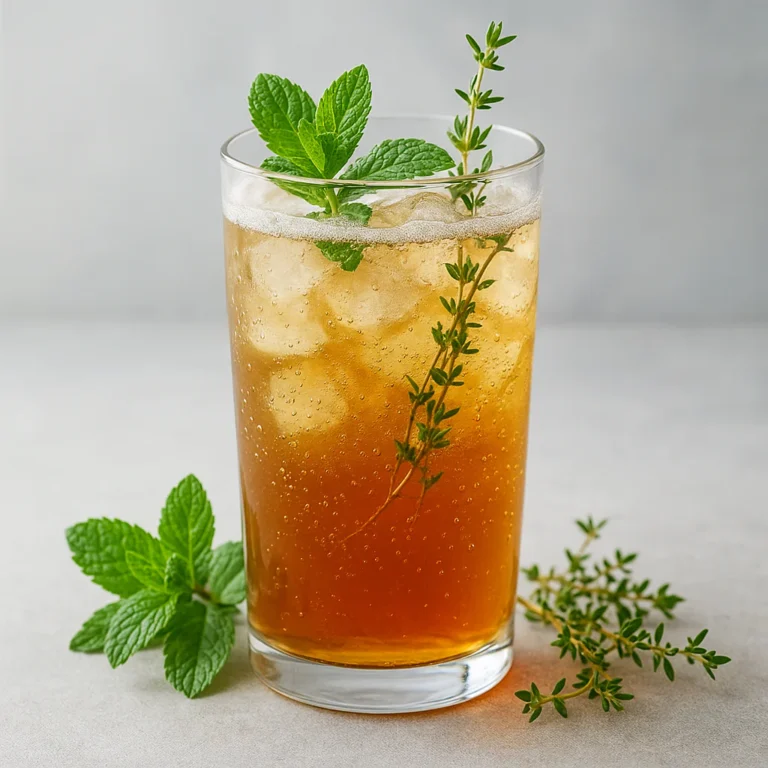
- Experiment with Infusions: Add a sprig of fresh mint to your green tea or a slice of orange to your black tea to create custom pairings.
Still unsure where to start? Try the Earl Grey and Dark Chocolate pairing. It’s the most forgiving and universally loved combination.
❓ Frequently Asked Questions About Tea and Food Pairings
What are the best tea and chocolate pairings for a gourmet dessert experience?
For a truly gourmet experience, pair Dark Chocolate (70%+) with Earl Grey or Pu-erh. The tannins in these teas cut through the fat of the chocolate, while the citrus in Earl Grey or the earthiness of Pu-erh complements the cocoa. For Milk Chocolate, try a Light Oolong or Vanilla Rooibos to avoid overpowering the delicate milk flavors.
How do you pair Earl Grey tea with savory appetizers?
Earl Grey is surprisingly versatile with savory dishes. The bergamot adds a citrusy brightness that pairs beautifully with smoked salmon, cucumber sandwiches, or goat cheese crostini. The key is to ensure the food isn’t too heavy; the tea’s astringency works best with lighter, acidic, or fatty savory items.
Which green tea varieties complement seafood dishes best?
Dragon Well (Longjing) and Sencha are the top choices. Dragon Well has a nuty, vegetal profile that enhances the natural sweetness of shellfish and white fish. Sencha offers a grassy, umami-rich flavor that pairs well with grilled fish or sushi. Avoid heavily oxidized green teas, as they can clash with delicate seafood.
What is the ideal black tea pairing for a rich cheese board?
For a rich cheese board, Assam or Ceylon black teas are ideal. Their robust tannins and malty flavors stand up to the fat and salt of aged cheddars, goudas, and blues. If you prefer a smoky note, Lapsang Souchong is perfect for smoked cheeses.
Can I pair herbal teas with savory meals?
Absolutely! Rooibos pairs well with roasted meats and root vegetables due to its nuty, sweet profile. Peppermint can cut through the richness of fatty meats, while Ginger tea is excellent with spicy Asian dishes. Herbal teas offer a caffeine-free alternative that can still provide complex flavor interactions.
🔗 Recommended Links for the Curous Siper
Ready to explore more? Here are some resources to deepen your tea journey:
- Tea Brand Spotlights: Discover the stories behind your favorite brands at Tea Brands™ Spotlights.
- Tea Brand Guides: Find the perfect tea for your palate with our Brand Guides.
- Health Benefits of Tea: Learn how your favorite pairings boost your health at Health Benefits of Tea.
- Specialty Blends: Explore unique flavor combinations in our Specialty Blends section.
- Herbal Tea: Dive into the world of caffeine-free herbal infusions at Herbal Tea.
👉 Shop for the products mentioned:
📚 Reference Links and Further Reading
- The Science of Tea: University of California, Davis – Tea Chemistry
- Tea Pairing History: The Tea Association of the USA
- Culinary Experiences: Round Pond Estate – Culinary & Wine Pairings (Explore how wine and olive oil pairings can inspire your tea experiments).
- The Catbird Seat Experience: Vivek Surti’s Review of The Catbird Seat (A deep dive into high-end tea and food pairings).
💬 Conclusion: Your Next Culinary Adventure Awaits

We started this journey with a simple question: Can tea really stand up to gourmet food? The answer, after tasting through dozens of combinations, is a resounding yes. From the smoky depths of Lapsang Souchong with aged cheddar to the delicate dance of Dragon Well with seafood, tea offers a versatility that rivals wine.
The key to success lies in understanding the science of flavor—balancing tannins, acidity, and aroma. Whether you’re hosting a dinner party or enjoying a quiet evening with a book, the right tea pairing can transform a simple meal into a culinary masterpiece.
Our Top Recommendation: If you’re new to this, start with Earl Grey and Dark Chocolate. It’s the most accessible and universally loved pairing. Once you’ve mastered that, experiment with Oolong and Roasted Duck for a true gourmet experience.
Don’t be afraid to experiment. The world of tea is vast, and every cup is a new adventure. So, brew a pot, grab a plate, and let the flavors tell their story. Your palate will thank you.
One last thought: Remember the Catbird Seat experience? They proved that tea isn’t just a drink; it’s a storyteller. What story will your next cup tell?