Support our educational content for free when you purchase through links on our site. Learn more
Gongfu Tea Ceremony: 21 Steps to Taste More 🍵

The best Gongfu tea ceremony steps for enhanced tasting help you notice how a tea changes from infusion to infusion: use a small brewing vessel, pour the liquor out completely, and taste each round with attention. You don’t need a room full of traditional teaware; a gaiwan, a cup, and good leaves are enough to begin.
At Tea Brands™, we’ve watched tightly rolled olong go from quiet and floral to creamy and sweet after a few short infusions. That’s the fun of gongfu brewing: the first sip is only the opening scene. Follow these 21 steps for a more complete tasting, then adapt the ritual to your tea, your guests, and your own taste.
Key Takeaways
- Gongfu brewing is about attentive, repeated infusions—not rigid ceremony. Use the steps as a guide, not a test.
- Start with a small gaiwan or teapot, clean-tasting water, and quality loose-leaf tea.
- Pour each infusion out completely to prevent the leaves from stewing.
- Adjust one brewing variable at a time. Shorten the steep if the tea tastes harsh; add a little time if it tastes thin.
- Taste beyond the first sip: notice aroma, liquor color, texture, flavor, and aftertaste across successive infusions.
- Make the ritual comfortable and welcoming. Aroma cups, tea trays, and traditional gestures are optional; thoughtful hosting is the heart of the experience.
Table of Contents
- ⚡️ Quick Tips and Facts
- 🍃 What Is Gongfu Tea Ceremony?
- 🏺 The History and Roots of Gongfu Cha
- 🫖 Gongfu Tea vs. Western-Style Brewing
- 🌿 Choosing Tea for a More Revealing Tasting
- Oolong, pu-erh, black, white, and green tea
- How much tea to use
- Freshness, storage, and tea quality
- 🧰 Gongfu Tea Tools and Their Uses
- Gaiwan or teapot: choosing your brewing vessel
- Fairness pitcher, tasting cups, and aroma cups
- Kettle, tea tray, strainer, and accessories
- A simple setup for beginners
- 💧 Water, Temperature, and Tea-to-Water Ratio
- Choosing water for clear, expressive flavor
- Brewing temperatures by tea type
- Adjusting leaf quantity and steeping time
- 🧘 Preparing for a Gongfu Tea Tasting
- Setting up your tea space and utensils
- Welcoming guests and presenting the dry leaves
- Warming the teaware and rinsing the leaves
- 🍵 Gongfu Tea Ceremony Steps for Enhanced Tasting
- 1. Setle in, cleanse your hands, and introduce the tea
- 2. Present and inspect the dry tea leaves
- 3. Heat the teapot or gaiwan
- 4. Measure and add the tea leaves
- 5. Pour in water for the first infusion
- 6. Skim foam and rinse the tasting cups
- 7. Decide whether to rinse or drink the first infusion
- 8. Refill the vessel to brew the tea
- 9. Step and pour the infusion into a fairness pitcher
- 10. Fill aroma cups for a fragrant tasting
- 11. Pour steadily so every serving tastes balanced
- 12. Cover and turn the aroma cups
- 13. Transfer tea into tasting cups
- 14. Serve the tea at a comfortable temperature
- 15. Smell the aroma cup and notice the fragrance
- 16. Hold the cup comfortably and attentively
- 17. Observe the liquor’s color and clarity
- 18. Sip slowly and assess the flavor
- 19. Notice the finish, aftertaste, and returning aroma
- 20. Brew and taste the next infusion
- 21. Thank your guests and close the tea gathering
- 🔁 Gongfu Tea Steping Times Across Multiple Infusions
- How to adjust each successive brew
- Recognizing when the leaves are spent
- 👃 How to Taste Gongfu Tea Like a Tea Taster
- Aroma, texture, body, and flavor
- Biterness, astringency, sweetness, and balance
- Tea tasting notes and a simple flavor wheel
- 🎎 Gongfu Tea Etiquette and Guest Customs
- Serving order and sharing tea
- Traditional gestures and regional differences
- Making the ceremony welcoming and low-pressure
- 🧼 Cleaning, Drying, and Caring for Gongfu Teaware
- 🛠️ Common Gongfu Brewing Mistakes and How to Fix Them
- 🌱 Gongfu Tea Ceremony Variations and Adaptations
- A quick gongfu session for one person
- Gongfu tea at home without a tea tray
- Adapting the ritual for travel or the office
- ✅ Conclusion
- 🔗 Recommended Links
- ❓ FAQ
- What does gongfu mean in gongfu tea?
- How long should you steep gongfu tea?
- Do you need to rinse tea leaves before brewing?
- How many infusions can gongfu tea leaves produce?
- Can you perform a gongfu tea ceremony without special equipment?
- What is the difference between a gaiwan and a teapot?
- Is gongfu tea ceremony formal or religious?
- 📚 Reference Links
⚡️ Quick Tips and Facts
Gongfu cha is a way of brewing and tasting tea in small, focused infusions—not a single rigid script. The leaves, water, vessel, and your palate all get a vote. If you’re deciding which tea deserves the attention, start with our guide to what is the world’s best tasting tea?; the answer depends on what you enjoy in the cup.
| At a glance | A practical starting point |
|---|---|
| Best teas to explore | Oolong, pu-erh, Chinese black tea, and some white teas |
| Brewing vessel | A small gaiwan or teapot, commonly around 100–200 ml |
| Tea-to-water ratio | Start near 1 g tea per 15–20 ml water, then adjust to the leaf and vessel |
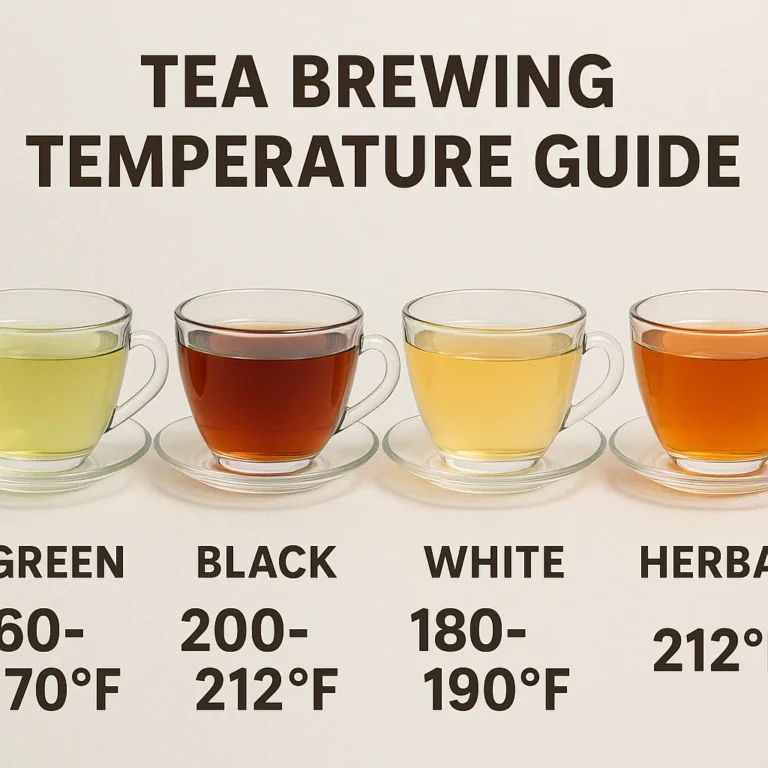
| Water temperature | Often 90–100°C / 194–212°F for olong, pu-erh, and black tea; cooler for delicate green tea |
| First infusion | Usually short; start around 5–15 seconds after the leaves are hydrated |
| Essential accessories | Kettle, vessel, cups, and a way to decant; a fairness pitcher is helpful but optional |
| Main tasting sequence | Look, smell, sip, notice texture and finish, then compare the next infusion |
| Rinsing leaves | Optional. Rinse when it suits the tea or helps open tightly rolled leaves; don’t assume every tea needs it |
Five tips before the kettle boils
- Preheat the brewing vessel so it doesn’t steal heat from the water.
- Pour every infusion out completely when the steep is done. Leaves left in hot water keep extracting.
- Use a fairness pitcher when sharing: everyone gets tea of similar strength instead of the first cup being gentle and the last cup becoming a tiny tannin lecture.
- Change one variable at a time—leaf amount, temperature, or steep time—so you can tell what improved the cup.
- Let the tea set the pace. We’ve tasted rolled olong that seemed sleepy in the first steep and spectacular two infusions later.
For a wider look at tea types, brewing habits, and tasting ideas, explore our Tea Brand Guides.
🍃 What Is Gongfu Tea Ceremony?
Gongfu tea, also written gong fu cha or gongfu cha, is a Chinese tea-preparation and tasting practice built around a relatively high amount of leaf, a small brewing vessel, and multiple short infusions. The Chinese characters 工夫茶 point toward tea made with skill, care, and effort. Here, “ceremony” doesn’t require robes, incense, or a perfect wrist flick. It means preparing tea attentively and sharing it with care.
The method is often associated with oolong, pu-erh, and Chinese black teas because many can produce several distinct infusions. That’s not a rulebook, though. A good gaiwan can also make revealing green or white tea when you adjust the water and timing.
What makes gongfu brewing different?
| Feature | Gongfu-style brewing | Western-style brewing |
|---|---|---|
| Leaf-to-water ratio | Relatively high | Usually lower |
| Vessel size | Small | Often larger |
| Steping pattern | Several short infusions | Commonly one longer infusion |
| Tasting focus | Changes from infusion to infusion | Overall character of a single brew |
| Best use | Exploring aroma, texture, and evolving flavor | Convenient everyday cups and larger servings |
The distinction is about brewing approach, not tea quality. A carefully made mug can be excellent, and a gongfu session can be disappointing if the tea is stale, the water is harsh, or the leaves are over-steped.
The point is attention, not performance
Our tasters treat gongfu as a guided tasting with room for improvisation. First, notice the dry leaves. Then smell the warm vessel, taste the liquor, and pay attention to what changes. Some hosts add a tea tray, aroma cups, flowers, or music; others use a gaiwan and two cups at the kitchen table. Both are entirely valid. As Oolong Time explains, there isn’t one correct way to conduct a gongfu tea ceremony.
🏺 The History and Roots of Gongfu Cha

Gongfu tea culture is especially associated with southern China, including the Chaoshan and Fujian regions, and with the development of olong tea traditions. Over time, brewing practices, teaware, and hospitality customs took different forms across communities. Today, gongfu brewing is also widely used by tea drinkers around the world to compare leaves through repeated infusions.
The word gongfu can refer to skill acquired through effort. That meaning fits the practice: good results come from observation and adjustment, not memorizing one set of timings. The customs around hosting are meaningful, but individual gestures vary by region, family, and tea school.
A living practice, not a museum script
Some modern guides describe a formal sequence of 21 steps, including incense, dry-leaf presentation, aroma cups, and a closing thank-you. That sequence can make a lovely hosted tasting. Other traditions use fewer pieces of equipment and focus on brewing well. A 21-step format is best understood as one structured ceremony, not a universal historical requirement.
For another perspective on the ritual and its tasting purpose, see TeaSenz’s 21-step gongfu tea ceremony guide and Path of Cha’s guide to gong fu cha. The sources differ in how much formality they recommend; what they share is more useful than the differences: small brews, attentive tasting, and repeated infusions.
🫖 Gongfu Tea vs. Western-Style Brewing
Gongfu brewing doesn’t automatically make tea stronger or more sophisticated. It gives you more chances to observe how the leaves unfold. A tightly rolled olong may shift from floral and bright to creamy, mineral, or woody across successive steps. A large mug infusion compresses those changes into one brew.
| Question | Gongfu approach | Western-style approach |
|---|---|---|
| Want to compare multiple infusions? | Excellent fit | Less convenient |
| Brewing for one person quickly? | Works, but needs attention | Usually easier |
| Sharing one tea with several guests? | Small cups encourage conversation | A pot makes larger servings |
| Exploring a delicate tea? | Precise control can help | Easy to over-step if forgotten |
| Need a strict recipe? | No; adjust as you taste | Also no, though recipes may be simpler |
Choose gongfu when you want to explore. Choose a mug or teapot when you want an easy everyday brew. There’s no need to turn breakfast into a laboratory unless the tea is asking for one.
🌿 Choosing Tea for a More Revealing Tasting
Look for teas that taste good across multiple infusions and have enough character to reward comparison. As a starting point, explore reputable tea brand spotlights and check the tea’s harvest, origin, processing style, and storage guidance when available.
Oolong, pu-erh, black, white, and green tea
| Tea style | What you might notice | A gongfu starting point |
|---|---|---|
| Oolong | Floral, roasted, creamy, fruity, or mineral notes; often changes markedly across steps | Try Tieguanyin, Da Hong Pao, Dancong, or Taiwanese high-mountain olong |
| Pu-erh | Earthy, woody, sweet, herbal, or camphor-like character, depending on style and age | Use hot water and short early infusions; rinse only if you prefer |
| Chinese black tea | Malt, fruit, honey, cocoa, or spice | Try Jin Jun Mei or Kemun; begin with slightly cooler water if the tea tastes sharp |
| White tea | Delicate flowers, fruit, hay, or soft sweetness | Use cooler water or short infusions to prevent a thin or overly sharp cup |
| Green tea | Fresh, vegetal, nuty, or marine notes | Use cooler water; a gaiwan makes it easy to control extraction |
These are tasting possibilities, not guarantees. Processing, growing conditions, storage, and water can change the cup considerably.
Oolong: a natural choice for infusion-by-infusion tasting
Oolong comes in many shapes and roast levels. Tightly rolled Tieguanyin opens gradually; strip-style Wuyi olong such as Da Hong Pao releases differently. The contrast is one reason gongfu sessions can be so rewarding. The TeaSenz ceremony guide uses Da Hong Pao as an example and highlights its “rock charm”—a common tasting phrase for the distinctive mineral quality associated with Wuyi olong.
Pu-erh and black tea: robust, but not invincible
Pu-erh and many Chinese black teas tolerate hot water, but “robust” doesn’t mean “step forever.” If a cup tastes harsh, shorten the infusion or use less leaf before deciding the tea is simply too strong. For more tea styles and blends, browse our Specialty Blends collection.
How much tea to use
A useful starting range is 1 g of tea per 15–20 ml of water, but leaf shape matters. A small gaiwan filled with bulky, loosely twisted leaves can look crowded before it holds the right weight. Weighing leaves is more consistent than measuring by spoon.
| Vessel capacity | Starting leaf amount | Notes |
|---|---|---|
| 80 ml | 4–5 g | Good for a concentrated personal tasting |
| 100 ml | 5–7 g | Versatile small-session size |
| 150 ml | 7–10 g | Useful for sharing or larger leaves |
| 200 ml | 10–13 g | May need longer pours to fully decant |
These figures are starting points, not laws. TeaSenz mentions 8 g as a general example for its ceremony, while Path of Cha avoids prescribing a universal quantity. Both perspectives make sense: the right amount depends on the vessel, leaf volume, and desired strength. Begin modestly, taste, and adjust next time.
Freshness, storage, and tea quality
A beautiful ceremony cannot rescue tea that has gone flat. Store tea in a clean, airtight container away from heat, moisture, sunlight, and strong odors. Green tea is especially vulnerable to staling; roasted olong and compressed pu-erh have different storage needs.
- Check the aroma: stale, musty, or cardboard-like notes can signal poor storage.
- Keep scented items away: tea readily absorbs nearby odors.
- Avoid refrigerator moisture unless the tea’s producer specifically recommends a controlled method.
- Use tea intended for repeated steeping if you want to explore a full session.
You can also explore our Herbal Tea guides for caffeine-free infusions, though most herbal blends aren’t traditionally the focus of gongfu cha.
🧰 Gongfu Tea Tools and Their Uses
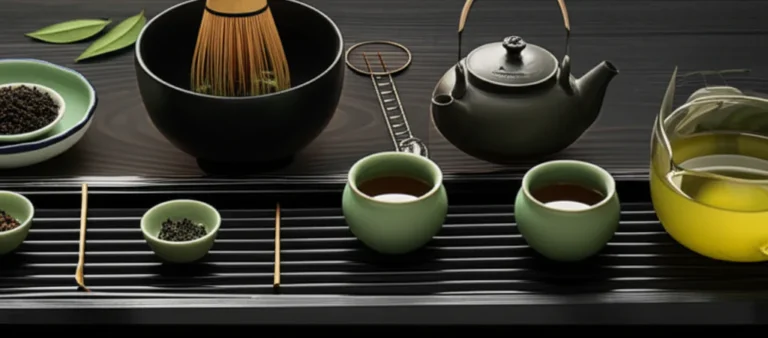
You can start with a kettle, a small brewing vessel, and cups. The rest makes the experience smoother or more theatrical, depending on your taste. The full set is lovely; it is not an entrance exam.
Gaiwan or teapot: choosing your brewing vessel
A gaiwan—a lidded bowl with a saucer—is versatile, easy to clean, and excellent for tasting different teas without flavor carryover. A small teapot offers familiar handling and can be easier to pour confidently. Clay pots may retain heat well, while porcelain and glass give a relatively neutral view of the tea.
| Vessel | Strengths | Trade-offs |
|---|---|---|
| Porcelain gaiwan | Neutral, affordable to use across tea types, easy to inspect | Can feel hot to hold; takes practice to pour |
| Glass gaiwan or pot | Makes leaf movement and liquor color visible | Loses heat faster and shows fingerprints |
| Porcelain teapot | Easy to clean, versatile, neutral | Less transparent than glass |
| Yixing clay teapot | Retains heat and can be dedicated to a tea style | Porous clay may retain aroma; avoid mixing unrelated teas in one pot |
For your first setup, a 100–150 ml porcelain gaiwan is a forgiving all-rounder. You can see the leaves, clean it easily, and brew different styles without dedicating a pot to each one.
Fairness pitcher, tasting cups, and aroma cups
A fairness pitcher, also called a cha hai, receives the finished infusion before it is divided among guests. Since the first portion poured from a teapot can differ from the last, the pitcher helps make servings more even. It also gives the tea a moment to cool.
Small tasting cups encourage attentive sipping. Tall aroma cups, sometimes called fragrance cups, are optional: pour tea into the aroma cup, cover it with a drinking cup, then invert the pair to reveal the fragrance left behind.
Aroma cups are a pleasure, not a requirement. If you don’t have them, smell the gaiwan lid or the empty drinking cup.
Kettle, tea tray, strainer, and accessories
| Tool | What it does | Essential? |
|---|---|---|
| Kettle | Heats water | Yes |
| Small gaiwan or teapot | Holds the tea and water | Yes |
| Drinking cups | Serves the tea | Yes |
| Fairness pitcher | Evens out servings | Helpful when sharing |
| Tea tray | Catches drips and rinse water | Optional |
| Strainer | Catches leaf fragments during decanting | Helpful, especially with broken leaf |
| Tea towel | Wipes spills and wet surfaces | Very helpful |
| Tea scoop, funnel, or leaf holder | Helps transfer dry leaves neatly | Optional |
| Tongs | Handles hot cups safely | Optional |
| Tea pet | Decorative companion for discarded rinse water | Entirely optional |
Oolong Time describes a traditional setup with kettle, pot, fairness cup, fragrance cup, tasting cup, tray, and optional tools in its teaware guide. Our practical view: start with the essentials, then add anything that genuinely makes your session easier or more enjoyable.
A simple setup for beginners
A functional beginner’s arrangement:
- Kettle on a heat-safe surface.
- Gaiwan or small pot beside a fairness pitcher.
- Two or three small cups within easy reach.
- Tea towel and a bowl or tray for water.
- Tea, scoop, and a timer or clock if you want one.
A branded kit can be convenient, but check the vessel capacity and pouring comfort before buying. If you’re comparing tea makers and accessories, our Tea Brand Guides cover more buying considerations.
💧 Water, Temperature, and Tea-to-Water Ratio
Small brewing volumes magnify small changes. Hard or strongly flavored water can mask aroma, while water that is too hot can make delicate leaves bitter. Start with clean-tasting water and use the tea’s character—not a chart alone—to guide you.
Choosing water for clear, expressive flavor
Use fresh water that tastes pleasant on its own. If your tap water has a strong chlorine or mineral taste, filtered water may give a cleaner result. Extremely purified water can also taste flat; the goal is balanced, neutral-tasting water, not an elaborate water quest.
Brewing temperatures by tea type
| Tea style | Starting water temperature | Adjustment cue |
|---|---|---|
| Delicate green tea | 70–85°C / 158–185°F | Lower if bitter or grassy |
| White tea | 80–95°C / 176–203°F | Lower for delicate buds; hotter for sturdy leaves |
| Light olong | 85–95°C / 185–203°F | Raise if the tea tastes thin |
| Roasted olong | 90–100°C / 194–212°F | Hoter water can help open the aroma |
| Black tea | 90–100°C / 194–212°F | Reduce heat if tannic or rough |
| Pu-erh | 95–100°C / 203–212°F | Use short steps if the brew gets heavy |
These ranges are practical starting points, not scientific boundaries. Leaf size, roast, vessel, and personal taste all affect extraction. For a clearer look at tea and wellness research, consult our Health Benefits of Tea section; brewing temperature and health claims are separate questions.
Adjusting leaf quantity and steeping time
If the tea is too strong, try a shorter infusion first. If it is weak, add time or slightly more leaf. Change one thing at a time and note the result.
- Too bitter or drying: reduce time or lower temperature.
- Too thin: add a few seconds or a little more tea.
- Uneven cups: decant fully into a fairness pitcher.
- Leaves stay tightly closed: extend the first steep modestly or use hotter water if the tea allows it.
🧘 Preparing for a Gongfu Tea Tasting
Preparation needn’t be elaborate. The goal is a clean, comfortable space where you can pour without juggling hot vessels over a laptop or your favorite table.
Setting up your tea space and utensils
- Clear a stable surface and put the kettle within safe reach.
- Set out the brewing vessel, cups, pitcher, and towel.
- Measure the tea if you want repeatable results.
- Choose a small bowl or tray for waste water if you don’t have a tea tray.
- Let guests know the tea is served in small rounds, so no one mistakes a tasting cup for a full mug. 🍵
Avoid handling hot water over a crowded table. Tea trays catch drips, but they don’t make unstable setups safe.
Welcoming guests and presenting the dry leaves
Introduce the tea with whatever you know: its style, origin, harvest, or processing. Present the dry leaves in a dish if you have one, or simply let guests smell them before brewing. This creates a useful baseline: what does the dry leaf smell like before heat changes it?
A calm, welcoming host matters more than incense. If you enjoy a scented candle, keep it well away from the tea; strong ambient fragrance can interfere with tasting.
Warming the teaware and rinsing the leaves
Preheat the vessel and cups with hot water, then discard that water safely. Warm equipment helps stabilize brewing temperature, especially with small vessels.
Whether to rinse the leaves is a point where guides differ. Some traditional sequences rinse every time; others treat rinsing as optional. We recommend deciding based on the tea:
- Consider a brief rinse for tightly compressed or rolled leaves that need hydration, or when you prefer to discard the first liquor.
- Skip the rinse when you want to taste the earliest infusion or when the tea is delicate and the rinse would waste a flavorful brew.
- Follow producer guidance for unusual or aged teas when available.
The first rinse is not a safety guarantee and does not make questionable tea safe. It is a brewing choice.
🍵 Gongfu Tea Ceremony Steps for Enhanced Tasting
The 21 steps below combine a detailed hosted ceremony with practical tasting advice. You can simplify them freely. TeaSenz and Oolong Time provide more elaborate sequences, while Path of Cha emphasizes the core loop: warm, add leaves, steep briefly, taste, repeat. The shared principle is attention to the tea, not flawless choreography.
1. Setle in, cleanse your hands, and introduce the tea
Wash your hands if you’ve been preparing food or handling strongly scented products. Invite guests to sit comfortably, then share what you know about the tea. Incense appears in some formal scripts, but it’s optional—and can cloud the tea’s aroma.
2. Present and inspect the dry tea leaves
Place the leaves in a tea dish, lotus, or the warmed brewing vessel. Look at their color, shape, and degree of rolling. Smell them gently. You’re building a reference point for the aromas that will develop later.
3. Heat the teapot or gaiwan
Pour hot water into the vessel and, if convenient, over its exterior. Empty it before adding leaves. Warming the vessel helps reduce heat loss during the first infusion.
4. Measure and add the tea leaves
Add the amount that suits your vessel and leaf style. For many small sessions, 5–8 g in a 100 ml vessel is a sensible starting range, but bulky leaves may occupy more space than tightly rolled ones. A funnel helps with narrow teapot openings; it is not mandatory.
5. Pour in water for the first infusion
Use water appropriate to the tea. Pour steadily, avoiding splashes and keeping your hand clear of hot steam. If you are using a formal rinse, keep it brief and discard the liquid. If not, treat this as your first drinkable steep.
6. Skim foam and rinse the tasting cups
A few bubbles or floating fragments may appear. They’re normal and usually harmless; use the lid to gently skim them only if you want a clearer surface. If you are rinsing cups with hot tea, handle them carefully and empty them before serving.
7. Decide whether to rinse or drink the first infusion
There is no universal rule that the first infusion must be thrown away. Some tea drinkers rinse to hydrate tightly rolled leaves; others prefer to taste every infusion. For a new tea, we often make a quick rinse only when the leaves seem compressed or dusty, then compare the first proper steep. Don’t discard a potentially lovely cup just because a ritual says you must.
8. Refill the vessel to brew the tea
Add fresh hot water and cover the vessel. Start with a short steep—often around 5–15 seconds for a high leaf-to-water ratio, but the tea may need more or less. Keep the lid off between rounds if the leaves are retaining excessive heat and continuing to stew.
9. Step and pour the infusion into a fairness pitcher
When the infusion tastes ready, pour it out completely. Decanting into a fairness pitcher helps blend the liquid and makes servings more even. If brewing solo, pour straight into your cup, but don’t leave a pool of tea in the vessel.
10. Fill aroma cups for a fragrant tasting
If using aroma cups, pour the liquor into them before covering with the drinking cups. Without aroma cups, smell the fairness pitcher or gaiwan lid. The point is to catch the fragrance while it is warm.
11. Pour steadily so every serving tastes balanced
Move the stream between cups rather than filling one cup to the brim before moving to the next. If the pitcher holds a last few drops, distribute them evenly. This is less theatrical than a dramatic waterfall, but considerably fairer.
12. Cover and turn the aroma cups
Place a drinking cup over each aroma cup and invert the paired cups carefully. Keep your fingers clear of hot liquid and use a stable surface. If the maneuver feels awkward, skip it: smelling the empty aroma cup after a simple pour works too.
13. Transfer tea into tasting cups
Lift away the aroma cup, leaving the tea in the drinking cup. Check that the cup is comfortable to hold and not too hot to sip. Avoid rushing this step for the sake of looking elegant.
14. Serve the tea at a comfortable temperature
Offer the cups once the liquor has cooled enough to taste safely. Very hot tea can make it difficult to judge aroma and flavor. You can also read the International Agency for Research on Cancer’s evaluation of very hot beverages: the concern is drinking beverages at very high temperatures, not tea as a category.
15. Smell the aroma cup and notice the fragrance
Hold the empty aroma cup near your nose and inhale gently. You might notice flowers, fruit, toasted grain, honey, wood, or something less familiar. Our tasters often find that the empty cup reveals a softer fragrance than the first smell from the gaiwan.
If you’re following the ceremony as a demonstration, the featured video by Altitude Tea offers a short visual walkthrough of the mindful rhythm of rinsing, steeping, pouring, and sharing.
16. Hold the cup comfortably and attentively
A traditional three-finger hold may be used: thumb and index finger steady the sides while the middle finger supports the base. It is sometimes called “Three Dragons Guarding the Ding.” Treat it as a gesture of care, not a grip test. Use whatever hold is safe and comfortable for you.
17. Observe the liquor’s color and clarity
Look at the liquor against a light or pale surface. Notice its color, brightness, and clarity. Cup material changes how color appears, so avoid treating a deep amber hue as a quality score on its own.
18. Sip slowly and assess the flavor
Take a small sip and let it move across your palate. Notice the first impression, body, texture, and how long the flavor lasts. Some tea drinkers gently slurp to aerate the liquor and bring aroma toward the nose; that’s useful in a tasting, but never required at a quiet gathering.
19. Notice the finish, aftertaste, and returning aroma
After swallowing, pause. Does sweetness return? Does the mouth feel clean, drying, coating, or cooling? Is there a lingering floral, roasted, fruity, or mineral note? These details often reveal more than a dramatic first sip.
20. Brew and taste the next infusion
Repeat the water-and-pour cycle, adjusting the steep in small increments. The next infusion may be brighter, sweeter, thicker, or more subdued. Compare it with the previous round instead of expecting each brew to taste identical.
A small personal tasting note is useful: “Second steep: softer fruit, more body, finish still sweet.” That tells you more than “good tea,” though “good tea” remains an entirely respectable note.
21. Thank your guests and close the tea gathering
When the leaves no longer offer the flavor you enjoy, thank your guests and clear the table. There is no required number of infusions; stop when the tea tastes spent, thin, or unappealing. A graceful ending is better than coaxing one final cup out of exhausted leaves.
🔁 Gongfu Tea Steping Times Across Multiple Infusions
Use times as a starting map, not a train schedule. A rolled olong may need an early infusion to open; loose, broken leaves may extract quickly. Some teas benefit from progressively longer steps, but increasing the time every round by the same amount is not compulsory.
| Infusion | Starting range for many teas | What to watch |
|---|---|---|
| Rinse, if used | 2–10 seconds | Hydrate briefly; discard only if you intend to |
| 1 | 5–15 seconds | Check whether tightly rolled leaves need time to open |
| 2 | 5–20 seconds | Compare aroma and body with the previous round |
| 3 | 8–25 seconds | Add time if the tea tastes thin |
| 4 and beyond | Increase gradually as needed | Follow the leaves; avoid steeping by habit |
How to adjust each successive brew
- If the tea is weak, add a few seconds.
- If it is bitter or rough, shorten the next steep or lower the temperature.
- If the leaves are still tightly rolled, give them a little longer.
- If the flavor is balanced, repeat the same timing before changing anything.
- Keep the vessel fully drained after each infusion.
The guides differ in how strongly they recommend adding time with each round. TeaSenz suggests lengthening subsequent steps by a few seconds, while Path of Cha stresses adapting to the tea. We trust the adaptable approach: increase time only when the cup asks for it.
Recognizing when the leaves are spent
Tea is likely nearing the end when aroma fades, the liquor becomes consistently thin, and longer steps produce little flavor. Some teas give many enjoyable rounds; others are finished sooner. Count the infusions as information, not a competition.
👃 How to Taste Gongfu Tea Like a Tea Taster
A tasting is not a hunt for the “correct” flavor note. It’s a way to describe what you perceive so you can remember and compare it. If one person says “orchid” and another says “sweet grass,” both may be responding to the same floral-green impression.
Aroma, texture, body, and flavor
Move through the cup in a simple sequence:
- Dry-leaf aroma: Smell before brewing.
- Lid or vessel aroma: Notice what heat releases.
- Wet-leaf aroma: Observe the leaves after a steep.
- Liquor aroma: Smell the tea in the cup.
- Texture and body: Is it light, smooth, thick, drying, or coating?
- Finish: What remains after swallowing?
Biterness, astringency, sweetness, and balance
Biterness is a taste; astringency is the drying or puckering sensation that can come from tea compounds interacting with your mouth. Neither automatically means the tea is defective. If they overwhelm the other qualities, adjust the brewing.
| Sensation | What it can feel like | What to try |
|---|---|---|
| Biterness | Sharp, bitter, or harsh taste | Shorter steep; cooler water |
| Astringency | Dry, puckering mouthfeel | Use less leaf or reduce extraction |
| Thin body | Watery, fleeting liquor | Slightly more leaf or longer steep |
| Flat aroma | Little fragrance | Check tea freshness, water, and storage |
| Pleasant finish | Sweet, aromatic, or clean lingering sensation | Note what changed across infusions |
Tea tasting notes and a simple flavor wheel
Use plain language first, then refine it. “Roasted, sweet, dry finish” is more useful than a long string of guesses.
| Category | Words to try |
|---|---|
| Floral | Orchid, jasmine, rose, meadow |
| Fruity | Peach, citrus, stone fruit, dried fruit |
| Sweet | Honey, caramel, malt, cane sugar |
| Roasted | Toast, cocoa, nuts, smoke |
| Fresh | Grass, herbs, cucumber, green bean |
| Texture | Silky, brisk, creamy, thin, coating |
| Finish | Clean, lingering, cooling, dry, sweet |
Taste is personal, and tasting notes are descriptive rather than promises. For more tea-focused reading, browse our Tea Brand Spotlights.
🎎 Gongfu Tea Etiquette and Guest Customs
Gongfu tea is hospitality as much as brewing. A considerate host makes guests comfortable, explains anything unusual, and offers a cup without turning the table into an etiquette exam.
Serving order and sharing tea
Use a fairness pitcher so guests receive similar-strength tea. Serve carefully and check that cups aren’t too hot. In a group, offer the first cups to guests before refilling your own if that feels appropriate to your household or tradition.
Traditional gestures and regional differences
Gestures, serving order, and equipment vary. The three-finger cup hold and aroma-cup sequence are useful traditions, but they aren’t universal requirements. A small bow, a thank-you, or simply offering another round can all communicate appreciation.
Making the ceremony welcoming and low-pressure
- Tell guests what they’re drinking and whether it contains caffeine.
- Offer water or an alternative if someone doesn’t want tea.
- Explain that small cups are meant for tasting and refills.
- Let people describe the tea in their own words.
- Skip strong fragrances around the table.
Oolong Time’s description of Chá Xí, or the tea setting, includes aesthetic additions such as cloths, flowers, candles, or music. Those details can beautiful; a clean table and kind host do the deeper work.
🧼 Cleaning, Drying, and Caring for Gongfu Teaware
After the session, empty the tea tray and remove spent leaves before they dry into a stubborn little compost sculpture. Rinse teaware with warm water and let it air-dry fully.
- Porcelain and glass: Wash gently with water; use mild, unscented detergent when needed and rinse thoroughly.
- Clay teapots: Avoid scented soap if you want to preserve a dedicated tea aroma. Rinse and dry completely.
- Kettle: Follow the maker’s cleaning and descaling instructions.
- Tea tray: Empty and dry it to prevent trapped moisture or odor.
- Aroma cups: Rinse promptly so fragrance and residue don’t linger.
Keep dedicated clay pots for a compatible tea style, especially if the clay is porous. A neutral porcelain gaiwan is easier when you want to switch among many teas.
🛠️ Common Gongfu Brewing Mistakes and How to Fix Them
| What went wrong | Likely cause | Try this |
|---|---|---|
| Tea tastes bitter | Long steep, too much leaf, or very hot water for a delicate tea | Shorten the next infusion or adjust temperature |
| Tea tastes weak | Too little leaf, too little time, or low temperature | Increase one variable modestly |
| Cups taste different | Tea was poured directly from the vessel in separate stages | Decant fully into a fairness pitcher |
| Leaves taste stewed | Liquid remained in the gaiwan or pot | Drain completely and leave the lid off between rounds |
| First steep tastes dull | Leaves may need hydration or more time to open | Try a brief rinse or a slightly longer first infusion |
| Aroma seems muted | Stale tea, strong surrounding scents, or flat-tasting water | Check storage and water; remove fragrance sources |
| Pouring feels awkward | Vessel too full, hot, or difficult to grip | Use less water and practice with cool water first |
A useful rule: don’t change three things at once. If you lower the temperature, halve the leaf, and double the steep time, you’ll never know which change helped.
🌱 Gongfu Tea Ceremony Variations and Adaptations
A quick gongfu session for one person
Use a small gaiwan and one cup. Skip the fairness pitcher and aroma-cup transfer, but keep the important parts: warm the vessel, taste each infusion, and drain the leaves fully. Solo gongfu can be wonderfully practical; no guests means nobody notices if your “ceremony” includes a cat supervising from a chair.
Gongfu tea at home without a tea tray
Use a heat-safe bowl, a spare serving tray, or a sink-side setup for drips and rinse water. Keep the surface stable and place a towel nearby. A tea tray is convenient, but it is not what makes the tea gongfu.
Adapting the ritual for travel or the office
A travel gaiwan, small cup, and thermos can make a compact setup. Check workplace rules before boiling water, and avoid brewing near electronics or shared documents. If hot water access is limited, a thermos works best when you can still control the water temperature and fully decant each infusion.