Support our educational content for free when you purchase through links on our site. Learn more
12 Emerging Tea Origins and Brands to Watch 🍃

The most exciting emerging global tea origins and brands to watch include Georgia, Nepal, Vietnam, Thailand, Taiwan, South Korea, and Malawi—places where distinctive tea traditions meet new attention from specialty drinkers. Our recommendation: start with a small tasting flight, and choose teas with clear producer, region, and harvest details rather than buying on a romantic origin story alone.
We’ve tasted cups that changed character with one small adjustment: a delicate green tea that seemed bitter at first became softly sweet when we lowered the water temperature. That’s part of the fun of exploring new origins: the landscape matters, but so do the maker’s craft and the way you brew it.
From Nepalese high-grown black teas to Taiwanese olongs and Malawi’s handcrafted specialties, these regions offer plenty to explore beyond the usual tea-shelf suspects. And “emerging” doesn’t necessarily mean new to tea—sometimes the growers have been there for generations, and the rest of us are only just catching up.
Key Takeaways
- Explore beyond familiar tea-producing countries: Georgia, Nepal, Vietnam, Thailand, South Korea, Malawi, and other origins offer distinctive styles and stories.
- Look for specifics, not just a country name: Producer, region, harvest, and processing details help you understand what’s in your cup.
- Origin isn’t the whole flavor story: Cultivar, elevation, processing, freshness, water, and brewing all shape the taste.
- Try samples before committing: A tasting flight makes it easier to compare green, black, and olong teas from lesser-known origins.
- Treat sustainability and wellness claims thoughtfully: Look for transparent sourcing and credible evidence, not just attractive packaging or sweeping promises.
Table of Contents
- ⚡️ Quick Tips and Facts
- 🌍 How Tea’s Global Map Is Changing
- A brief history of tea beyond China, India, and Japan
- What makes an emerging tea origin worth watching?
- 🍃 12 Emerging Tea Origins and Brands to Watch
- 1. Georgia: ancient tea gardens, new momentum
- 2. Nepal: high-altitude teas with Darjeling character
- 3. Vietnam: wild tea trees and distinctive cultivars
- 4. Thailand: mountain-grown specialty tea
- 5. Taiwan: terroir-rich olongs and a new generation of makers
- 6. South Korea: small-batch green tea from Jeju and beyond
- 7. Indonesia: volcanic soils, old gardens, and modern craft
- 8. Sri Lanka: specialty tea beyond the classic estates
- 9. Malawi: African tea innovation and handcrafted styles
- 10. Kenya: orthodox teas beyond the familiar breakfast blend
- 11. Mozambique: an emerging African tea story
- 12. Australia: boutique tea gardens in a changing climate
- 🗺️ What Makes Each Origin’s Tea Taste Different?
- Teroir, elevation, weather, and cultivar
- Tea processing: green, black, olong, white, and fermented styles
- How to read origin and harvest information on a tea label
- 📈 Specialty Tea Market Trends Shaping Emerging Origins
- Is global tea consumption growing—and where?
- Sustainability, climate resilience, and traceable sourcing
- The rise of functional tea and botanical blends
- New tea-drinking occasions: cold brew, sparkling tea, and tea cocktails
- Sober-curious sipping and premium tea alternatives
- Tea and snacks: pairings inspired by local food cultures
- ♻️ How Tea Brands Can Support a More Sustainable Future
- Fair pay, smallholder partnerships, and community benefits
- Packaging, water use, and lower-impact production
- Authentic storytelling without origin-washing
- 🛒 How to Buy and Taste Tea from Emerging Origins
- Loose-leaf tea, tea bags, and sample sets
- Questions to ask before choosing a tea brand
- A simple tasting method for comparing origins
- 🫖 Brewing Tips for Unfamiliar Teas
- Water temperature, steep time, and leaf quantity
- How to adjust brewing for green, black, and olong tea
- Common brewing mistakes and easy fixes
- 🔎 How to Choose the Right Tea Origin for You
- Best emerging origins for beginners
- Best origins for adventurous tea drinkers
- Best options for gifts and tea tasting flights
- Conclusion
- Recommended Links
- FAQ
- Reference Links
⚡️ Quick Tips and Facts
If you already know the best tea brands in the world, the next fun step is looking beyond familiar labels and exploring the places, makers, and styles reshaping specialty tea.
- “Emerging” doesn’t necessarily mean newly planted. Georgia, Nepal, and Vietnam have long tea histories; what’s new is often renewed investment, better access to specialty markets, or more visibility for distinctive local teas.
- Origin is a clue, not a flavor guarantee. Cultivar, elevation, harvest season, processing, and storage all influence the cup.
- Ask who made the tea. A named garden, cooperative, or producer offers more useful context than a country name alone.
- Try small samples first. Green teas from South Korea, roasted olongs from Taiwan, and black teas from Nepal can be wonderfully different, but freshness and brewing technique matter.
- A “functional” claim isn’t the same as evidence of a health effect. Tea can be a satisfying drink, but claims about treating or preventing disease require credible evidence.
- Watch sustainability details, not just green packaging. Look for traceable sourcing, credible certification, clear farm relationships, and packaging that can actually be recycled or composted where you live. The Rainforest Alliance explains what its certification covers.
| Quick question | What to look for | Why it matters |
|---|---|---|
| Where was the tea grown? | Country, region, garden, or producer | Specificity helps you compare teas |
| When was it harvested? | Harvest year or season | Freshness is especially noticeable in green tea |
| How was it processed? | Green, black, white, olong, or another style | Processing can change flavor as much as origin |
| Who benefits from the sale? | Producer, cooperative, or sourcing program | Transparency is more meaningful than vague ethical language |
| How do I brew it? | Brand instructions plus a small test steep | Unfamiliar teas can be over-extracted easily |
Our tasting-room rule: Start with the producer’s recommended brew, then change just one variable at a time. We once rescued a delicate mountain green tea by lowering the water temperature; the first, hotter cup had tasted like we’d asked a spring leaf to sit in a sauna.
🌍 How Tea’s Global Map Is Changing
Tea is often introduced through the familiar giants—China, India, Japan, and Sri Lanka—but compelling teas come from a far wider map. Georgia, Nepal, Vietnam, Thailand, Malawi, and other origins are attracting attention for their distinct landscapes, histories, cultivars, and craft.
That doesn’t mean established origins are standing still. It means consumers and independent tea makers are increasingly curious about single-origin teas, small-lot production, traceability, and regional processing traditions. Our broader Tea Brand Spotlights cover producers and labels worth getting to know.
A brief history of tea beyond China, India, and Japan
Tea’s global story is a story of movement: plants and techniques traveled alongside merchants, migrants, empires, and colonial trade. The supplied historical video, linked here as the featured video, emphasizes that tea is more than a drink: it has shaped trade, politics, and social rituals across centuries.
Some dates in popular tea-history accounts are based on legend or simplified retellings, rather than firm documentation. The tale that Emperor Shen Nong discovered tea around 2737 BCE, for example, is a cultural legend—not a verified record of the first brewed cup. For a dependable overview of tea’s history and its global spread, see the UK Tea & Infusions Association’s history resources.
Tea cultivation spread through East Asia and later expanded under colonial plantation systems in South Asia and Africa. Those histories carry both innovation and difficult realities, including exploitative labor. Today’s specialty movement gives consumers a chance to ask not only where tea comes from, but also who grows, processes, and earns from it.
What makes an emerging tea origin worth watching?
We look for more than a dramatic origin story. A region becomes especially interesting when its tea has a clear identity and the people producing it have a fair chance to share that identity with drinkers.
| Signal | What it might look like | A useful question |
|---|---|---|
| Distinctive character | A recognizable cultivar, terroir, or processing style | Can the producer explain what sets this lot apart? |
| Producer visibility | Named growers, gardens, or cooperatives | Is the maker identified, not just the country? |
| Quality investment | Better processing, sorting, storage, and export access | Does the brand describe how quality is maintained? |
| Cultural continuity | Local tea traditions and knowledge | Is the story specific, respectful, and well sourced? |
| Responsible sourcing | Traceable payments, certifications, or direct partnerships | Can the company explain how its sourcing works? |
| Room to experiment | New styles such as local olong, white tea, or specialty black tea | Is the innovation rooted in local skill and conditions? |
A useful distinction: “Rare” doesn’t automatically mean excellent, sustainable, or worth buying. We trust clear details, a clean and enjoyable cup, and a producer who can tell us what we’re tasting.
🍃 12 Emerging Tea Origins and Brands to Watch
These origins aren’t all new to tea. They’re regions and producer communities to watch as specialty buyers discover their teas, makers expand access, or new styles reach international shelves. Brand availability changes by country and season, so when a specific local producer is not consistently available internationally, we point you toward established brands origin-focused sourcing rather than inventing a brand recommendation.
| Origin | Styles to explore | What makes it interesting | Watch-out |
|---|---|---|---|
| Georgia | Black and green tea | A historic tea landscape undergoing renewed attention | Verify garden and harvest details |
| Nepal | High-grown black, white, and green tea | Mountain gardens and aromatic, often delicate lots | Quality varies widely by producer |
| Vietnam | Green, black, and ancient-tree teas | Diverse landscapes and long-standing tea knowledge | “Wild” claims need context |
| Thailand | Oolong and specialty teas | Mountain-grown tea and creative tea culture | Don’t confuse café trends with leaf origin |
| Taiwan | Oolong and black tea | Strong regional identities and refined processing | Labels can be vague about elevation or garden |
| South Korea | Green tea | Carefully made leaf teas, including Jeju-grown styles | Freshness and storage are crucial |
| Indonesia | Green and black tea | Major tea history with room for specialty experimentation | Commodity blends may obscure origin |
| Sri Lanka | Black, green, and white tea | Famous tea districts plus specialty producers | “Ceylon” alone doesn’t identify district or grade |
| Malawi | Black and handcrafted specialty tea | Established production alongside artisan innovation | Small lots may be difficult to find |
| Kenya | Black and orthodox specialty tea | A major producer with increasing style diversity | “Kenyan tea” can mean many different things |
| Mozambique | Black tea | A smaller, less familiar origin with regional potential | Public producer information can be limited |
| Australia | Boutique black, green, and olong tea | Small gardens and local craft | Limited production and changing availability |
1. Georgia: ancient tea gardens, new momentum
Georgia’s tea history reaches back to the nineteenth century, when tea cultivation developed in the country’s humid western regions. After decades of disruption, some gardens and producers have been working to revive Georgian tea as a distinctive specialty product. The Georgian National Tourism Administration provides broader context on the country; for tea, look for sellers who identify the garden and processing method rather than relying on a broad “Georgian” label.
What to expect: Depending on the producer and style, Georgian tea may offer a fresh, gentle profile, with black teas that can be soft and rounded. Treat that as a starting point, not a guarantee: small-lot processing means variation is part of the charm.
Taster’s note: Georgia is a rewarding choice for anyone who enjoys discovering a tea region in a period of renewal. Its story is compelling, but we’d still ask the seller for harvest and producer details before choosing a bag.
2. Nepal: high-altitude teas with Darjeling character
Nepal’s tea-growing areas lie close to India’s Darjeling region, and some Nepalese teas share a lively, aromatic character that fans of high-grown Indian tea may recognize. But Nepal’s tea is not simply Darjeling under another name: garden, cultivar, harvest, and processing make a real difference.
Look for tea from named gardens or producers, and explore small lots from regions such as Ilam. Some Nepalese producers sell directly or through specialist importers, so availability can be more seasonal than that of major supermarket brands.
Why we like it: A good Nepalese black tea can be fragrant and bright without requiring milk or sugar. For a more detailed comparison, use our Tea Brand Guides to help evaluate sourcing and labeling across brands.
3. Vietnam: wild tea trees and distinctive cultivars
Vietnam’s tea culture includes everyday green tea as well as specialty styles from varied mountain environments. The country is also known for old tea trees in northern highland areas, but the word “wild” needs careful reading: it can describe trees growing in natural or semi-managed environments, and it doesn’t by itself prove a particular age, ecological status, or quality level.
Explore Vietnamese green tea, black tea, and teas made from older tree material through specialist sellers who specify the region, cultivar, and processing. Vietnam’s tea identity is broad, so a country label alone is not enough to predict the cup.
Try this: Brew a small portion without milk first. Note whether the tea is grassy, floral, nuty, or savory, then test a second steep. It’s a simple way to see whether the producer’s processing—not just the origin—is doing the talking.
4. Thailand: mountain-grown specialty tea
Thailand’s northern tea-growing areas have developed a profile of their own, including olong styles and newer specialty production. In cafés, Thailand is also part of a much bigger tea conversation: cream-chese-topped drinks, milk teas, fruit flavors, and elaborate toppings are expanding tea’s role as a treat.
These are two connected but different stories: tea grown in Thailand and tea drinks sold by Thai brands or cafés. Restaurant Business Online reports that café concepts such as Arigato and TP Tea have explored playful toppings and flavors; these menu trends offer useful clues about consumer interest, but they don’t tell us where the leaves were grown. See Restaurant Business Online’s global tea trends.
Our take: Enjoy the inventive drink, but check the menu or label if the tea’s agricultural origin matters to you.
5. Taiwan: terroir-rich olongs and a new generation of makers
Taiwan is already a respected specialty tea origin, yet its regional diversity and evolving makers keep it firmly on our watch list. Taiwanese olongs range across production methods and growing areas; labels may name a mountain, district, cultivar, or style, each of which tells you something different.
High-mountain olong is often associated with a creamy texture and floral fragrance, while more roasted styles can suggest nuts, toast, or caramel. Those are broad tendencies, not promises—processing and roast level change the result dramatically.
Buying tip: Look for a clear origin, harvest, and processing description. If you see “Taiwanese-style olong” without confirmation that the leaf was grown in Taiwan, treat it as a style description rather than a provenance claim.
6. South Korea: small-batch green tea from Jeju and beyond
South Korea’s green teas deserve more attention from drinkers who enjoy the fresh, savory, or gently sweet side of the leaf. Jeju Island is a well-known tea-growing area, and Osulloc is among the best-known Korean tea brands, with an official Osulloc website serving as a useful starting point for its tea range and brand background.
Korean tea can be sensitive to stale storage and overheated water. If a green tea tastes sharply bitter, try cooler water and a shorter steep before deciding the leaf is at fault.
A balanced view: Branded teas are convenient and often easier to find; smaller producers may offer a more precise garden story but can be harder to buy consistently.
7. Indonesia: volcanic soils, old gardens, and modern craft
Indonesia has a long tea-producing history, yet its teas are often encountered as components of blends rather than as named, origin-specific leaves. That leaves room for producers and specialist retailers to bring forward Indonesian green and black teas with clearer regional identity.
Look for sellers who name the island, district, or estate and explain the tea’s style. Indonesia is an archipelago, after all; one generic country label can hide a lot of agricultural and flavor variation.
Taster’s perspective: If you’re familiar with strong breakfast blends, try a well-documented Indonesian black tea plain first. You may find a softer or more aromatic side that disappears when the leaf is buried under milk and sugar.
8. Sri Lanka: specialty tea beyond the classic estates
Sri Lanka—known internationally as Ceylon tea—is not exactly an unknown origin. What merits fresh attention is its diversity: elevations and districts such as Nuwara Eliya, Uva, Dimbula, and Ruhuna can produce notably different styles. The Sri Lanka Tea Board is a useful source for information on the national tea industry and origin.
What to seek: District-specific black teas, specialty white teas, and green teas from producers who explain the garden and processing. “Ceylon” by itself is a country-level identity, not a full flavor description.
Worth remembering: A strong, brisk Ceylon tea can make a terrific breakfast cup; a high-grown, more delicate lot may better enjoyed without milk. Neither is “more authentic.” They’re different expressions of a varied tea landscape.
9. Malawi: African tea innovation and handcrafted styles
Malawi is one of Africa’s established tea-producing countries and is also linked with some of the continent’s best-known handcrafted specialty tea efforts. Satemwa Tea Estate is a notable producer whose official site offers information about its estate and teas.
Its teas are a useful reminder that African tea is not synonymous with a single brisk black-tea profile. Explore orthodox black teas and unusual specialty styles, including white or handcrafted tea where available.
Our advice: If a tea is described as rare or experimental, prioritize a sample. Some of the most interesting lots are small, and a tiny tasting can tell you more than an elaborate origin paragraph.
10. Kenya: orthodox teas beyond the familiar breakfast blend
Kenya is a major tea producer and exporter, best known to many drinkers for robust black tea used in blends and tea bags. But Kenyan tea is not one style. Orthodox processing, specialty production, and single-origin lots can offer a very different experience from familiar mass-market cuts.
The East African Tea Trade Association provides regional industry context. When buying, check whether the tea is orthodox or CTC. CTC means “crush, tear, curl,” a processing method associated with quick-brewing, strong teas; orthodox teas are generally made with more whole-leaf forms.
Why it’s worth exploring: Kenyan teas can make excellent iced tea, but a well-made whole-leaf lot may also be enjoyable hot and plain.
11. Mozambique: an emerging African tea story
Mozambique is a smaller and less familiar tea origin for many international consumers. That makes it potentially intriguing, but also means a shopper may find less public information about individual gardens and producers.
If you come across a Mozambique tea, use the same standards you’d apply anywhere: look for the producer, region, harvest, processing style, and a reliable seller. A less familiar origin deserves curiosity—not automatic praise.
Practical note: If the seller can only offer a country name and a poetic description, ask for more detail. Transparency is a quality signal in its own right.
12. Australia: boutique tea gardens in a changing climate
Australia’s boutique tea gardens show how tea cultivation is adapting to local conditions beyond the traditional major producing countries. Small producers and regional growers may experiment with black, green, or olong styles, but output can be limited and seasonal.
Climate is a major consideration for tea growers worldwide. The FAO’s work on tea discusses the sector and its production challenges; local conditions mean different regions face different risks.
What we’d do: Buy direct from the grower if possible, read the processing notes, and be prepared for variation between harvests. Small-scale tea is not factory-perfect—and that can be part of its appeal.
🗺️ What Makes Each Origin’s Tea Taste Different?
Tea is made from the leaves of Camellia sinensis—whether it becomes green, black, white, or olong tea depends largely on how it is processed. “Herbal tea,” by contrast, usually refers to an infusion made from other plants, such as rooibos, hibiscus, or peppermint. The UK Tea & Infusions Association explains the difference between tea and herbal infusions.
Teroir, elevation, weather, and cultivar
Teroir is shorthand for the environmental and human factors that shape a crop. With tea, that can include soil, altitude, rainfall, temperature, cultivar, farming practice, harvest timing, and how leaves are handled after picking.
| Factor | Possible effect on the cup | What to ask the seller |
|---|---|---|
| Elevation | Can affect growing conditions and pace of leaf development | What is the garden’s elevation? |
| Rainfall and temperature | Influence growth and harvest cycles | Which season was this tea picked? |
| Cultivar | Shapes leaf characteristics and potential aroma | Is the cultivar identified? |
| Processing | Determines oxidation, rolling, shaping, and drying | How was this lot made? |
| Storage | Can preserve or flatten freshness | How is the tea packed and stored? |
| Water | Changes aroma and perceived bitterness | What water does the brand recommend? |
No single factor explains everything. A high-elevation tea isn’t automatically better than a lowland tea, just as a mountain’s name doesn’t guarantee a thrilling cup. We judge the leaf, the maker, and the brew together.
Tea processing: green, black, olong, white, and fermented styles
| Style | General processing idea | Common flavor range |
|---|---|---|
| Green | Leaves are heated to limit oxidation, then shaped and dried | Fresh, grassy, vegetal, nuty, or savory |
| Black | Leaves are rolled or otherwise shaped and allowed to oxidize before drying | Malty, fruity, brisk, sweet, or earthy |
| Oolong | Partial oxidation, with varied rolling and firing | Floral, creamy, fruity, roasted, or mineral |
| White | Often minimally processed, withered, and dried | Delicate, hay-like, floral, or gently sweet |
| Dark/fermented tea | Processing may include microbial fermentation or aging | Earthy, woody, mellow, or complex |
These are broad categories, not rigid flavor rules. For example, a heavily roasted olong can taste more toasted than floral, while a black tea can be unexpectedly light and fragrant.
How to read origin and harvest information on a tea label
A useful tea label should help you make a decision, not merely decorate the tin.
Strong signs of useful labeling:
- Country and specific region, when available
- Garden, estate, cooperative, or producer name
- Tea style and processing notes
- Harvest season or year
- Brewing guidance
- Clear information about whether the tea is blended
- Certifications explained rather than used as vague decoration
A few terms to decode:
- Single-origin: Usually indicates tea from one country or region, but the exact meaning can vary by seller.
- Estate tea: Identifies a particular estate or producer, though it may still be a blend of lots.
- First flush: A term for an early seasonal picking in some tea regions; it does not guarantee quality on its own.
- Organic: Look for a recognized certification and check which standard applies in your market.
- Wild-grown: Ask how the seller defines “wild” and whether the plants are truly unmanaged.
For more context on tasting and choosing, browse our Tea Brand Guides.
📈 Specialty Tea Market Trends Shaping Emerging Origins
New origins gain attention partly because consumers want variety—and partly because brands are experimenting with what tea can be. Mintel highlights taste, ethical sourcing, sustainability, and new consumption occasions as opportunities across the category. Its data is based on particular markets and survey periods, so we treat each statistic as market-specific rather than a universal global fact.
Is global tea consumption growing—and where?
The global tea market is large, but forecasts vary according to what counts as “tea”: packaged leaf tea, ready-to-drink tea, herbal infusions, café drinks, or all of the above. The FAO’s tea market and trade resources are a useful reference for production and trade; commercial market forecasts often use broader definitions and different methods.
Mintel reports, for example, that German tea-market volume sales were forecast to grow 4.8% from 2023 to 2028, while its UK outlook for the same period projected modest value growth alongside declining volume. These figures aren’t contradictory: they refer to different markets, and value can rise even when the amount consumed falls because of product mix, inflation, or premiumization.
| Market signal reported by Mintel | What it suggests | How to read it carefully |
|---|---|---|
| German volume growth forecast | Continued opportunity for tea in that market | Forecast, not a guarantee |
| UK value growth with volume decline | Premium prices may offset lower volume | Value and volume measure different things |
| U.S. interest in new flavors and functionality | Consumers may welcome better-tasting innovation | Survey interest doesn’t always become purchase |
| New café preparations in U.S. menus | Specialty tea has more visible menu space | Menu presence is not the same as at-home demand |
The Mintel overview of global tea trends discusses these market opportunities. Its most practical message for brands may be the simplest: make tea taste good first. Mintel calls flavor a category “Achilles heel” in one U.S. consumer context; in our tasting room, we’d say no wellness headline can rescue a cup that tastes like damp cardboard.
Sustainability, climate resilience, and traceable sourcing
Tea farming faces pressures from climate, labor conditions, packaging waste, and long supply chains. A brand’s sustainability claim is only useful when you can tell what it means.
Look for:
- Named sourcing relationships or producer information
- Credible certification, with scope explained
- Clear packaging disposal instructions
- Evidence of support for climate adaptation or biodiversity
- Honest language about limitations and progress
Mintel notes rising consumer interest in ethical sourcing and environmentally friendly packaging. It also reports that more than one-third of global tea and ready-to-drink tea launches in 2023 featured environmentally friendly packaging claims, while the share was higher among UK launches. Those figures track product launches, not total tea sales, so they show innovation activity rather than proof that most tea is now sustainably packaged.
The Rainforest Alliance explains its certification approach. Certification can help, but it is not the only measure worth considering; direct producer relationships and clear traceability also matter.
The rise of functional tea and botanical blends
Functional teas promise benefits such as calm, focus, energy, or digestive support. The opportunity is real, but the language can run far ahead of the evidence.
Mintel reports that consumers in some markets are interested in functional tea, while only a small share of global tea and ready-to-drink tea launches in the period it studied carried energy claims. This gap suggests room for innovation—but brands should be careful not to imply that a drink treats illness or guarantees a health outcome.
Tea itself contains compounds such as caffeine and polyphenols, but effects depend on the beverage, amount, and person. For responsible information, see our Health Benefits of Tea category and the National Center for Complementary and Integrative Health’s information on green tea.
Our brand filter: We’re more comfortable with precise descriptions—“contains caffeine” or “made with peppermint”—than broad promises such as “detoxes your body.”
New tea-drinking occasions: cold brew, sparkling tea, and tea cocktails
Tea is finding new roles in cafés and at home: cold-brewed, sparkling, blended with fruit, or used in alcohol-free and alcoholic cocktails. Restaurant Business Online reports growth in specialty tea menu appearances and describes preparations such as bubble tea and tea sparklers. These are menu trend indicators, not proof that every format will catch on everywhere.
For a convenient cold-brew option, Red Blossom Tea Company offers tea and tea accessories, while Evy Tea focuses on bottled tea. Always check current product availability and ingredients: product ranges can change.
The Symrise overview of rare teas and tea-inspired beverages also highlights butterfly pea flower, matcha, rooibos, cold brew, and tea cocktails. One caveat: butterfly pea flower is an herbal infusion, not tea from Camellia sinensis. It may turn blue or violet with changing acidity, but it should not be marketed as a proven treatment for disease.
Sober-curious sipping and premium tea alternatives
Tea’s ritual, aroma, and complexity make it a natural fit for people who want a flavorful social drink without alcohol. Mintel reports that many German tea drinkers view tea as a possible substitute for alcoholic drinks. That’s a consumer perception, not a guarantee that tea will replace alcohol for everyone.
Brands are exploring cocktail-inspired flavors and sparkling tea, while cafés are presenting tea as a more considered beverage rather than a default hot drink. If you want a spirited-feling cup without alcohol, try a brisk black tea with citrus, a chilled olong with sparkling water, or a spiced tea served in a cocktail glass. The glassware may be theatrical; the tea is still doing the work.
Browse our Herbal Tea and Specialty Blends guides for non-caffeinated and flavored options.
Tea and snacks: pairings inspired by local food cultures
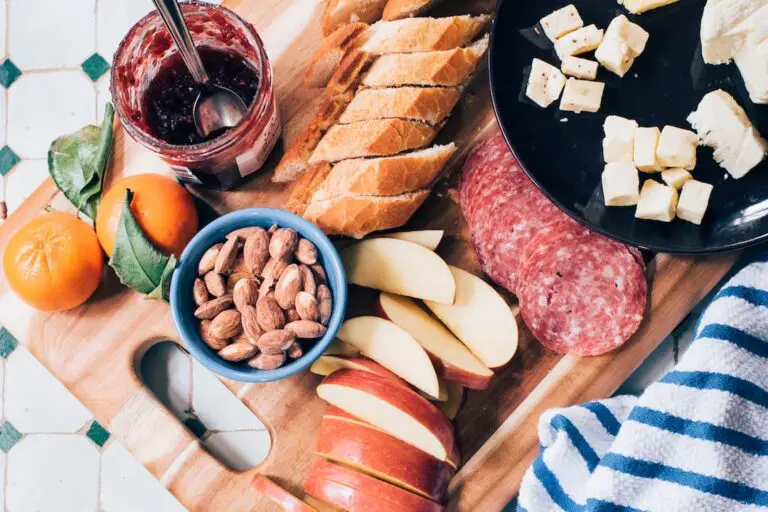
Tea pairs beautifully with food because its bitterness, aroma, sweetness, and astringency can complement or balance a snack. Mintel’s market insights point to younger consumers and frequent snack occasions as an opportunity for tea brands, while restaurant trends show how milk tea and sweet toppings can act as treats in their own right.
| Tea style | Pair it with | Why the pairing works |
|---|---|---|
| Bright Nepalese black tea | Butter cookies or lightly spiced cake | The tea’s fragrance can cut through sweetness |
| Roasted Taiwanese olong | Toasted nuts or sesame sweets | Toasted notes echo each other |
| Korean green tea | Rice crackers or lightly salted snacks | Fresh, savory notes balance salt |
| Kenyan black tea | Citrus cake or dark chocolate | Brisk strength can stand up to rich flavors |
| Floral white tea | Pear, apple, or mild shortbread | Gentle flavors won’t overwhelm the tea |
For a simple tasting, take a sip before the snack, then after. If the tea suddenly tastes sweeter, sharper, or more bitter, you’ve learned something about the pairing—and probably found an excellent excuse for another biscuit.
♻️ How Tea Brands Can Support a More Sustainable Future
A brand can sell a delicious tea and still leave important questions unanswered. Sustainability is not one label or one box made from recycled paper; it is a set of choices across farming, labor, processing, shipping, packaging, and business relationships.
Fair pay, smallholder partnerships, and community benefits
Tea grows in varied systems, from large estates to smallholder farms and cooperatives. A brand that says it supports farmers should explain how: through long-term purchasing, training, premiums, direct sourcing, or transparent contracts.
Mintel’s research indicates that consumers in some markets are willing to pay more when ethical sourcing benefits farmers directly. That conditional matters. A premium is not automatically proof that more money reaches producers.
Questions we’d ask a brand:
- Which farm, estate, or cooperative produced the tea?
- Is the sourcing relationship long-term?
- How are premiums or benefits distributed?
- Is there an independent certification or audit?
- Can the company report measurable outcomes?
Packaging, water use, and lower-impact production
Tea packaging ranges from recyclable paper to multilayer pouches, plastic-lined sachets, and tins. Each has trade-offs. A package labeled “compostable” may require industrial composting, not a home compost heap; local waste systems also vary.
Mintel has documented growing consumer interest in plastic-free and environmentally friendly packaging. For shoppers, the most helpful label is not the one that sounds greenest—it is the one that tells you what the package is made from and how to dispose of it locally.
A quick packaging check:
- Identify the material and whether it is mixed or layered.
- Look for disposal instructions that match your local system.
- Consider whether the package protects freshness without excessive material.
- Check whether the brand explains water, energy, or production initiatives—not just the outer box.
Authentic storytelling without origin-washing
Tea brands can make a region more visible, but storytelling should not reduce its people and history to scenery. “Remote,” “ancient,” and “untouched” are evocative words; without context, they can hide the growers who do the actual work.
Responsible origin storytelling:
- Names the producer or community where possible
- Avoids treating local cultures as marketing props
- Distinguishes documented history from legend
- Explains sourcing and production choices
- Recognizes the limits of its claims
We favor specifics over romance. “Hand-rolled by this named producer in this district during the spring harvest” tells you more than a paragraph about misty mountains and mysterious leaves.
🛒 How to Buy and Taste Tea from Emerging Origins
Buying unfamiliar tea is less intimidating if you treat it like a tasting flight rather than a life-changing commitment. Start with one or two origins, compare samples, and keep notes. Our Tea Brand Guides can help you evaluate brand information and tea styles.
Loose-leaf tea, tea bags, and sample sets
| Format | Benefits | Drawbacks | Best for |
|---|---|---|---|
| Loose leaf | Easy to adjust quantity; often shows leaf shape | Needs a strainer or infuser | Comparing specialty teas |
| Tea bags | Convenient and tidy | Leaf size and origin detail may be limited | Everyday brewing and travel |
| Sample sets | Lets you compare several teas | Smaller portions may not suit repeated experiments | Exploring unfamiliar regions |
| Tea sachets | Convenient with more room for leaf than some bags | Still varies by brand and material | Quick, consistent cups |
If you are exploring a new origin, a sample set is often the smartest route. You can compare more than one harvest or style without buying a full supply of a tea you may not love.
Questions to ask before choosing a tea brand
Use this short checklist before buying:
- Where was it grown? Look for a region, not only a country.
- Who produced it? Seek a named farm, estate, cooperative, or maker.
- When was it harvested? Especially useful for green and lightly processed teas.
- How was it processed? Processing details help explain flavor.
- Is it a blend? Blends can be excellent; you simply deserve to know.
- How should it be brewed? Good sellers provide practical guidance.
- What do sourcing claims mean? Certifications and ethical language should be explained.
- Can I buy a sample? A small tasting can prevent a large disappointment.
A simple tasting method for comparing origins
Here’s the method we use when several teas arrive at the tasting table looking equally promising—and equally capable of being dramatic.
- Use clean, odor-free cups. Soap fragrance can distort delicate aromas.
- Keep the variables consistent. Use the same water, leaf quantity, vessel, and steep time for the initial comparison.
- Follow each seller’s guidance first. Different tea styles may need different temperatures, so don’t force every tea into one brewing rule.
- Look at the dry leaf. Note shape, color, and aroma.
- Smell the warm leaf. A first sniff often reveals more than the label.
- Taste plain. Notice sweetness, bitterness, astringency, body, and finish.
- Try a second infusion if appropriate. Whole-leaf teas may change noticeably.
- Record what you would drink again. “I like this” is a perfectly respectable tasting note.
| What to notice | Example notes |
|---|---|
| Aroma | Floral, grassy, toasted, fruity, woody |
| Body | Light, silky, rounded, brisk |
| Taste | Sweet, savory, malty, vegetal, mineral |
| Astringency | Soft, drying, gripping |
| Finish | Short, lingering, sweet, clean |
| Best use | Plain, iced, with food, with milk |
🫖 Brewing Tips for Unfamiliar Teas
Brewing is the easiest variable to control—and the easiest way to accidentally blame a good tea for a bad cup. Start with the brand’s directions, then adjust gradually.
Water temperature, steep time, and leaf quantity
The guidance below is a practical starting point, not a law of tea nature. Leaf size, vessel, water quality, and personal taste all affect the result.
| Tea style | Starting water temperature | Starting steep time | Adjustment if too strong |
|---|---|---|---|
| Green tea | 70–85°C / 158–185°F | 1–3 minutes | Lower temperature or steep less |
| White tea | 75–90°C / 167–194°F | 2–5 minutes | Use less leaf or shorten steep |
| Oolong tea | 85–95°C / 185–203°F | 1–4 minutes | Shorten steep; try multiple infusions |
| Black tea | 90–100°C / 194–212°F | 2–5 minutes | Reduce steep time or leaf quantity |
| Herbal infusion | Often near boiling | 5–10 minutes | Use less herb or steep less |
For a reliable reference point on safe water use and brewing, consult the UK Tea & Infusions Association. If a seller gives specific instructions for a particular lot, start there.
How to adjust brewing for green, black, and olong tea
Green tea
- Start cooler than boiling.
- Use a shorter steep, then taste.
- If it tastes harsh, change temperature before adding sugar.
Black tea
- Use hotter water than for most green teas.
- Step long enough to develop body, but avoid leaving it forgotten while you answer a message.
- Add milk only after tasting plain if you want to understand the tea’s character.
Oolong tea
- Try a modest leaf quantity and short initial steps.
- Many whole-leaf olongs can be re-steped; the flavor may shift with each infusion.
- Don’t assume every olong is floral. Roast level can make a toastier, deeper cup.
Common brewing mistakes and easy fixes
| Problem | Likely cause | Try this |
|---|---|---|
| Bitter green tea | Water too hot or steep too long | Lower temperature, shorten steep |
| Weak black tea | Too little leaf or too-cool water | Add leaf or use hotter water |
| Flat flavor | Old tea, poor storage, or tired water | Check freshness and storage |
| Too astringent | Over-extraction or hard water | Shorten steep; test filtered water |
| Different results each time | Inconsistent quantity, temperature, or timing | Use a timer and measure leaf |
| Tea tastes “off” | Odor-contaminated equipment or stale leaves | Rinse the teaware and check the tea |
Tiny but useful trick: Change one variable at a time. If you change temperature, leaf quantity, and steep time all at once, you may improve the cup—but you won’t know why.
🔎 How to Choose the Right Tea Origin for You
The best origin to explore is the one that fits your palate, budget, and curiosity—not the one with the most dramatic packaging.
Best emerging origins for beginners
| If you usually enjoy… | Try exploring… | Why it may appeal |
|---|---|---|
| Fragrant black tea | Nepal or Sri Lanka | Aromatic profiles and familiar black-tea structure |
| Fresh, vegetal tea | South Korea or Vietnam | Green teas with a range of fresh and savory notes |
| Smooth, rounded tea | Taiwan olong | A broad range of floral, creamy, and roasted styles |
| Strong breakfast tea | Kenya or Indonesia | Robust black teas, including styles suited to milk |
| A new origin story | Georgia | A historic tea region gaining fresh attention |
Start with a trusted specialist seller, not a random listing making grand promises. Brands such as Osulloc can be a starting point for Korean tea exploration; specialist importers may offer more origin-specific Nepalese, Taiwanese, or Georgian lots.
Best origins for adventurous tea drinkers
For experienced drinkers, we’d look for:
- Vietnamese teas from older trees, with clear sourcing and careful explanations of what “wild” means
- Taiwanese olongs with identified region, cultivar, and roast level
- Malawian specialty teas from named producers such as Satemwa
- Georgian teas from revival gardens with traceable harvest information
- Kenyan orthodox teas that show how far the origin extends beyond familiar breakfast blends
A rare tea can be challenging, and that’s not a defect. But rarity should never be used to distract from unclear sourcing or poor quality.
Best options for gifts and tea tasting flights
A tasting flight is a thoughtful gift for a tea drinker because it turns a single “Do you like tea?” into a much more interesting question: Which landscape and process speak to you?
Build a small flight with:
- One fragrant black tea, such as a Nepalese or Sri Lankan lot
- One green tea from South Korea or Vietnam
- One Taiwanese olong
- One unusual African specialty tea, such as a Malawi-made lot
- A simple notebook for aroma, flavor, and brewing notes
Pair it with a basic infuser and brewing guide. For more gift ideas and producer profiles, browse Tea Brand Spotlights.