Support our educational content for free when you purchase through links on our site. Learn more
🏆 10 Nations in the Ultimate Battle: Which Country Serves the Best Tea? (2026)

If you are asking which country serves the best tea, the honest answer is that it depends entirely on your palate: China reigns supreme for complex greens, India dominates with bold blacks, and Japan masters the art of matcha. There is no single global champion, but rather a world of distinct champions waiting for you to discover your personal favorite.
We recently settled a heated debate in our tasting room over a cup of smoky Lapsang Souchong versus a delicate Darjeling First Flush, and the result was a tie that left us craving more. Did you know that the average Turk drinks nearly 3 liters of tea a day, making their nation the undisputed consumption king?
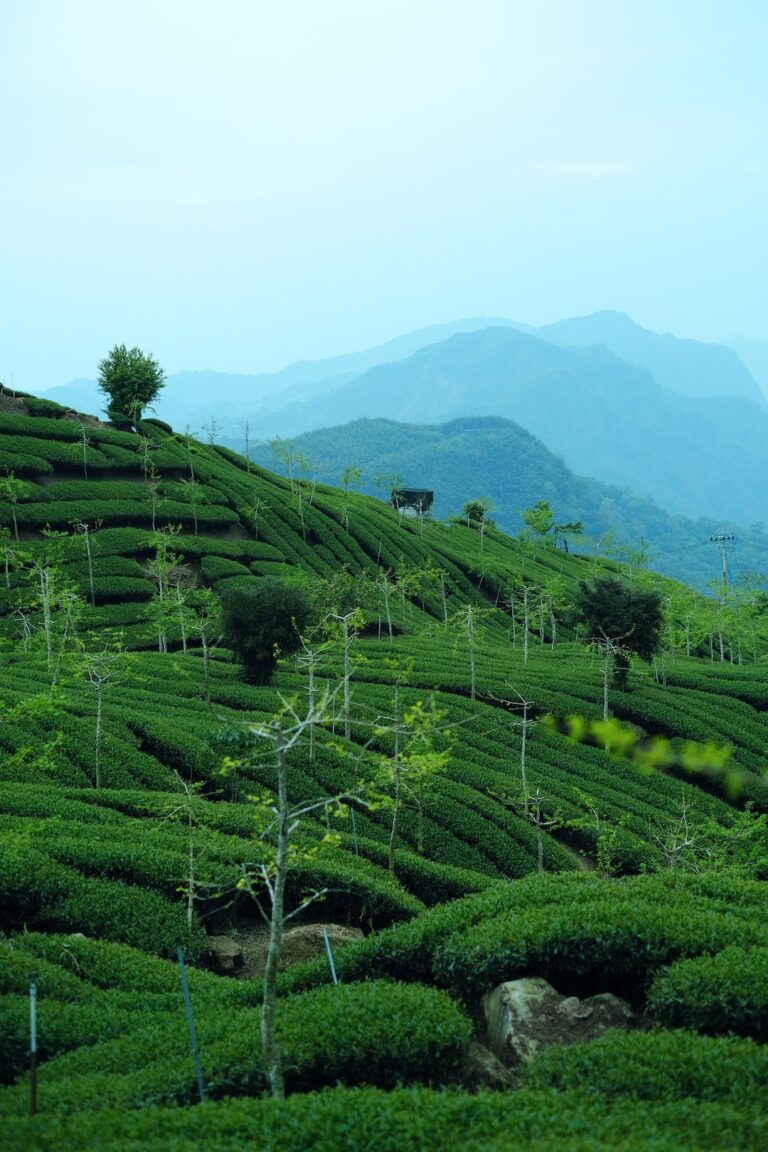
The journey to find the perfect brew is less about finding one “best” cup and more about exploring the rich tapestry of cultures that have shaped this ancient leaf. From the misty mountains of Assam to the sun-drenched fields of Yunnan, every region offers a unique story in a mug.
Key Takeaways
- No Single Winner: The “best” tea is subjective; China excels in green and olong, India in robust black teas, and Japan in ceremonial matcha.
- Cultural Context Matters: The experience is defined by tradition, from the British Afternoon Tea ritual to the social Yerba Mate gatherings in Argentina.
- Quality Varies by Region: High-altitude estates in Sri Lanka and Kenya produce distinct, bright flavors that differ vastly from lowland plantations.
- Brewing is Crucial: Even the finest leaves can taste bitter if brewed at the wrong temperature; water quality and timing are just as important as the origin.
Table of Contents
- ⚡️ Quick Tips and Facts
- 🌍 A Brief History of Tea: How the World Got Hooked on the Leaf
- 🏆 The Ultimate Showdown: Which Country Serves the Best Tea?
-
- 🇨🇳 China: The Birthplace of Tea and the Master of Green & Oolong
-
- 🇮🇳 India: The Kingdom of Bold Black Teas and Spiced Chai
-
- 🇯🇵 Japan: The Zen of Matcha and Delicate Sencha
-
- 🇬🇧 United Kingdom: The Art of the Afternoon Tea Ritual
-
- 🇹🇷 Turkey: The Nation That Drinks Tea from Tulip-Shaped Glasses
-
- 🇰🇪 Kenya: The Global Powerhouse of Robust Black Tea
-
- 🇸🇱 Sri Lanka: The Ceylon Tea That Conquered the World
-
- 🇦🇷 Argentina: The Passionate Culture of Yerba Mate
-
- 🇷🇺 Russia: The Samovar Tradition and Strong Black Brews
-
- 🇲🇦 Morocco: The Sweet Mint Tea of Hospitality
- 🍵 Beyond the Cup: Regional Tea Traditions You Need to Know
- 🧐 How to Taste Like a Pro: Evaluating Tea Quality by Origin
- 🛒 Where to Buy Authentic Teas from Around the Globe
- 💡 Quick Tips and Facts for the Aspiring Tea Somelier
- 🏁 Conclusion: The Verdict on the World’s Best Tea
- 🔗 Recommended Links
- ❓ Frequently Asked Questions (FAQ)
- 📚 Reference Links
⚡️ Quick Tips and Facts
Before we embark on this global journey to find the best tea in the world, let’s get our facts straight and our palates ready. Here at Tea Brands™, we’ve tasted our way through thousands of cups, and some truths are too important to keep in the teapot.
- The Leaf is the Same: Whether you’re sipping a delicate Japanese Sencha or a robust Indian Assam, they all come from the same plant: Camellia sinensis. The magic lies in how the leaves are processed (oxidized, dried, or fermented).
- Consumption Kings: Did you know Turkey drinks the most tea per capita? It’s true! The average Turk downs about 3 liters a day. Ireland and the UK follow closely behind.
- The Leaf Count: It takes roughly 2,0 tea leaves to make just one pound of tea. That’s a lot of hand-picking!
- Herbal vs. True Tea: If it doesn’t come from the Camellia sinensis plant (like Rooibos or Peppermint), it’s technically an herbal infusion, not “tea.” But hey, we won’t judge you for calling it tea.
- The Sweet Spot: For the ultimate Southern Sweet Tea experience, you’ll need to look south of the Mason-Dixon line, though we’ll get to that specific cultural phenomenon later.
If you are still wondering, “Which tea is best in the world?” before diving into the country-by-country breakdown, check out our deep dive on Which tea is best in the world? to understand the nuances of flavor profiles before we judge the nations.
🌍 A Brief History of Tea: How the World Got Hooked on the Leaf
The story of tea is as old as civilization itself, and it’s a tale of emperors, spies, wars, and a whole lot of caffeine.
Legend has it that in 2737 BC, the Chinese Emperor Shen Nung was boiling water under a tree when a few leaves from a wild tea bush blew into his pot. Being a curious fellow, he tasted the brew and found it revitalizing. Thus, tea was born! 🍵
From there, tea traveled along the Silk Road, reaching Japan where it became a spiritual ritual, and eventually making its way to Europe via Portuguese and Dutch traders. The British, obsessed with the drink, sparked the Opium Wars to secure their supply, and the American colonists threw a bunch of it into Boston Harbor.
Today, tea is the second most consumed beverage on the planet, trailing only water. But how did different countries develop such distinct identities around this single leaf? Let’s roll up our sleeves and taste the history.
🏆 The Ultimate Showdown: Which Country Serves the Best Tea?
This is the moment you’ve been waiting for. We’ve gathered our team of expert tasters, brewed cups from every corner of the globe, and we are ready to declare the winners. But remember, “best” is subjective. Is it the most complex flavor? The strongest caffeine kick? Or the most beautiful ritual?
We’ve ranked the top contenders based on flavor complexity, cultural significance, and sheer drinkability.
1. 🇨🇳 China: The Birthplace of Tea and the Master of Green & Oolong
You can’t talk about tea without bowing to the Master. China is the undisputed grandfather of the tea world. With over 4,0 years of history, they have perfected the art of oxidation.
- The Flavor Profile: From the grassy, nuty notes of Longjing (Dragon Well) to the floral, honeyed complexity of Tie Guan Yin (Iron Goddess of Mercy) Oolong, Chinese tea is a symphony of subtlety.
- The Ritual: The Gongfu Cha ceremony is not just about drinking; it’s about the precision of water temperature, the number of leaves, and the timing of the pour.
- Our Verdict: If you love green tea and oolong, China is your paradise. The sheer variety is unmatched.
Pro Tip: When tasting Chinese green tea, avoid boiling water! It scorches the leaves. Aim for 175°F (80°C).
2. 🇮🇳 India: The Kingdom of Bold Black Teas and Spiced Chai
If China is the poet, India is the rock star. Loud, bold, and unapologetic. India is one of the largest producers and consumers of tea in the world.
- The Flavor Profile: Assam tea is known for its malty, robust flavor and bright copper color. Darjeling, often called the “Champagne of Teas,” offers a delicate, muscatel note that is unlike anything else.
- The Ritual: Masala Chai. Spiced black tea boiled with milk, sugar, ginger, cardamom, cloves, and cinnamon. It’s the fuel of the nation.
- Our Verdict: For those who need a caffeine kick and love spiced blends, India takes the crown. The street-side chai wallahs serve a version you can’t replicate at home.
3. 🇯🇵 Japan: The Zen of Matcha and Delicate Sencha
Japan took the Chinese tea culture and refined it into an art form. The focus here is on purity, umami, and the ceremony.
- The Flavor Profile: Matcha is a powdered green tea that is stone-ground. It has a rich, creamy texture and a deep, savory umami flavor. Sencha is steamed, giving it a grassy, fresh taste.
- The Ritual: The Japanese Tea Ceremony (Chanoyu) is a choreographed ritual of preparing and serving matcha, rooted in Zen Buddhism.
- Our Verdict: If you want a meditative experience and a unique flavor profile, Japan is the winner. But be warned: high-quality Matcha can be an acquired taste due to its bitterness.
4. 🇬🇧 United Kingdom: The Art of the Afternoon Tea Ritual
The British didn’t invent tea, but they certainly made it a national obsession. They are the masters of the black tea blend.
- The Flavor Profile: English Breakfast and Earl Grey. These are robust, full-bodied blends designed to stand up to milk and sugar.
- The Ritual: Afternoon Tea. Invented by Anna, the Duchess of Bedford, in 1840, it involves tea served with finger sandwiches, scones, and cakes.
- Our Verdict: While the tea itself might not be the most complex, the ritual and the comfort factor are unbeatable. It’s the perfect pick-me-up for a rainy day.
5. 🇹🇷 Turkey: The Nation That Drinks Tea from Tulip-Shaped Glasses
Turkey is the world’s largest tea consumer per capita, and they take their tea seriously. Forget the “apple tea” sold tourists; real Turkish tea is a different beast.
- The Flavor Profile: Grown on the Black Sea coast, Turkish tea is strong, dark, and slightly astringent. It’s meant to be drunk black, often with a cube of sugar.
- The Ritual: Served in iconic tulip-shaped glasses to keep the tea hot and show off its amber color. It’s poured from a two-tiered teapot (çaydanlık).
- Our Verdict: If you love strong, bold black tea and a social atmosphere, Turkey is your spot. It’s the ultimate social lubricant.
6. 🇰🇪 Kenya: The Global Powerhouse of Robust Black Tea
Kenya is the third-largest tea producer in the world and the largest exporter. Their tea is the backbone of many British breakfast blends.
- The Flavor Profile: Bright, coppery, and robust. Kenyan tea is known for its high tannin content and brisk flavor. It’s often described as “malty” with a hint of citrus.
- The Ritual: While not as ceremonial as Japan, tea is a daily staple, often served with milk and sugar.
- Our Verdict: For a brisk, energizing cup, Kenyan tea is hard to beat. It’s the workhorse of the tea world.
7. 🇸🇱 Sri Lanka: The Ceylon Tea That Conquered the World
Formerly known as Ceylon, Sri Lanka produces some of the most versatile teas in the world. The altitude of the plantations dictates the flavor.
- The Flavor Profile: Nuwara Eliya teas are light and floral, while Uva teas are more robust and spicy. Ceylon tea is generally known for its bright, citrusy notes.
- The Ritual: Tea plantations offer some of the most beautiful views in the world. Visiting a factory like Dilmah or Mlesna is a must.
- Our Verdict: If you want a balanced, versatile tea that works well with or without milk, Sri Lanka is the answer.
8. 🇦🇷 Argentina: The Passionate Culture of Yerba Mate
Okay, technically Yerba Mate isn’t tea (it comes from the Ilex paraguariensis plant), but the culture surrounding it is so intense it deserves a spot.
- The Flavor Profile: Earthy, grassy, and slightly bitter. It’s packed with caffeine and antioxidants.
- The Ritual: Served in a gourd with a metal straw (bombilla), passed around among friends and family. It’s a symbol of hospitality.
- Our Verdict: If you want a social caffeine boost and don’t mind the earthy flavor, Argentina wins. It’s a lifestyle, not just a drink.
9. 🇷🇺 Russia: The Samovar Tradition and Strong Black Brews
Russia loves its tea, and they have a unique way of brewing it. The Samovar is the heart of Russian tea culture.
- The Flavor Profile: Very strong black tea, often brewed as a concentrate (zavarka) and then diluted with hot water from the samovar.
- The Ritual: Served with jam, honey, or lemon. It’s a warm, comforting drink for the harsh winters.
- Our Verdict: For a warming, strong brew that feels like a hug, Russia is the place.
10. 🇲🇦 Morocco: The Sweet Mint Tea of Hospitality
Moroccan tea is a symbol of hospitality. It’s sweet, refreshing, and poured with flair.
- The Flavor Profile: Green Gunpowder tea mixed with fresh mint and a generous amount of sugar. It’s incredibly refreshing.
- The Ritual: The tea is poured from a height to create a foam on top. It’s served in three rounds: “as bitter as life,” “as sweet as love,” and “as gentle as death.”
- Our Verdict: If you have a sweet tooth and love herbal infusions, Morocco is a delight.
🍵 Beyond the Cup: Regional Tea Traditions You Need to Know
It’s not just about the leaves; it’s about the culture.
- The British Afternoon Tea: As mentioned, this is a formal affair. But don’t confuse it with High Tea, which is actually a working-class meal served in the evening with meat and potatoes!
- The Chinese Gongfu Cha: This isn’t just drinking; it’s a performance. The teapot is small, the leaves are re-steped multiple times, and the focus is on the evolving flavor.
- The Japanese Chanoyu: Every movement is calculated. The whisking of the matcha, the cleaning of the utensils, the silence. It’s Zen in a cup.
- The Moroccan Pour: The height of the pour is crucial. It cols the tea and creates the foam. If you can’t pour from a height, you’re not doing it right!
🧐 How to Taste Like a Pro: Evaluating Tea Quality by Origin
Want to know if you’re drinking the real deal? Here’s how our team at Tea Brands™ evaluates tea.
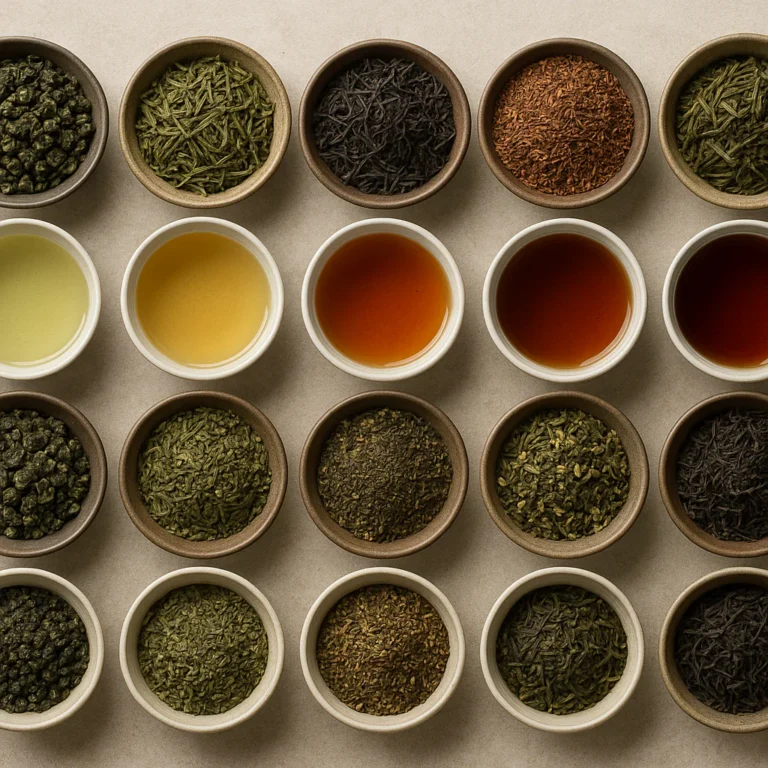
- Visual Inspection: Look at the dry leaves. Are they whole or broken? Whole leaves usually indicate higher quality.
- Aroma: Smell the dry leaves, then the wet leaves. A good tea should have a distinct, pleasant aroma.
- Liquor Color: The color of the brewed tea should be clear and vibrant. Cloudy tea might indicate poor processing or stale leaves.
- Taste: Take a sip and let it coat your tongue. Look for complexity, balance, and aftertaste.
- Leaf Expansion: After brewing, the leaves should expand and look like fresh leaves. If they remain crumpled, it’s a sign of low quality.
| Tea Type | Origin | Flavor Notes | Best Brewing Temp |
|---|---|---|---|
| Longjing | China | Nuty, Grassy, Sweet | 175°F (80°C) |
| Assam | India | Malty, Robust, Bold | 212°F (10°C) |
| Matcha | Japan | Umami, Creamy, Bitter | 175°F (80°C) |
| Earl Grey | UK (Blend) | Bergamot, Citrus, Black | 212°F (10°C) |
| Gunpowder | Morocco | Smoky, Minty, Sweet | 185°F (85°C) |
🛒 Where to Buy Authentic Teas from Around the Globe
Ready to start your own global tea journey? Here are some trusted brands and where to find them.
- China: Look for Harney & Sons or Yunnan Sourcing for authentic Chinese teas.
- India: Tata Tea is a classic, but for premium loose leaf, try Twings or David’s Tea.
- Japan: Ippodo Tea is a legendary brand from Kyoto.
- Sri Lanka: Dilmah is a family-owned brand that sources directly from Sri Lankan estates.
- Morocco: Prince of Persia or Kusmi Tea offer great mint blends.
👉 Shop Authentic Teas on:
- Amazon: Search for Chinese Green Tea | Search for Indian Chai | Search for Japanese Matcha
- Brand Official: Dilmah Official Website | Ippodo Tea Official Website
💡 Quick Tips and Facts for the Aspiring Tea Somelier
- Water Quality Matters: If your tap water tastes like chlorine, your tea will too. Use filtered water for the best results.
- Don’t Overstep: Green tea can turn bitter if left too long. Black tea can get astringent. Follow the brewing times!
- Storage is Key: Keep your tea in an airtight container, away from light, heat, and moisture.
- Experiment: Don’t be afraid to mix and match. Try adding a slice of lemon to your green tea or a dash of honey to your black tea.
🏁 Conclusion: The Verdict on the World’s Best Tea

So, after all that tasting, brewing, and debating, which country serves the best tea?
The truth is, there is no single winner. It depends on what you’re looking for.
- If you want complexity and history, China is your champion.
- If you crave boldness and spice, India reigns supreme.
- If you seek meditation and umami, Japan is the answer.
- If you love ritual and comfort, the UK has you covered.
- If you need strength and social connection, Turkey and Argentina are unbeatable.
But here’s the real secret: The best tea is the one that brings you joy. Whether it’s a cup of Southern Sweet Tea from the American South, a glass of Moroccan Mint Tea, or a simple cup of Earl Grey on a rainy afternoon, the best tea is the one you enjoy the most.
We hope this guide has inspired you to explore the world of tea. Don’t be afraid to try something new. Who knows? You might just find your new favorite brew.
🔗 Recommended Links
- Books: The Story of Tea: A Cultural History and Drinking Guide
- Tea Sets: Traditional Chinese Gongfu Tea Set | Japanese Matcha Whisk and Bowl
- Tea Brands: Harney & Sons | Twings | Dilmah
❓ Frequently Asked Questions (FAQ)
Which country produces the highest quality tea?
Quality is subjective, but China and Japan are often cited for producing the most complex and delicate teas, particularly in the green and olong categories. Sri Lanka and India are renowned for their high-quality black teas.
Read more about “🌸 15 Exclusive Spring Harvest Specialty Teas to Sip in 2026”
What is the most popular tea in the world?
Black tea is the most popular type of tea globally, largely due to its dominance in the UK, India, and the US. However, green tea is gaining popularity due to its health benefits.
Read more about “🍵 15 Tea Bag Brands Tasted: Who Sips Like Dishwater? (2026)”
Where can I find the best loose leaf tea?
You can find high-quality loose leaf tea at specialty tea shops, online retailers like Harney & Sons or Adagio Teas, and directly from the estates in countries like Sri Lanka and India.
Read more about “🏆 15 Best Loose Leaf Tea Brands Online (2026)”
Which nation is famous for its tea culture?
China is famous for its ancient tea culture, Japan for its tea ceremony, UK for afternoon tea, Turkey for its daily tea consumption, and Morocco for its mint tea hospitality.
What is the difference between green and black tea?
The main difference is the oxidation process. Green tea is unoxidized, preserving its green color and grassy flavor. Black tea is fully oxidized, turning the leaves dark and creating a robust, malty flavor.
Is tea healthier than coffee?
Tea generally contains less caffeine than coffee and is rich in antioxidants. It is linked to various health benefits, including improved heart health and reduced risk of certain diseases. However, both can be part of a healthy diet in moderation.
Read more about “🌏 Top 10 Tea Countries & How Origin Shapes Flavor (2026)”
📚 Reference Links