Support our educational content for free when you purchase through links on our site. Learn more
🍵 What Is a High End Tea? The Secret to Liquid Gold (2026)


High-end tea is defined not by a price tag, but by the integrity of whole, hand-picked leaves from specific teroirs, processed with artisanal precision to unlock complex, multi-layered flavors. When you ask what is a high end tea, you are really asking about a beverage that refuses to be rushed, offering a sensory journey that cheap, dusty fannings simply cannot replicate.
Imagine the first time you tasted a genuine First Flush Darjeling. One moment you expect a simple, grassy cup, and the next, your palate is flooded with the distinct, intoxicating aroma of muscatel grapes and fresh flowers. That isn’t magic; it’s the result of leaves plucked by hand at dawn, processed with millimeter precision, and steeped with care.
Most supermarket teas are harvested by machines that strip everything in sight, including old, tough leaves that turn bitter. In contrast, premium estates often harvest only the “two leaves and a bud,” ensuring every sip is smooth, sweet, and incredibly aromatic.
Did you know that a single gram of top-tier Silver Needle white tea can be steeped over ten times, each infusion revealing a new note of melon, honey, orchid? This longevity and depth of flavor are the true hallmarks of luxury, proving that the best tea is an experience, not just a drink.
Key Takeaways
- Whole Leaf Integrity: High-end tea consists of whole or large broken leaves, never the dust or fannings found in standard tea bags.
- Specific Teroir: The finest teas come from traceable origins with unique microclimates that dictate their distinct flavor profiles.
- Artisanal Craftsmanship: Hand-picking and careful processing by master tea makers are essential for developing complex, non-astringent flavors.
- Multiple Infusions: Premium leaves can be steped repeatedly, offering a evolving sensory experience that cheap tea cannot match.
- Sensory Depth: Look for a lingering sweet aftertaste (Hui Gan) and a creamy mouthfeel as indicators of true quality.
Table of Contents
- ⚡️ Quick Tips and Facts
- 📜 From Humble Leaf to Liquid Gold: A Brief History of High-End Tea
- 🔍 Decoding the Definition: What Actually Makes a Tea “High End”?
- 🏔️ The Teroir Factor: Why Origin and Elevation Matter More Than You Think
- 👐 The Human Touch: Hand-Picked vs. Machine-Harvested Premium Teas
- 🌿 The Big Four: Deep Dives into Luxury Black, Green, White, and Oolong Varieties
- 1. The Crown Jewel: First Flush Darjeling and Other Rare Black Teas
- 2. The Jade Standard: Premium Chinese Green Teas and Their Subtleties
- 3. The Silver Nectar: Why White Tea is the Ultimate Status Symbol
- 4. The Alchemist’s Brew: Mastering the Complexity of High-Grade Oolong
- 🍵 Beyond the Leaf: How Processing and Craftsmanship Elevate Quality
- 👃 The Nose Knows: Understanding Aroma, Flavor Profiles, and Mouthfeel in Luxury Sips
- 🛒 The Price Tag Puzzle: Is Expensive Tea Always Better?
- 🧐 How to Spot Fake “Premium” Tea: Red Flags and Quality Assurance
- 🍶 Brewing the Best: Techniques to Extract Maximum Flavor from High-End Leaves
- 🎁 The Art of Gifting: Curating the Perfect Luxury Tea Experience
- 🏆 Top Brands and Estates to Watch: Where to Find the World’s Finest Teas
- ❓ Frequently Asked Questions About Luxury Tea
- Conclusion
- Recommended Links
- Reference Links
⚡️ Quick Tips and Facts
Before we dive into the nectar of the gods, let’s cut through the fog of marketing hype with a few hard truths about what actually separates a $5 bag of “gourmet” tea from a $50 tin of liquid gold.
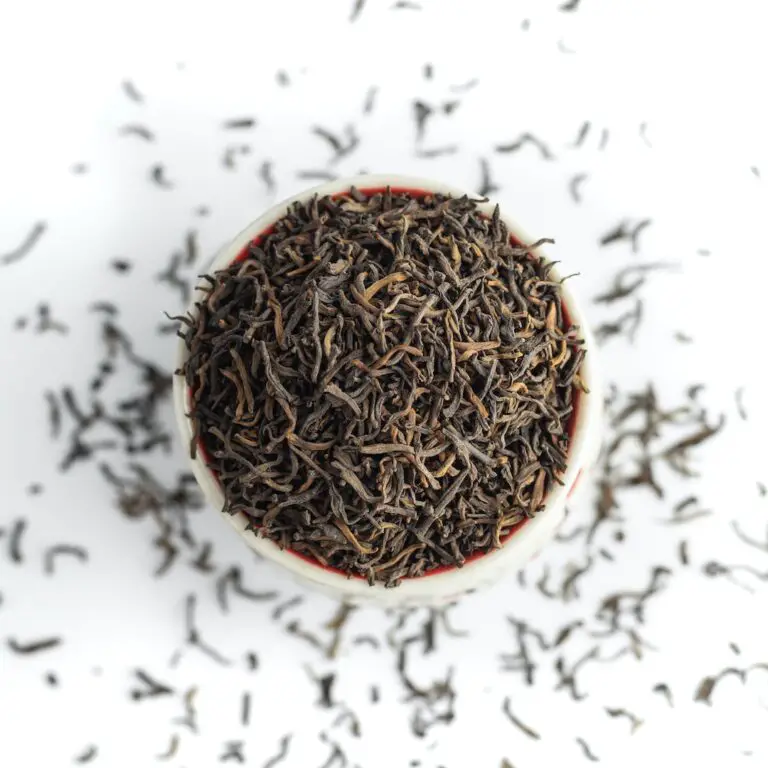
- Whole Leaf is King: If you can’t see the leaf unfurling in your cup, it’s not high-end. High-end tea consists of whole or large broken leaves, not the dusty “fannings” or “dust” found in standard tea bags.
- The Water Temperature Rule: Never pour boiling water on green or white tea. You’ll scorch the leaves, turning a delicate floral sip into a bitter, astringent mess. We’re talking 160°F–175°F for the delicate stuff.
- Multiple Infusions: A true luxury tea isn’t a one-and-done deal. High-grade olongs and greens can be steeped 3 to 10+ times, with each infusion revealing a new layer of flavor.
- Origin Matters: Just like wine, tea has teroir. A Darjeling from the high slopes of the Himalayas tastes worlds apart from one grown in the foothills.
- The “Pennies a Cup” Myth: While rare teas can cost a fortune per gram, when brewed correctly, a single gram can yield multiple cups, making the cost per cup surprisingly reasonable compared to a latte.
For a deeper dive into the brands that are redefining these standards, check out our guide on the best tea brands in the world.
📜 From Humble Leaf to Liquid Gold: A Brief History of High-End Tea

You might think the concept of “premium tea” is a modern marketing invention, but the obsession with the finest leaves dates back centuries. It started in China, where tea was initially a medicinal herb before evolving into a ritual of refinement.
The Tang Dynasty (618–907 AD) saw the first true “tea culture,” where the preparation of tea was elevated to an art form. But it was the Ming Dynasty that gave us the loose-leaf style we cherish today, moving away from compressed tea cakes.
Fast forward to the 17th century, and tea became the most traded commodity in the world. The British East India Company fought wars over it. The Boston Tea Party was a rebellion against it. But even then, the elite were sipping on First Flush Darjelings and rare White Peony while the masses drank whatever was left in the bottom of the barrel.
Today, the definition of “high-end” has expanded. It’s no longer just about colonial trade routes; it’s about sustainable farming, heirloom cultivars, and artisanal processing. We’ve seen a resurgence in small-batch estates in Nepal, Sri Lanka, and even the United States, where farmers are pushing the boundaries of what tea can be.
🔍 Decoding the Definition: What Actually Makes a Tea “High End”?
So, what’s the secret sauce? Is it the price tag? The fancy box? The gold leaf on the label?
Nope.
At Tea Brands™, we’ve tasted thousands of cups, and the definition of high-end tea boils down to three pillars: Quality of Leaf, Processing Craftsmanship, and Origin Integrity.
The Leaf Grade
In the world of tea, size matters. High-end tea is almost exclusively lose leaf.
- Orthodox Processing: This method preserves the integrity of the leaf, allowing for complex flavor development.
- CTC (Crush, Tear, Curl): This is the industrial method used for mass-market tea bags. It creates uniform, small particles that brew fast but lack nuance. If your tea is CTC, it’s likely not “high-end” in the traditional sense.
The Processing
High-end tea is often hand-processed. From the moment the leaf is plucked, it undergoes specific steps—withering, rolling, oxidizing, and firing—that are monitored by master tea makers. A slight variation in temperature or humidity can ruin a batch. This human element is what creates the unique flavor profile of a specific estate.
The Origin
A “high-end” tea must have a traceable origin. You should know the specific garden, the altitude, and the harvest season. Vague labels like “Premium Blend” or “Imported Tea” are red flags. Real luxury tea tells you it’s a Spring Harvest 2024 from the Bing Shan Mountain in Fujian.
🏔️ The Teroir Factor: Why Origin and Elevation Matter More Than You Think
You wouldn’t drink a cheap table wine and expect the complexity of a vintage Bordeaux. The same logic applies to tea. Teroir—the combination of soil, climate, altitude, and sunlight—dictates the chemical composition of the leaf.
- Altitude: High-altitude teas (above 1,20 meters) grow slower. This slow growth allows the leaves to develop higher concentrations of amino acids (like theanine) and aromatic compounds, resulting in a sweter, more complex cup. Low-altitude teas tend to be more astringent and less aromatic.
- Soil Composition: Volcanic soil, clay, and sand all impart different mineral notes. For example, the rocky soil of the Wuyi Mountains gives Da Hong Pao its famous “rock rhyme” (Yan Yun).
- Microclimates: A single mountain can have multiple microclimates. A garden on the north-facing slope might produce a tea with different characteristics than one on the south-facing slope just a few hundred meters away.
Tea Taster’s Note: We once tasted two batches of the same cultivar from the same village. One was from a lower elevation, and the other from the peak. The lower one was grassy and brisk; the peak one was floral, creamy, and lingered for minutes. The difference was night and day.
👐 The Human Touch: Hand-Picked vs. Machine-Harvested Premium Teas
If you want to know if a tea is truly high-end, look at the plucking standard.
Hand-Picked:
- Precision: Skilled pluckers select only the two leaves and a bud (or sometimes just the bud). This ensures uniformity and the highest quality.
- Gentleness: Hand-plucking prevents bruising the leaves, which can start unwanted oxidation before the tea is ready.
- Labor Intensive: It takes a team of workers hours to harvest enough tea for a single kilogram of finished product. This labor cost is reflected in the price.
Machine-Harvested:
- Efficiency: Machines can strip an entire field in minutes.
- Inconsistency: They grab leaves of all sizes, including old, tough leaves and stems.
- Damage: The mechanical action often bruises the leaves, leading to a “flat” or “grassy” flavor profile.
Verdict: While machine harvesting has its place in producing affordable, everyday tea, hand-picking is non-negotiable for high-end tea. It’s the difference between a mass-produced suit and a bespoke tailoring.
🌿 The Big Four: Deep Dives into Luxury Black, Green, White, and Oolong Varieties
Now, let’s get our hands dirty. What does high-end tea actually look like in the cup? We’re breaking down the four pillars of the tea world.
1. The Crown Jewel: First Flush Darjeling and Other Rare Black Teas
When people think of luxury black tea, First Flush Darjeling is the unicorn. Grown in the foothills of the Himalayas, these teas are harvested in late winter/early spring.
- Flavor Profile: Muscatel (a grape-like flavor), floral, astringent but not bitter, with a golden liquor.
- Why it’s Rare: The harvest window is short (only a few weeks), and the yield is low.
- Other Contenders:
Assam Golden Tips: Known for its malty sweetness and golden buds.
Kemun Mao Feng: A Chinese black tea with a wine-like, orchid aroma.
2. The Jade Standard: Premium Chinese Green Teas and Their Subtleties
Green tea is the most delicate. High-end Chinese greens are often pan-fired to stop oxidation, preserving their fresh, vegetal notes.
- Longjing (Dragon Well): Flat, sword-shaped leaves with a nuty, chestnut flavor. The best comes from the West Lake region in Hangzhou.
- Bi Luo Chun: Known for its spiral shape and intense fruity/floral aroma. It’s so delicate it’s often picked by hand in the early morning.
- Japanese Gyokuro: The pinnacle of Japanese green tea. Grown under shade for weeks before harvest, it’s rich in theanine, giving it a deep, savory, umami flavor.
3. The Silver Nectar: Why White Tea is the Ultimate Status Symbol
White tea is the least processed of all teas. It’s simply withered and dried. No rolling, no oxidation. This simplicity makes it incredibly sensitive to quality.
- Silver Needle (Bai Hao Yin Zhen): Made entirely of unopened buds. It’s silvery, fuzzy, and tastes like fresh melon, cucumber, and honey.
- White Peony (Bai Mu Dan): Includes one bud and two leaves. Slightly more robust but still incredibly delicate.
- Aging Potential: Unlike most teas, high-end white tea can be aged for decades, developing complex, earthy, and medicinal notes.
4. The Alchemist’s Brew: Mastering the Complexity of High-Grade Oolong
Oolong is the chameleon of the tea world. It sits between green and black, with oxidation levels ranging from 10% to 80%.
- Tie Guan Yin: A light, floral olong from Anxi, China. It’s known for its “orchid fragrance” and ability to be steeped many times.
- Da Hong Pao (Big Red Robe): A dark, roasted olong from the Wuyi Mountains. It has a smoky, mineral, and fruity complexity that is legendary.
- High Mountain Oolong: Grown in Taiwan at high altitudes, these teas are creamy, sweet, and floral, often with a distinct “cooling” sensation in the throat.
🍵 Beyond the Leaf: How Processing and Craftsmanship Elevate Quality
You can have the best leaf in the world, but if the processing is botched, the tea is ruined. This is where the Master Tea Maker earns their keep.
- Withering: Removing moisture to make the leaf pliable. The duration and humidity control the chemical changes.
- Rolling: Breaking the cell walls to release enzymes and oils. The tightness of the roll affects the infusion speed.
- Oxidation: The enzymatic browning process. For black tea, it’s 10%; for green, it’s 0%. For olong, it’s a dance of precision.
- Firing: The final step to stop oxidation and lock in the flavor. The temperature and method (pan, oven, charcoal) add the final notes.
The “Gongfu” Factor: High-end teas are often processed with the intention of being brewed using the Gongfu method (many short steps). This requires a specific leaf structure and chemical balance that mass-market teas simply don’t have.
👃 The Nose Knows: Understanding Aroma, Flavor Profiles, and Mouthfeel in Luxury Sips
How do you know you’re drinking high-end tea? It’s not just taste; it’s the sensory experience.
- Dry Aroma: Before you even add water, the dry leaves should smell incredible. If it smells like dust or cardboard, walk away.
- Wet Aroma: Once hot water hits the leaves, the scent should explode. This is where you detect floral, fruity, or roasted notes.
- Mouthfeel: High-end tea has body. It shouldn’t feel watery. It should have a creamy, silky, or viscous texture.
- Hui Gan (Sweet Aftertaste): This is the hallmark of a great tea. After you swallow, a sweet, lingering sensation should return to your throat. Cheap tea often leaves a dry, astringent feeling.
- Lingering Aroma: The smell should stay in your mouth and even in the room after the cup is empty.
🛒 The Price Tag Puzzle: Is Expensive Tea Always Better?
Here’s the million-dollar question: Does price equal quality?
Generally, yes, but with caveats.
- The Law of Diminishing Returns: A $20 tea is significantly better than a $5 tea. A $10 tea is better than a $20 tea, but the difference might be subtle.
- Scarcity vs. Quality: Sometimes, you’re paying for rarity (e.g., a specific harvest from a famous mountain) rather than just flavor.
- Marketing Markup: Some brands charge a premium for the packaging and the brand name. Always taste before you buy if possible.
Our Take: A $50 tin of high-quality loose leaf from a reputable estate is often a better value than a $10 tin of a “famous” brand that relies on marketing.
🧐 How to Spot Fake “Premium” Tea: Red Flags and Quality Assurance
The tea market is rife with fakes. Here’s how to avoid getting scammed:
| Red Flag | What It Means |
|---|---|
| “Flavoring” or “Natural Flavors” | Real tea shouldn’t need artificial flavoring. If it says “Natural Flavors,” it’s likely a lower-grade leaf sprayed with essence. |
| Dust or Fannings | If the leaves are tiny crumbs, it’s not premium. |
| Vague Origin | “Blended from the finest leaves of China/India” is a lie. Real tea has a specific garden or region. |
| Uniform Color | High-end tea has natural variation. If every leaf looks identical, it might be dyed or processed artificially. |
| No Harvest Date | Tea is an agricultural product. It has a shelf life. If there’s no date, it might be old stock. |
🍶 Brewing the Best: Techniques to Extract Maximum Flavor from High-End Leaves
You bought the expensive tea. Now, don’t ruin it with boiling water!
Step-by-Step Guide to Brewing High-End Tea:
- Water Quality: Use filtered or spring water. Tap water with chlorine will destroy the delicate flavors.
- Temperature:
Green/White: 160°F–175°F (70°C–80°C)
Oolong: 185°F–20°F (85°C–95°C)
Black/Herbal: 20°F–212°F (95°C–10°C) - Ratio: Use 2-3 grams of tea per 6-8 oz of water. For Gongfu style, use more tea (5g per 150ml).
- Steping Time:
First Infusion: 1-2 minutes (taste it! Don’t guess).
Subsequent Infusions: Add 15-30 seconds for each steep. - Vessel: Use a porcelain or clay teapot. Avoid metal or plastic, which can impart flavors.
Pro Tip: If you don’t have a thermometer, boil the water and let it sit for 2-3 minutes for green tea, or 1 minute for black tea.
🎁 The Art of Gifting: Curating the Perfect Luxury Tea Experience
Looking for a gift that says “I care”? High-end tea is the ultimate present.
- The Presentation: Luxury tea comes in tins, wooden boxes, or silk pouches. The unboxing experience is part of the gift.
- The Selection: Choose a variety pack (Black, Green, White, Oolong) to let the recipient explore.
- The Accessories: Pair the tea with a ceramic gaiwan or a glass teapot to complete the experience.
- Personalization: Many brands offer custom labels or handwritten notes.
For inspiration on creating the perfect tea gift, check out our Specialty Blends category.
🏆 Top Brands and Estates to Watch: Where to Find the World’s Finest Teas
We’ve tasted the best, and these are the names you need to know.
- Harney & Sons: Known for their Paris blend and high-quality single-origin teas. They offer a great entry point into luxury tea.
- David’s Tea: While known for blends, their single-origin loose leaf is surprisingly good.
- Rishi Tea: A leader in organic, ethically sourced, and rare teas. Their Jade Oolong is a standout.
- Adagio Teas: Great for variety and custom blending. Their Earl Grey is a classic.
- The Rare Tea Company: As mentioned in our research, they offer incredible First Flush Darjeling and Silver Tip Jasmine.
- Tea Forté: Famous for their pyramid bags (which are actually quite good for the format) and their lose leaf collections.
For a comprehensive list of where to buy, visit our Tea Brand Guides.
❓ Frequently Asked Questions About Luxury Tea
How should you brew high end tea for the best flavor?
Brewing high-end tea is an art. Use filtered water at the correct temperature (lower for green/white, higher for black/oolong). Use a higher leaf-to-water ratio and steep for shorter times (1-2 minutes) to avoid bitterness. For the ultimate experience, try the Gongfu method with multiple short infusions.
What are some popular types of high end tea?
The most sought-after include First Flush Darjeling, Silver Needle White Tea, Gyokuro Green Tea, Da Hong Pao Oolong, and Vintage Pu-erh.
How do high end teas differ from regular teas?
High-end teas use whole leaves, are hand-picked, and come from specific origins. Regular teas often use dust/fannings, are machine-harvested, and are blended from various sources to maintain a consistent, generic flavor.
What makes tea high end or premium quality?
It’s a combination of leaf grade, processing skill, origin specificity, and freshness. The presence of buds, aroma, and the ability to be re-steped are key indicators.
Is high-end tea worth the investment?
Absolutely. If you appreciate nuance, complexity, and the ritual of tea, the difference is palpable. Plus, a little goes a long way, making the cost per cup reasonable.
What factors contribute to the high cost of certain teas?
Labor (hand-picking), scarcity (limited harvest windows), teroir (specific microclimates), and aging (for Pu-erh) drive up the price.
Where can I buy high-end tea?
Look for specialty tea shops, online retailers with good reputations (like the ones we mentioned), and direct from the estate if possible. Avoid generic grocery store brands for premium experiences.
How does the price of high-end tea compare to regular tea?
High-end tea can cost $50 to $20+ per pound, while regular tea is often $10-$20 per pound. However, high-end tea yields more cups per gram due to multiple infusions.
What are some examples of high-end teas?
- Da Hong Pao (Wuyi Rock Oolong)
- Silver Needle (Fujian White Tea)
- First Flush Darjeling (Himalayan Black Tea)
- Gyokuro (Japanese Green Tea)
- 20-year-old Pu-erh (Aged Dark Tea)
What makes a tea “high end”?
It’s the integrity of the leaf, the craftsmanship of processing, and the story of the origin. It’s tea that tells a story with every sip.
What makes a tea luxury?
Luxury tea is about exclusivity, experience, and quality. It’s the difference between a fast-food burger and a Michelin-stared meal.
Conclusion

So, is high-end tea just a fancy way to say “expensive”? No. It’s a gateway to a world of flavor, history, and craftsmanship that mass-produced tea simply cannot replicate. From the muscatel notes of a First Flush Darjeling to the umami depth of a Gyokuro, the difference is undeniable.
We’ve covered the teroir, the processing, the brewing, and the brands. But the real question remains: Will you take the leap?
If you’ve been sipping on dusty bags and wondering what you’re missing, the answer is simple. Start with a small tin of Silver Needle or a First Flush Darjeling. Brew it with care, and let the leaves unfurl. You might just find that the best thing you can do for your morning routine is to slow down and savor the liquid gold.
Our Recommendation: If you’re new to the world of luxury tea, start with Rishi Tea’s Organic Silver Needle or Harney & Sons’ First Flush Darjeling. They offer an accessible entry point into the high-end world without breaking the bank. For the true conoisseur, seek out a vintage Pu-erh or a rare Wuyi Oolong from a reputable estate.
Recommended Links
- 👉 Shop Luxury Loose Leaf Tea: Rare Tea Company – Luxury Loose Leaf Tea
- Tea Forté Gourmet Tea Collection: Tea Forté – Gourmet Tea
- Best Tea Brands in the World: Tea Brands – Best Tea Brands
- Tea Brand Spotlights: Tea Brands – Brand Spotlights
- Tea Brand Guides: Tea Brands – Brand Guides
- Health Benefits of Tea: Tea Brands – Health Benefits
- Specialty Blends: Tea Brands – Specialty Blends
- Herbal Tea: Tea Brands – Herbal Tea
- The Art of Tea Brewing: Amazon – The Art of Tea Brewing
- Tea: A History of the World’s Favorite Drink: Amazon – Tea: A History
Reference Links
- Rare Tea Company: Rare Tea Company – Luxury Tea
- Tea Forté: Tea Forté – Gourmet Tea
- Harney & Sons: Harney & Sons – Premium Teas
- Rishi Tea: Rishi Tea – Organic Teas
- Adagio Teas: Adagio Teas – Loose Leaf Tea
- The Tea Association of the USA: Tea Association of the USA
- International Tea Committee: International Tea Committee
- Financial Times – Best Earl Grey: Financial Times – Best Earl Grey (Note: Specific article link may vary, search for “Financial Times best Earl Grey”)