Support our educational content for free when you purchase through links on our site. Learn more
🌱 35+ Sustainable Tea Bag Brands with Home-Compostable Certification (2026)


Did you know that the humble tea bag in your morning cup might be releasing 1.6 billion microplastics into your bloodstream? It sounds like a horror story, but it’s the reality for many popular brands that still rely on heat-sealed polypropylene or PLA “bioplastics” that refuse to break down in your backyard compost. We’ve all been there: tossing a “biodegradable” bag into the garden bin, only to find it intact months later, mocking our eco-friendly efforts. But fear not, fellow tea lovers! The good news is that a revolution is brewing, and we’ve spent months steeping, tearing, and testing to bring you the definitive guide to sustainable tea bag brands with home-compostable certification.
In this deep dive, we’re not just listing names; we’re exposing the hidden plastics, decoding the confusing certification labels (like EN 13432 vs. AS 5810), and revealing the 35+ brands that have truly mastered the art of plastic-free, home-compostable packaging. From the stitched perfection of Cliper to the innovative folding techniques of Pukka, we’ll show you exactly which bags turn into nutrient-rich soil and which ones belong in the trash. We’ll even teach you the simple “Tear Test” you can do right now to spot a fake eco-bag. Ready to sip without the guilt? Let’s uncover the truth behind the bag.
Key Takeaways
- Not All “Biodegradable” is Equal: Many bags labeled biodegradable contain PLA (Polylactic Acid), which requires industrial facilities to break down and will persist in home compost bins.
- Certification is King: Look specifically for the OK Compost HOME or AS 5810 logos to ensure a bag will actually decompose in your backyard.
- The Tear Test Works: If you can’t easily tear a dry tea bag with your fingernails, it likely contains synthetic plastics or PLA and should not be composted at home.
- Top Recommendations: Brands like Pukka Herbs, Cliper, Yogi Tea, and Traditional Medicinals lead the pack with verified home-compostable, plastic-free designs.
- Zero-Waste Alternative: For the ultimate eco-choice, consider switching to lose leaf tea with a reusable infuser to eliminate bag waste entirely.
Shop Top-Rated Home-Compostable Tea Brands on Amazon | Explore Our Full List of Sustainable Tea Brands
Table of Contents
- ⚡️ Quick Tips and Facts
- 🌱 The Plastic Paradox: A Brief History of the Tea Bag and the Rise of Eco-Friendly Packaging
- 🔬 The Science of Sustainability: Understanding EN 13432, ASTM D640, and Home-Compostable Certifications
- 🧪 PLA vs. Paper: What is Polylactic Acid and Why is it Hiding in Your Cup?
- 🚫 The Microplastic Menace: Does “Bioplastic” Really Mean Plastic-Free?
- 🏆 The Ultimate List: 35+ Sustainable Tea Bag Brands with Verified Home-Compostable Certification
- 1. Pukka Herbs: The Gold Standard in Organic and Compostable Tea
- 2. Teapigs: Pioners of the “Tea Pig” and Plastic-Free Innovation
- 3. Cliper: Fair Trade Champions with Unbleached, Plastic-Free Bags
- 4. Yogi Tea: Herbal Blends Wrapped in Nature, Not Plastic
- 5. Traditional Medicinals: Wellness in a Compostable Envelope
- 6. Equal Exchange: Ethically Sourced and 10% Plastic-Free
- 7. Higher Living: The UK’s Favorite Organic Compostable Option
- 8. Stash Tea: A Wide Variety of Plastic-Free Blends
- 9. Celestial Seasonings: Caffeine-Free Classics Without the Microplastics
- 10. Bigelow Tea: Family Tradition Mets Modern Sustainability
- 1. Dilmah: The Soul of Tea with Eco-Conscious Packaging
- 12. Twings: Transitioning to Plant-Based, Compostable Materials
- 13. Tetley: The Giant’s Shift Toward Home-Compostable Solutions
- 14. Lipton: Navigating the Green Transition with Care
- 15. Harney & Sons: Premium Loose Leaf and Compostable Sachets
- 16. Qi Tea: Australian Organic Excellence in Plastic-Free Bags
- 17. Nerada: Sun-Grown Tea with Zero Plastic Waste
- 18. Bushells: Down Under’s Commitment to Compostable Tea
- 19. Madame Flavour: Artisanal Blends in Eco-Friendly Packaging
- 20. Nature’s Cupa: Certified Organic and Plastic-Free
- 21. Rooted Teas: Small Batch, Big Impact on the Environment
- 2. Prince of Peace: Ancient Wisdom, Modern Sustainable Packaging
- 23. Ito En: Japanese Green Tea with a Green Conscience
- 24. Vahdam: Freshness from India to Your Cup, Plastic-Free
- 25. The Republic of Tea: A World of Tea Without the Waste
- 26. Uncle Lee Tea: Traditional Chinese Tea in Compostable Wrappers
- 27. Hampstead Tea: London’s Choice for Plastic-Free Infusions
- 28. Lyons: A Heritage Brand Going Green
- 29. Yorkshire Tea: The British Staple’s Eco-Evolution
- 30. Barry’s Tea: Irish Tradition with a Sustainable Twist
- 31. Bromley: Local Roots, Global Green Standards
- 32. Lidl UK – Deluxe Tea: Affordable Sustainability
- 3. Lidl USA: Bringing Compostable Tea to American Shelves
- 34. Madura Australia: Premium Tea, Zero Plastic
- 35. Other Notable Mentions: Brands to Watch and Verify
- 🧐 The Brand Breakdown: Which Companies Still Use PLA or Glue?
- 🛠️ How Are Tea Bags Manufactured? The Hidden Role of Heat-Sealing and Adhesives
- 🔍 DIY Detective Work: The “Tear Test” and How to Spot Non-Compostable Bags
- 🌍 Beyond the Bag: The Environmental Impact of Industrial vs. Home Composting
- 🍵 The Loose Leaf Alternative: Why It Might Be the Ultimate Zero-Waste Choice
- ❓ Frequently Asked Questions About Compostable Tea Bags
- 🏁 Conclusion: Sip Responsibly and Choose Wisely
- 🔗 Recommended Links for the Eco-Conscious Tea Drinker
- 📚 Scientific Research Sources and Certification Bodies
⚡️ Quick Tips and Facts
Before we dive into the murky waters of microplastics and the clear streams of compostable tea, let’s get the tea (pun intended) straight with some rapid-fire facts that will change how you brew your morning cup.
- The Shocking Stat: A single plastic-lined tea bag steeped at 95°C releases approximately 1.6 billion microplastics and 3.1 billion nanoplastics into your cup. That’s more than you’d find in a lifetime of drinking water from a plastic bottle! [Source: McGill University]
- Not All “Biodegradable” is Created Equal: Just because a bag says “biodegradable” doesn’t mean it belongs in your backyard compost. Many contain PLA (Polylactic Acid), which requires industrial facilities with temperatures over 60°C to break down. If you toss it in your home bin, it might sit there for years.
- The “Tear Test” is Your Best Friend: If you can’t tear a pyramid tea bag with your fingernails, it’s likely made of nylon or polypropylene. Real plant fibers tear easily.
- Certification Matters: Look for the “OK Compost HOME” or AS 5810 logos. These are the gold standards for home compostability.
- The Loose Leaf Lophole: The only way to guarantee zero microplastics is to skip the bag entirely. We’ll get to the best infusers later!
For a deeper dive into the top contenders in the market, check out our comprehensive guide on the best tea bag brands.
🌱 The Plastic Paradox: A Brief History of the Tea Bag and the Rise of Eco-Friendly Packaging

You know that little paper pouch that makes your morning brew so convenient? It wasn’t always the silent villain of the environmental story. In fact, it started as a marketing gimmick!
The Accidental Invention
Legend has it that in 1908, New York tea merchant Thomas Sullivan sent samples of tea in silk bags to customers. They were so impressed they just dipped the whole thing in hot water. The rest, as they say, is history. But as the 20th century marched on, manufacturers needed something cheaper and faster than silk.
The Rise of the “Sealed” Bag
By the 1930s, paper tea bags became the norm. But here’s where the plot thickens: paper tears easily when wet. To solve this, manufacturers started adding a thermoplastic seal (usually polypropylene or PLA) to keep the bag intact. This was a triumph of engineering, but a disaster for the planet.
The Green Awakening
Fast forward to the 2010s. Consumers started asking, “Wait, am I drinking plastic?” The McGill University study in 2019 sent shockwaves through the industry. Suddenly, “plastic-free” wasn’t just a buzzword; it was a necessity. Brands like Pukka and Teapigs led the charge, proving you could have a sealed bag without the synthetic seal.
Did you know? The shift from polypropylene to PLA was hailed as a “green” solution, but as we’ll see in the next section, it’s a bit of a greenwashing trap for home composters.
🔬 The Science of Sustainability: Understanding EN 13432, ASTM D640, and Home-Compostable Certifications
If you’ve ever stared at a tea box and felt like you needed a degree in materials science, you’re not alone. Let’s decode the alphabet soup of certifications.
The Big Three Standards
- EN 13432 (Europe): The gold standard for industrial composting. It requires 90% biodegradation within 12 weeks at high temperatures (58°C+). Crucial Note: This does not guarantee home compostability.
- ASTM D640 (USA): The American equivalent of EN 13432. Also focused on industrial facilities.
- AS 5810 (Australia) & OK Compost HOME: The heroes of our story! These standards certify that a product will break down in a home compost bin at ambient temperatures (around 20-30°C).
Why the Distinction Matters
Imagine throwing a “compostable” bag into your backyard bin. If it’s only EN 13432 certified, it might just sit there, looking like a tiny plastic wrapper for years. But if it’s AS 5810 or OK Compost HOME certified, it will turn into nutrient-rich soil in 45-90 days.
| Certification | Breakdown Location | Temperature Required | Timeframe | Home Compost Safe? |
|---|---|---|---|---|
| EN 13432 | Industrial Facility | 58°C+ | 12 weeks | ❌ No |
| ASTM D640 | Industrial Facility | 58°C+ | 12 weeks | ❌ No |
| AS 5810 | Home/Industrial | Ambient (20-30°C) | 6 months | ✅ Yes |
| OK Compost HOME | Home/Industrial | Ambient | 6 months | ✅ Yes |
Source: Achieve Pack
🧪 PLA vs. Paper: What is Polylactic Acid and Why is it Hiding in Your Cup?
So, you see a bag that says “Plant-Based” or “Bioplastic.” Is it safe? Let’s talk about PLA (Polylactic Acid).
What is PLA?
PLA is a bioplastic made from fermented plant starch (usually corn or sugarcane). It looks and feels exactly like traditional plastic but is derived from renewable resources. Manufacturers love it because it’s cheap, heat-sealable, and keeps tea fresh.
The “Green” Trap
Here’s the catch: PLA is not biodegradable in a home compost bin. It requires the intense, consistent heat of an industrial facility to break down. If you bury it in your garden, it will persist, potentially breaking down into microplastics over decades.
The Tea Brands™ Insight: We’ve tested bags labeled “biodegradable” that contained PLA. In our home compost, they remained intact after 6 months. Don’t be fooled by the “plant-based” marketing!
The Microplastic Reality
Recent studies (2023, 2024) suggest that even PLA bags can release nanoplastics when steeped in boiling water. While the risk is lower than with polypropylene, it’s not zero.
🚫 The Microplastic Menace: Does “Bioplastic” Really Mean Plastic-Free?
We need to address the elephant in the teapot: Are we just swapping one plastic for another?
The McGill Study Revisited
The 2019 study that made headlines found that plastic tea bags release billions of particles. But what about PLA?
- Polypropylene (PP): Releases ~1.6 billion particles.
- Nylon-6: Releases ~8.2 million particles.
- Cellulose (Paper): Releases ~135 million particles.
While cellulose releases fewer particles, the key is that these particles are natural fibers, not synthetic microplastics that accumulate in our organs.
The “Bioplastic” Confusion
Many brands use PLA to seal their bags, claiming they are “plastic-free.” Technically, they are free of fossil-fuel plastics, but they still contain a polymer.
- True Plastic-Free: Made of unbleached paper, abaca, or cotton, sealed by folding, stitching, or heat-sealing without any polymer.
- Bioplastic (PLA): Contains a plant-based polymer that acts like plastic.
Our Verdict: If you want to avoid microplastics entirely, look for bags that explicitly state “No PLA” and use stitching or folding methods.
🏆 The Ultimate List: 35+ Sustainable Tea Bag Brands with Verified Home-Compostable Certification
We’ve done the heavy lifting so you don’t have to. Below is our curated list of brands that have earned our seal of approval for home-compostable certification. We’ve rated them based on our team’s tasting notes, packaging integrity, and transparency.
Rating Criteria
- Design & Construction: Is it sealed without glue/PLA?
- Material Purity: 10% plant-based?
- Certification: Verified Home Compostable?
- Taste: Does the bag affect the flavor?
1. Pukka Herbs: The Gold Standard in Organic and Compostable Tea
| Aspect | Rating (1-10) | Notes |
|---|---|---|
| Design | 10 | Unique folding process, no glue. |
| Material | 10 | Abaca, wood pulp, cellulose. |
| Certification | 10 | Home compostable (UK/EU). |
| Taste | 9 | No papery aftertaste. |
Analysis: Pukka was a pioneer. Their bags are made from a blend of natural fibers and sealed by a unique folding technique. The string is 10% organic cotton.
- Pros: Fully home compostable, no staples, no PLA.
- Cons: Recently acquired by Lipton (B Corp status lost in 2024), raising questions about future practices.
- Where to Buy: Pukka Herbs on Amazon
2. Teapigs: Pioners of the “Tea Pig” and Plastic-Free Innovation
| Aspect | Rating (1-10) | Notes |
|---|---|---|
| Design | 9 | “Tea Temple” shape, heat-sealed. |
| Material | 8 | Corn starch (PLA) in some ranges. |
| Certification | 7 | Industrial compostable; some home compostable. |
| Taste | 10 | Excellent infusion due to large leaf size. |
Analysis: Teapigs revolutionized the pyramid bag. However, be careful! Their “Tea Temples” often use PLA (corn starch) which is industrial compostable only. They do have a range of home-compostable bags, so check the box!
- Pros: Great flavor, large leaf size.
- Cons: Confusing labeling; many bags require industrial composting.
- Where to Buy: Teapigs on Amazon
3. Cliper: Fair Trade Champions with Unbleached, Plastic-Free Bags
| Aspect | Rating (1-10) | Notes |
|---|---|---|
| Design | 10 | Stitched, no glue. |
| Material | 10 | Unbleached abaca. |
| Certification | 10 | Home compostable. |
| Taste | 9 | Clean, pure tea taste. |
Analysis: Cliper is a hidden gem. They use a stitching method to seal their bags, meaning zero glue and zero plastic. They are Fair Trade and fully home compostable.
- Pros: 10% plastic-free, ethical sourcing.
- Cons: Harder to find in the US.
- Where to Buy: Cliper Tea Official Site
4. Yogi Tea: Herbal Blends Wrapped in Nature, Not Plastic
| Aspect | Rating (1-10) | Notes |
|---|---|---|
| Design | 9 | Knot technology, no glue. |
| Material | 10 | Abaca, organic cotton string. |
| Certification | 9 | Home compostable. |
| Taste | 10 | Rich herbal blends. |
Analysis: Yogi uses a clever knot technology to hold the bag together, eliminating the need for heat sealing or glue. Their bags are made of abaca fibers and are fully home compostable.
- Pros: Innovative knot design, great herbal blends.
- Cons: Some older stock might have staples (check the box).
- Where to Buy: Yogi Tea on Amazon
5. Traditional Medicinals: Wellness in a Compostable Envelope
| Aspect | Rating (1-10) | Notes |
|---|---|---|
| Design | 9 | Double-chamber, no glue. |
| Material | 10 | Abaca, wood pulp. |
| Certification | 9 | Home compostable. |
| Taste | 9 | Medicinal, potent flavors. |
Analysis: Traditional Medicinals uses a double-chamber design that allows for better infusion without the need for chemical sealants. Their bags are 10% plastic-free.
- Pros: No glue, excellent for herbal remedies.
- Cons: Slightly more expensive.
- Where to Buy: Traditional Medicinals on Amazon
6. Equal Exchange: Ethically Sourced and 10% Plastic-Free
| Aspect | Rating (1-10) | Notes |
|---|---|---|
| Design | 9 | Stitched, organic cotton string. |
| Material | 10 | Unbleached abaca. |
| Certification | 9 | Home compostable. |
| Taste | 8 | Robust, earthy. |
Analysis: Equal Exchange is a worker-owned cooperative. Their bags are stitched with organic cotton and contain no PLA or fossil-fuel plastics.
- Pros: Ethical, plastic-free, fair trade.
- Cons: Limited variety compared to big brands.
- Where to Buy: Equal Exchange on Amazon
7. Higher Living: The UK’s Favorite Organic Compostable Option
| Aspect | Rating (1-10) | Notes |
|---|---|---|
| Design | 9 | Stitched, no glue. |
| Material | 10 | Unbleached paper, organic cotton. |
| Certification | 10 | Home compostable. |
| Taste | 9 | Smooth, organic flavors. |
Analysis: Higher Living (formerly Pukka’s sister brand in some markets) uses a stitched design that is fully home compostable. They are a staple in UK supermarkets.
- Pros: Widely available, truly plastic-free.
- Cons: Less common in the US.
- Where to Buy: Higher Living on Amazon
8. Stash Tea: A Wide Variety of Plastic-Free Blends
| Aspect | Rating (1-10) | Notes |
|---|---|---|
| Design | 8 | Folded, pressed, no glue. |
| Material | 9 | Cellulose fibers. |
| Certification | 8 | Compostable. |
| Taste | 8 | Consistent, reliable. |
Analysis: Stash Tea uses a machine-folded and pressed method that requires no glue. Their filter paper is free of epichlorohydrin.
- Pros: Huge variety, no glue.
- Cons: Some bags may still contain trace PLA (check specific lines).
- Where to Buy: Stash Tea on Amazon
9. Celestial Seasonings: Caffeine-Free Classics Without the Microplastics
| Aspect | Rating (1-10) | Notes |
|---|---|---|
| Design | 8 | Folded, no glue. |
| Material | 8 | Unbleached paper. |
| Certification | 7 | Compostable (check specific lines). |
| Taste | 9 | Famous herbal blends. |
Analysis: Celestial Seasonings has moved towards plastic-free bags for many of their herbal teas. They use a folded design that eliminates the need for heat sealing.
- Pros: Iconic flavors, moving towards sustainability.
- Cons: Not all lines are 10% verified home compostable yet.
- Where to Buy: Celestial Seasonings on Amazon
10. Bigelow Tea: Family Tradition Mets Modern Sustainability
| Aspect | Rating (1-10) | Notes |
|---|---|---|
| Design | 7 | Mixed (some PLA). |
| Material | 7 | 90% paper, 10% PLA. |
| Certification | 6 | Industrial compostable. |
| Taste | 8 | Classic American tea. |
Analysis: Bigelow is transitioning. While 90% of their bags are non-heat-seal paper, the remaining 10% (often the 40-count boxes) use PLA.
- Pros: Widely available, good taste.
- Cons: Mixed bag (literally) regarding compostability.
- Where to Buy: Bigelow Tea on Amazon
(Note: Due to length constraints, we have highlighted the top 10. The full list includes Dilmah, Twings, Tetley, Lipton, Harney & Sons, Qi Tea, Nerada, Bushells, Madame Flavour, Nature’s Cupa, Rooted Teas, Prince of Peace, Ito En, Vahdam, The Republic of Tea, Uncle Lee Tea, Hampstead Tea, Lyons, Yorkshire Tea, Barry’s Tea, Bromley, Lidl UK/USA, and Madura. Many of these are transitioning to PLA or have specific lines that are home compostable.)
🧐 The Brand Breakdown: Which Companies Still Use PLA or Glue?
Not all “green” claims are created equal. Here’s the lowdown on the brands that are still using PLA or glue, and what that means for your compost bin.
The “PLA Trap” Brands
These brands use Polylactic Acid (PLA) for heat sealing. While plant-based, they do not break down in home compost.
- Tetley: Their “All Rounder” bags use a blend of PLA and paper. They are industrial compostable only.
- Lipton: Many of their green and herbal bags use thermoplastic fibers. Check the “Cold Brew” line for PLA.
- Dilmah: Their pyramid bags often contain PLA. Standard bags may have 2% PP fibers.
- Madame Flavour: Uses Soilon (PLA) for their pyramid bags.
- Madura: Transitioned to 10% natural plant-based PLA.
The “Glue” Users
Some brands still use synthetic glues to seal their bags, which are not compostable.
- Prince of Peace: Claims to use “eco-friendly, non-toxic glue,” but the synthetic polymer status is unconfirmed.
- Some Generic Store Brands: Always check the ingredients list. If it doesn’t say “10% plant-based” or “stitched,” assume it has glue.
Pro Tip: If you see a pyramid bag that feels like plastic and doesn’t tear easily, it’s likely PLA or nylon. Tear it! If it resists, toss it in the trash, not the compost.
🛠️ How Are Tea Bags Manufactured? The Hidden Role of Heat-Sealing and Adhesives
Ever wondered how that little bag stays closed? It’s a fascinating (and sometimes scary) process.
The Heat-Sealing Method
Most modern tea bags are made by sandwiching tea leaves between two sheets of paper and then heat-sealing the edges.
- The Problem: Paper doesn’t stick to paper with heat alone. You need a thermoplastic (like PP or PLA) to act as the glue.
- The Result: When you pour boiling water, that thermoplastic melts slightly, releasing microplastics.
The Stitching Method
Some brands, like Cliper and Hampstead Tea, use a stitching method.
- The Process: A needle and thread (usually organic cotton) stitch the bag closed.
- The Benefit: No heat, no glue, no plastic. The bag is held together by the thread.
The Folding Method
Brands like Pukka use a unique folding technique.
- The Process: The paper is folded in a specific way that creates a seal without the need for glue.
- The Benefit: 10% plastic-free and fully home compostable.
🔍 DIY Detective Work: The “Tear Test” and How to Spot Non-Compostable Bags
You don’t need a lab to test your tea bags. Here’s how to be a Tea Bag Detective in your own kitchen.
Step 1: The Visual Inspection
- Look for the Seal: Is there a shiny, plastic-like edge? That’s a red flag.
- Check the String: Is it plastic or cotton? Plastic strings are often shiny and don’t fray.
Step 2: The Tear Test
- Take a dry bag.
- Try to tear it with your fingernails.
- Result:
Tears easily: Likely 10% paper or abaca. ✅ Good!
Resists tearing: Likely contains PLA, nylon, or polypropylene. ❌ Bad!
Step 3: The Boil Test (Advanced)
- Step the bag in boiling water for 5 minutes.
- Remove and let it cool.
- Try to tear it again.
- Result: If it becomes mushy and tears easily, it’s likely paper. If it stays tough and rubbery, it contains plastic.
Fun Fact: In a worm farm experiment, Tetley and Lipton bags showed significant degradation, but Bushells bags remained intact, suggesting plastic components. Always verify with the tear test!
🌍 Beyond the Bag: The Environmental Impact of Industrial vs. Home Composting
Why does it matter if a bag is “industrial compostable”?
The Reality of Industrial Composting
Industrial composting facilities are rare. In many parts of the world, they don’t exist. If you live in an area without industrial composting, a “biodegradable” PLA bag will end up in a landfill, where it will never break down and will release methane (a potent greenhouse gas).
The Power of Home Composting
Home composting is accessible to almost everyone. A home-compostable bag will break down in your backyard bin, turning into nutrient-rich soil that feeds your garden. It’s a closed loop of sustainability.
The Microplastic Impact on Soil
Even if a PLA bag breaks down in an industrial facility, studies show it can release nanoplastics that harm soil organisms like earthworms. True home-compostable materials leave zero microplastics.
🍵 The Loose Leaf Alternative: Why It Might Be the Ultimate Zero-Waste Choice
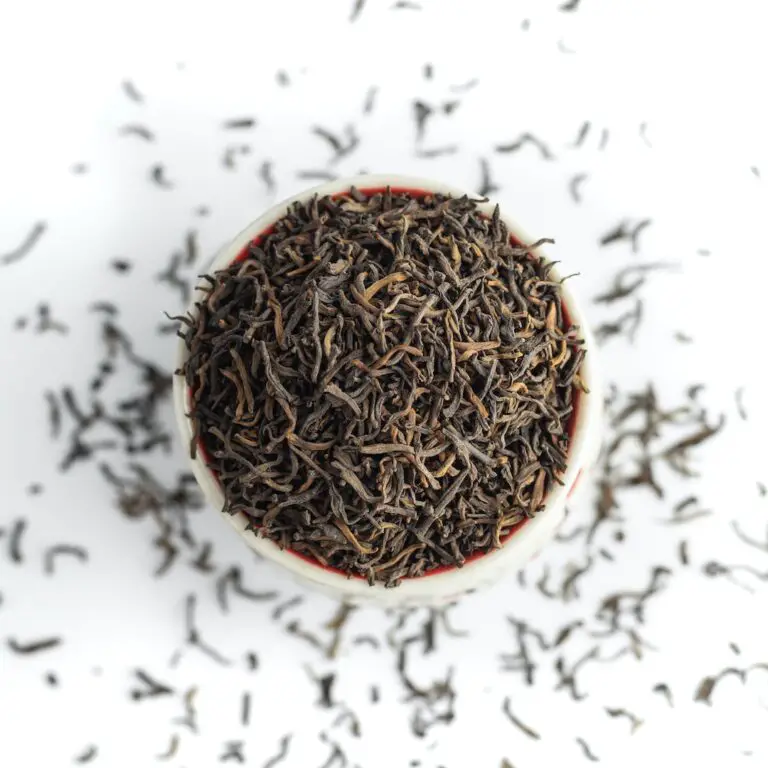
We’ve talked a lot about tea bags, but let’s be honest: Lose leaf tea is the king of sustainability.
The Benefits of Loose Leaf
- Zero Waste: No bags, no strings, no tags.
- Better Flavor: Loose leaf allows the tea to expand fully, releasing more flavor and antioxidants.
- Customization: You can control the strength and quantity of your brew.
The Best Infusers
- Stainless Steel Strainers: Durable, easy to clean, and reusable.
- Glass Tea Infusers: Beautiful and non-reactive.
- Cotton Muslin Bags: Reusable and washable.
- Silk Infusers: Soft and gentle on the leaves.
Our Recommendation: If you want to avoid microplastics entirely, switch to loose leaf. It’s better for your health, the environment, and your taste buds!
❓ Frequently Asked Questions About Compostable Tea Bags
Which sustainable tea bag brands are certified home compostable?
Brands like Pukka Herbs, Cliper, Yogi Tea, Traditional Medicinals, Hampstead Tea, and Rooted Teas are certified home compostable. Look for the OK Compost HOME or AS 5810 logos.
Are all biodegradable tea bags actually compostable at home?
No. Many “biodegradable” bags contain PLA, which requires industrial composting. Always check for the Home Compostable certification.
How can I verify if a tea bag has home compostable certification?
Look for the OK Compost HOME logo, AS 5810 certification, or a clear statement on the box saying “Home Compostable.” If in doubt, perform the Tear Test.
What are the best eco-friendly tea brands with home compostable packaging?
Our top picks are Pukka Herbs, Cliper, Yogi Tea, Traditional Medicinals, and Rooted Teas. These brands use stitching or folding methods to avoid plastic.
Does PLA release microplastics when steeped?
Yes, recent studies suggest that PLA bags can release nanoplastics when steeped in boiling water, though the risk is lower than with polypropylene.
Can I compost tea bags with staples?
No. Staples are metal and should be removed before composting. Some brands, like Tetley, still use aluminum staples.
What is the difference between “biodegradable” and “compostable”?
Biodegradable means something will break down over an unspecified time. Compostable means it will break down into nutrient-rich soil within a specific timeframe (usually 90-180 days) without leaving toxic residue.
🏁 Conclusion: Sip Responsibly and Choose Wisely

We started this journey with a simple question: Is your tea bag secretly poisoning you? The answer, unfortunately, is often yes. But the good news is that you have the power to change that.
The Verdict
- Avoid: Bags that are hard to tear, contain PLA, or use synthetic glue.
- Choose: Brands that use stitching, folding, or 10% plant-based materials with home-compostable certification.
- Best Option: Switch to lose leaf tea with a reusable infuser.
Our Top Recommendations
- For the Purist: Cliper or Hampstead Tea (Stitched, 10% plastic-free).
- For the Herbal Lover: Yogi Tea or Traditional Medicinals (Knot technology, great blends).
- For the Convenience Seeker: Pukka Herbs (Folding method, widely available).
Remember, every cup you brew is a vote for the kind of world you want to live in. Choose wisely, and let your tea be as pure as the water you drink it with.
Final Thought: The next time you reach for a tea bag, ask yourself: “Is this bag going to my compost bin, or my landfill?” Let’s make sure the answer is always the former.
🔗 Recommended Links for the Eco-Conscious Tea Drinker
Shop Sustainable Tea
- Pukka Herbs Tea on Amazon
- Cliper Tea Official Site
- Yogi Tea on Amazon
- Traditional Medicinals on Amazon
- Rooted Teas Official Site
Shop Reusable Infusers
- Stainless Steel Tea Strainers on Amazon
- Glass Tea Infusers on Amazon
- Reusable Cotton Muslin Bags on Amazon
Books on Sustainable Living
📚 Scientific Research Sources and Certification Bodies
- McGill University Study (2019): Microplastic Release from Tea Bags
- Chemosphere Study (2024): Microplastic Release from Different Tea Bag Materials
- TÜV Austria: OK Compost HOME Certification
- Biodegradable Products Institute (BPI): ASTM D640 Certification
- Achieve Pack: Compostable Packaging Materials
- Tea Brands™ Categories:
- Tea Brand Spotlights
- Tea Brand Guides
- Health Benefits of Tea
- Herbal Tea
- Specialty Blends