Support our educational content for free when you purchase through links on our site. Learn more
🍵 How to Choose Healthy Tea: 6 Secrets for a Pure Cup (2026)

To choose healthy tea, you must prioritize USDA Organic certification, avoid “natural flavors” and added sugars, and opt for lose-leaf or plastic-free bags to ensure maximum nutrient retention. When you ask yourself, “How do I choose healthy tea?”, the answer lies not in the flashy “Detox” or “Slim” labels on the front of the box, but in the quiet truth of the ingredient list on the back.
Did you know a single plastic tea bag can release 1.6 billion microplastics into your hot water? It’s a startling fact that changes everything about how we brew our morning cup. We’ve all been there: reaching for a box promising “Immunity Boost” only to find it’s loaded with sugar and artificial additives.
At Tea Brands™, we’ve tasted thousands of blends, and the difference between a medicinal elixir and a sugary trap is often just one word: purity. Whether you are looking to boost your metabolism or simply unwind, knowing what to avoid is just as important as knowing what to drink.
Key Takeaways
- Prioritize Organic: Always choose USDA Organic teas to avoid pesticide residues that accumulate in the leaves you actually consume.
- Check the Ingredients: Avoid teas with “natural flavors,” added sugars, or laxatives like senna; look for whole, recognizable ingredients.
- Form Matters: Switch to lose-leaf or plastic-free biodegradable bags to prevent microplastic contamination and preserve antioxidants.
- Brew Smart: Use the correct water temperature and steeping time to extract health benefits without releasing bitter tannins.
- Match Your Goal: Select specific tea types (Green for focus, Herbal for sleep) based on your individual health needs rather than marketing hype.
Table of Contents
- ⚡️ Quick Tips and Facts
- 📜 A Brief History of Tea: From Ancient Medicine to Modern Wellness
- 🔍 Decoding the Label: How to Spot Healthy Tea vs. Marketing Hype
- 🌱 The Big Six: Choosing the Healthiest Tea Types for Your Body
-
- Green Tea: The Antioxidant Powerhouse for Metabolism and Focus
-
- White Tea: The Least Processed Option for Anti-Aging Benefits
-
- Black Tea: Balancing Gut Health and Heart Wellness
-
- Oolong Tea: The Metabolic Middle Ground for Weight Management
-
- Herbal Infusions: Caffeine-Free Remedies for Sleep and Digestion
-
- Pu-erh Tea: The Fermented Secret for Cholesterol Control
- 🚫 The Hidden Traps: Sugar, Artificial Flavors, and “Tea Blends” to Avoid
- 🧪 Organic vs. Conventional: Is the Extra Cost Worth It for Pesticide-Free Sips?
- 🍵 Loose Leaf vs. Tea Bags: Why Form Matters for Nutrient Retention
- 🌡️ Brewing for Health: Temperature and Time Secrets to Maximize Benefits
- 🤔 Special Considerations: Choosing Tea for Pregnancy, Diabetes, and Anxiety
- 🏆 Top Brand Recommendations: Where to Buy the Purest Teas
- ❓ Frequently Asked Questions About Healthy Tea Selection
- 🔗 Recommended Links for Further Reading
- 📚 Reference Links and Scientific Studies
- 🏁 Conclusion: Your Perfect Cup Awaits
⚡️ Quick Tips and Facts
Before we dive into the deep end of the tea ocean, let’s grab a life preserver. Here are the non-negotiables for choosing a healthy cup of tea, straight from our tasting lab to your mug:
- Read the Back, Not the Front: Marketing on the front of the box is a work of fiction. The ingredient list on the back is the truth. If you see “natural flavors” or “sugar” listed first, put it back.
- Organic is Non-Negotiable: Tea leaves are like sponges. They absorb everything in the soil, including pesticides. Since the leaf is the part you drink, organic certification is your best defense against toxins.
- Lose Leaf > Tea Bags: While convenient, many tea bags are made of plastic (polypropylene) that melts into your hot water, releasing microplastics. Plus, loose leaf offers whole leaves, which retain more antioxidants than the “dust” found in bags.
- Watch the Sugar: A single bottle of “healthy” iced tea can pack as much sugar as a soda. Unsweetened is the only way to go if you want the health benefits without the insulin spike.
- Match Your Mood: Need energy? Go green. Need sleep? Go herbal. There is no “one size fits all” tea.
For a deeper dive into our top picks for specific health goals, check out our guide on the best tea for health.
📜 A Brief History of Tea: From Ancient Medicine to Modern Wellness

You might think tea is just a trendy drink for millennials, but humans have been sipping this leafy brew for over 5,0 years. Legend has it that in 2737 BC, the Chinese Emperor Shen Nung was boiling water under a tree when a few leaves from a wild tea bush blew into his pot. Intrigued by the aroma, he tasted it and found it revitalizing.
Fast forward to the present, and we’ve gone from viewing tea as a miracle cure to a wellness staple. But here’s the twist: the “health halo” around tea has been hijacked by marketing.
In ancient times, tea was strictly medicinal. It was used to treat headaches, fatigue, and digestive issues. Today, you can buy a “detox tea” that tastes like wet cardboard and costs $40, promising to melt belly fat. Spoiler alert: It doesn’t work.
The difference between the tea of the past and the tea of today? Purity. Ancient teas were often loose-leaf, minimally processed, and free from industrial pesticides. Modern mass-market teas often suffer from:
- Over-processing: Turning nutrient-rich leaves into dust.
- Additives: Artificial flavors and sweeteners.
- Contaminants: Pesticide residues and heavy metals.
As we explore how to choose healthy tea, remember this: The best tea is the one that tastes like tea, not a chemistry experiment.
🔍 Decoding the Label: How to Spot Healthy Tea vs. Marketing Hype
Walking down the tea aisle can feel like navigating a minefield. “Detox,” “Slim,” “Energy,” “Immunity”—the labels scream promises that often don’t hold up to scrutiny. How do you separate the wheat from the chaff?
The “Natural Flavors” Trap
Have you ever noticed how a “Lemon Ginger” tea tastes nothing like lemon or ginger? That’s the culprit: Natural Flavors.
- What it means: This term is a legal loophole. It can mean a tiny drop of essential oil mixed with a carrier solvent, or it can mean a chemical compound synthesized in a lab that mimics the taste of lemon.
- The Healthy Choice: Look for teas that list real ingredients like “dried lemon peel,” “organic ginger root,” or “cinnamon sticks.” If the ingredient list is vague, skip it.
The Sugar Sneak Attack
According to the CDC, sugar-sweetened beverages are a major source of simple carbs that spike blood sugar.
- The Trap: Many “ready-to-drink” teas and even some tea concentrates are loaded with high-fructose corn syrup or cane sugar.
- The Fix: Always choose unsweetened varieties. If you need sweetness, add a drop of honey or stevia yourself. This gives you control over the amount.
Certification Check
Don’t just trust the word “Organic” on the front. Look for the USDA Organic seal or equivalent certifications (like EU Organic). This ensures the tea was grown without synthetic pesticides, herbicides, or GMOs.
Pro Tip from the Tasters: If a tea claims to be “Detox” or “Cleansing,” be wary. Your liver and kidneys do the detoxing; they don’t need a tea to do it for them. These teas often contain laxatives like senna, which can be harmful if used long-term.
🌱 The Big Six: Choosing the Healthiest Tea Types for Your Body
Not all teas are created equal. They come from the same plant (Camellia sinensis) or different plants entirely, and their processing determines their health profile. Let’s break down the Big Six categories.
1. Green Tea: The Antioxidant Powerhouse for Metabolism and Focus
Green tea is the least processed of the true teas. The leaves are steamed or pan-fired immediately after harvesting to stop oxidation.
- Key Compound: EGCG (Epigallocatechin gallate), a potent antioxidant linked to fat burning and brain health.
- Best For: Metabolism boost, mental focus (thanks to L-theanine), and heart health.
- Tasting Note: Grassy, vegetal, sometimes slightly astringent.
- Brand Spotlight: Pique Tea offers organic, sun-dried green tea crystals that dissolve instantly, preserving the nutrients.
2. White Tea: The Least Processed Option for Anti-Aging Benefits
White tea is made from the youngest buds and leaves, which are simply withered and dried. It undergoes minimal processing, retaining the highest levels of antioxidants.
- Key Compound: High concentrations of polyphenols.
- Best For: Skin health, anti-aging, and a gentle caffeine lift.
- Tasting Note: Delicate, floral, sweet, and subtle.
- Brand Spotlight: Harney & Sons offers a fantastic “White Peony” that captures the delicate essence of this tea.
3. Black Tea: Balancing Gut Health and Heart Wellness
Black tea is fully oxidized, turning the leaves dark and developing a robust flavor.
- Key Compound: Theaflavins and thearubigins, which support heart health and gut microbiome diversity.
- Best For: Heart health, lowering cholesterol, and sustained energy.
- Tasting Note: Bold, malty, robust, sometimes smoky.
- Brand Spotlight: Vahdam sources their English Breakfast directly from Indian estates, ensuring freshness and ethical sourcing.
4. Oolong Tea: The Metabolic Middle Ground for Weight Management
Oolong sits between green and black tea, partially oxidized. It’s a complex category with flavors ranging from floral toasty.
- Key Compound: Theasinensins, unique flavonoids that may help regulate blood sugar.
- Best For: Weight management, digestion, and balancing energy levels.
- Tasting Note: Ranges from light and floral to dark and roasted.
- Brand Spotlight: Teapigs offers a “Tung Ting Oolong” in their eco-friendly tea bags, known for its smooth, nuty profile.
5. Herbal Infusions: Caffeine-Free Remedies for Sleep and Digestion
Technically not “tea” (since they don’t come from Camellia sinensis), herbal teas are infusions of herbs, fruits, and spices.
- Key Compounds: Varies by herb (e.g., apigenin in chamomile, gingerol in ginger).
- Best For: Sleep, digestion, immunity, and relaxation.
- Tasting Note: Highly variable—floral, spicy, fruity, or earthy.
- Brand Spotlight: Traditional Medicinals is a leader in organic herbal teas, with a “Ginger Tea” that is perfect for soothing nausea.
6. Pu-erh Tea: The Fermented Secret for Cholesterol Control
Pu-erh is a fermented tea from Yunnan, China. It can be aged for decades, developing a deep, earthy flavor.
- Key Compound: Statins (naturally occurring) and unique fermentation byproducts.
- Best For: Cholesterol management, digestion, and weight loss.
- Tasting Note: Earthy, wody, smooth, sometimes mushroom-like.
- Brand Spotlight: Yunnan Sourcing is a go-to for authentic, aged Pu-erh cakes.
| Tea Type | Caffeine Level | Primary Benefit | Flavor Profile | Best Time to Drink |
|---|---|---|---|---|
| Green | Moderate | Antioxidants, Focus | Grassy, Vegetal | Morning/Afternoon |
| White | Low | Anti-Aging, Skin | Delicate, Floral | Anytime |
| Black | High | Heart Health, Energy | Bold, Malt | Morning |
| Oolong | Moderate | Weight Management | Floral to Roasted | Afternoon |
| Herbal | None | Sleep, Digestion | Varied | Evening |
| Pu-erh | Moderate | Cholesterol, Digestion | Earthy, Woody | After Meals |
🚫 The Hidden Traps: Sugar, Artificial Flavors, and “Tea Blends” to Avoid
We’ve all been there: you grab a box of tea because it says “Immunity Boost” on the front, only to realize later it’s loaded with sugar and artificial flavors. Let’s expose the common traps.
The “Detox” Scam
Many “detox” teas contain senna, a laxative. While it might make you feel lighter temporarily, it’s not burning fat; it’s dehydrating you and disrupting your gut flora. Long-term use can lead to dependency and electrolyte imbalances.
- The Verdict: Avoid teas with senna unless prescribed by a doctor for constipation.
The “Natural Flavor” Lophole
As mentioned earlier, “natural flavors” can be a catch-all for synthetic compounds.
- The Fix: Stick to teas with whole spices or dried fruit pieces visible in the bag or loose leaf.
Ready-to-Drink (RTD) Teas
Bottled teas are often the worst offenders. A quick scan of the nutrition label reveals that many “unsweetened” teas still contain added sugars or fruit juice concentrates that spike blood sugar.
- The Rule: If it’s in a bottle, check the sugar content. If it has more than 5g of sugar per serving, skip it.
Microplastics in Tea Bags
A study published in the journal Environmental Science & Technology found that a single plastic tea bag can release 1.6 billion microplastics and 3.1 billion nanoplastics into a cup of hot water.
- The Solution: Switch to lose leaf or biodegradable, plastic-free tea bags (made from cornstarch or paper).
🧪 Organic vs. Conventional: Is the Extra Cost Worth It for Pesticide-Free Sips?
You might be wondering: “Is organic tea really worth the extra $2?” The answer is a resounding yes, especially for tea.
Unlike coffee beans, which are protected by a thick cherry, tea leaves are the part you consume. This means any pesticides sprayed on the plant end up directly in your cup.
- Conventional Tea: Often grown with synthetic pesticides, herbicides, and fungicides. Studies have found residues of multiple pesticides in conventional tea samples.
- Organic Tea: Grown without synthetic chemicals. While “organic” doesn’t mean 10% pesticide-free (some natural pesticides are allowed), it significantly reduces exposure to harmful toxins.
The “Dirty Dozen” of Tea
Tea often makes the list of crops with the highest pesticide residues. Brands like Gimme the Good Stuff emphasize that pesticide-free is the primary factor for choosing healthy tea. They recommend brands that conduct third-party testing for contaminants.
Our Recommendation: If your budget allows, always choose USDA Organic. If you can’t find organic, look for brands that explicitly state they are pesticide-tested or sustainably sourced.
🍵 Loose Leaf vs. Tea Bags: Why Form Matters for Nutrient Retention
The form of your tea matters more than you think. It’s not just about aesthetics; it’s about nutrient retention and flavor.
Loose Leaf: The Gold Standard
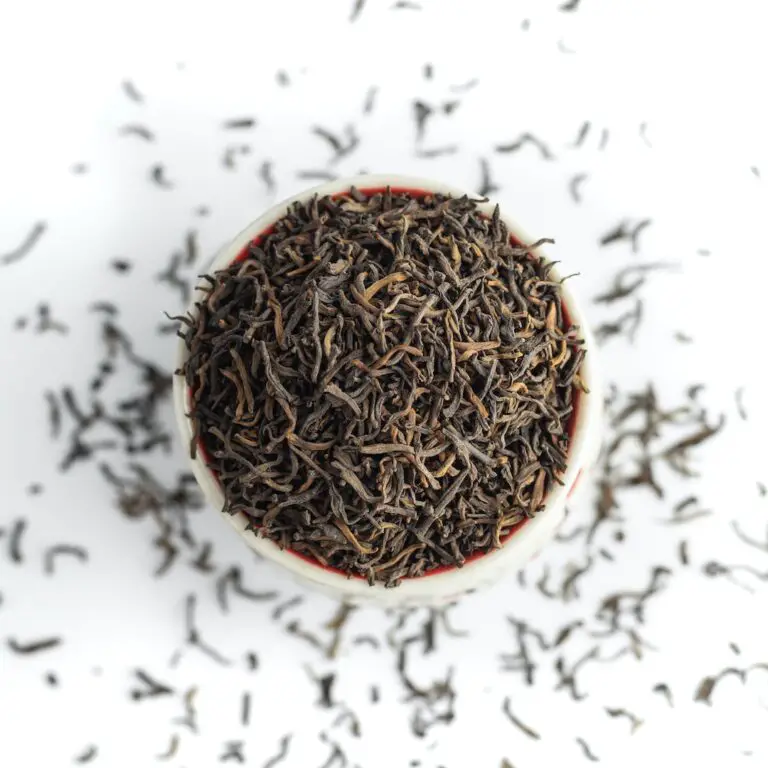
- Whole Leaves: Loose leaf tea consists of whole or large leaf pieces. These retain their essential oils and antioxidants better than broken leaves.
- Better Infusion: Whole leaves have more surface area to expand, releasing flavors and nutrients slowly and evenly.
- No Microplastics: No plastic bags to leach chemicals into your hot water.
Tea Bags: The Convenience Trap
- Dust and Fannings: Most tea bags contain “dust” or “fannings”—tiny particles that are the byproduct of processing. These brew quickly but often taste bitter and lack depth.
- Plastic Content: Many tea bags are sealed with polypropylene, a plastic that melts at high temperatures.
- Exceptions: Some brands, like Teapigs and Numi, use pyramid bags made from biodegradable materials (cornstarch) that hold larger leaf pieces.
Verdict: If you want the maximum health benefits, go loose leaf. If you need convenience, choose plastic-free, biodegradable bags with whole leaf content.
🌡️ Brewing for Health: Temperature and Time Secrets to Maximize Benefits
You can buy the best organic loose leaf tea in the world, but if you brew it wrong, you’ll waste its potential. Temperature and time are critical.
Temperature Matters
- Green & White Teas: These are delicate. Boiling water (212°F/10°C) will “cook” the leaves, releasing bitterness and destroying delicate antioxidants.
Ideal Temp: 160°F–180°F (70°C–80°C). - Black & Pu-erh Teas: These are robust and need heat to extract their full flavor and compounds.
Ideal Temp: 20°F–212°F (95°C–10°C). - Herbal Teas: Most herbs need boiling water to break down tough fibers and release flavors.
Ideal Temp: 212°F (10°C).
Steping Time
- Too Short: Weak flavor, fewer antioxidants.
- Too Long: Bitter, astringent, and potentially higher levels of tannins (which can interfere with iron absorption).
- The Sweet Spot:
- Green: 2–3 minutes
- Black: 3–5 minutes
- Herbal: 5–7 minutes
Pro Tip: If you’re making iced tea, try cold brewing. Step your tea in cold water in the fridge for 6–12 hours. This method extracts fewer tannins, resulting in a smoother, less bitter cup with a high antioxidant profile.
🤔 Special Considerations: Choosing Tea for Pregnancy, Diabetes, and Anxiety
Tea isn’t one-size-fits-all, especially if you have specific health conditions. Here’s how to navigate the choices.
Pregnancy
- Caffeine Limit: Pregnant women are generally advised to limit caffeine to 20mg per day.
- Safe Choices: Herbal teas like ginger (for nausea) and peppermint (for digestion) are generally safe, but always consult your doctor. Avoid teas with herbs that may stimulate uterine contractions (e.g., raspberry leaf in the first trimester).
- Iron Absorption: Tannins in tea can inhibit iron absorption. Drink tea between meals, not with them, if you’re prone to anemia.
Diabetes
- Blood Sugar Control: Unsweetened tea is excellent for diabetics. Green and black teas have been shown to improve insulin sensitivity.
- Avoid: Sweetened teas, chai lattes with syrup, and “fruit teas” with added sugar.
- Recommendation: Stick to unsweetened green, black, or olong tea.
Anxiety and Sleep
- Caffeine Sensitivity: If you’re anxious, avoid high-caffeine teas like black tea or matcha in the afternoon.
- Calming Herbs: Chamomile, lavender, and lemon balm are excellent for relaxation.
- L-Theanine: Green tea contains L-theanine, which promotes calm focus without jitters, making it a good option for anxiety if consumed in moderation.
🏆 Top Brand Recommendations: Where to Buy the Purest Teas
We’ve tasted hundreds of teas, and these brands consistently deliver on quality, purity, and flavor.
For the Purist: Loose Leaf Lovers
- Harney & Sons: Known for their high-quality loose leaf and tea bags. Their “Silver Needle” white tea is a must-try.
👉 Shop on: Amazon | Harney & Sons Official - Yunnan Sourcing: The go-to for authentic Pu-erh and Yunnan green teas.
👉 Shop on: Yunnan Sourcing Official
For the Convenience Seeker: Plastic-Free Bags
- Teapigs: Famous for their “teabag” that actually contains whole leaf tea and is 10% biodegradable.
👉 Shop on: Amazon | Teapigs Official - Numi Organic Tea: A pioneer in organic, fair-trade tea with a wide variety of herbal and true teas.
👉 Shop on: Amazon | Numi Official
For the Health-Conscious: Organic & Tested
- Traditional Medicinals: Focused on herbal teas with therapeutic benefits, all organic and ethically sourced.
👉 Shop on: Amazon | Traditional Medicinals Official - Pique Tea: Offers sun-dried tea crystals that are cold-brewed and tested for toxins.
👉 Shop on: Amazon | Pique Official
👉 CHECK PRICE on:
- Harney & Sons Silver Needle White Tea: Amazon | Harney & Sons Official
- Teapigs Tung Ting Oolong: Amazon | Teapigs Official
- Traditional Medicinals Ginger Tea: Amazon | Traditional Medicinals Official
❓ Frequently Asked Questions About Healthy Tea Selection
Which teas are best for boosting immunity and digestion?
For immunity, green tea (rich in EGCG) and elderberry herbal blends are top contenders. For digestion, ginger tea is the gold standard, known for soothing nausea and reducing inflammation. Peppermint tea is also excellent for bloating and IBS symptoms.
Does the brewing time affect the health benefits of tea?
Absolutely. Steping for too short a time may not extract enough antioxidants, while steeping too long can release excessive tannins, which can cause stomach upset and inhibit iron absorption. Stick to the recommended times: 2-3 minutes for green, 3-5 for black, and 5-7 for herbal.
How can I tell if a tea is organic and free from pesticides?
Look for the USDA Organic seal on the packaging. Additionally, check for third-party certifications like Non-GMO Project or Fair Trade. Some brands, like Pique Tea and Traditional Medicinals, explicitly state they test for pesticides and heavy metals.
What are the healthiest types of tea to drink daily?
Green tea and white tea are excellent for daily consumption due to their high antioxidant content. Herbal teas like chamomile and roibos are also great for daily drinking as they are caffeine-free and gentle on the system.
Does the brewing temperature affect the health benefits of tea?
Yes. Boiling water can destroy delicate antioxidants in green and white teas, making them bitter and less beneficial. Use lower temperatures (160°F–180°F) for these teas to preserve their health properties.
Which teas are best for boosting immunity and reducing inflammation?
Green tea is a powerhouse for reducing inflammation due to its high EGCG content. Turmeric tea (often blended with ginger and black pepper) is also highly effective for inflammation. Echinacea and elderberry herbal teas are popular for immune support.
Can I drink tea if I have high blood pressure?
Yes, in moderation. Green tea and hibiscus tea have been linked to lower blood pressure. However, avoid excessive caffeine if you are sensitive to it, as it can temporarily raise blood pressure. Always consult your doctor for personalized advice.
Are there any teas I should avoid if I am pregnant?
Pregnant women should avoid teas with herbs that may stimulate uterine contractions, such as raspberry leaf (in the first trimester), sage, and parsley. Stick to ginger, peppermint, and chamomile (in moderation) and always consult your healthcare provider.
🏁 Conclusion: Your Perfect Cup Awaits

Choosing healthy tea doesn’t have to be a guessing game. By focusing on organic certification, lose leaf or plastic-free bags, and unsweetened ingredients, you can enjoy a cup that nourishes your body and delights your palate.
Remember, the journey to better health starts with small, mindful choices. Whether you’re sipping a calming cup of chamomile before bed or a revitalizing green tea in the morning, you’re making a decision that supports your well-being.
Our Top Recommendation: Start with a high-quality organic green tea or white tea for your daily routine. If you’re new to loose leaf, try Harney & Sons or Teapigs for an easy transition. And always, read the label—your body will thank you.
So, what are you waiting for? Grab your favorite mug, boil some water, and let the journey begin.
🔗 Recommended Links for Further Reading
- 👉 Shop Organic Teas on Amazon: Organic Green Tea | Organic Herbal Tea
- 👉 Shop Loose Leaf Teas on Etsy: Handcrafted Loose Leaf Tea
- Books on Tea: The Story of Tea: A Cultural History and Drinking Guide | Tea: History, Teroirs, Varieties
- Learn More About Tea Brands: Tea Brand Spotlights | Tea Brand Guides
- Explore Health Benefits: Health Benefits of Tea | Herbal Tea
📚 Reference Links and Scientific Studies
- CDC: Choosing Healthy Carbs
- Gimme the Good Stuff: How to Avoid Toxins in Tea
- Everyday Health: How to Choose a Healthy Tea in 2026
- Environmental Science & Technology: Microplastics in Tea Bags
- Harney & Sons: Our Sourcing Practices
- Traditional Medicinals: Sustainability & Sourcing
- Pique Tea: Toxin Testing