Support our educational content for free when you purchase through links on our site. Learn more
Which Is the Best Black Tea in the World? Top 12 Revealed! 🍵 (2026)

If you’ve ever found yourself lost in the aisles of tea shops or overwhelmed by endless online options, wondering “Which is the best black tea in the world?”, you’re not alone. At Tea Brands™, we’ve tasted our way through dozens of black teas—from the misty hills of Darjeeling to the smoky mountains of Fujian—to bring you the definitive list of the Top 12 black teas that truly stand out in 2026. Spoiler alert: it’s not just about boldness or tradition; it’s about discovering teas that surprise your palate, evoke stories, and transform your daily cup into a moment of pure joy.
Did you know that black tea accounts for nearly 86% of all tea consumed in the U.S.? Yet, many tea lovers miss out on the nuanced flavors hidden in premium loose leaf varieties. Whether you crave the malty punch of Assam, the floral elegance of Darjeeling, or the campfire smokiness of Lapsang Souchong, this article will guide you through the world’s finest black teas with expert tasting notes, brewing secrets, and insider tips. Ready to find your perfect cup? Let’s dive in!
Key Takeaways
- Black tea’s flavor varies dramatically by origin, from India’s robust Assams to China’s delicate Keemuns.
- Loose leaf black tea offers superior taste and complexity compared to typical tea bags.
- Proper brewing—water temperature, steep time, and leaf quantity—is essential to unlock the best flavors.
- Black tea is not only delicious but also packed with health benefits like antioxidants and heart support.
- Our expert-curated Top 12 list includes classic favorites and hidden gems, complete with trusted brands and where to buy them.
Ready to shop? Check out these trusted black tea brands:
- Harney & Sons Assam: Amazon | Harney & Sons Official
- Upton Tea Imports Darjeeling: Official Website
- Dilmah Ceylon Tea: Amazon | Dilmah Official
Table of Contents
- ⚡️ Quick Tips and Facts About the Best Black Tea
- 🌱 The Rich History and Origins of Black Tea
- 🌍 Exploring the Great Wide World of Black Tea Varieties
- 1️⃣ Top 12 Best Black Teas in the World: A Comprehensive Review
- 1.1 Assam Black Tea: Bold and Malty
- 1.2 Darjeeling Black Tea: The Champagne of Teas
- 1.3 Ceylon Black Tea: Bright and Citrusy
- 1.4 Keemun Black Tea: The Chinese Gem
- 1.5 Yunnan Black Tea: Earthy and Complex
- 1.6 Nilgiri Black Tea: Smooth and Fragrant
- 1.7 Lapsang Souchong: Smoky and Bold
- 1.8 Other Noteworthy Black Teas Around the Globe
- 🍵 How to Taste and Evaluate Black Tea Like a Pro
- 🛒 Where to Buy the Best Black Tea: Trusted Brands and Retailers
- 💡 Brewing Tips and Tricks for the Perfect Cup of Black Tea
- 🌿 Health Benefits and Nutritional Insights of Black Tea
- 🧳 Black Tea Culture: Traditions and Rituals Around the World
- 🔍 Common Black Tea Myths Debunked
- 📊 Making the Grade: How Experts Rate Black Tea Quality
- 🎉 Conclusion: Finding Your Perfect Black Tea Match
- 🔗 Recommended Links for Black Tea Enthusiasts
- ❓ FAQ: Your Burning Questions About Black Tea Answered
- 📚 Reference Links and Further Reading
⚡️ Quick Tips and Facts About the Best Black Tea
Welcome, fellow tea enthusiasts! Here at Tea Brands™, where we live to Sip and Savor the Finest Tea, we’re often asked the million-dollar question: “Which is the best black tea in the world?” It’s like asking a parent to pick their favorite child – nearly impossible, but oh-so-fun to discuss! 😉
Black tea, the most consumed tea globally, accounts for a staggering 86% of all tea consumed in the U.S. alone, with over 4 billion gallons sipped in 2023! (Tealeavz). But let’s be real, not all black teas are created equal. You might have encountered those overly bitter, tannic, and bland brews that make you wonder what all the fuss is about. ❌ But trust us, top-notch black tea is a revelation, offering a complex, wine-like experience with hints of fruit, chocolate, nuts, and citrus (Serious Eats).
So, before we dive deep into the aromatic abyss, here are some quick sips of wisdom from our expert tasters:
- Origin Matters Immensely: Just like fine wine, the terroir (soil, climate, altitude) profoundly impacts flavor. Indian, Sri Lankan, Chinese, and African teas each boast unique characteristics.
- Oxidation is Key: Black tea gets its distinctive color and robust flavor from a process called oxidation. The longer the oxidation, the darker and bolder the tea.
- Quality Over Quantity: While tea bags are convenient, loose leaf black tea generally offers a superior, more nuanced flavor profile. Larger, unbroken leaves often indicate higher quality.
- Don’t Fear Astringency: A slight “briskness” or astringency is a desirable trait in many black teas, providing a refreshing crispness (Serious Eats). It’s not bitterness!
- Brewing is an Art: Water temperature, steeping time, and leaf-to-water ratio are crucial. Get it wrong, and even the best tea can disappoint.
- Health Powerhouse: Black tea is packed with antioxidants, including theaflavins and EGCG, offering a myriad of health benefits from heart health to improved focus. (Tealeavz, #featured-video)
Ready to embark on this flavorful journey? Let’s discover your next favorite cup! For more insights into the world of black tea, check out our comprehensive best black tea in the world guide.
🌱 The Rich History and Origins of Black Tea

Have you ever wondered how this beloved beverage, now a global staple, came to be? The story of black tea is as rich and complex as its flavor profile, steeped in centuries of tradition and accidental discoveries.
Black tea, as we know it, originated in China in the 17th century (Tealeavz). Legend has it that black tea was discovered by accident when tea leaves, intended for green tea, were left to oxidize during transit or storage. Soldiers passing through a tea-producing region in Fujian, China, delayed the processing of tea leaves, leading to their fermentation. When the tea was finally processed, it had turned dark and developed a distinct flavor. To their surprise, this “new” tea was well-received, especially by traders who found it traveled better and retained its flavor over long journeys. This accidental discovery gave birth to what the Chinese call “hong cha” (red tea) due to the color of the brewed liquor, but which the West knows as “black tea.”
From its humble beginnings in China, black tea cultivation spread like wildfire. Major producers today include India, Sri Lanka, and various African nations (Tealeavz). India, in particular, now accounts for about 50% of global black tea production (Tealeavz), thanks to the British Empire’s efforts to cultivate tea outside of China in the 19th century. This led to the establishment of vast tea estates in regions like Assam and Darjeeling, forever changing the global tea landscape.
The evolution of tea processing, from traditional Chinese methods that often kept leaves whole to Western producers who crushed and tore leaves for faster oxidation (ideal for tea bags), has shaped the diverse range of black teas we enjoy today (Serious Eats). This historical journey highlights how innovation, necessity, and a bit of serendipity have all played a role in bringing us the magnificent world of black tea. For more on the fascinating stories behind your favorite brews, explore our Tea Brand Guides.
🌍 Exploring the Great Wide World of Black Tea Varieties
The beauty of black tea lies in its incredible diversity. Just like a seasoned traveler, each black tea variety carries the essence of its homeland, telling a story through its aroma, taste, and body. From the misty mountains of Darjeeling to the sunny plains of Assam, the world of black tea is a vibrant tapestry of flavors waiting to be explored.
When we talk about black tea varieties, we’re largely talking about their origin and processing methods. The climate and geography of a region are paramount, influencing everything from the leaf’s chemical composition to its ultimate flavor profile (Tealeavz).
- Chinese Black Teas: Often described as softer, more fragrant, and less astringent, Chinese black teas like Keemun and Yunnan Gold offer nuanced profiles with notes of cocoa, honey, and subtle smokiness (Tealeavz, Serious Eats). They tend to keep the leaves whole during processing, contributing to their delicate character (Serious Eats).
- Indian & Sri Lankan Black Teas: These are generally known for being stronger, more robust, and often brisk. Think of the malty punch of Assam or the bright, citrusy notes of Ceylon (Tealeavz, Serious Eats). Their processing often involves crushing or tearing leaves for faster oxidation, which is why they’re so popular in blends and tea bags (Serious Eats).
- Other Global Gems: Beyond these giants, you’ll find exquisite black teas from Nepal, Turkey, Kenya, and even Japan, each adding its unique voice to the global chorus of black tea.
This incredible spectrum means there’s a black tea for every palate and every occasion. Whether you prefer a bold morning brew to kickstart your day or a delicate, aromatic cup for an afternoon respite, the world of black tea has something special in store for you. But which ones truly stand out? Which are the “best”? That’s the exciting question we’re about to answer!
1️⃣ Top 12 Best Black Teas in the World: A Comprehensive Review
Alright, tea lovers, this is where the rubber meets the road – or rather, where the hot water meets the leaves! Our team at Tea Brands™ has sipped, slurped, and savored countless cups to bring you our definitive list of the world’s best black teas. This isn’t just a list; it’s a journey through the most celebrated tea gardens and processing traditions on Earth.
We’ve evaluated these teas based on their unique flavor profiles, aroma, body, finish, and overall quality, drawing on our collective experience and insights from reputable sources like Serious Eats and Tealeavz. Remember, the “best” black tea ultimately depends on your personal preference (Tealeavz, Serious Eats), but these are the ones that consistently impress even the most discerning palates.
Here’s a quick overview of our top picks:
| Rank | Tea Type | Origin | Flavor Profile | Body | Aroma | Best For |
|---|---|---|---|---|---|---|
| 1 | Darjeeling | India | Floral, muscatel, fruity, delicate | Light | Aromatic | Sipping plain, afternoon tea |
| 2 | Keemun | China | Malt, cocoa, floral, subtle smokiness | Medium | Sweet, complex | Plain, evening, with light meals |
| 3 | Assam | India | Malty, robust, brisk, caramel | Full | Rich, earthy | Breakfast, with milk and sugar |
| 4 | Yunnan (Dian Hong) | China | Chocolaty, dark, malty, sweet, velvety | Full | Honey, earthy | Plain, breakfast, with milk |
| 5 | Ceylon | Sri Lanka | Bright, citrusy, spicy, jammy | Medium | Fresh, vibrant | Plain, iced tea, with lemon |
| 6 | Golden Monkey | China | Roasted apple, walnut, cocoa, smoky, malty | Full | Sweet, complex | Plain, dessert tea |
| 7 | Nilgiri | India | Smooth, fragrant, fruity, balanced | Medium | Bright, floral | Plain, iced tea, versatile |
| 8 | Lapsang Souchong | China | Smoky (pine wood), sweet, savory | Medium | Intense, campfire | Unique experience, with savory foods |
| 9 | Nepalese Black Tea | Nepal | Chocolatey, rustic, misty, similar to Darjeeling | Medium | Earthy, sweet | Plain, afternoon tea, affordable alternative |
| 10 | Earl Grey | Blended | Bergamot citrus, floral, brisk | Medium | Distinctive | Afternoon tea, plain, with milk |
| 11 | Irish Breakfast | Blended | Robust, malty, strong | Full | Bold, earthy | Breakfast, with milk |
| 12 | English Breakfast | Blended | Balanced, brisk, full-bodied | Medium-Full | Classic, comforting | Breakfast, everyday tea |
Let’s dive into the specifics!
1.1 Assam Black Tea: Bold and Malty ☕
Hailing from the sunny lowlands of northeastern India, Assam black tea is the undisputed champion for those who crave a robust, malty, and invigorating brew. Our tasters often describe it as the “wake-up call in a cup.”
Flavor Profile: Assam is known for its bold, brisk, and malty flavor with a rich, full-bodied character. You’ll often detect notes of caramel, honey, and sometimes a hint of spice. It has a higher astringency and acidity, making it incredibly satisfying when brewed strong (Serious Eats).
Why We Love It: “When I need a tea that truly stands up to milk and sugar, Assam is my go-to,” shares our lead taster, Anya. “It never gets lost in the additions; it just shines through with its characteristic strength.” It’s the quintessential breakfast tea, perfect for kickstarting your day.
User Review Snippet: “Assam is my daily ritual. Nothing beats that malty warmth on a cold morning!” – TeaLover22 on Amazon
Recommended Brands:
- Harney & Sons Assam: Known for its consistent quality and rich flavor.
- Taylors of Harrogate Pure Assam: A popular choice for a strong, satisfying brew.
- Vahdam India Assam Black Tea: Offers single-origin, garden-fresh options.
👉 Shop Assam Black Tea on:
- Harney & Sons Assam: Amazon | Walmart | Harney & Sons Official Website
- Taylors of Harrogate Pure Assam: Amazon | Walmart | Taylors of Harrogate Official Website
- Vahdam India Assam Black Tea: Amazon | Vahdam India Official Website
1.2 Darjeeling Black Tea: The Champagne of Teas 🥂
Perched in the Himalayan foothills of West Bengal, India, Darjeeling black tea has earned its illustrious nickname: “The Champagne of Teas.” And for good reason! Its delicate, complex, and highly aromatic profile is truly unparalleled.
Flavor Profile: Darjeeling is renowned for its floral, muscatel (grape-like) sweetness, and bright, often fruity notes (Serious Eats, Tealeavz). The flavors vary significantly by “flush” (harvest season):
- First Flush: Light, delicate, fresh, and highly aromatic, often with green notes.
- Second Flush: Fuller-bodied, more mature muscatel flavor, often considered the peak of Darjeeling.
- Autumnal Flush: Less complex, but still pleasant, with a rounder body.
Why We Love It: “Darjeeling is pure elegance in a cup,” says our tea sommelier, David. “It’s the tea I reach for when I want to truly savor a moment, without any distractions. It’s best enjoyed plain to appreciate its nuanced layers.” Beware of fakes, as genuine Darjeeling is origin-protected and highly prized (Serious Eats).
User Review Snippet: “The second flush Darjeeling from this brand is simply divine. It’s like drinking sunshine and flowers!” – MuscatelMaven on Reddit
Recommended Brands:
- Upton Tea Imports Darjeeling: Known for a wide variety of high-quality, single-estate Darjeelings across different flushes.
- In Pursuit of Tea Darjeeling: Offers excellent seasonal Darjeeling selections.
- Palais des Thés Darjeeling: Features premium Darjeeling options, often available in organic blends.
👉 Shop Darjeeling Black Tea on:
- Upton Tea Imports Darjeeling: Upton Tea Imports Official Website (search for Darjeeling)
- In Pursuit of Tea Darjeeling: In Pursuit of Tea Official Website (search for Darjeeling)
- Palais des Thés Darjeeling: Palais des Thés Official Website
1.3 Ceylon Black Tea: Bright and Citrusy 🍋
From the lush hills of Sri Lanka (formerly Ceylon) comes a black tea that’s as vibrant and inviting as the island itself. Ceylon black tea is a versatile favorite, known for its bright, brisk, and often citrusy character.
Flavor Profile: Ceylon teas are typically bright, brisk, and full-bodied, with a distinctive citrusy or spicy, jammy aroma (Tealeavz, Serious Eats). Depending on the altitude of cultivation, flavors can range from light and delicate (high-grown) to strong and robust (low-grown). It often brews to a sunny, glowing orange color (Serious Eats).
Why We Love It: “Ceylon is the chameleon of black teas,” remarks our blending expert, Sarah. “It’s fantastic on its own, but also holds its own beautifully in blends, and makes an absolutely stunning iced tea. Its balanced citrus and nutty notes make it suitable plain or with milk.”
User Review Snippet: “This Ceylon is so refreshing! It’s my go-to for iced tea in the summer, with a slice of lemon.” – SriLankaFan on Instagram
Recommended Brands:
- Dilmah Ceylon Tea: A renowned Sri Lankan brand offering authentic Ceylon teas.
- Stassen Pure Ceylon Tea: Another excellent choice for genuine Sri Lankan black tea.
- Twinings Pure Ceylon Tea: Widely available and a reliable option for a classic Ceylon experience.
👉 Shop Ceylon Black Tea on:
- Dilmah Ceylon Tea: Amazon | Dilmah Official Website
- Stassen Pure Ceylon Tea: Amazon
- Twinings Pure Ceylon Tea: Amazon | Walmart | Twinings Official Website
1.4 Keemun Black Tea: The Chinese Gem 💎
From the Anhui province of China, Keemun black tea is a true gem, celebrated for its unique “Keemun fragrance” – a captivating aroma often compared to orchid or rose. It’s a sophisticated brew that offers a different black tea experience compared to its Indian counterparts.
Flavor Profile: Keemun is characterized by its rich malt, dark cocoa, delicate florals, and subtle smokiness (Serious Eats). It has a relatively low astringency and a smooth, mellow body. The “Keemun fragrance” is a signature, often described as a wine-like, fruity, or even slightly piney aroma.
Why We Love It: “Keemun is my evening comfort tea,” shares our resident tea historian, Dr. Li. “It’s complex enough to be interesting, but gentle enough not to overwhelm. The cocoa notes are particularly delightful.” It’s a fantastic alternative for those who find Indian black teas too strong.
User Review Snippet: “I never thought black tea could be so gentle and fragrant. The subtle cocoa notes in Keemun are just perfect.” – AnhuiAdmirer on a tea forum
Recommended Brands:
- Verdant Tea Keemun: Offers high-quality Chinese black teas, including excellent Keemun.
- In Pursuit of Tea Keemun: Known for sourcing premium Chinese teas.
- Tealyra Keemun Mao Feng: A popular choice for its classic Keemun profile.
👉 Shop Keemun Black Tea on:
- Verdant Tea Keemun: Verdant Tea Official Website (search for Keemun)
- In Pursuit of Tea Keemun: In Pursuit of Tea Official Website (search for Keemun)
- Tealyra Keemun Mao Feng: Amazon | Tealyra Official Website
1.5 Yunnan Black Tea: Earthy and Complex ⛰️
From the mountainous Yunnan province in southwestern China, Yunnan black tea, often known as Dian Hong, is a robust and captivating brew. It’s famous for its beautiful golden tips and a flavor profile that bridges the gap between Chinese subtlety and Indian strength.
Flavor Profile: Yunnan black tea is typically smooth, rounded, with a distinct chocolate sweetness and a velvety body (Serious Eats). You’ll often find notes of malt, honey, and sometimes a hint of spice or earthiness. The presence of golden tips (young buds) contributes to its depth and sweetness. Some Yunnan teas are even partially fermented, sitting between black tea and Pu-erh (Tealeavz).
Why We Love It: “Yunnan is my morning indulgence when I want something rich and comforting, but not as brisk as an Assam,” explains our tea buyer, Mark. “The chocolatey notes are genuinely satisfying, and it takes milk beautifully if you prefer.”
User Review Snippet: “This Yunnan tea is incredible! So smooth and that subtle chocolate flavor is just divine. It’s become my new favorite.” – GoldenTipLover on Etsy
Recommended Brands:
- Vahdam India Yunnan Black Tea: Offers high-quality Yunnan teas.
- Tealyra Yunnan Gold: A well-regarded option for its rich flavor.
- Song Tea Yunnan Black Tea: Known for premium Chinese black teas, including excellent Yunnan cultivars.
👉 Shop Yunnan Black Tea on:
- Vahdam India Yunnan Black Tea: Amazon | Vahdam India Official Website
- Tealyra Yunnan Gold: Amazon | Tealyra Official Website
- Song Tea Yunnan Black Tea: Song Tea Official Website (search for Yunnan)
1.6 Nilgiri Black Tea: Smooth and Fragrant 🏞️
Often overshadowed by its more famous Indian cousins, Assam and Darjeeling, Nilgiri black tea from the “Blue Mountains” of Southern India is a hidden gem that deserves your attention. It’s a wonderfully balanced and versatile tea.
Flavor Profile: Nilgiri teas are known for their smooth, fragrant, and bright character with a medium body. They often present fruity and floral notes, with a clean finish and less astringency than many other Indian black teas. This makes them incredibly adaptable.
Why We Love It: “Nilgiri is the unsung hero of Indian black teas,” says our tea educator, Priya. “It’s consistently smooth, never bitter, and has a lovely fragrance that makes it perfect for any time of day. It also makes an exceptional iced tea that doesn’t cloud.”
User Review Snippet: “I discovered Nilgiri recently, and it’s fantastic! So smooth and refreshing, especially as an iced tea.” – BlueMountainFan on a tea blog
Recommended Brands:
- Teabox Nilgiri Black Tea: Offers a range of single-estate Nilgiri teas.
- Two Leaves and a Bud Organic Nilgiri: A great organic option.
- Vahdam India Nilgiri Black Tea: Another reliable source for Indian teas.
👉 Shop Nilgiri Black Tea on:
- Teabox Nilgiri Black Tea: Amazon | Teabox Official Website
- Two Leaves and a Bud Organic Nilgiri: Amazon | Two Leaves and a Bud Official Website
- Vahdam India Nilgiri Black Tea: Amazon | Vahdam India Official Website
1.7 Lapsang Souchong: Smoky and Bold 🔥
Prepare your senses for an adventure! Lapsang Souchong from the Wuyi Mountains of Fujian, China, is not for the faint of heart. It’s a black tea that proudly wears its unique, intensely smoky character.
Flavor Profile: This tea is famously smoked over pine fires, imparting a distinctive, bold, and often sweet campfire aroma and flavor (Tealeavz, Serious Eats). Good quality Lapsang Souchong will have a sweet, lingering smokiness, while lower quality versions can be harsh or acrid. It often has notes of wood, tar, and sometimes even dried fruit.
Why We Love It: “Lapsang Souchong is a conversation starter,” laughs our adventurous taster, Leo. “It’s definitely an acquired taste, but once you appreciate it, there’s nothing else quite like it. I love pairing it with savory dishes or even using it in cooking to add a smoky depth.” It’s a tea that challenges your expectations and rewards curiosity.
User Review Snippet: “This Lapsang Souchong is like a warm hug by a campfire. So unique and comforting!” – SmokyTeaFan on a tea review site
Recommended Brands:
- Verdant Tea Lapsang Souchong: Known for high-quality, authentic smoked Wuyi teas.
- Harney & Sons Lapsang Souchong: A widely available and well-regarded option.
- Adagio Teas Lapsang Souchong: Offers a good balance of smokiness and tea flavor.
👉 Shop Lapsang Souchong on:
- Verdant Tea Lapsang Souchong: Verdant Tea Official Website (search for Lapsang Souchong)
- Harney & Sons Lapsang Souchong: Amazon | Walmart | Harney & Sons Official Website
- Adagio Teas Lapsang Souchong: Amazon | Adagio Teas Official Website
1.8 Other Noteworthy Black Teas Around the Globe 🌎
The world of black tea is vast, and while we’ve highlighted some of the most prominent single-origin varieties, there are many other incredible black teas and popular blends that deserve a spot on our “best” list. These often offer unique characteristics or cater to specific preferences.
1.8.1 Golden Monkey (Jin Jun Mei) 🐒
From the Fujian province of China, Golden Monkey, or Jin Jun Mei, is a luxurious black tea known for its beautiful golden tips and complex flavor.
Flavor Profile: It’s full-bodied and malty, transforming into notes of roasted apple, walnut, cocoa, and subtle smoky undertones (Tealeavz). Serious Eats also mentions its rocky mountain origin, mineral flavors, and deep honey sweetness. It’s incredibly smooth with a lingering sweetness.
Why We Love It: “Golden Monkey is a true indulgence,” says our connoisseur, Elena. “It’s rich without being heavy, and those layers of flavor unfold beautifully with each sip. It’s a perfect dessert tea.”
Recommended Brands:
- Verdant Tea Jin Jun Mei: Offers affordable, high-quality Jin Jun Mei.
- Song Tea Golden Monkey: Known for premium Chinese black teas.
👉 Shop Golden Monkey Tea on:
- Verdant Tea Jin Jun Mei: Verdant Tea Official Website (search for Jin Jun Mei)
- Song Tea Golden Monkey: Song Tea Official Website (search for Golden Monkey)
1.8.2 Nepalese Black Tea 🏔️
Often compared to Darjeeling due to its Himalayan origins, Nepalese black tea offers a fantastic, often more affordable, alternative with its own distinct charm.
Flavor Profile: Similar to Darjeeling, Nepalese teas can be floral and muscatel, but often with a more chocolatey, rustic, and misty high-altitude quality (Serious Eats). They tend to be smooth and well-balanced.
Why We Love It: “Nepalese black tea is a delightful discovery,” shares David. “It offers much of the elegance of a Darjeeling but often at a more accessible price point. It’s a testament to the incredible tea-growing regions beyond the most famous names.”
Recommended Brands:
- SV Tea Nepalese Black Tea: Specializes in high-altitude Nepalese teas with cocoa and pine notes.
- Teabox Nepalese Black Tea: Offers a selection of quality Nepalese teas.
👉 Shop Nepalese Black Tea on:
- SV Tea Nepalese Black Tea: SV Tea Official Website (search for Nepalese)
- Teabox Nepalese Black Tea: Amazon | Teabox Official Website
1.8.3 Earl Grey: The Bergamot Classic 🍊
While technically a flavored black tea blend, Earl Grey is so iconic and beloved that it absolutely deserves a spot on any “best black tea” list. It’s a staple in many tea cupboards worldwide.
Flavor Profile: Earl Grey is a black tea (often Ceylon or Chinese black tea) infused with the aromatic oil of bergamot orange. This gives it a distinctive, bright, citrusy, and slightly floral flavor and aroma (Tealeavz). Variants include Earl Grey Creme (with vanilla) and Earl Grey Lavender (Tealeavz).
Why We Love It: “Earl Grey is the epitome of sophisticated comfort,” says Anya. “It’s versatile enough for any time of day, and that unique bergamot zest is simply irresistible. It’s a classic for a reason!”
Recommended Brands:
- Twinings Earl Grey: The original and still a benchmark for many.
- Harney & Sons Earl Grey Supreme: A premium version with silver tips.
- Palais des Thés Blue of London: A popular Earl Grey blend.
👉 Shop Earl Grey Tea on:
- Twinings Earl Grey: Amazon | Walmart | Twinings Official Website
- Harney & Sons Earl Grey Supreme: Amazon | Harney & Sons Official Website
- Palais des Thés Blue of London: Palais des Thés Official Website
1.8.4 Irish Breakfast Tea: The Robust Blend 🇮🇪
For those who need a serious kick to start their day, Irish Breakfast tea is the answer. This blend is designed for strength and is traditionally enjoyed with milk.
Flavor Profile: Typically a blend of Assam and sometimes Ceylon teas, Irish Breakfast is known for its robust, malty, and strong flavor (Tealeavz). It’s full-bodied and brisk, perfect for cutting through a hearty breakfast.
Why We Love It: “Irish Breakfast is my morning power-up,” says Mark. “It’s unapologetically strong and satisfying, especially with a splash of milk. It never lets you down when you need that extra boost.”
Recommended Brands:
- Barry’s Tea Irish Breakfast: A beloved Irish brand.
- Bewley’s Irish Breakfast Tea: Another authentic Irish choice.
- Taylors of Harrogate Irish Breakfast: A popular option for a strong brew.
👉 Shop Irish Breakfast Tea on:
- Barry’s Tea Irish Breakfast: Amazon | Walmart
- Bewley’s Irish Breakfast Tea: Amazon | Bewley’s Official Website
- Taylors of Harrogate Irish Breakfast: Amazon | Taylors of Harrogate Official Website
1.8.5 English Breakfast Tea: The Everyday Classic 🇬🇧
Perhaps the most universally recognized black tea blend, English Breakfast tea is a balanced, full-bodied, and comforting brew that’s perfect for any time of day.
Flavor Profile: English Breakfast is typically a blend of teas from Assam, Ceylon, and sometimes Kenyan teas. It’s designed to be a brisk, full-bodied, and well-rounded tea that can be enjoyed plain or with milk and sugar. It offers a classic, comforting black tea taste.
Why We Love It: “English Breakfast is the reliable friend in your tea cupboard,” says Sarah. “It’s consistently good, never too strong or too weak, and always hits the spot. It’s the ultimate everyday tea.”
Recommended Brands:
- Twinings English Breakfast: A classic and widely available choice.
- Taylors of Harrogate English Breakfast: Known for its quality and robust flavor.
- Harney & Sons English Breakfast: A premium option for a refined blend.
👉 Shop English Breakfast Tea on:
- Twinings English Breakfast: Amazon | Walmart | Twinings Official Website
- Taylors of Harrogate English Breakfast: Amazon | Taylors of Harrogate Official Website
- Harney & Sons English Breakfast: Amazon | Harney & Sons Official Website
🍵 How to Taste and Evaluate Black Tea Like a Pro
So, you’ve got your hands on some of the world’s best black teas. Now what? To truly appreciate their nuances, you need to learn to taste them like a pro! Forget just gulping it down; tea tasting is a sensory experience that engages sight, smell, and taste. Our team at Tea Brands™ follows a simple, yet effective, ritual.
The Art of the Sip: A Step-by-Step Guide
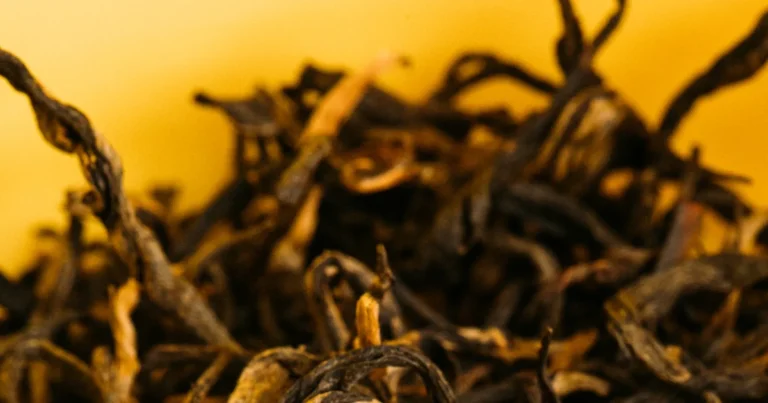
- Observe the Dry Leaves: Before brewing, take a moment to look at the dry leaves. Are they whole or broken? What’s their color? Are there golden tips (young buds)? Higher grades often have larger, unbroken leaves and more tips (Serious Eats). This gives you a hint of the tea’s quality.
- Inhale the Dry Aroma: Gently smell the dry leaves. What do you detect? Earthy, floral, malty, sweet, or even smoky notes? This initial aroma can be surprisingly different from the brewed tea.
- Brew with Precision: This is crucial! Use fresh, filtered water.
- Water Temperature: For most black teas, aim for 195-200°F (90-93°C) (Tealeavz). Boiling water (212°F/100°C) can sometimes scorch delicate black teas, bringing out bitterness.
- Steeping Time: Generally 3-5 minutes (Tealeavz). Adjust based on your preference for strength and the specific tea. Delicate teas might need less, robust ones more.
- Leaf-to-Water Ratio: A good starting point is 1 teaspoon (2-3 grams) of loose leaf tea per 8 ounces (240 ml) of water.
- Observe the Liquor: Once brewed, pour the tea into a white cup. Note its color. Is it a glowing orange, a deep amber, or a rich mahogany? This visual cue can tell you a lot about the tea’s oxidation and body.
- Inhale the Wet Aroma: Bring the cup to your nose and inhale deeply. This is where the magic happens! The aroma of the brewed tea will be more complex and revealing. Look for notes of fruit, flowers, malt, chocolate, nuts, or even a hint of wine (Serious Eats).
- The Slurp and Swirl: Take a small sip, but don’t just swallow. Slurp it in with a bit of air. This aerates the tea, allowing the flavors to fully coat your palate. Swirl it around your mouth.
- Identify Flavor Notes: What flavors emerge? Are they sweet, savory, fruity, floral, earthy, spicy, or malty? Can you pinpoint specific fruits (raisin, citrus), nuts, or spices?
- Assess Body and Mouthfeel: How does the tea feel in your mouth? Is it light, medium, or full-bodied? Is it velvety, brisk, or smooth? A “brisk” quality refers to a refreshing crispness, not bitterness (Serious Eats).
- Evaluate the Finish: What taste and sensation linger after you swallow? Is it clean, sweet, dry, or complex? A good tea will have a pleasant, lasting finish.
- Reflect and Compare: Take notes! What did you like or dislike? How does it compare to other black teas you’ve tried?
Expert Tip: “Don’t be afraid to taste black tea without milk or sugar first,” advises Elena. “You can always add them later, but tasting it plain allows you to truly appreciate its inherent character and complexity. You might be surprised by how much you enjoy it unadorned!”
Practicing these steps will sharpen your palate and deepen your appreciation for the incredible diversity of black tea. For more detailed guides on tea preparation, check out our Tea Brand Guides.
🛒 Where to Buy the Best Black Tea: Trusted Brands and Retailers
Finding truly exceptional black tea can feel like a treasure hunt, but with the right map, you’ll uncover some incredible finds. While your local grocery store might offer convenience, specialty tea shops and reputable online retailers are where you’ll discover the real gems. Our team at Tea Brands™ has compiled a list of trusted sources that consistently deliver quality.
Online Specialty Tea Retailers: Your Global Tea Market
These online stores are fantastic for exploring a vast selection of single-origin teas, rare finds, and expert-curated blends. They often provide detailed information about the tea’s origin, processing, and flavor notes.
- Upton Tea Imports: A long-standing favorite, Upton Tea offers an incredibly wide variety of black teas, including rare Japanese black teas and high-quality Darjeelings (Serious Eats). Their selection is extensive, catering to both beginners and connoisseurs.
- 👉 Shop Upton Tea Imports on: Upton Tea Imports Official Website
- Verdant Tea: Specializing in Chinese teas, Verdant Tea is an excellent source for authentic Keemun, Yunnan, and Lapsang Souchong, often directly from small farms (Serious Eats). They offer affordable Jin Jun Mei and smoked Wuyi teas.
- 👉 Shop Verdant Tea on: Verdant Tea Official Website
- In Pursuit of Tea: This retailer focuses on high-quality Chinese, Sri Lankan, and Indian teas, including seasonal Darjeeling comparisons (Serious Eats). Their selection is curated with an emphasis on exceptional taste.
- 👉 Shop In Pursuit of Tea on: In Pursuit of Tea Official Website
- Song Tea: For premium Chinese black teas and unique Taiwanese cultivars with honey and cherry flavors, Song Tea is a fantastic choice (Serious Eats). Their offerings are often exquisite and highly sought after.
- 👉 Shop Song Tea on: Song Tea Official Website
- SV Tea: If you’re keen on exploring Nepalese high-altitude teas with intriguing cocoa and pine notes, SV Tea is the specialist (Serious Eats).
- 👉 Shop SV Tea on: SV Tea Official Website
- Palais des Thés: This French tea house offers a diverse selection of premium black teas, including classic favorites like Earl Grey and English Breakfast, alongside origin blends from Assam and Darjeeling (Palais des Thés). They emphasize rich flavors and aromatic profiles.
- 👉 Shop Palais des Thés on: Palais des Thés Official Website
Reputable Brands (Widely Available)
These brands are often found in larger grocery stores, online marketplaces like Amazon and Walmart, and offer a reliable entry point into quality black tea.
- Harney & Sons: Known for their wide range of flavored and unflavored black teas, including excellent Assams, Darjeelings, and Earl Greys. Their quality is consistently high.
- 👉 Shop Harney & Sons on: Amazon | Walmart | Harney & Sons Official Website
- Twinings: A classic British brand, Twinings offers a solid selection of English Breakfast, Earl Grey, and single-origin black teas like Ceylon. A great everyday option.
- 👉 Shop Twinings on: Amazon | Walmart | Twinings Official Website
- Taylors of Harrogate: Another excellent British brand, known for robust and flavorful blends like Yorkshire Tea (a strong black tea blend) and their Pure Assam.
- 👉 Shop Taylors of Harrogate on: Amazon | Walmart | Taylors of Harrogate Official Website
- Vahdam India: Specializes in garden-fresh, single-origin Indian teas, including a fantastic range of Assams, Darjeelings, and Nilgiris, often shipped directly from India.
- 👉 Shop Vahdam India on: Amazon | Vahdam India Official Website
Local Specialty Tea Shops
Don’t underestimate the power of your local tea shop! These establishments often have knowledgeable staff who can guide you through their selection, offer samples, and provide personalized recommendations. Plus, you get to support a local business!
Our Recommendation: Start with a well-known brand for a classic experience, then venture into specialty retailers for unique single-origin teas. Don’t be afraid to experiment! The world of black tea is vast and full of delightful surprises. For more brand spotlights, check out our Tea Brand Spotlights.
💡 Brewing Tips and Tricks for the Perfect Cup of Black Tea
You’ve selected a magnificent black tea, but the journey to the perfect cup isn’t over yet! Brewing, my friends, is where the magic truly happens. Even the finest leaves can be ruined by improper preparation, and conversely, a good brew can elevate a decent tea. Here at Tea Brands™, we’ve perfected our brewing rituals, and we’re ready to share our secrets.
The Golden Rules of Black Tea Brewing:
-
Start with Quality Water: This is perhaps the most overlooked factor! Tap water, especially if it’s heavily chlorinated or has a high mineral content, can drastically alter the taste of your tea.
- ✅ Use filtered or spring water.
- ❌ Avoid distilled water, as it lacks minerals that help extract flavor.
- Anya’s Anecdote: “I once brewed a prized Darjeeling with tap water straight from the faucet, and it tasted flat and dull. Switched to filtered water, and it was like night and day! The water truly is the canvas for your tea.”
-
Mind the Temperature: Black tea generally prefers hotter water than green or white teas to fully extract its robust flavors.
- ✅ Aim for 195-200°F (90-93°C) (Tealeavz). This is just off a rolling boil.
- ❌ Avoid a full, violent boil for too long, as it can deplete oxygen in the water, leading to a flat taste.
- Pro Tip: If you don’t have a temperature-controlled kettle, boil water and then let it sit for 30-60 seconds before pouring.
-
Measure Your Leaves: Precision matters for consistency.
- ✅ Use 1 teaspoon (approx. 2-3 grams) of loose leaf tea per 8 ounces (240 ml) of water.
- Adjust to Taste: If you prefer a stronger brew, add a little more tea, not necessarily more steeping time (which can lead to bitterness).
-
The Steep Time Sweet Spot: This is where many go wrong! Too short, and your tea will be weak; too long, and it can become bitter and overly astringent.
- ✅ Steep most black teas for 3-5 minutes (Tealeavz).
- Delicate black teas (like First Flush Darjeeling) might prefer 2-3 minutes.
- Robust black teas (like Assam or Irish Breakfast) can handle 4-5 minutes, especially if you’re adding milk.
- ❌ Don’t oversteep! This is the primary culprit for bitter black tea. “High-quality black teas express a rich, complex flavor that goes well with a drop of milk,” but oversteeping can ruin even the best (Tealeavz).
-
Warm Your Teapot: A simple step that makes a big difference! Pour a little hot water into your teapot, swirl it around, and discard. This prevents the teapot from cooling your brewing water too quickly.
-
Stir and Serve: After steeping, give the tea a gentle stir to ensure even distribution of flavor. Strain the leaves immediately to prevent further steeping.
Brewing for Different Black Tea Types:
| Tea Type | Water Temp (°F/°C) | Steep Time (min) | Notes |
|---|---|---|---|
| Assam | 200-205 / 93-96 | 4-5 | Can handle hotter water and longer steeping; great with milk. |
| Darjeeling | 195-200 / 90-93 | 2-4 | Delicate; avoid oversteeping. Best plain. |
| Ceylon | 200-205 / 93-96 | 3-5 | Versatile; good hot or iced. |
| Keemun | 195-200 / 90-93 | 3-4 | Mellow; less prone to bitterness. |
| Yunnan | 200-205 / 93-96 | 3-5 | Robust; good with milk. |
| Lapsang Souchong | 205-210 / 96-99 | 3-5 | Can handle very hot water due to its strong character. |
| Blends (Earl Grey, English/Irish Breakfast) | 205-210 / 96-99 | 4-5 | Designed to be robust; often enjoyed with milk and sugar. |
By following these tips, you’ll consistently brew a cup of black tea that truly honors the leaves and delights your senses. Happy brewing!
🌿 Health Benefits and Nutritional Insights of Black Tea
Beyond its captivating flavors and comforting warmth, black tea is a powerhouse of health benefits, making it a truly wholesome beverage. Our team at Tea Brands™ is passionate about the well-being aspects of tea, and black tea, with its unique composition, offers a compelling case for daily consumption.
The Science Behind the Sip: Key Health Benefits
Black tea’s health prowess largely stems from its rich concentration of antioxidants, particularly theaflavins and EGCG (Epigallocatechin gallate). These compounds are formed during the oxidation process that gives black tea its distinctive character.
Here’s a breakdown of the impressive benefits, supported by research:
- Heart Health Hero: Black tea may significantly reduce the risk of cardiovascular disease and stroke (Tealeavz, #featured-video). Studies suggest it can help lower LDL (“bad”) cholesterol and improve blood pressure (Tealeavz). Theaflavins, in particular, are believed to play a role in this by inhibiting lipid metabolism.
- Blood Sugar Regulation: Regular consumption of black tea has been linked to improved blood glucose levels and a reduced risk of Type 2 diabetes (Tealeavz, #featured-video). The compounds in black tea can help improve insulin sensitivity.
- Gut Health Guardian: Black tea contains polyphenols that act as prebiotics, promoting the growth of beneficial gut bacteria and improving overall gut health (Tealeavz). A healthy gut is linked to numerous aspects of well-being.
- Brain Boost: The combination of caffeine and L-theanine in black tea can enhance focus, alertness, and cognitive function (Tealeavz). L-theanine provides a calm, sustained energy without the jitters often associated with coffee.
- Anti-Cancer Potential: While more research is needed, black tea exhibits anti-cancer properties (#featured-video). Theaflavins, a red pigment found in black tea, act as FAS inhibitors, which may play a role in its anti-cancer effects. Studies show EGCG and theaflavin can be reduced by 76% and 87% respectively, when a FAS inhibitor is present (#featured-video).
- Immune System Support: Black tea possesses anti-viral and anti-bacterial properties, helping to bolster your immune system and fight off common illnesses (#featured-video).
- Bone Health: Some studies suggest black tea consumption may reduce the risk of osteoporosis (#featured-video), contributing to stronger bones.
- Oral Health: Black tea can help prevent cavities by inhibiting the growth of bacteria that cause tooth decay (#featured-video).
Black Tea vs. Green Tea: A Quick Comparison
While green tea often gets the spotlight for its EGCG content, it’s important to remember that “black tea is fermented or oxidized green tea” (#featured-video). This oxidation process transforms some of the catechins into theaflavins and thearubigins, giving black tea its unique benefits.
- EGCG: Present in both, but often higher in green tea.
- Theaflavins: Higher in black tea than in green tea (#featured-video), these are potent antioxidants unique to oxidized teas.
Nutritional Snapshot (per 8 oz cup, unsweetened):
| Nutrient/Compound | Amount (Approximate) | Benefit |
|---|---|---|
| Caffeine | 47 mg (Tealeavz) | Stimulant, enhances focus (less than coffee’s ~95 mg) |
| Calories | 2 | Negligible |
| Fat | 0 g | None |
| Carbohydrates | 0.4 g | Negligible |
| Protein | 0.4 g | Negligible |
| Antioxidants | High | Fights free radicals, reduces oxidative stress |
| Theaflavins | High | Heart health, anti-cancer properties, cholesterol regulation |
| Thearubigins | High | Contributes to red color, antioxidant activity |
| L-Theanine | Present | Promotes relaxation, improves focus, reduces caffeine jitters |
| Flavonoids | High | Anti-inflammatory, supports cardiovascular health |
Important Note: The caffeine content in black tea can vary based on water temperature, brewing time, and leaf-to-water ratio (Tealeavz). Decaffeinated options are also available if you’re sensitive to caffeine.
So, the next time you steep a cup of black tea, remember you’re not just enjoying a delicious beverage; you’re also doing something wonderful for your body and mind! For more in-depth information on the health aspects of tea, visit our Health Benefits of Tea section.
🧳 Black Tea Culture: Traditions and Rituals Around the World
Tea is more than just a drink; it’s a cultural phenomenon, a social lubricant, and a ritual deeply embedded in societies across the globe. Black tea, in particular, has inspired a myriad of traditions, from elaborate ceremonies to simple daily comforts. Let’s take a whirlwind tour of how black tea is cherished worldwide.
The British Afternoon Tea: A Quintessential Experience 🇬🇧
Perhaps the most famous black tea ritual in the Western world, British Afternoon Tea is an institution. Originating in the mid-19th century, it was conceived by Anna, the Duchess of Bedford, to stave off hunger between lunch and dinner.
- The Spread: It’s not just about the tea! A traditional afternoon tea involves a tiered stand laden with finger sandwiches, scones with clotted cream and jam, and an array of delicate pastries.
- The Tea: Typically, English Breakfast or Earl Grey black tea is served, often with milk and sugar. The ritual emphasizes refinement, conversation, and a leisurely pace.
- Our Take: “There’s something incredibly comforting and elegant about a proper afternoon tea,” says Sarah. “It’s a wonderful way to slow down and connect with friends, all centered around a beautiful cup of black tea.”
Indian Chai: A Spicy, Milky Embrace 🇮🇳
In India, tea is synonymous with Chai (which simply means “tea”). But when we say “Chai” in the West, we’re usually referring to Masala Chai – a spiced, milky, and sweet black tea concoction.
- The Spices: A blend of black tea (often strong Assam) with aromatic spices like cardamom, cinnamon, cloves, ginger, and sometimes black peppercorns (Tealeavz).
- The Preparation: The tea leaves and spices are simmered in milk and water, then sweetened with sugar. It’s a robust, warming, and invigorating drink.
- The Culture: Chai is ubiquitous in India, sold by “chaiwallahs” (tea vendors) on street corners, served in homes, and enjoyed throughout the day. It’s a symbol of hospitality and daily life.
- Priya’s Personal Story: “Growing up in India, the aroma of simmering chai was the soundtrack to my mornings. My grandmother had her secret blend of spices, and that first sip was pure bliss – a spicy, sweet hug in a mug. It’s more than just a drink; it’s a feeling of home.”
Chinese Gongfu Cha: The Art of Tea 🇨🇳
While green and Oolong teas are often associated with Gongfu Cha (meaning “making tea with skill”), black teas like Keemun and Yunnan can also be enjoyed in this ceremonial style.
- The Focus: Gongfu Cha emphasizes precision, aesthetics, and appreciating the tea’s subtle nuances through multiple, short infusions.
- The Tools: Small teapots (often Yixing clay), tiny cups, a fairness pitcher, and a tea tray are typical.
- The Experience: It’s a meditative practice, allowing the drinker to fully engage with the tea’s evolving flavors and aromas.
Russian Tea Culture: The Samovar and Jam 🇷🇺
In Russia, black tea is traditionally brewed strong in a samovar – a metal container used to heat and boil water.
- The Serving: A small amount of concentrated tea (zavarka) is poured into a cup, then diluted with hot water from the samovar to the drinker’s preference.
- The Accompaniments: Tea is often served with sugar, lemon, and a spoonful of fruit jam, which is sometimes held in the mouth while sipping the tea.
- The Warmth: Given Russia’s cold climate, hot black tea is a staple for warmth and hospitality.
Turkish Tea: Strong, Dark, and Social 🇹🇷
Tea is deeply ingrained in Turkish culture, often served in small, tulip-shaped glasses.
- The Brew: Turkish black tea is typically strong and dark, brewed in a double-tiered teapot (çaydanlık). The lower pot boils water, and the upper pot holds the concentrated tea.
- The Social Aspect: Tea is offered as a sign of welcome and hospitality, consumed throughout the day in social gatherings, business meetings, and at home. It’s rarely served with milk, but sugar cubes are common.
These traditions highlight how black tea, in its myriad forms, brings people together, offers comfort, and reflects the unique spirit of different cultures. It’s a truly global beverage with a local heart.
🔍 Common Black Tea Myths Debunked
The world of tea is full of fascinating facts, but also its fair share of misconceptions. As expert tea tasters at Tea Brands™, we’ve heard them all! It’s time to clear the air and debunk some common black tea myths that might be preventing you from enjoying your next cup to its fullest.
Myth 1: All Black Tea is Bitter and Tannic. ❌
This is perhaps the most pervasive myth, and it’s simply not true for high-quality black tea!
- The Reality: While some low-grade black teas, especially when oversteeped, can indeed be bitter and overly tannic, great black tea offers a complex, wine-like experience with hints of fruit, chocolate, nuts, and citrus (Serious Eats). A slight “briskness” or astringency is a desirable trait, providing a refreshing crispness, but it should never be harsh or unpleasant.
- Why it Persists: Many people’s first exposure to black tea is through mass-produced tea bags containing fannings (tiny broken leaves) that are prone to over-extraction and bitterness. Improper brewing (too hot water, too long steeping) also contributes.
- ✅ Solution: Invest in high-quality loose leaf black tea and follow proper brewing guidelines. You’ll be amazed at the difference!
Myth 2: Black Tea Has More Caffeine Than Coffee. ❌
This is a common misconception, likely due to black tea’s robust flavor.
- The Reality: An 8 oz cup of black tea typically contains around 47 mg of caffeine, whereas an 8 oz cup of coffee contains approximately 95 mg (Tealeavz). So, coffee generally has significantly more caffeine.
- Why it Persists: The perception of black tea as a strong “wake-up” drink.
- ✅ Fact: While black tea provides a good energy boost, it’s often a more sustained and gentle lift due to the presence of L-theanine, which promotes calm alertness without the jitters.
Myth 3: You Must Add Milk and Sugar to Black Tea. ❌
While many enjoy black tea with additions, it’s far from a requirement.
- The Reality: Many high-quality black teas, especially delicate Darjeelings, nuanced Keemuns, or sweet Yunnan teas, are best enjoyed plain to fully appreciate their intricate flavor profiles (Serious Eats). Adding milk and sugar can mask these subtle notes.
- Why it Persists: Cultural traditions, particularly in Western countries, often involve adding milk and sugar to black tea, especially stronger breakfast blends.
- ✅ Recommendation: Try your black tea plain first! If you still prefer additions, go for it, but don’t assume it’s the only way to drink it.
Myth 4: All Black Teas Taste the Same. ❌
This myth couldn’t be further from the truth!
- The Reality: As we’ve explored in our “Top 12 Best Black Teas” section, black teas exhibit an incredible range of flavors, aromas, and bodies. From the malty punch of Assam to the floral elegance of Darjeeling, the cocoa notes of Keemun, or the smoky intensity of Lapsang Souchong – the diversity is immense.
- Why it Persists: Limited exposure to only a few types of black tea, often generic blends.
- ✅ Challenge: Explore different single-origin black teas from various regions. You’ll quickly discover a world of distinct tastes!
Myth 5: Black Tea is “Fermented” Tea. ❌
This is a technicality, but an important one for understanding tea processing.
- The Reality: Black tea undergoes oxidation, not fermentation. While the term “fermented” was historically used due to a misunderstanding of the chemical process, modern science clarifies that it’s an enzymatic reaction with oxygen.
- Why it Persists: The historical misnomer stuck, and many still use the term interchangeably.
- ✅ Clarification: Black tea is oxidized green tea, where enzymes in the leaves react with oxygen, changing their color and flavor profile (#featured-video).
By shedding these myths, we hope you feel more confident and curious to explore the wonderful, diverse, and often surprising world of black tea!
📊 Making the Grade: How Experts Rate Black Tea Quality
Ever wondered what makes one black tea “premium” and another just “okay”? It’s not just about taste; there’s a whole system of evaluation that tea experts, like us at Tea Brands™, use to assess quality. Understanding these grades and factors can help you make more informed choices and appreciate the craftsmanship behind your cup.
The Leaf Itself: Size and Appearance
One of the primary indicators of black tea quality is the size and integrity of the tea leaves.
- Larger, Unbroken Leaves = Higher Grades: Generally, teas with larger, whole, unbroken leaves are considered higher quality. These leaves tend to yield a more delicate, nuanced, and complex brew (Serious Eats). They release their flavors slowly and steadily.
- Tiny, Broken Leaves = Lower Grades: Teas made from tiny, broken leaves (often called fannings or dust) are typically lower grades. They brew quickly, producing a coarse, brisk, and often stronger, darker liquor (Serious Eats). These are commonly found in tea bags.
- Presence of “Tips” (Buds): High-grade black teas often include more young, unopened leaf buds, known as “tips.” These tips, which appear golden or silvery, add a desirable depth, sweetness, and often a velvety mouthfeel to the tea (Serious Eats).
The Orthodox Tea Grading System: A Quick Primer
The most common grading system for black tea, particularly from India and Sri Lanka, is the Orthodox Grading System. It uses a series of acronyms to describe the leaf size and quality. It’s a bit like a secret code, but once you crack it, you’ll see it everywhere!
| Grade Acronym | Meaning | Description | | FOP | FOP (Flowery Orange Pekoe)
This is a comprehensive overview of how tea quality is assessed. It’s not just about the final taste, but the journey of the leaf from the garden to your cup!
🎉 Conclusion: Finding Your Perfect Black Tea Match

So, which is the best black tea in the world? Well, as we hinted early on, the answer is delightfully complex — much like the teas themselves! From the bold, malty punch of Assam to the floral elegance of Darjeeling, the smoky campfire charm of Lapsang Souchong, and the bright citrus notes of Ceylon, black tea offers a spectrum of experiences that cater to every palate.
Our expert tasters at Tea Brands™ have journeyed through the hills and valleys of tea gardens worldwide, and while we can confidently recommend certain teas for specific moods and moments, the “best” black tea ultimately depends on your taste preferences and brewing style.
Positives of the Top Black Teas Reviewed:
✅ Rich diversity of flavor profiles — from delicate to robust
✅ High-quality loose leaf teas offer nuanced aromas and complex tastes
✅ Health benefits backed by science, including antioxidants and heart health support
✅ Versatility in preparation — plain, with milk, iced, or spiced
✅ Availability from trusted brands and specialty retailers worldwide
Considerations:
❌ Some premium black teas can be pricey or harder to find locally
❌ Brewing requires attention to detail to avoid bitterness or over-extraction
❌ Flavored blends may mask the pure character of single-origin teas, so try both!
If you’re new to black tea, start with accessible classics like Assam or English Breakfast, then explore more nuanced varieties like Keemun, Yunnan, or Darjeeling. For the adventurous, Lapsang Souchong offers a smoky thrill, while blends like Earl Grey bring a citrusy twist.
Remember, the best black tea is the one that makes you smile with every sip. So go ahead, experiment, savor, and let your tea journey unfold!
For more expert insights and detailed reviews, don’t forget to visit our full best black tea in the world guide.
🔗 Recommended Links for Black Tea Enthusiasts
Ready to dive into the world of black tea? Here are some of our favorite trusted sources and products to get you started:
- Harney & Sons Assam Black Tea: Amazon | Harney & Sons Official Website
- Upton Tea Imports Darjeeling: Upton Tea Imports Official Website
- Dilmah Ceylon Tea: Amazon | Dilmah Official Website
- Verdant Tea Keemun: Verdant Tea Official Website
- Vahdam India Yunnan Black Tea: Amazon | Vahdam India Official Website
- Harney & Sons Lapsang Souchong: Amazon | Harney & Sons Official Website
- Twinings Earl Grey: Amazon | Twinings Official Website
- Barry’s Tea Irish Breakfast: Amazon
- Taylors of Harrogate English Breakfast: Amazon | Taylors of Harrogate Official Website
Must-Read Books on Black Tea:
- The Story of Tea: A Cultural History and Drinking Guide by Mary Lou Heiss & Robert J. Heiss
Amazon Link - The Tea Enthusiast’s Handbook: A Guide to Enjoying the World’s Best Teas by Mary Lou Heiss
Amazon Link - Tea: History, Terroirs, Varieties by Kevin Gascoyne, Francois Marchand, et al.
Amazon Link
❓ FAQ: Your Burning Questions About Black Tea Answered

What makes a black tea the best quality?
High-quality black tea is characterized by whole, unbroken leaves, a generous presence of young leaf buds (“tips”), and a fresh, vibrant aroma. The processing method matters too — orthodox methods that preserve leaf integrity tend to produce more nuanced flavors. The best black teas have a complex flavor profile with balanced astringency, sweetness, and a clean finish. Origin authenticity and freshness are also critical. Avoid teas made from broken leaves or dust, which often yield bitter, flat brews (Serious Eats, Tealeavz).
Which regions produce the finest black teas globally?
The finest black teas come from India (Assam, Darjeeling, Nilgiri), Sri Lanka (Ceylon), and China (Keemun, Yunnan, Lapsang Souchong). Nepalese teas also offer excellent quality, often compared to Darjeeling. Each region’s unique climate, altitude, and soil contribute to distinct flavor profiles. For example, Darjeeling’s high-altitude Himalayan terroir produces delicate, floral teas, while Assam’s lowland plains yield bold, malty brews (Serious Eats, Tealeavz).
How does the flavor profile of premium black teas differ?
Premium black teas exhibit a wide range of flavors depending on origin and processing. For instance:
- Darjeeling: Floral, muscatel, fruity, delicate
- Assam: Malty, robust, brisk, caramel notes
- Keemun: Malt, cocoa, subtle smokiness, floral
- Yunnan: Chocolaty, sweet, velvety
- Lapsang Souchong: Smoky, campfire aroma
- Ceylon: Bright, citrusy, spicy
These profiles contrast with lower-grade teas, which tend to be bitter, astringent, and one-dimensional (Serious Eats, Tealeavz).
What are the health benefits of drinking high-quality black tea?
High-quality black tea is rich in antioxidants like theaflavins and EGCG, which support heart health, reduce LDL cholesterol, improve gut microbiota, and may help regulate blood sugar (Tealeavz). It also contains caffeine and L-theanine, which together enhance focus and alertness without jitters. Emerging research suggests potential anti-cancer properties and immune support. However, benefits are maximized when tea is consumed without excessive sugar or additives (Tealeavz, Healthline).
How should I store black tea to maintain its freshness?
Store black tea in an airtight container, away from light, moisture, heat, and strong odors. Avoid transparent jars unless kept in a dark cupboard. Ideally, keep tea in a cool, dry place and consume it within 6-12 months for optimal flavor. Proper storage preserves the delicate oils and aromas that define quality black tea.
Can I brew black tea multiple times?
Unlike some green or oolong teas, most black teas are best brewed once to extract their full flavor. However, some high-quality whole-leaf black teas, like Darjeeling or Keemun, can be steeped 2-3 times, with subsequent infusions yielding lighter, more delicate flavors. Experiment to find what suits your taste!
📚 Reference Links and Further Reading
- Serious Eats: A Guide to Black Tea
- Palais des Thés: Premium Black Teas
- Tealeavz: The Ultimate Guide to the Best Black Tea
- Harney & Sons: Official Website
- Twinings: Official Website
- Vahdam India: Official Website
- Verdant Tea: Official Website
- Upton Tea Imports: Official Website
- In Pursuit of Tea: Official Website
- Song Tea: Official Website
- SV Tea: Official Website
- Palais des Thés: Official Website
For a deep dive into black tea’s nuances and expert recommendations, we highly recommend reading the comprehensive guide by Tealeavz linked above. It’s a treasure trove of knowledge for both novices and aficionados alike!
Enjoy your tea journey, and remember: the best black tea is the one that brings you joy in every sip! ☕✨