Support our educational content for free when you purchase through links on our site. Learn more
What Is Considered the Best Tea? 🍵 Discover 12 Top Varieties (2026)

Ever wondered what truly makes a tea the best? Is it the delicate floral notes of a rare white tea, the bold robustness of a classic black, or the earthy complexity of an aged Pu-erh? At Tea Brands™, we’ve tasted, tested, and traveled the world of tea leaves to bring you the ultimate guide to the 12 best tea varieties that consistently captivate palates globally. Spoiler alert: the answer isn’t one-size-fits-all — it’s a flavorful journey shaped by history, terroir, processing, and personal taste.
Here’s a fun teaser: did you know that the world’s most expensive tea, Da Hong Pao, can fetch tens of thousands of dollars for just a few grams? Or that the tea bag was invented by accident? Stick around as we unravel these fascinating stories, share expert brewing tips, and reveal our favorite brands to help you sip your way to tea perfection.
Key Takeaways
- The “best” tea depends on your personal taste, but quality indicators like whole leaves, fresh aroma, and clear liquor are universal.
- Terroir and cultivation practices profoundly influence tea flavor and quality, making origin a key factor.
- Our top 12 teas include classics like green, black, and oolong, plus rarities like yellow tea and Pu-erh.
- Proper brewing technique unlocks the full flavor potential of each tea type—temperature and steep time matter!
- Tea offers a wealth of health benefits, from antioxidants to digestive support, backed by modern science.
- Trusted brands such as Fortnum & Mason, Ippodo Tea Co., and Makaibari produce consistently exceptional teas.
Ready to find your new favorite brew? Dive in and let’s steep into the world of the best teas together!
Table of Contents
- ⚡️ Quick Tips and Facts About the Best Tea
- 🌱 The Rich History and Origins of Tea: From Ancient Leaves to Modern Cups
- 🍃 What Defines the Best Tea? Understanding Quality, Flavor, and Aroma
- 🍵 Top 12 Best Tea Varieties Around the World: From Classic to Exotic
- 1. Green Tea: The Evergreen Favorite
- 2. Black Tea: Bold and Robust
- 3. Oolong Tea: The Perfect Balance
- 4. White Tea: The Delicate Treasure
- 5. Pu-erh Tea: The Aged Wonder
- 6. Matcha: The Vibrant Green Powerhouse
- 7. Herbal Teas: Nature’s Medicinal Brew
- 8. Chai Tea: The Spiced Sensation
- 9. Yellow Tea: The Rare Delicacy
- 10. Rooibos Tea: The South African Gem
- 11. Jasmine Tea: The Fragrant Floral Delight
- 12. Genmaicha: The Nutty Japanese Blend
- 🌍 How Terroir and Cultivation Affect Tea Quality and Taste
- 🛍️ Our Favorite Tea Brands and Where to Buy the Best Tea Online
- ☕ Brewing the Perfect Cup: Expert Tips for Unlocking the Best Tea Flavors
- 💡 Health Benefits of the Best Teas: What Science Says
- 🔍 How to Spot Fake or Low-Quality Tea: Insider Secrets
- 🎉 Fun Tea Facts and Anecdotes from Our Tea Tasting Team
- 🔚 Conclusion: What Really Makes the Best Tea?
- 🔗 Recommended Links for Tea Lovers
- ❓ Frequently Asked Questions About the Best Tea
- 📚 Reference Links and Further Reading
⚡️ Quick Tips and Facts About the Best Tea
Alright, fellow tea enthusiasts, let’s dive right into the heart of the matter! What is considered the best tea? It’s a question that sparks lively debates in our “Tea Brands™” tasting room, and honestly, it’s a bit like asking what the “best” color is. Highly subjective, deeply personal, and wonderfully diverse! But fear not, we’re here to guide you through the leafy labyrinth.
Here are some quick, digestible facts to get your tea journey started:
- Subjectivity Reigns Supreme: The “best” tea truly depends on your palate, mood, and even the time of day. As
health.comwisely puts it, “The best tea is the one that suits your taste and meets your health needs.” We couldn’t agree more! - Quality Indicators: While taste is personal, quality isn’t. Look for whole, unbroken leaves, a vibrant aroma, and a clear, bright liquor (the brewed tea). Dust and fannings? ❌ Not a good sign.
- Origin Matters: Just like wine, tea’s flavor is heavily influenced by its terroir – the soil, climate, and altitude where it’s grown. Darjeeling from India, Longjing from China, Matcha from Japan… each tells a unique story.
- Processing is Key: How tea leaves are processed (oxidized, rolled, dried) dictates their type and flavor profile. This is where green, black, oolong, and white teas diverge dramatically.
- Freshness Counts: Tea isn’t meant to age indefinitely (unless it’s Pu-erh!). Fresher leaves generally yield a more vibrant and nuanced cup.
- Beyond Camellia sinensis: While “true” teas come from the Camellia sinensis plant, a whole world of delightful Herbal Tea awaits! Curious if they’re “real” tea? We’ve got you covered in our article: Are Herbal Teas Real Tea? Discover 10 Benefits You’ll Love! 🌿.
| Aspect | ✅ High Quality | ❌ Low Quality |
|---|---|---|
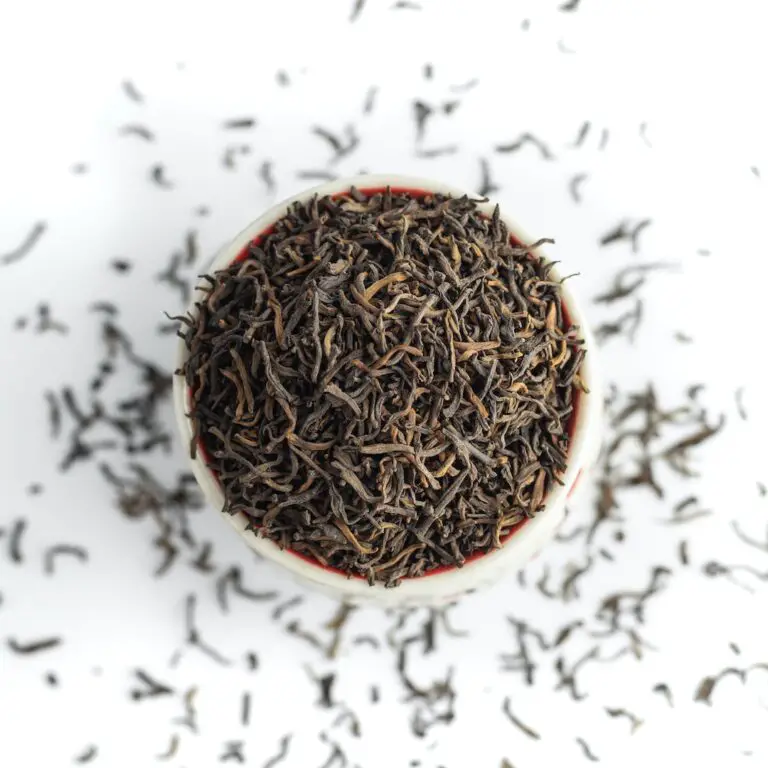
| **Leaf Appearance** | Whole, unbroken, consistent size | Broken, dusty, stems, inconsistent |
| **Aroma (Dry Leaf)** | Distinct, fresh, complex, natural | Stale, flat, artificial, musty |
| **Brewed Liquor** | Clear, bright, appropriate color | Cloudy, dull, murky, off-color |
| **Flavor Profile** | Balanced, nuanced, lingering finish | Bitter, astringent, weak, one-dimensional |
| **Origin & Sourcing** | Traceable, reputable growers, specific region | Generic “tea blend,” unknown source |
Ready to explore the fascinating world of tea? Let’s steep ourselves in its rich history! For more in-depth guidance, check out our Tea Brand Guides.
🌱 The Rich History and Origins of Tea: From Ancient Leaves to Modern Cups

Imagine a world without tea. Hard to picture, right? This beloved beverage has a history as rich and complex as its deepest brew, stretching back thousands of years. We’re talking ancient legends, imperial decrees, and global trade routes!
The Mythical Beginning: Emperor Shen Nung’s Discovery
Our journey begins in ancient China, around 2737 BCE. Legend has it that Emperor Shen Nung, a mythical ruler and herbalist, was boiling water under a tea tree (Camellia sinensis) when a few leaves drifted into his pot. Intrigued by the pleasant aroma, he tasted the infusion. Lo and behold, he found it refreshing and invigorating! And just like that, tea was born. While likely a charming myth, it highlights tea’s deep roots in Chinese culture and its early recognition for both its taste and medicinal properties. You can read more about this fascinating origin story on sites like Tea.org.
From Medicine to Daily Ritual: Tea’s Evolution in Asia
For centuries, tea was primarily consumed for its medicinal benefits in China. Buddhist monks embraced it for its ability to promote wakefulness during long meditations. During the Tang Dynasty (618-907 AD), tea transitioned from a medicinal tonic to a popular beverage, becoming an integral part of daily life and culture. The art of tea preparation, known as the “Cha Jing” (The Classic of Tea) by Lu Yu, solidified its status.
From China, tea spread to Japan in the 9th century, carried by Buddhist monks. The Japanese developed their own unique tea culture, culminating in the elaborate Chanoyu, or Japanese Tea Ceremony, which emphasizes harmony, respect, purity, and tranquility.
The Global Journey: Tea’s Arrival in the West
It wasn’t until the 17th century that tea truly made its grand entrance into the Western world. Dutch traders brought tea to Europe, and it quickly became a fashionable drink among the aristocracy. In England, Catherine of Braganza, wife of King Charles II, introduced tea to the English court, popularizing it among the upper classes. Soon, tea was a staple, leading to the infamous Boston Tea Party and shaping global economies!
The British East India Company played a massive role in expanding tea cultivation, particularly in India, to break China’s monopoly. This led to the development of iconic Indian teas like Darjeeling and Assam, which we’ll explore later.
So, the next time you sip your favorite brew, take a moment to appreciate the incredible journey those leaves have made – from a mythical emperor’s accidental discovery to a global phenomenon that unites cultures and comforts souls. It’s a story steeped in history, wouldn’t you agree?
🍃 What Defines the Best Tea? Understanding Quality, Flavor, and Aroma
Ah, the million-dollar question! Or perhaps, the million-cup question. What really makes a tea “the best”? As seasoned tasters at Tea Brands™, we can tell you it’s a symphony of factors, not just a single note. It’s about understanding the nuances that elevate a simple brew into an extraordinary experience.
The Pillars of Tea Excellence: Beyond Just Taste
When we evaluate a tea, we’re looking at several interconnected elements that contribute to its overall quality and, ultimately, its “best-ness.”
1. Terroir: The Soul of the Leaf 🌍
Just like fine wine, tea’s character is profoundly shaped by its environment. Terroir encompasses:
- Altitude: High-grown teas often develop more complex, delicate flavors due to slower growth and cooler temperatures. Think Darjeeling!
- Climate: Rainfall, humidity, and sunlight all impact the tea plant’s chemistry.
- Soil Composition: The minerals and nutrients in the soil contribute unique characteristics to the leaves.
- Geography: Specific regions are renowned for particular tea types because their terroir is perfectly suited.
2. Cultivation Practices: Nurturing the Plant 🌱
How the tea is grown makes a huge difference.
- Organic vs. Conventional: Organic farming practices often lead to healthier plants and purer flavors, free from pesticides.
- Harvesting Method: Hand-picking (especially “two leaves and a bud”) ensures only the finest, youngest, and most flavorful parts of the plant are selected. Machine harvesting, while efficient, can include coarser leaves and stems, impacting quality.
- Sustainability: Responsible cultivation practices ensure the longevity of tea gardens and the well-being of workers, which, for us, adds to the “best” experience.
3. Processing: The Art of Transformation ✨
This is where the magic happens, transforming fresh leaves into distinct tea types.
- Oxidation: The chemical reaction that occurs when tea leaves are exposed to air.
- Green Tea: Minimal oxidation.
- White Tea: Very minimal, natural oxidation.
- Oolong Tea: Partial oxidation (a spectrum from light to heavy).
- Black Tea: Full oxidation.
- Pu-erh Tea: Fermented and aged.
- Rolling, Firing, Drying: These steps shape the leaves, stop oxidation, and reduce moisture, all impacting the final flavor and aroma. Precision is paramount!
4. Freshness and Storage: Preserving Perfection 📦
Even the highest quality tea can be ruined by improper storage or age.
- Freshness: True teas, especially green and white, are best consumed within a year or so of harvest. Their vibrant notes fade over time.
- Proper Storage: Keep tea in an airtight, opaque container, away from light, moisture, and strong odors. Tea leaves are like sponges!
Decoding Flavor and Aroma: Our Taster’s Toolkit
When we’re evaluating a tea, we don’t just say “it tastes good.” We break it down!
| Category | Examples | Associated Tea Types |
|---|---|---|
| **Grassy/Vegetal** | Spinach, seaweed, fresh-cut grass, asparagus | Japanese Green Teas (Sencha, Gyokuro) |
| **Floral** | Jasmine, rose, orchid, honeysuckle | Jasmine Green, Oolong, White Tea |
| **Fruity** | Citrus, stone fruit (peach, apricot), berry, grape (muscatel) | Oolong, Darjeeling Black Tea, Flavored Teas |
| **Nutty/Roasty** | Toasted rice, almond, chestnut, hazelnut | Genmaicha, Hojicha, some Oolongs |
| **Malty/Sweet** | Honey, caramel, molasses, chocolate, bread | Assam Black Tea, some Oolongs, Pu-erh |
| **Earthy/Woody** | Wet earth, mushroom, leather, tobacco, oak | Pu-erh, some Black Teas |
| **Spicy** | Cinnamon, cardamom, ginger, clove, pepper | Chai, some Herbal Blends |
Our Expert Take: While health.com emphasizes personal preference, we at Tea Brands™ believe that understanding these quality markers empowers you to find your personal “best.” A truly great tea will have a balanced flavor profile, a captivating aroma, and a clean, pleasant finish. It should tell a story with every sip.
So, the next time you brew a cup, take a moment. Inhale the aroma, observe the liquor, and truly savor the taste. You’ll be surprised how much you can discover!
🍵 Top 12 Best Tea Varieties Around the World: From Classic to Exotic
Alright, tea lovers, this is where the rubber meets the road – or rather, where the hot water meets the leaves! We’ve talked about what makes a tea great, but now let’s explore the specific varieties that consistently earn top marks from our tasting panel and tea aficionados worldwide. Get ready for a global tour of the finest brews!
Remember, “best” is subjective, but these 12 types represent the pinnacle of tea craftsmanship and flavor diversity. We’ve even included some of the specific brands praised by nytimes.com/wirecutter and foodtravelist.com to give you a head start!
1. Green Tea: The Evergreen Favorite
Green tea is a powerhouse of flavor and wellness, known for its fresh, often vegetal or grassy notes. It undergoes minimal oxidation, preserving its vibrant color and high antioxidant content.
- Flavor Profile: Ranges from sweet and nutty (Chinese Longjing) to fresh and oceanic (Japanese Sencha), or even intensely umami (Matcha).
- Key Benefits: Rich in catechins (antioxidants), supports metabolism, boosts brain function, and may reduce the risk of certain diseases.
health.comhighlights its role in weight loss and disease prevention. - Our Take: A daily staple for many of us. The sheer variety within green tea means there’s always something new to discover.
| Aspect | Rating (1-10) |
|---|---|
| **Flavor Complexity** | 8 |
| **Aroma** | 7 |
| **Health Benefits** | 9 |
| **Versatility** | 7 |
| **Overall Appeal** | 8 |
Recommended Green Teas:
- Chinese Longjing (Dragon Well):
foodtravelist.compraises its delicate, sweet, and nutty flavor.- 👉 Shop Dragon Well Tea on: Amazon | Dragon Well Tea Shop Official Website
- Yamamotoyama Jasmine Tea:
nytimes.com/wirecutternotes its full-bodied, honeysuckle, and fruity sweetness.- 👉 Shop Yamamotoyama Jasmine Tea on: Amazon | Yamamotoyama Official Website
- Masha Green:
nytimes.com/wirecutterdescribes it as green, fresh, grassy, with melon and citrus notes.- 👉 Shop Masha Green on: Masha Tea Official Website
Did you know? The first YouTube video embedded in this article highlights green tea’s impressive benefits, including aiding weight loss, killing bad breath bacteria, repressing high blood pressure, decreasing the risk of osteoporosis, and potentially preventing prostate, pancreatic, and stomach cancers with just 4 cups a day! Talk about a super brew! For more on this, check out our Health Benefits of Tea section.
2. Black Tea: Bold and Robust
Black tea is the most consumed tea globally, known for its full-bodied flavor and higher caffeine content. It undergoes full oxidation, which develops its characteristic dark color and malty, fruity, or even smoky notes.
- Flavor Profile: From malty and strong (Assam) to bright and floral (Darjeeling), or even smoky (Lapsang Souchong).
- Key Benefits: Contains theaflavins and thearubigins, known for boosting heart health and providing a sustained energy lift.
health.comconfirms its heart-healthy properties. - Our Take: The ultimate comfort tea, perfect for a morning boost or an afternoon pick-me-up. It’s incredibly versatile, great on its own or with milk and sugar.
| Aspect | Rating (1-10) |
|---|---|
| **Flavor Complexity** | 9 |
| **Aroma** | 8 |
| **Health Benefits** | 7 |
| **Versatility** | 9 |
| **Overall Appeal** | 9 |
Recommended Black Teas:
- Fortnum & Mason Royal Blend Tea:
nytimes.com/wirecutterpraises this blend of Assam and pekoe for its smooth, smoky flavor with acidity, best served with milk.- 👉 Shop Fortnum & Mason Royal Blend Tea on: Amazon | Fortnum & Mason Official Website
- Murchie’s Earl Grey:
nytimes.com/wirecutterhighlights its bright citrus, smooth vanilla, and pepperiness, calling it potent but balanced.- 👉 Shop Murchie’s Earl Grey on: Amazon | Murchie’s Tea & Coffee Official Website
- Indian Darjeeling:
foodtravelist.comcalls it the “Champagne of Teas” for its unique muscatel flavor. Makaibari and Ambootia are top brands.- 👉 Shop Makaibari Darjeeling Tea on: Amazon | Makaibari Official Website
- 👉 Shop Ambootia Darjeeling Tea on: Amazon | Ambootia Official Website
- Luzianne Iced Tea:
nytimes.com/wirecutterrecommends this for its toasty, smooth, and well-balanced flavor, great for pitcher brewing.- 👉 Shop Luzianne Iced Tea on: Amazon | Walmart | Luzianne Official Website
3. Oolong Tea: The Perfect Balance
Oolong tea is the chameleon of the tea world, partially oxidized, bridging the gap between green and black teas. Its processing is incredibly intricate, often involving repeated rolling and firing.
- Flavor Profile: Incredibly diverse, from light, floral, and green (lightly oxidized) to dark, roasted, and fruity (heavily oxidized). Notes can include orchid, honey, peach, or even toasted nuts.
- Key Benefits: May aid in weight management and improve metabolism, as noted by
health.com. - Our Take: Oolong is a journey in itself. Each brew can reveal new layers of flavor, making it a favorite for contemplative sipping.
| Aspect | Rating (1-10) |
|---|---|
| **Flavor Complexity** | 10 |
| **Aroma** | 9 |
| **Health Benefits** | 8 |
| **Versatility** | 8 |
| **Overall Appeal** | 9 |
Recommended Oolong Teas:
- Third Culture Bakery Honey Bug Bite Oolong:
nytimes.com/wirecutterdescribes its honey-like, malty sweetness and caramel notes, comparing it to Chenin Blanc wine.- 👉 Shop Third Culture Bakery Honey Bug Bite Oolong on: Third Culture Bakery Official Website
- Taiwanese Oolong (Tie Guan Yin, Dong Ding):
foodtravelist.comhighlights its complex aroma and flavor profile.
4. White Tea: The Delicate Treasure
White tea is the least processed of all true teas, made from young tea buds and leaves that are simply withered and dried. This minimal intervention preserves its delicate flavor and high antioxidant levels.
- Flavor Profile: Extremely subtle, often with notes of honey, peach, apricot, or delicate floral undertones. It’s light, refreshing, and naturally sweet.
- Key Benefits:
health.comnotes its high antioxidant content and potential anti-aging benefits. - Our Take: A true connoisseur’s tea. Its subtlety demands attention and a quiet moment to appreciate its nuanced beauty.
| Aspect | Rating (1-10) |
|---|---|
| **Flavor Complexity** | 7 |
| **Aroma** | 8 |
| **Health Benefits** | 9 |
| **Versatility** | 6 |
| **Overall Appeal** | 8 |
Recommended White Teas:
- Bellocq No. 96 White Wedding:
nytimes.com/wirecutterdescribes its delicate floral aroma with jasmine, lavender, rose, and orange blossom notes.- 👉 Shop Bellocq No. 96 White Wedding on: Bellocq Tea Atelier Official Website
5. Pu-erh Tea: The Aged Wonder
Pu-erh (pronounced “poo-air”) is a unique fermented tea from Yunnan, China. It’s often aged for years, sometimes decades, developing incredible depth and complexity. It comes in two main types: Sheng (raw) and Shou (ripe).
- Flavor Profile: Earthy, woody, mushroomy, sometimes with notes of dried fruit, leather, or even a hint of ocean. Aged Pu-erh can be incredibly smooth and mellow.
- Key Benefits: Known for aiding digestion and potentially lowering cholesterol.
- Our Take: An acquired taste for some, but a deeply rewarding one. It’s like the fine wine of the tea world, improving with age. We love how it can be re-steeped many, many times!
| Aspect | Rating (1-10) |
|---|---|
| **Flavor Complexity** | 10 |
| **Aroma** | 9 |
| **Health Benefits** | 8 |
| **Versatility** | 7 |
| **Overall Appeal** | 8 |
Recommended Pu-erh Teas:
- 👉 Shop Pu-erh Tea on: Amazon | Yunnan Sourcing Official Website
6. Matcha: The Vibrant Green Powerhouse
Matcha is a finely ground powder of specially grown and processed green tea leaves. It’s traditionally used in Japanese tea ceremonies and offers a concentrated dose of tea’s benefits.
- Flavor Profile: Rich, umami, slightly sweet, with a vibrant vegetal note and minimal bitterness when prepared correctly.
- Key Benefits: High in antioxidants (especially EGCG), L-theanine (for calm focus), and chlorophyll.
foodtravelist.comnotes its calming effect and rich umami. - Our Take: More than just a drink, it’s an experience. The ritual of whisking matcha is meditative, and the energy boost is clean and sustained.
| Aspect | Rating (1-10) |
|---|---|
| **Flavor Complexity** | 9 |
| **Aroma** | 8 |
| **Health Benefits** | 10 |
| **Versatility** | 7 |
| **Overall Appeal** | 9 |
Recommended Matcha Teas:
- Ippodo Horai Matcha:
nytimes.com/wirecutterpraises its smooth, rich, buttery flavor with little bitterness, andfoodtravelist.comrates it highly for smoothness and vibrant color.- 👉 Shop Ippodo Horai Matcha on: Amazon | Ippodo Tea Co. Official Website
- Kettl Uji Genmaimatcha:
nytimes.com/wirecutterhighlights its umami-rich, nutty, and fresh flavor, a blend of Sencha, matcha, and toasted rice.- 👉 Shop Kettl Uji Genmaimatcha on: Kettl Official Website
7. Herbal Teas: Nature’s Medicinal Brew
While not technically “tea” (as they don’t come from Camellia sinensis), herbal infusions are incredibly popular for their diverse flavors and health benefits. They’re often caffeine-free, making them perfect for evening relaxation.
- Flavor Profile: Wildly varied, from minty and refreshing (peppermint) to floral and calming (chamomile), tart and fruity (hibiscus), or earthy and invigorating (yerba mate).
- Key Benefits: Depend on the herb!
health.commentions chamomile for relaxation, peppermint for digestion, and hibiscus for specific health benefits. - Our Take: The ultimate customizable brew. We love experimenting with different herbs to create unique blends for any mood or ailment. Don’t forget to check out our deep dive: Are Herbal Teas Real Tea? Discover 10 Benefits You’ll Love! 🌿.
| Aspect | Rating (1-10) |
|---|---|
| **Flavor Complexity** | 8 |
| **Aroma** | 8 |
| **Health Benefits** | 9 |
| **Versatility** | 10 |
| **Overall Appeal** | 9 |
Integrating the First Video: Herbal Powerhouses! The first YouTube video provides fantastic insights into some of our favorite herbal teas:
- Rooibos Tea: The video calls it “red bush” and highlights its caffeine-free nature, calming effects, high antioxidant content (fighting free radicals), importance for a healthy heart, anti-inflammatory properties, potential for weight loss, use in skin treatments, and benefits for allergies, colic, digestive problems, mental health issues, and poor appetite. “This is by far my most favorite tea,” the video states!
- Hibiscus Tea: Praised for its antioxidant and antitumoral effects, protection against aging free radicals, ability to fight certain types of leukemia cells, and help with blood pressure.
- Ginger Tea: Briefly mentioned for gut health.
- Peppermint Tea: Noted for sickness relief.
Recommended Herbal Teas:
- Onyx Peppermint Yerba Mate:
nytimes.com/wirecutterdescribes its bright peppermint, woody, herbaceous, and caffeinated notes.- 👉 Shop Onyx Peppermint Yerba Mate on: Onyx Coffee Lab Official Website
- Masha Love:
nytimes.com/wirecutternotes its mild, comforting floral, herbal, and honey-rose flavors.- 👉 Shop Masha Love on: Masha Tea Official Website
- 👉 Shop Chamomile Tea on: Amazon | Traditional Medicinals Official Website
- 👉 Shop Peppermint Tea on: Amazon | Celestial Seasonings Official Website
8. Chai Tea: The Spiced Sensation
Chai, meaning “tea” in many languages, typically refers to Masala Chai – a spiced tea beverage originating from India. It’s a robust blend of black tea with aromatic spices and is often served with milk and sugar.
- Flavor Profile: Warm, spicy, sweet, and creamy. Common spices include cardamom, ginger, cinnamon, cloves, and black pepper.
- Key Benefits: The spices offer various digestive and anti-inflammatory properties.
- Our Take: A hug in a mug! Perfect for chilly days or when you need a comforting, flavorful pick-me-up.
| Aspect | Rating (1-10) |
|---|---|
| **Flavor Complexity** | 9 |
| **Aroma** | 10 |
| **Health Benefits** | 7 |
| **Versatility** | 8 |
| **Overall Appeal** | 9 |
Recommended Chai Teas:
- Big Heart Tea Co. Chai:
nytimes.com/wirecutterpraises this caffeine-free, organic red rooibos chai for its spicy, sweet, ginger, cardamom, and black pepper notes, calling it a mood booster.- 👉 Shop Big Heart Tea Co. Chai on: Amazon | Big Heart Tea Co. Official Website
- 👉 Shop Tazo Chai Concentrate on: Amazon | Walmart
9. Yellow Tea: The Rare Delicacy
Yellow tea is a rare and exquisite Chinese tea, similar to green tea but with an added step called “men huan” (smothering or sealing yellow). This unique process involves gently steaming and covering the leaves, allowing for a slight oxidation that mellows the grassy notes and creates a smoother, sweeter profile.
- Flavor Profile: Mellow, sweet, often with notes of roasted nuts, corn, or a delicate floral hint. Less vegetal than green tea, with a cleaner finish.
- Key Benefits: Similar to green tea, rich in antioxidants, but often perceived as gentler on the stomach.
- Our Take: A true hidden gem for those seeking something beyond the usual. Its rarity makes it a special treat.
| Aspect | Rating (1-10) |
|---|---|
| **Flavor Complexity** | 8 |
| **Aroma** | 8 |
| **Health Benefits** | 8 |
| **Versatility** | 6 |
| **Overall Appeal** | 8 |
Recommended Yellow Teas:
- 👉 Shop Yellow Tea on: Amazon | Teavivre Official Website
10. Rooibos Tea: The South African Gem
Rooibos, or “red bush” tea, is an herbal tea native to South Africa. It’s naturally caffeine-free and known for its distinctive sweet, earthy flavor. It can be red (oxidized) or green (unoxidized).
- Flavor Profile: Sweet, nutty, earthy, with notes of vanilla and honey. Red rooibos is richer, while green rooibos is lighter and more vegetal.
- Key Benefits: As highlighted in the first YouTube video, it’s caffeine-free, high in antioxidants, good for heart health, anti-inflammatory, and may help with weight loss, allergies, and digestion.
- Our Take: A fantastic alternative for those avoiding caffeine, offering a comforting and flavorful cup any time of day.
| Aspect | Rating (1-10) |
|---|---|
| **Flavor Complexity** | 7 |
| **Aroma** | 7 |
| **Health Benefits** | 9 |
| **Versatility** | 8 |
| **Overall Appeal** | 8 |
Recommended Rooibos Teas:
- 👉 Shop Rooibos Tea on: Amazon | Numi Organic Tea Official Website
11. Jasmine Tea: The Fragrant Floral Delight
Jasmine tea is typically a green tea (though sometimes white or oolong) scented with the fragrant blossoms of the jasmine flower. The process involves layering tea leaves with fresh jasmine petals, allowing the tea to absorb their intoxicating aroma.
- Flavor Profile: Sweet, floral, and highly aromatic, with the underlying notes of the base tea (often a delicate green tea).
- Key Benefits: The base tea provides antioxidants, and the jasmine aroma itself can have calming, stress-reducing effects.
- Our Take: A truly enchanting tea that transports you to a blooming garden with every sip. It’s a sensory experience!
| Aspect | Rating (1-10) |
|---|---|
| **Flavor Complexity** | 8 |
| **Aroma** | 10 |
| **Health Benefits** | 7 |
| **Versatility** | 7 |
| **Overall Appeal** | 9 |
Recommended Jasmine Teas:
- Yamamotoyama Jasmine Tea: As mentioned earlier,
nytimes.com/wirecutterpraises its full-bodied, honeysuckle, and fruity sweetness.- 👉 Shop Yamamotoyama Jasmine Tea on: Amazon | Yamamotoyama Official Website
12. Genmaicha: The Nutty Japanese Blend
Genmaicha is a unique Japanese green tea blend that combines green tea leaves (often Bancha or Sencha) with roasted brown rice. Some versions, like Kettl Uji Genmaimatcha, also include matcha powder.
- Flavor Profile: Toasty, nutty, slightly sweet, with a fresh green tea undertone. It’s comforting and savory.
- Key Benefits: Provides antioxidants from the green tea, and the roasted rice adds a comforting, grounding element.
- Our Take: A wonderfully approachable green tea, especially for those new to Japanese greens. The roasted rice adds a delightful warmth and depth.
| Aspect | Rating (1-10) |
|---|---|
| **Flavor Complexity** | 8 |
| **Aroma** | 8 |
| **Health Benefits** | 7 |
| **Versatility** | 7 |
| **Overall Appeal** | 8 |
Recommended Genmaicha Teas:
- Kettl Uji Genmaimatcha:
nytimes.com/wirecutterhighlights its umami-rich, nutty, and fresh flavor.- 👉 Shop Kettl Uji Genmaimatcha on: Kettl Official Website
- 👉 Shop Genmaicha Tea on: Amazon | Harney & Sons Official Website
So, there you have it – our top 12 picks for the best tea varieties around the world! Each offers a unique journey for your senses. Which one will you try next?
🌍 How Terroir and Cultivation Affect Tea Quality and Taste
Ever wondered why a Darjeeling tastes so different from an Assam, even though they’re both black teas? Or why one green tea is bright and grassy, while another is sweet and nutty? The secret, dear reader, lies in two powerful forces: terroir and cultivation. These aren’t just fancy terms; they’re the very DNA of your tea’s flavor.
Terroir: The Fingerprint of the Land
We touched on terroir earlier, but let’s really steep ourselves in it. Terroir is the complete natural environment in which a particular tea is produced, including factors like:
- Climate: Is it sunny and humid, or misty and cool? High rainfall or dry spells? These conditions dictate how the tea plant (Camellia sinensis) grows and develops its chemical compounds. For example, the constant mists and cooler temperatures in Darjeeling, India, lead to the unique “muscatel” flavor that
foodtravelist.compraises. - Altitude: Teas grown at higher altitudes (like many premium Oolongs and Darjeelings) tend to grow slower. This slow growth often results in smaller, more concentrated leaves with more complex and delicate flavors. Lower altitude teas, like those from Assam, grow faster and produce bolder, maltier flavors.
- Soil Composition: The minerals and nutrients in the soil are absorbed by the tea plant, directly influencing its taste. Volcanic soil, for instance, can impart distinct mineral notes.
- Topography: The slope of the land, drainage, and exposure to sunlight all play a role. Tea plants thrive on well-drained slopes.
Our Anecdote: One of our tasters, Liam, once visited a tea garden in Taiwan. He was amazed to see two adjacent plots, separated only by a small path, producing Oolongs with subtly different floral notes. The only difference? A slight variation in soil pH and sun exposure. It was a powerful, firsthand lesson in the magic of terroir!
Cultivation: The Hand of the Farmer
Beyond nature’s gifts, the human touch in cultivation is equally vital. The choices made by tea farmers profoundly impact the final cup.
1. Harvesting Methods: Precision vs. Efficiency
- Hand-Picking (✅): The gold standard! Skilled pickers select only the youngest, most tender “two leaves and a bud.” This precision ensures high quality, delicate flavors, and fewer bitter stems. Most premium teas, like those mentioned by
foodtravelist.comfor Longjing, are hand-picked. - Machine Harvesting (❌): More efficient for mass production, but machines can’t differentiate between tender leaves and coarser, older ones or even stems. This often results in a lower quality, more astringent tea.
2. Pest Control and Fertilization: Nurturing the Plant
- Organic Farming: Using natural methods for pest control and fertilization often leads to healthier plants and a purer taste profile, free from chemical residues. Many premium brands, like Big Heart Tea Co. Chai, emphasize organic practices.
- Conventional Farming: While effective for yield, the use of synthetic pesticides and fertilizers can sometimes affect the tea’s natural flavor and raise concerns about health and environmental impact.
3. Shading: Crafting Unique Flavors
- Some teas, like Japanese Gyokuro and Matcha, are shaded for several weeks before harvest. This process boosts chlorophyll production, increases L-theanine (the amino acid responsible for umami and calming effects), and results in a sweeter, less astringent tea with a vibrant green color.
The Interplay: It’s a beautiful dance between nature and nurture. A farmer might have the perfect terroir, but without skilled cultivation – knowing when to pick, how to prune, and how to protect the plants – the tea won’t reach its full potential. Conversely, even the most expert farmer can’t overcome truly unsuitable terroir.
Understanding these factors helps us appreciate the complexity in every cup and why certain regions and specific tea gardens are celebrated for their exceptional brews. It’s a testament to the dedication of tea growers worldwide!
🛍️ Our Favorite Tea Brands and Where to Buy the Best Tea Online
Alright, you’ve learned the history, understood the quality, and explored the types. Now, the burning question: where do you actually get these magnificent brews? As your trusted tea tasters at Tea Brands™, we’ve got our go-to brands and online haunts for sourcing the finest leaves. We’re talking about brands that consistently deliver on quality, flavor, and ethical sourcing.
Our Top Picks: Brands We Trust and Love
We’ve compiled a list of brands that frequently impress us, often echoing the recommendations from nytimes.com/wirecutter and foodtravelist.com, alongside our own discoveries. These are the brands that make us say, “Yes, this is what the best tea tastes like!”
| Brand Name | Specialty/Known For | Why We Love Them |
|---|---|---|
| **Fortnum & Mason** | Classic British Blends (Royal Blend, Earl Grey) | Timeless elegance, consistent quality, rich history. Their Royal Blend is a staple. |
| **Ippodo Tea Co.** | Premium Japanese Green Teas (Matcha, Sencha) | Unparalleled quality in Japanese teas, especially their vibrant, smooth Matcha. |
| **Murchie’s Tea & Coffee** | Classic Blends (Earl Grey), Canadian Heritage | Robust, balanced flavors, particularly their Earl Grey which is a true standout. |
| **Third Culture Bakery** | Unique Oolongs (Honey Bug Bite Oolong) | Innovative and distinct flavor profiles, showcasing the artistry of Oolong. |
| **Luzianne** | Iced Tea Blends | Reliable, refreshing, and perfectly balanced for a classic iced tea experience. |
| **Yamamotoyama** | Japanese Green Teas, Jasmine Tea | Consistent quality, especially their fragrant Jasmine Tea, even in tea bags. |
| **Kettl** | Artisanal Japanese Teas (Matcha, Genmaicha) | Direct sourcing from Japanese farms, exceptional freshness and unique blends. |
| **Big Heart Tea Co.** | Organic Herbal & Spiced Teas (Chai) | Focus on organic, ethically sourced ingredients with bold, comforting flavors. |
| **Makaibari Tea Estate** | Organic Darjeeling Teas | Pioneers in organic, biodynamic farming, producing exquisite “Champagne of Teas.” |
| **Dragon Well Tea Shop** | Authentic Chinese Longjing Tea | Dedicated to sourcing genuine, high-quality Longjing directly from China. |
| **Bellocq Tea Atelier** | Artisanal Blends, White Teas | Exquisite, often floral and delicate, hand-blended teas with beautiful packaging. |
| **Onyx Coffee Lab** | Specialty Teas (Yerba Mate, unique blends) | Known for their coffee, but their tea selection is equally curated and high-quality. |
| **Masha Tea** | Unique Green & Herbal Blends | Focus on clean, fresh, and often floral profiles with beautiful aesthetics. |
Where to Buy the Best Tea Online: Our Go-To Retailers
Finding quality tea online is easier than ever, but knowing where to look can save you from disappointment. Here are our recommended platforms and brand official sites:
- Amazon.com: A vast marketplace for convenience, offering many popular and specialty brands. Always check seller reviews and product freshness dates.
- Walmart.com: Good for readily available, everyday tea brands and some specialty options.
- Etsy.com: A treasure trove for small-batch, artisanal, and unique tea blends, often directly from independent tea makers.
- Brand Official Websites: Often the best place for the freshest stock, exclusive blends, and direct support.
Our Top Recommendations with Direct Links:
- Fortnum & Mason Royal Blend Tea:
- 👉 Shop Fortnum & Mason Royal Blend Tea on: Amazon | Fortnum & Mason Official Website
- Murchie’s Earl Grey:
- 👉 Shop Murchie’s Earl Grey on: Amazon | Murchie’s Tea & Coffee Official Website
- Third Culture Bakery Honey Bug Bite Oolong:
- 👉 Shop Third Culture Bakery Honey Bug Bite Oolong on: Third Culture Bakery Official Website
- Ippodo Horai Matcha:
- 👉 Shop Ippodo Horai Matcha on: Amazon | Ippodo Tea Co. Official Website
- Luzianne Iced Tea:
- 👉 Shop Luzianne Iced Tea on: Amazon | Walmart | Luzianne Official Website
- Yamamotoyama Jasmine Tea:
- 👉 Shop Yamamotoyama Jasmine Tea on: Amazon | Yamamotoyama Official Website
- Kettl Uji Genmaimatcha:
- 👉 Shop Kettl Uji Genmaimatcha on: Kettl Official Website
- Big Heart Tea Co. Chai:
- 👉 Shop Big Heart Tea Co. Chai on: Amazon | Big Heart Tea Co. Official Website
- Makaibari Darjeeling Tea:
- 👉 Shop Makaibari Darjeeling Tea on: Amazon | Makaibari Official Website
- Ambootia Darjeeling Tea:
- 👉 Shop Ambootia Darjeeling Tea on: Amazon | Ambootia Official Website
- Dragon Well Tea Shop Longjing:
- 👉 Shop Dragon Well Tea on: Dragon Well Tea Shop Official Website
- Bellocq No. 96 White Wedding:
- 👉 Shop Bellocq No. 96 White Wedding on: Bellocq Tea Atelier Official Website
- Onyx Peppermint Yerba Mate:
- 👉 Shop Onyx Peppermint Yerba Mate on: Onyx Coffee Lab Official Website
- Masha Green Tea:
- 👉 Shop Masha Green Tea on: Masha Tea Official Website
Remember, exploring new brands is part of the fun! For more in-depth reviews and recommendations, keep an eye on our Tea Brand Spotlights section. Happy shopping, and may your tea cabinet always be full of delightful surprises!
☕ Brewing the Perfect Cup: Expert Tips for Unlocking the Best Tea Flavors
You’ve invested in some fantastic tea, perhaps one of our top recommendations. But even the finest leaves can fall flat if not brewed correctly. Think of it like cooking a gourmet meal – the ingredients are crucial, but the technique makes all the difference! Here at Tea Brands™, we believe that mastering the art of brewing is key to unlocking the “best” tea experience.
The Four Pillars of Perfect Brewing
There are four fundamental elements to consider for every cup: water quality, temperature, steeping time, and leaf-to-water ratio. Get these right, and you’re golden!
1. Water Quality: The Unsung Hero 💧
This is often overlooked, but it’s paramount!
- Filtered Water (✅): Always use fresh, filtered water. Tap water can contain chlorine, minerals, or other impurities that can drastically alter your tea’s flavor, making it taste dull or off.
- Spring Water (✅): A great option if you have access to good quality spring water.
- Distilled Water (❌): Avoid distilled water; it lacks the minerals that help extract flavor from the tea leaves, resulting in a flat taste.
2. Water Temperature: The Goldilocks Zone 🔥
Different teas require different temperatures to release their optimal flavors without becoming bitter or weak.
- Delicate Teas (White, Green): Too hot, and you’ll scorch the leaves, releasing excessive tannins and bitterness. Aim for 160-180°F (70-82°C).
- Oolong Teas: These are a bit more forgiving, depending on their oxidation level. Generally, 180-195°F (82-90°C) works well.
- Robust Teas (Black, Pu-erh, Herbal): These can handle, and often require, boiling water to fully extract their deep flavors. Aim for 200-212°F (93-100°C).
Pro Tip: If you don’t have a temperature-controlled kettle, you can approximate by letting boiling water sit for a minute or two to cool slightly for green/white teas.
3. Steeping Time: Patience is a Virtue (Mostly!) ⏳
This is where many go wrong. Over-steeping leads to bitterness; under-steeping leads to a weak, watery brew.
- White & Green Teas: Short and sweet! 1-3 minutes is usually ideal.
- Oolong Teas: Often benefit from multiple, shorter infusions. Start with 2-4 minutes for the first steep.
- Black Teas: Generally 3-5 minutes.
- Pu-erh Teas: Can be steeped for longer, often 3-7 minutes, and handle many infusions.
- Herbal Teas: Often require longer steeping, 5-10 minutes, to fully extract their beneficial compounds and flavors.
4. Leaf-to-Water Ratio: The Right Proportion ⚖️
Too few leaves, and your tea will be weak. Too many, and it can be overpowering.
- General Rule: About 1 teaspoon (2-3 grams) of loose leaf tea per 8 ounces (240ml) of water.
- Adjust for Volume: If using a larger teapot, you might need slightly less tea per ounce, as the leaves have more room to expand.
- Matcha: This is an exception! You use about 1/2 to 1 teaspoon of matcha powder per 2-3 ounces of water, whisked into a paste.
Brewing Parameters at a Glance
| Tea Type | Water Temperature | Steeping Time | Leaf-to-Water Ratio (per 8oz) |
|---|---|---|---|
| **White Tea** | 160-175°F (70-79°C) | 1-3 minutes | 1-2 tsp |
| **Green Tea** | 170-180°F (77-82°C) | 1-3 minutes | 1 tsp |
| **Oolong Tea** | 180-195°F (82-90°C) | 2-4 minutes (first steep) | 1-2 tsp |
| **Black Tea** | 200-212°F (93-100°C) | 3-5 minutes | 1 tsp |
| **Pu-erh Tea** | 205-212°F (96-100°C) | 3-7 minutes | 1-2 tsp |
| **Herbal Tea** | 200-212°F (93-100°C) | 5-10 minutes | 1-2 tsp |
| **Matcha** | 175°F (79°C) | Whisk until frothy | 1/2 – 1 tsp powder per 2-3oz water |
Our Anecdote: Our team leader, Sarah, once tried to brew a delicate Silver Needle white tea with boiling water. The result? A bitter, astringent mess that tasted nothing like the sweet, floral notes it was supposed to have. It was a stark reminder that even for seasoned tasters, a moment of inattention to temperature can ruin a perfectly good tea!
By paying attention to these simple yet crucial details, you’ll elevate your tea-drinking experience from good to absolutely glorious. Happy brewing!
💡 Health Benefits of the Best Teas: What Science Says
Beyond the delightful flavors and comforting aromas, one of the most compelling reasons to embrace tea is its impressive array of health benefits. For centuries, tea has been revered in traditional medicine, and modern science is increasingly confirming what ancient cultures intuitively knew. At Tea Brands™, we’re fascinated by the intersection of taste and wellness, and we love sharing what the research reveals!
The Power of Polyphenols and Antioxidants
At the heart of tea’s health prowess are compounds called polyphenols, particularly flavonoids and catechins (like EGCG in green tea). These act as powerful antioxidants, which combat free radicals in your body. Free radicals are unstable molecules that can damage cells, contributing to aging and various chronic diseases. By neutralizing them, antioxidants help protect your body at a cellular level.
Specific Benefits Across Tea Types
While all true teas (from Camellia sinensis) share common benefits, each type boasts its unique strengths due to varying processing methods and chemical compositions.
Green Tea: The Antioxidant Champion 🌿
- Weight Management: Studies suggest catechins, especially EGCG, can boost metabolism and fat oxidation.
health.comand the first YouTube video both highlight green tea’s role in weight loss. - Brain Function: L-theanine, an amino acid unique to tea, promotes a state of calm alertness, improving focus and reducing anxiety.
- Heart Health: May help lower LDL (“bad”) cholesterol and blood pressure. The first YouTube video specifically mentions its ability to repress angiotensin, a cause of high blood pressure.
- Cancer Prevention: Research indicates that the high antioxidant content may reduce the risk of certain cancers, including prostate, pancreatic, and stomach cancers, as noted in the first YouTube video.
- Oral Health: Can kill bacteria that cause bad breath, another benefit highlighted in the first YouTube video.
- Bone Health: May decrease the risk of osteoporosis, according to the first YouTube video.
Black Tea: Hearty and Invigorating ❤️
- Heart Health: Contains theaflavins and thearubigins, which are formed during oxidation and have been linked to improved cardiovascular health.
health.comemphasizes its heart-boosting properties. - Energy Boost: Provides a moderate caffeine kick, offering sustained energy without the jitters often associated with coffee.
- Gut Health: Polyphenols in black tea may promote the growth of beneficial gut bacteria.
Oolong Tea: The Balanced Brew ⚖️
- Weight Management: Similar to green tea, oolong may help boost metabolism and aid in fat burning.
health.comnotes its potential for weight management. - Blood Sugar Control: Some studies suggest oolong tea can help lower blood sugar levels.
White Tea: The Delicate Defender ✨
- High Antioxidant Content: Being minimally processed, white tea retains a very high concentration of antioxidants, potentially offering strong protective effects against cellular damage.
health.commentions its potential anti-aging benefits. - Immune Support: May help strengthen the immune system.
Pu-erh Tea: The Digestive Aid 🧘 ♀️
- Digestion: Often consumed after meals, Pu-erh is traditionally believed to aid digestion and reduce feelings of fullness.
- Cholesterol Management: Some studies suggest it may help lower LDL cholesterol.
Herbal Teas: Nature’s Pharmacy 🌿
As we discussed in our Herbal Tea guide, these infusions offer a vast array of benefits depending on the specific herbs:
- Rooibos: The first YouTube video highlights it as caffeine-free, high in antioxidants, beneficial for heart health, anti-inflammatory, and potentially helpful for weight loss, allergies, and mental health.
- Hibiscus: The first YouTube video praises its antioxidant, antitumoral, and anti-aging effects, and its ability to help with blood pressure and fight certain leukemia cells.
- Chamomile: Known for its calming properties, promoting relaxation and sleep.
- Peppermint: Excellent for digestive issues, soothing upset stomachs and relieving nausea.
- Ginger: Great for gut health, nausea, and anti-inflammatory effects.
Tea Benefits at a Glance
| Benefit Category | Green Tea | Black Tea | Oolong Tea | White Tea | Rooibos Tea | Hibiscus Tea |
|---|---|---|---|---|---|---|
| **Antioxidants** | ✅✅✅ | ✅✅ | ✅✅ | ✅✅✅ | ✅✅✅ | ✅✅✅ |
| **Heart Health** | ✅✅ | ✅✅✅ | ✅ | ✅ | ✅✅ | ✅✅✅ |
| **Weight Management** | ✅✅ | ✅ | ✅✅ | ✅ | ✅ | |
| **Brain Function/Focus** | ✅✅✅ | ✅✅ | ✅ | ✅ | ||
| **Anti-inflammatory** | ✅✅ | ✅ | ✅ | ✅✅ | ✅✅ | ✅ |
| **Digestive Health** | ✅ | ✅ | ✅ | ✅ | ✅ | |
| **Caffeine-Free** | ❌ | ❌ | ❌ | ❌ | ✅✅✅ | ✅✅✅ |
Our Expert Opinion: While no single tea is a magic bullet, incorporating a variety of high-quality teas into your daily routine is a delicious and enjoyable way to support your overall health and well-being. It’s not just about finding “the best” tea for taste, but also for what your body needs. For more detailed information on how tea can boost your health, explore our dedicated category: Health Benefits of Tea.
🔍 How to Spot Fake or Low-Quality Tea: Insider Secrets
In our quest for the “best tea,” it’s crucial to also know what to avoid. The tea market, unfortunately, isn’t immune to imposters and low-quality offerings. As expert tasters, we’ve seen our fair share of disappointing brews, and we’re here to arm you with insider secrets to spot fake or inferior tea. Don’t let your precious palate be fooled!
The Red Flags: What to Look For (and Avoid!)
When evaluating tea, we rely on our senses – sight, smell, and taste. Here’s what we train our eyes and noses for:
1. Visual Inspection: The Dry Leaf Tells a Story 👀
- Whole Leaves vs. Fannings/Dust (✅ vs. ❌): High-quality loose leaf tea consists of mostly whole, unbroken leaves or neatly rolled pellets. If your tea looks like a pile of dust, tiny fragments, or has many stems, it’s likely low-grade “fannings” or “dust” – the leftovers from processing higher quality leaves.
- ✅ Good Sign: Uniformity in leaf size and shape (for its type), vibrant color (e.g., bright green for green tea, dark for black).
- ❌ Bad Sign: Excessive stems, discolored or dull leaves, a lot of “tea dust” at the bottom of the bag.
- Artificial Coloration (❌): Some unscrupulous sellers might dye tea leaves to make them appear more vibrant. If the color seems unnaturally bright or rubs off on your fingers, be wary.
2. Aroma: The Scent of Authenticity 👃
- Natural, Complex Aroma (✅): High-quality tea, even when dry, should have a distinct, natural aroma that hints at its flavor profile (floral, malty, grassy, earthy). It should smell fresh and inviting.
- Stale, Musty, or Artificial Scents (❌):
- Stale/Musty: Indicates old tea or poor storage. Tea leaves are like sponges and absorb surrounding odors.
- Artificial Fragrance: If a tea smells overwhelmingly of fruit or flowers in an unnatural way, it might be heavily flavored with artificial essences rather than naturally scented (like true jasmine tea, which is scented with real flowers).
- Lack of Aroma: A tea with no discernible scent, even when dry, is often old or of very low quality.
3. The Brewed Liquor: Clarity and Color 🍵
- Clear, Bright Liquor (✅): After brewing, the liquid (liquor) should be clear and bright, with a color appropriate to the tea type (e.g., golden for black tea, pale green for green tea).
nytimes.com/wirecutternotes that “High-quality teas are characterized by vibrant color, balanced flavor, and aroma.” - Cloudy or Murky Brew (❌): A cloudy or murky brew can indicate low-quality leaves, excessive fannings, or impurities.
- Unnatural Color: If your green tea brews a suspiciously dark brown, or your black tea looks unnaturally light, something might be off.
4. Taste: The Ultimate Test 👅
- Balanced, Nuanced Flavor (✅): A good tea will have a balanced flavor profile – not overly bitter, astringent, or weak. It should have depth and a pleasant, lingering finish.
- Overly Bitter or Astringent (❌): While some astringency is natural in certain teas, excessive bitterness, especially when brewed correctly, is a sign of low quality, over-steeping, or poor processing.
- Flat or Watery: Indicates old tea, insufficient leaves, or poor extraction.
- Off-Flavors: Any chemical, metallic, or unpleasant taste is a definite red flag.
5. Origin and Sourcing: Know Your Source 🏷️
- Specific Origin (✅): Reputable tea brands will proudly state the tea’s origin (e.g., “Darjeeling First Flush,” “Uji Matcha,” “Yunnan Pu-erh”). This traceability is a hallmark of quality.
- Generic Labels (❌): Labels like “Black Tea Blend” or “Green Tea” without any specific origin or processing details can be a sign of lower quality, mass-produced tea.
- Reputable Vendors: Purchase from trusted tea merchants or directly from brand official websites. Be wary of deals that seem too good to be true, especially for premium teas.
Our Insider Tip: When you open a new bag of loose leaf tea, take a deep breath. That initial aroma should be inviting and characteristic of the tea type. If it smells like nothing, or worse, like chemicals or dust, put it back! We often do a “sniff test” before even brewing. It’s a quick and reliable indicator of freshness and quality.
By keeping these tips in mind, you’ll become a much savvier tea shopper, ensuring that every cup you brew is a truly delightful and authentic experience. Don’t settle for anything less than the best!
🎉 Fun Tea Facts and Anecdotes from Our Tea Tasting Team
After all that serious talk about terroir, oxidation, and health benefits, let’s lighten the mood a bit! Here at Tea Brands™, we don’t just meticulously analyze leaves; we also share a laugh, swap stories, and marvel at the quirky side of the tea world. So, pull up a comfy chair, grab your favorite mug, and enjoy some fun facts and personal anecdotes from our tea tasting team!
The Quirky Side of Tea: Facts That Make You Go “Hmm…”
- Tea Bags Were an Accident! Did you know the tea bag was invented by accident? In 1908, New York tea merchant Thomas Sullivan sent samples of tea in small silk pouches to customers. They, misunderstanding his intention, simply steeped the tea in the bags! The rest, as they say, is history. Talk about a happy mistake!
- The World’s Most Expensive Tea: This title often goes to Da Hong Pao, a legendary Oolong from Wuyi Mountain in China. The original mother trees are so rare and protected that their tea is literally priceless. In 2002, 20 grams of Da Hong Pao from these ancient trees sold for a staggering $28,000! Now that’s a fancy cuppa!
- Tea and Space: Tea has even made it to space! In 2015, British astronaut Tim Peake brought tea bags to the International Space Station. Imagine sipping Earl Grey while orbiting Earth – talk about a cosmic brew!
- Butter Tea, Anyone? In Tibet, a traditional drink called Po Cha is made with tea, yak butter, and salt. It’s a high-energy, warming beverage essential for life in the high altitudes. Definitely not your grandma’s afternoon tea!
Our Team’s Tea-rrific Anecdotes!
Liam’s “Matcha Mishap”
“I remember my first attempt at making traditional matcha,” Liam recounts with a chuckle. “I was so excited, I whisked it with boiling water, like I would black tea. The result was… well, let’s just say it was a very bitter, clumpy, un-ceremonial mess! I learned the hard way that water temperature is absolutely critical for matcha – and that a proper bamboo whisk (chasen) is not just for show!” (He now makes a perfect, frothy bowl every time, thankfully!)
Sarah’s “Unexpected Earl Grey”
“One time, I was at a small café, and I ordered an Earl Grey,” Sarah begins. “When it arrived, it smelled… different. Not bad, just not quite Earl Grey. I asked the barista, and she proudly told me it was their ‘special blend’ with a hint of lavender. While lovely, it wasn’t what I expected! It taught me that sometimes, even familiar names can hide delightful (or surprising) twists. Always ask if you’re curious about a blend!”
David’s “Pu-erh Revelation”
“I used to think all tea was meant to be consumed fresh,” David shares. “Then I tried an aged Pu-erh. It was a 20-year-old Shou Pu-erh, and the flavors were incredible – deep, earthy, almost woody, with a sweetness that lingered. It completely blew my mind that tea could age like a fine wine and develop such complex character. It opened up a whole new world of tea exploration for me. Now I have a small collection of Pu-erh cakes I’m patiently aging!”
Maria’s “Herbal Experiment Gone Wild”
“I was trying to create a super-calming herbal blend for a friend who was stressed,” Maria explains. “I threw in chamomile, lavender, valerian root, and a generous amount of passionflower. It smelled amazing! But my friend called me the next day, laughing, saying she’d slept for 12 hours straight and felt like she’d been tranquilized. Lesson learned: herbal teas are powerful, and balance is key! Sometimes less is definitely more.”
These stories are a testament to the endless discoveries and occasional missteps that make the world of tea so endlessly fascinating. Every cup holds a story, and every tea lover has an anecdote or two. What’s your favorite tea story?
🔚 Conclusion: What Really Makes the Best Tea?
So, what is considered to be the best tea? After our deep dive into history, terroir, types, brewing, and health benefits, the answer is delightfully complex — and wonderfully personal. The best tea is not a one-size-fits-all crown but a crown made of many jewels, each shining uniquely depending on your palate, mood, and purpose.
Here’s what we’ve learned:
- Quality is king. Whole leaves, fresh aroma, clear liquor, and balanced flavor are non-negotiable markers of excellence.
- Origin and cultivation matter. The terroir and the farmer’s hand shape the soul of the tea.
- Brewing technique unlocks potential. Even the finest leaves need the right water, temperature, and timing.
- Health benefits abound. From antioxidants to digestive aids, tea is a delicious wellness ally.
- Variety is the spice of life. Whether you prefer the grassy brightness of green tea, the boldness of black, the complexity of oolong, or the calming herbs, there’s a “best” tea for everyone.
If you’re still wondering which tea to start with, our team confidently recommends exploring Fortnum & Mason Royal Blend for classic black tea lovers, Ippodo Horai Matcha for green tea aficionados, and Third Culture Bakery Honey Bug Bite Oolong for those craving complexity. For herbal enthusiasts, Big Heart Tea Co. Chai and Onyx Peppermint Yerba Mate are superb choices.
Remember Liam’s matcha mishap? It’s a great reminder that patience and knowledge make all the difference. With the right tea and brewing technique, your cup will be a daily source of joy and wellness.
So, what’s your next cup going to be? The world of tea awaits — steep, sip, savor, and enjoy!
🔗 Recommended Links for Tea Lovers
Ready to stock your tea cabinet with some of the finest brews? Here are direct shopping links to our top recommended brands and products:
- Fortnum & Mason Royal Blend Tea:
Amazon | Fortnum & Mason Official Website - Ippodo Horai Matcha:
Amazon | Ippodo Tea Co. Official Website - Third Culture Bakery Honey Bug Bite Oolong:
Third Culture Bakery Official Website - Big Heart Tea Co. Chai:
Amazon | Big Heart Tea Co. Official Website - Onyx Peppermint Yerba Mate:
Onyx Coffee Lab Official Website - Yamamotoyama Jasmine Tea:
Amazon | Yamamotoyama Official Website - Makaibari Darjeeling Tea:
Amazon | Makaibari Official Website - Bellocq No. 96 White Wedding:
Bellocq Tea Atelier Official Website
Books to Deepen Your Tea Knowledge:
- The Story of Tea: A Cultural History and Drinking Guide by Mary Lou Heiss & Robert J. Heiss
Amazon Link - The Tea Enthusiast’s Handbook: A Guide to Enjoying the World’s Best Teas by Mary Lou Heiss & Robert J. Heiss
Amazon Link - Liquid Jade: The Story of Tea from East to West by Beatrice Hohenegger
Amazon Link
❓ Frequently Asked Questions About the Best Tea
Are there any specific tea brands or estates that are highly regarded for their exceptional quality and flavor?
Yes! Several brands and estates have earned global recognition for their quality and flavor. For example, Fortnum & Mason is famed for its classic British blends like Royal Blend. Ippodo Tea Co. is renowned for premium Japanese green teas, especially matcha. Estates like Makaibari and Ambootia in Darjeeling produce some of the finest organic black teas, often called the “Champagne of Teas.” Dragon Well Tea Shop is a trusted source for authentic Chinese Longjing. These brands emphasize traceability, traditional cultivation, and expert processing, ensuring a superior tea experience.
What are the health benefits of drinking high-quality loose-leaf tea?
High-quality loose-leaf teas retain more antioxidants, polyphenols, and beneficial compounds than lower-grade or bagged teas. These compounds can support heart health, improve metabolism, enhance brain function, and provide anti-inflammatory and anti-aging effects. For example, green tea’s EGCG is linked to weight management and cancer prevention, while black tea’s theaflavins support cardiovascular health. Herbal teas like rooibos and hibiscus offer caffeine-free antioxidant benefits. Loose-leaf teas also avoid fillers and dust, ensuring a purer, more potent brew.
How do I choose the best tea for my personal taste preferences?
Start by identifying your flavor preferences: do you enjoy bold and robust flavors (black tea), fresh and grassy notes (green tea), or floral and complex profiles (oolong)? Consider caffeine sensitivity, health goals, and brewing convenience. Sampling different types and brands helps refine your palate. Understanding brewing parameters also enhances your experience. Our article’s flavor profile tables and brewing tips can guide you. Remember, the best tea is the one you enjoy drinking regularly!
What are the top 5 most popular types of tea among tea connoisseurs?
The top five popular types are:
- Green Tea – prized for its freshness and health benefits.
- Black Tea – the classic, full-bodied favorite worldwide.
- Oolong Tea – loved for its complexity and balance.
- White Tea – appreciated for its delicate, subtle flavors.
- Pu-erh Tea – sought after for its aged, earthy character.
Herbal teas are also widely enjoyed but are not technically “tea” since they don’t come from Camellia sinensis.
Which tea is considered the best and why?
There is no single “best” tea universally, as it depends on individual taste and purpose. However, teas like Japanese Matcha, Chinese Longjing (Dragon Well), Darjeeling Black Tea, and Taiwanese Oolong are often cited as among the best due to their exceptional quality, unique flavor profiles, and cultural significance. The best tea combines quality leaves, expert processing, freshness, and personal enjoyment.
What kind of tea is the best?
The best kind of tea is the one that suits your taste, health goals, and brewing style. If you want antioxidants and a fresh taste, green tea is excellent. For a robust, energizing cup, black tea is ideal. If you prefer complexity and multiple infusions, oolong is fantastic. For delicate, subtle flavors, white tea shines. And if you want caffeine-free options, herbal teas like rooibos or chamomile are wonderful.
What is the best tea in the world?
While subjective, teas like Da Hong Pao (a rare Wuyi Oolong), Japanese Gyokuro, Darjeeling First Flush, and Ippodo Matcha are often regarded as some of the best in the world. Their rarity, meticulous cultivation, and exquisite flavor profiles set them apart. The “best” is often a personal discovery, but these teas are excellent starting points.
What is considered good tea?
Good tea is characterized by whole, unbroken leaves, a fresh, natural aroma, a clear and bright brewed liquor, and a balanced, nuanced flavor without excessive bitterness or astringency. It should be traceable to a reputable origin and stored properly. Good tea respects the plant, the process, and the drinker.
How do you choose the best tea for flavor and aroma?
Look for teas with vibrant, fresh dry leaf aroma that matches the expected profile (floral, fruity, nutty, etc.). When brewed, the tea should have a clear liquor with a balanced, complex flavor and a pleasant finish. Sampling teas from reputable sources and experimenting with brewing parameters helps you hone in on your favorites. Our flavor and aroma tables are a great guide.
What are the differences between green, black, and white teas?
- Green Tea: Minimally oxidized, preserving green color and fresh, grassy flavors.
- Black Tea: Fully oxidized, resulting in dark leaves and bold, malty, or fruity flavors.
- White Tea: Least processed, made from young buds and leaves, with delicate, subtle flavors and high antioxidants.
These differences arise from processing methods and oxidation levels.
Which regions produce the finest teas in the world?
Some of the most celebrated tea-producing regions include:
- Darjeeling and Assam, India: Known for exquisite black teas.
- Uji and Shizuoka, Japan: Renowned for premium green teas and matcha.
- Wuyi Mountains and Hangzhou, China: Famous for Oolong and Longjing green tea.
- Taiwan: Celebrated for high-quality Oolongs.
- Yunnan, China: Birthplace of Pu-erh tea.
Each region’s unique terroir and traditions contribute to their teas’ distinctiveness.
📚 Reference Links and Further Reading
- Health.com – Types of Tea and Their Benefits
- NYTimes Wirecutter – Best Teas
- Food Travelist – The Best Tea in the World
- Fortnum & Mason Official Website
- Ippodo Tea Co. Official Website
- Makaibari Tea Estate
- Dragon Well Tea Shop
- Bellocq Tea Atelier
- Big Heart Tea Co.
- Onyx Coffee Lab
- Tea.org – History of Tea
- Tea Brands™ – Herbal Tea Category
- Tea Brands™ – Health Benefits of Tea
- Tea Brands™ – Tea Brand Spotlights
- Tea Brands™ – Tea Brand Guides
We hope this comprehensive guide has brewed up your curiosity and inspired your next tea adventure! 🍵✨