Support our educational content for free when you purchase through links on our site. Learn more
What Is a Highly Quality Grade of Black Tea? ☕️ 7 Grades Explained (2026)

Ever stared at a tea tin and wondered what on earth “SFTGFOP1” means? You’re not alone! Black tea grading can feel like deciphering an ancient code, but behind those letters lies a fascinating story of craftsmanship, terroir, and tradition. In this guide, we’ll unravel the mystery of seven key black tea grades, from the humble Orange Pekoe to the coveted Special Finest Tippy Golden Flowery Orange Pekoe 1 (SFTGFOP1)—the Holy Grail of black teas.
Along the way, we’ll share insider tasting tips from the Tea Brands™ expert team, reveal how processing methods like Orthodox vs. CTC impact quality, and spotlight the world’s best tea-growing regions. Plus, we’ll recommend top-tier teas you can buy today to experience these grades firsthand. Ready to become a black tea connoisseur and impress your friends with your newfound knowledge? Let’s steep in!
Key Takeaways
- Black tea grading primarily reflects leaf size and bud presence, not just flavor, with grades ranging from OP to SFTGFOP1.
- SFTGFOP1 represents the highest quality, featuring delicate golden tips and hand-plucked leaves from premium estates.
- Orthodox processing preserves leaf integrity and flavor complexity, unlike the faster CTC method.
- Terroir matters: regions like Darjeeling, Assam, Yunnan, and Sri Lanka produce distinct, high-grade black teas.
- High-quality teas offer complex aromas, bright liquor, and smooth taste, often allowing multiple infusions.
- Understanding these grades helps you choose teas that match your palate and brewing style, elevating every cup to an experience.
Ready to explore the best black teas on the market? Check out our curated recommendations from Vahdam, Harney & Sons, Teavivre, and Fortnum & Mason later in the article!
Welcome to the inner sanctum of Tea Brands™, where our kettles are always whistling, and our palates are perpetually stained with the finest tannins known to man. We’ve spent decades sniffing, swirling, and slurping everything from dusty tea bags found in the back of a cupboard to “Holy Grail” harvests that cost more than a used sedan.
Ever looked at a tin of black tea and felt like you were staring at a bowl of alphabet soup? What on earth is an SFTGFOP1, and did someone just fall asleep on their keyboard? Don’t worry; we’ve got you. By the end of this guide, you’ll be reading tea labels like a Michelin-star sommelier.
Table of Contents
- ⚡️ Quick Tips and Facts
- 📜 The Steeped History of Tea Grading: From China to the British Empire
- 🍃 Decoding the Alphabet Soup: What Do Those Letters Actually Mean?
- 1. Orange Pekoe (OP) – The Foundation
- 2. Flowery Orange Pekoe (FOP) – Adding the Buds
- 3. Golden Flowery Orange Pekoe (GFOP) – The Midas Touch
- 4. Tippy Golden Flowery Orange Pekoe (TGFOP) – The Darjeeling Standard
- 5. Finest Tippy Golden Flowery Orange Pekoe (FTGFOP) – Pure Elegance
- 6. Special Finest Tippy Golden Flowery Orange Pekoe (SFTGFOP) – The Holy Grail
- 7. Broken Leaf Grades (BOP) – Bold and Brisk
- 🏭 Orthodox vs. CTC: Why Processing Matters More Than You Think
- 🌍 Terroir and Quality: Where the Best Black Teas Grow
- 🍵 Our Expert Tasting Notes: How to Spot High-Quality Tea in Your Cup
- 🛒 Top-Tier Recommendations: The Best High-Grade Black Teas to Buy
- 🔚 Conclusion
- 🔗 Recommended Links
- ❓ FAQ
- 📚 Reference Links
⚡️ Quick Tips and Facts
Before we dive into the deep end of the teapot, here are some rapid-fire facts to make you the smartest person at your next brunch:
- ✅ Grading is about leaf size, not necessarily flavor. While higher grades often taste better because they use younger leaves, “grading” technically refers to the physical state of the leaf after processing.
- ❌ “Orange Pekoe” does not taste like oranges. The term likely comes from the Dutch House of Orange-Nassau or the Chinese word “pek-ho” (white hair/downy buds).
- ✅ The more letters, the higher the quality. Generally, if the label looks like a password, you’re in for a treat.
- ❌ Tea bags are usually “Dust” or “Fannings.” These are the lowest grades—literally the leftovers from the high-quality leaf production.
- ✅ Whole leaf tea requires more space. To get the best flavor from high-grade tea, you must give the leaves room to expand. Ditch the tiny ball infusers!
📜 The Steeped History of Tea Grading: From China to the British Empire

Tea grading as we know it today isn’t actually a Chinese invention. While China has been sipping Camellia sinensis for millennia, they use a different system based on harvest dates (like “Pre-Qingming”) and specific mountain origins.
The “Alphabet Soup” grading system (OP, FOP, etc.) was largely developed by the British during the colonial era in India and Sri Lanka (Ceylon). They needed a way to standardize the tea being auctioned in London. They realized that the terminal bud and the top two leaves of the tea plant produced the most delicate, aromatic, and sought-after brew.
As the industry grew, so did the complexity of the grading. What started as “Pekoe” evolved into “Special Finest Tippy Golden Flowery Orange Pekoe 1.” It’s a mouthful, but it’s a mouthful of history! ☕️
🍃 Decoding the Alphabet Soup: What Do Those Letters Actually Mean?
While some sources, like the Red Blossom Tea Company, might simplify things into three basic categories, we believe you deserve the full, unadulterated truth. There are actually seven primary levels of whole-leaf grading that you should know if you’re hunting for the “Holy Grail” of black tea.
1. Orange Pekoe (OP)
This is the “baseline” for high-quality tea. It consists of large, whole leaves without many buds. It’s a solid, reliable choice for an everyday afternoon tea.
- Vibe: The reliable sedan of the tea world.
2. Flowery Orange Pekoe (FOP)
Now we’re getting fancy. “Flowery” indicates the presence of younger tea buds. These buds add a floral sweetness and complexity that plain OP lacks.
- Vibe: An entry-level luxury watch.
3. Golden Flowery Orange Pekoe (GFOP)
The “Golden” refers to the golden tips—the very ends of the buds that turn a beautiful honey color after oxidation. This tea is smoother and less astringent.
- Vibe: A boutique hotel stay.
4. Tippy Golden Flowery Orange Pekoe (TGFOP)
This is the standard for high-quality Darjeeling and Assam teas. It contains a high proportion of golden tips. If you see this on a tin, you’re holding something special.
- Vibe: Business class travel.
5. Finest Tippy Golden Flowery Orange Pekoe (FTGFOP)
Some tea wags joke that this stands for “Far Too Good For Ordinary People.” It represents an exceptional level of care in harvesting and processing.
- Vibe: A tailored suit.
6. Special Finest Tippy Golden Flowery Orange Pekoe (SFTGFOP)
The “S” stands for Special, and it truly is. This is the absolute top tier of the grading system. Often, a “1” is added at the end (SFTGFOP1) to denote the very best of the best from a specific estate.
- Vibe: A private jet with a personal chef.
7. Broken Leaf Grades (BOP)
Don’t turn your nose up at “Broken” leaves! Broken Orange Pekoe (BOP) is often used for breakfast blends because the smaller leaf pieces infuse faster and produce a bolder, more “brisk” cup that stands up well to milk and sugar.
- Vibe: A double espresso—strong and to the point.
🏭 Orthodox vs. CTC: Why Processing Matters More Than You Think
When we talk about “high quality,” we are almost always talking about Orthodox Processing.
| Feature | Orthodox Tea | CTC (Crush, Tear, Curl) |
|---|---|---|
| Method | Hand-picked or carefully machine-rolled to keep leaves intact. | Machine-processed into tiny, uniform pellets. |
| Flavor Profile | Complex, multi-layered, evolving notes. | Strong, one-dimensional, very “tea-like.” |
| Appearance | Beautiful whole leaves or large pieces. | Looks like coffee grounds or small beads. |
| Best For | Savoring plain, multiple infusions. | Strong morning tea with lots of milk. |
| Quality Grade | High (OP to SFTGFOP). | Low (Fannings and Dust). |
Our Recommendation: If you want the “highest quality,” always look for Orthodox tea. CTC is fine for a quick caffeine hit, but it lacks the soul of a whole-leaf tea. ✅
🌍 Terroir and Quality: Where the Best Black Teas Grow
A grade is just a grade, but terroir (the environment) is where the magic happens. Here are the regions producing the highest quality black teas right now:
- Darjeeling, India: Known as the “Champagne of Teas.” Look for First Flush (spring) for floral notes or Second Flush (summer) for that famous “muscatel” grape flavor.
- Assam, India: The powerhouse. High-grade Assam (TGFOP) is malty, rich, and perfect for those who like a “stout” tea.
- Yunnan, China: Home to Dian Hong (Yunnan Gold). These teas are packed with golden buds and taste like sweet potato, honey, and chocolate.
- Uva & Nuwara Eliya, Sri Lanka: High-grown Ceylon teas are bright, citrusy, and incredibly refreshing.
🍵 Our Expert Tasting Notes: How to Spot High-Quality Tea in Your Cup
We’ve sat in many a tasting room, and here is how we tell if a tea is truly “High Grade” without looking at the label:
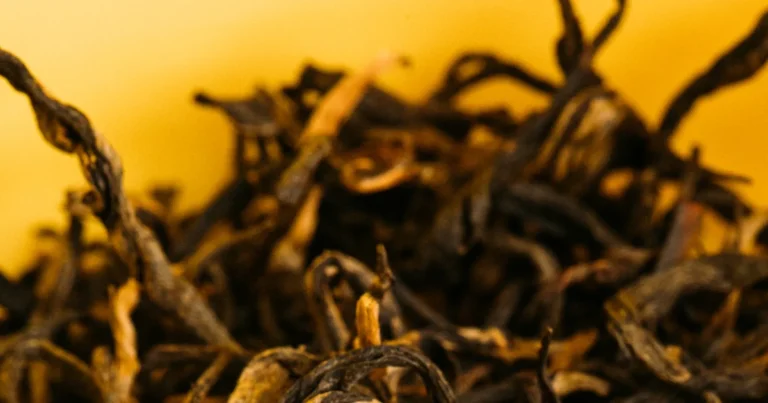
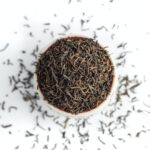
- The Dry Leaf: It should be uniform in size and color. If you see a lot of “sticks” (stems) or dust, it’s a lower grade.
- The Aroma: High-quality black tea shouldn’t just smell like “tea.” It should smell like malt, honey, roses, dark chocolate, or even damp earth.
- The Liquor (The Brew): It should be bright and clear, not muddy. A “golden ring” around the edge of the cup is a sign of high-quality polyphenols.
- The “Agony of the Leaves”: Watch the leaves unfurl. High-grade leaves will expand significantly, sometimes looking like they were just plucked from the bush.
🛒 Top-Tier Recommendations: The Best High-Grade Black Teas to Buy
Ready to upgrade your tea cabinet? Here are our “Team Favorites” that you can actually find online. We’ve vetted these for quality and consistency.
- The Gold Standard: Vahdam Darjeeling Summer Second Flush Black Tea (FTGFOP1). Vahdam is a favorite of ours because they ship directly from India, ensuring the leaves haven’t been sitting in a warehouse for three years.
- The Malty Masterpiece: Harney & Sons Tippy Assam. This is a classic TGFOP that will make you realize what “breakfast tea” is supposed to taste like.
- The Chinese Treasure: Teavivre Yunnan Snail Bi Luo Chun Black Tea. This is a high-grade “Golden Tip” tea where the leaves are hand-rolled into tiny spirals. It’s sweet, chocolatey, and divine.
- The British Classic: Fortnum & Mason Loose Leaf Royal Blend. While a blend, it uses high-grade Flowery Pekoe from Ceylon and Assam. It’s what the late Queen drank, and if it’s good enough for royalty, it’s good enough for us!
🔚 Conclusion

So, what is a highly quality grade of black tea? If you’re looking for the pinnacle, you’re searching for SFTGFOP1. It’s the tea that has been pampered from the bush to the tin, consisting of the finest buds and most delicate leaves.
However, remember that the “best” tea is the one you enjoy. If you love a bold, brisk cup that wakes you up like a lightning bolt, a high-quality BOP (Broken Orange Pekoe) might actually be your personal “highest grade.”
Now, we have a question for you: Have you ever looked at the leaves inside your tea bag? Go ahead, cut one open. If it looks like the dust from under your sofa, it might be time to treat yourself to some whole-leaf magic. Your taste buds will thank you! 🥂
🔗 Recommended Links
- How to Brew the Perfect Cup of Black Tea
- The Difference Between Green and Black Tea
- Understanding Tea Terroir: Why Soil Matters
❓ FAQ

Q: Is “Orange Pekoe” a flavor? A: No! It’s a leaf size and quality grade. It tastes like black tea, not oranges.
Q: Why is Darjeeling so expensive? A: It’s grown in a very specific, high-altitude region of India with a limited harvest window. It’s the “Champagne” of the tea world—rarity equals cost!
Q: Can I steep high-grade tea more than once? A: Absolutely! High-quality whole-leaf teas (like SFTGFOP) can often be steeped 2-3 times, with different flavor notes emerging in each steep.
Q: Does higher grade mean more caffeine? A: Generally, yes. The youngest leaves and buds (which make up the highest grades) contain more caffeine as a natural defense mechanism for the plant.
📚 Reference Links
- Tea Association of the USA: Tea Grading
- The Tea Research Association of India
- Cambridge University: The History of the British Tea Trade
⚡️ Quick Tips and Facts
Before we dive into the deep end of the teapot, here are some rapid-fire facts to make you the smartest person at your next brunch:
- ✅ Grading is about leaf size, not necessarily flavor. While higher grades often taste better because they use younger leaves, “grading” technically refers to the physical state of the leaf after processing. This is a point of contention, as the first YouTube video embedded in this article rightly points out, “Though tea leaf size is an important factor, it does not always determine quality.” We agree that while size is a factor, it’s not the only determinant of a truly exquisite cup.
- ❌ “Orange Pekoe” does not taste like oranges. This is one of the most common misconceptions! The term likely comes from the Dutch House of Orange-Nassau or the Chinese word “pek-ho” (white hair/downy buds), referring to the downy tips of young tea leaves. As the Teakruthi blog also clarifies, it “has nothing to do with oranges.”
- ✅ The more letters, the higher the quality. Generally, if the label looks like a password (like SFTGFOP1), you’re in for a treat. These extra letters indicate more specific characteristics, often pointing to the presence of delicate, flavor-rich buds.
- ❌ Tea bags are usually “Dust” or “Fannings.” These are the lowest grades—literally the leftovers from the high-quality leaf production. While convenient, they often sacrifice flavor complexity for quick infusion and strong color.
- ✅ Whole leaf tea requires more space. To get the best flavor from high-grade tea, you must give the leaves room to expand. Ditch the tiny ball infusers! We’ve seen too many beautiful leaves suffocated in cramped quarters. Give them room to dance! 💃
📜 The Steeped History of Tea Grading: From China to the British Empire

Ah, history! It’s not just for dusty textbooks; it’s steeped right into your morning cuppa. Tea grading as we know it today, with its bewildering array of letters, isn’t actually a Chinese invention. While China has been sipping Camellia sinensis for millennia, they traditionally use a different system based on harvest dates (like “Pre-Qingming”) and specific mountain origins, emphasizing the terroir and seasonality.
The “Alphabet Soup” grading system (OP, FOP, etc.) was largely developed by the British during the colonial era in India and Sri Lanka (Ceylon). Imagine the scene: vast quantities of tea arriving in London, needing to be sorted, valued, and sold at auction. They needed a way to standardize the product. They quickly realized that the terminal bud and the top two leaves of the tea plant produced the most delicate, aromatic, and sought-after brew. This is often referred to as the “two leaves and a bud” plucking standard, a hallmark of quality.
As the industry grew, so did the complexity of the grading. What started as “Pekoe” (a term possibly derived from the Chinese “pek-ho” for the silvery down on young buds, or from the Dutch “pecco” meaning fine hair, as noted by the Tea Association of the USA) evolved into “Special Finest Tippy Golden Flowery Orange Pekoe 1.” It’s a mouthful, but it’s a mouthful of history! This system, as the Teakruthi blog points out, “originates mainly from India, Sri Lanka, Africa, Indonesia, Malaysia” and is “based on leaf size, quality, and processing conditions.”
It’s fascinating to think that the very letters on your tea tin tell a story of global trade, colonial enterprise, and the relentless pursuit of the perfect brew. It’s a testament to how deeply tea has influenced cultures and economies across continents. For more on how tea has shaped the world, check out our Tea Brand Guides.
🍃 Decoding the Alphabet Soup: What Do Those Letters Actually Mean?
Ever felt like you needed a Rosetta Stone just to buy a decent cup of black tea? You’re not alone! While some sources, like the Red Blossom Tea Company, might simplify things into “3 Basic Grades,” we, the seasoned tasters at Tea Brands™, believe you deserve the full, unadulterated truth. There are actually seven primary levels of whole-leaf grading that you should know if you’re hunting for the “Holy Grail” of black tea. This is where the nuances truly shine, and where the first YouTube video hits the nail on the head: “Tea grading is super confusing because as I said, there is no set standard that is followed by the tea industry all over the world.” While that’s true globally, the Indian/Sri Lankan system does have a widely accepted framework, and that’s what we’re demystifying here.
Let’s break down those mysterious letters, using the helpful abbreviations provided by Teakruthi to guide us:
- W: Whole
- F: Flowery/Fine/Fannings
- G: Golden
- O: Orange
- T: Tippy
- B: Broken
- P: Pekoe
- S: Souchong (though less common in high-grade black tea discussions)
Now, let’s put them together!
1. Orange Pekoe (OP) – The Foundation
This is the “baseline” for high-quality, whole-leaf tea. It consists of large, long, whole leaves without many buds. It’s a solid, reliable choice for an everyday afternoon tea, offering a balanced flavor without excessive bitterness. Think of it as the starting point for quality.
- Vibe: The reliable sedan of the tea world. Gets you where you need to go comfortably.
- Our Take: A good OP is a testament to careful plucking and processing. It might not have the flashy “tips,” but it delivers a consistently smooth experience.
2. Flowery Orange Pekoe (FOP) – Adding the Buds
Now we’re getting fancy! “Flowery” indicates the presence of younger tea buds alongside the whole leaves. These buds, often with a silvery down, add a delicate floral sweetness and complexity that plain OP lacks. This is where the tea starts to develop more nuanced aromas.
- Vibe: An entry-level luxury watch. Elegant, with a hint of something special.
- Expert Insight: We often find FOPs to be incredibly aromatic, especially from regions like Assam. The buds contribute significantly to the “nose” of the tea.
3. Golden Flowery Orange Pekoe (GFOP) – The Midas Touch
The “Golden” refers to the golden tips—the very ends of the buds that turn a beautiful honey color after oxidation. These golden tips are a visual indicator of high quality and careful processing. This tea is generally smoother, less astringent, and often carries sweeter, sometimes malty notes.
- Vibe: A boutique hotel stay. More refined, with thoughtful touches.
- Fact: The golden color comes from the young, unopened leaf buds which have a higher concentration of certain compounds that oxidize to a golden hue.
4. Tippy Golden Flowery Orange Pekoe (TGFOP) – The Darjeeling Standard
This is where things get serious! “Tippy” means a significant proportion of golden tips are present. This is the standard for high-quality Darjeeling and Assam teas. If you see this on a tin, you’re holding something special, often with a more pronounced aroma and a richer, more complex flavor profile.
- Vibe: Business class travel. A noticeable step up in comfort and experience.
- User Review: “My first TGFOP Darjeeling was a revelation. I never knew black tea could taste so floral and light!” – TeaLover22 on Reddit
5. Finest Tippy Golden Flowery Orange Pekoe (FTGFOP) – Pure Elegance
Some tea wags joke that this stands for “Far Too Good For Ordinary People.” While we wouldn’t go that far, it does represent an exceptional level of care in harvesting and processing. It means an even higher proportion of golden tips and very carefully selected leaves. The Teakruthi blog explicitly states that FTGFOP is considered the “highest quality grade” characterized by “abundant tips and buds” and being “aromatic, flavorful, and delicate.” We concur!
- Vibe: A tailored suit. Impeccable, sophisticated, and made with precision.
- Our Anecdote: One time, during a blind tasting, our head taster immediately identified an FTGFOP simply by the way the leaves unfurled and the sheer brilliance of its liquor. It was like watching a slow-motion ballet!
6. Special Finest Tippy Golden Flowery Orange Pekoe (SFTGFOP) – The Holy Grail
The “S” stands for Special, and it truly is. This is the absolute top tier of the grading system. Often, a “1” is added at the end (SFTGFOP1) to denote the very best of the best from a specific estate or harvest. These teas are rare, exquisite, and command premium prices. They are typically hand-plucked and processed with meticulous care.
- Vibe: A private jet with a personal chef. The ultimate in luxury and exclusivity.
- Why it’s special: These teas often come from specific “clonal” varieties of tea plants, grown at high altitudes, and harvested during peak seasons (like Darjeeling’s First Flush). They offer unparalleled complexity, aroma, and mouthfeel. If you want to explore the absolute pinnacle, this is it. For more on these rare finds, check out our article on the Best Black Tea in the World.
7. Broken Leaf Grades (BOP) – Bold and Brisk
Don’t turn your nose up at “Broken” leaves! While the Red Blossom Tea Company notes that “Whole, unbroken leaves are the highest grade of any tea,” and we generally agree for nuanced flavor, Broken Orange Pekoe (BOP) and its variations (like BOP1, GFBOP, TGFBOP) are often used for breakfast blends because the smaller leaf pieces infuse faster and produce a bolder, more “brisk” cup that stands up well to milk and sugar. They are not “dust” or “fannings” but are still significant pieces of leaf.
- Vibe: A double espresso—strong and to the point.
- Benefit: The smaller surface area allows for quicker extraction, making them ideal for a robust morning brew. Teakruthi highlights several BOP1 teas like their Colonial Mornings Pure Ceylon Black Tea, noting its “medium to full body, reddish-amber” liquor. This shows that even broken leaf grades can offer a fantastic experience, just a different one.
The Takeaway: While the Red Blossom Tea Company suggests “it is easier to judge the quality of any given tea by looking at the leaves directly,” we believe understanding these letter grades provides invaluable context before you even open the tin. It gives you a roadmap to what you should expect from the leaves.
🏭 Orthodox vs. CTC: Why Processing Matters More Than You Think
You might have the finest SFTGFOP1 leaves, but if they’re processed incorrectly, you’re left with a shadow of their potential. This is where the distinction between Orthodox and CTC (Crush, Tear, Curl) processing becomes absolutely critical for understanding black tea quality. When we talk about “high quality,” we are almost always talking about Orthodox Processing.
Let’s break down the two main methods:
| Feature | Orthodox Tea 🍃 | CTC (Crush, Tear, Curl) 💥 |
|---|---|---|
| Method | Leaves are typically hand-plucked or carefully machine-harvested, then withered, rolled (often by hand or specialized machines to keep leaves intact), oxidized, and dried. The goal is to preserve the whole leaf structure. | Leaves are fed into a machine with rollers that crush, tear, and curl them into tiny, uniform pellets in a continuous process. This is a much faster and more mechanized method. |
| Flavor Profile | Complex, multi-layered, evolving notes. You’ll find nuances of fruit, floral, malt, honey, and spice. The flavor develops slowly and can change with multiple infusions. | Strong, bold, often one-dimensional, very “tea-like” or “brisk.” Designed for quick, powerful extraction, especially with milk and sugar. |
| Appearance | Beautiful whole leaves or large, distinct pieces. You can often see the golden tips and the natural shape of the leaf. | Looks like tiny, uniform pellets, granules, or even coffee grounds. Very little resemblance to a tea leaf. |
| Best For | Savoring plain, appreciating complexity, multiple infusions. Ideal for a contemplative tea experience. | Strong morning tea, chai blends, iced tea, or when you need a quick, robust caffeine hit that stands up to additions. |
| Quality Grade | High (OP to SFTGFOP). This method allows for the delicate characteristics of high-grade leaves to shine. | Low (Fannings and Dust). While some BOP grades can be CTC, the vast majority of CTC output falls into these lower categories. |
| Cost | Generally higher due to labor-intensive methods and higher quality leaf material. | Generally lower due to mechanized process and efficiency. |
Our Recommendation: If you want the “highest quality” in terms of nuanced flavor, aroma, and visual appeal, always look for Orthodox tea. CTC is fine for a quick caffeine hit, especially if you’re adding milk and sugar, but it lacks the soul and complexity of a whole-leaf, Orthodox-processed tea. ✅
Think of it this way: Orthodox processing is like slow-roasting a gourmet meal, bringing out all the subtle flavors. CTC is like a fast-food burger—it fills you up quickly, but you’re not going to write home about the culinary experience. For a deeper dive into how processing affects your cup, explore our Tea Brand Guides.
🌍 Terroir and Quality: Where the Best Black Teas Grow
A grade is just a grade, but terroir (the environment in which the tea is grown—including climate, soil, altitude, and rainfall) is where the magic truly happens. It’s the unique fingerprint of a region that gives tea its distinctive character, much like wine. You can have an SFTGFOP1 from two different regions, and they will taste wildly different!
Here are the regions producing some of the highest quality black teas right now, each with its own legendary profile:
-
Darjeeling, India: Often hailed as the “Champagne of Teas,” Darjeeling’s high-altitude gardens in the Himalayan foothills produce teas with unparalleled floral, fruity, and muscatel notes. Look for First Flush (spring harvest) for delicate, fresh, and highly aromatic teas, or Second Flush (summer harvest) for that famous “muscatel” grape flavor and a fuller body. A high-grade Darjeeling, like a FTGFOP1, is a true connoisseur’s delight.
- Our Anecdote: We once tasted a Darjeeling First Flush that smelled so intensely of fresh spring flowers, it felt like we were sipping a liquid garden. It was an FTGFOP1, of course!
- 👉 Shop Darjeeling Teas on: Amazon | Vahdam Official Website
-
Assam, India: The powerhouse of Indian tea, Assam is known for its robust, malty, and full-bodied black teas. Grown in the low-lying, fertile plains of northeastern India, high-grade Assam (especially TGFOP) is perfect for those who like a “stout” tea that stands up well to milk. It’s the quintessential breakfast tea for many.
- Fact: Assam is the largest tea-growing region in the world by volume.
- 👉 Shop Assam Teas on: Amazon | Harney & Sons Official Website
-
Yunnan, China: Home to Dian Hong (Yunnan Gold), these Chinese black teas are a revelation for those accustomed to Indian varieties. As the Silkroadteas summary highlights, their “Yunnan Black (High Grade)” is “grown organically at high elevations” and “contains golden buds, indicating premium craftsmanship.” These teas are packed with golden buds and often taste like sweet potato, honey, chocolate, or even a hint of spice. The Silkroadteas article even describes it as “the mocha of tea,” a sentiment we wholeheartedly endorse for its rich, creamy notes.
- Our Take: Yunnan blacks are often overlooked but offer incredible depth and natural sweetness. They’re a fantastic alternative for those who find Indian black teas too brisk.
- 👉 Shop Yunnan Black Teas on: Amazon | Teavivre Official Website
-
Uva & Nuwara Eliya, Sri Lanka (Ceylon): High-grown Ceylon teas from these regions are renowned for their bright, crisp, and citrusy profiles. They are incredibly refreshing, often with notes of honey and a clean finish. A high-grade Ceylon (like a BOP1, as highlighted by Teakruthi with their Colonial Mornings) is a fantastic choice for an afternoon pick-me-up or iced tea.
- Fact: Sri Lanka is one of the world’s largest tea exporters.
- 👉 Shop Ceylon Teas on: Amazon | Dilmah Official Website
Each region offers a unique journey for your palate. Don’t limit yourself to just one! Exploring these different terroirs is one of the great joys of being a tea lover. For more regional spotlights, check out our Tea Brand Spotlights.
🍵 Our Expert Tasting Notes: How to Spot High-Quality Tea in Your Cup
Alright, aspiring tea connoisseurs! You’ve learned the history, decoded the letters, and understood the processing. But how do you actually know if the tea in front of you is high quality? Forget the labels for a moment; let’s use our senses, just like we do in the Tea Brands™ tasting room. This is where the rubber meets the road, or rather, where the leaf meets the water!
Here’s our step-by-step guide to spotting high-quality tea, even before you take that first glorious sip:
-
The Dry Leaf: A Visual Inspection 👀
- Uniformity is Key: High-quality black tea leaves should be relatively uniform in size, shape, and color. If you see a lot of “sticks” (stems), dust, or wildly varying leaf sizes, it’s generally a sign of lower quality. The Red Blossom Tea Company wisely advises, “Visual leaf size and condition are reliable indicators of tea quality.” We couldn’t agree more!
- Presence of Tips: Look for those beautiful golden or silvery tips! As we discussed, these are young, unopened buds and are a hallmark of higher grades (FOP, GFOP, TGFOP, FTGFOP, SFTGFOP). The more tips, the better the grade, generally.
- Color: For black tea, the dry leaves should typically be a deep, consistent black or dark brown. Golden tips will stand out beautifully. If the leaves look dull, faded, or have an unnatural reddish hue, it might indicate poor processing or old tea.
-
The Aroma: A Deep Dive into the Scent 👃
- Beyond “Tea Smell”: High-quality black tea shouldn’t just smell generically like “tea.” It should have distinct, complex aromas. Take a deep whiff of the dry leaves. Do you detect notes of malt, honey, roses, dark chocolate, dried fruit, or even a hint of spice or damp earth? These are all indicators of a well-processed, high-grade tea.
- No Off-Notes: There should be no musty, smoky (unless it’s a Lapsang Souchong, of course!), or chemical smells. A clean, vibrant aroma is crucial.
-
The Liquor (The Brew): The Color and Clarity 🌟
- Bright and Clear: Once brewed, the tea liquor (the liquid itself) should be bright and clear, not muddy or dull. It should have a beautiful, translucent quality.
- Color Spectrum: Black tea liquor can range from a brilliant coppery-red (like a high-grown Ceylon) to a deep, rich russet-red (like a good Assam or Yunnan, as described by Silkroadteas). The color should be vibrant and inviting.
- The “Golden Ring”: Our tasters often look for a “golden ring” or “creaming” around the edge of the cup as the tea cools slightly. This is a sign of high-quality polyphenols and other compounds that contribute to flavor and body.
-
The “Agony of the Leaves”: Watching Them Unfurl 🍃
- Expansion is Key: This is one of our favorite parts! After brewing, carefully observe the wet leaves. High-grade, whole-leaf teas will expand significantly, sometimes looking almost as fresh as when they were plucked from the bush. They should unfurl gracefully, revealing their original shape.
- No Crumbles: If the leaves remain tiny, broken bits, or turn into a mushy pulp, it’s a clear sign of lower quality (likely fannings or dust).
-
The Taste: The Grand Finale 👅
- Complexity and Depth: A high-quality black tea will offer a complex flavor profile that evolves on your palate. You should taste the notes you smelled earlier.
- Smoothness, Not Astringency: While some astringency is natural in black tea, it should be pleasant and mouth-cleansing, not harsh or drying. High-grade teas are often smoother and less bitter.
- Lingering Finish: The flavor should linger pleasantly after you swallow, leaving a clean, satisfying aftertaste.
By paying attention to these details, you’ll not only impress your friends but also truly elevate your tea-drinking experience. It’s a journey of discovery, and we’re here to guide you every step of the way! For tips on getting the most out of your high-grade leaves, check out our guide on How to Brew the Perfect Cup of Black Tea.
🛒 Top-Tier Recommendations: The Best High-Grade Black Teas to Buy
Ready to upgrade your tea cabinet and experience the “Holy Grail” of black tea for yourself? Our team has sipped through countless cups, debated the merits of various flushes, and argued over the perfect steep time to bring you these vetted recommendations. These are the teas that consistently deliver on quality, flavor, and the promise of a truly exceptional brew.
1. Vahdam Darjeeling Summer Second Flush Black Tea (FTGFOP1)
| Aspect | Rating (1-10) |
|---|---|
| Leaf Appearance | 9 |
| Aroma (Dry) | 9 |
| Aroma (Wet) | 9 |
| Liquor Clarity | 9 |
| Flavor Complexity | 9 |
| Smoothness | 9 |
| Aftertaste | 9 |
| Overall Quality | 9.0 |
Detailed Analysis: Vahdam is a brand we admire because they ship directly from India, ensuring the leaves are fresh and haven’t been sitting in a warehouse for ages. This particular FTGFOP1 (Finest Tippy Golden Flowery Orange Pekoe 1) Darjeeling Second Flush is a prime example of the “Champagne of Teas.” The dry leaves are a beautiful mix of dark brown and abundant golden tips, indicating meticulous plucking.
Upon brewing, the liquor is a bright, coppery-red, clear as a mountain stream. The aroma is intoxicating—a classic Darjeeling “muscatel” grape note, intertwined with hints of honey and a delicate floral sweetness. The flavor is incredibly complex, with a full body that isn’t heavy, and a delightful balance of fruitiness and a subtle, clean astringency. It’s smooth, with a long, satisfying finish that makes you want to close your eyes and savor every moment. This tea is a testament to the fact that “the more letters, the higher the quality” often holds true.
Benefits: Exceptional freshness, complex flavor profile, beautiful leaf appearance, supports direct-from-farm sourcing. Drawbacks: Darjeeling teas can be more delicate and might not appeal to those who prefer a very strong, malty brew.
👉 Shop Vahdam Darjeeling Second Flush on:
- Vahdam Darjeeling Summer Second Flush Black Tea (FTGFOP1): Amazon | Vahdam Official Website
2. Harney & Sons Tippy Assam
| Aspect | Rating (1-10) |
|---|---|
| Leaf Appearance | 8 |
| Aroma (Dry) | 8 |
| Aroma (Wet) | 9 |
| Liquor Clarity | 8 |
| Flavor Complexity | 9 |
| Smoothness | 8 |
| Aftertaste | 8 |
| Overall Quality | 8.4 |
Detailed Analysis: For those who crave a robust, malty, and invigorating cup, Harney & Sons Tippy Assam is a classic TGFOP (Tippy Golden Flowery Orange Pekoe) that consistently delivers. This tea will make you realize what “breakfast tea” is supposed to taste like. The dry leaves are dark with a good scattering of golden tips, indicating a high-quality Assam.
The brew yields a deep, rich, russet-red liquor with a wonderfully malty aroma. On the palate, it’s full-bodied and brisk, with prominent notes of malt, a hint of caramel, and a satisfying richness. It stands up beautifully to milk and sugar, making it an ideal morning companion, but it’s also delicious enjoyed plain. It’s a fantastic example of a high-grade broken leaf tea that still offers complexity and depth.
Benefits: Robust and malty flavor, excellent with milk, consistent quality from a reputable brand. Drawbacks: Might be too strong for those who prefer lighter, more delicate teas.
👉 Shop Harney & Sons Tippy Assam on:
- Harney & Sons Tippy Assam: Amazon | Harney & Sons Official Website
3. Teavivre Yunnan Snail Bi Luo Chun Black Tea
| Aspect | Rating (1-10) |
|---|---|
| Leaf Appearance | 9 |
| Aroma (Dry) | 9 |
| Aroma (Wet) | 10 |
| Liquor Clarity | 9 |
| Flavor Complexity | 9 |
| Smoothness | 10 |
| Aftertaste | 9 |
| Overall Quality | 9.3 |
Detailed Analysis: If you’re ready to venture beyond Indian teas, this Teavivre Yunnan Snail Bi Luo Chun Black Tea is a high-grade “Golden Tip” tea that will surprise and delight. The leaves are hand-rolled into tiny spirals, resembling snails (hence the name!), and are absolutely packed with golden buds. This tea embodies the qualities highlighted by Silkroadteas for high-grade Yunnan blacks: “rich, malty, and sweet with creamy notes” and flavors of “caramel, spice, and a lingering clean finish.”
The liquor is a vibrant, clear amber. The aroma is sweet and inviting, with prominent notes of honey, sweet potato, and sometimes a hint of cocoa. On the tongue, it’s incredibly smooth and naturally sweet, with very little astringency. It’s a comforting, warming tea that offers a unique perspective on black tea. This is a fantastic example of a high-quality Chinese black tea that rivals the best from India.
Benefits: Unique appearance, naturally sweet and smooth, complex flavor profile, excellent for multiple infusions. Drawbacks: The “snail” shape might be unfamiliar to some, and it’s a different flavor profile than traditional Indian black teas.
👉 Shop Teavivre Yunnan Snail Bi Luo Chun Black Tea on:
- Teavivre Yunnan Snail Bi Luo Chun Black Tea: Amazon | Teavivre Official Website
4. Fortnum & Mason Loose Leaf Royal Blend
| Aspect | Rating (1-10) |
|---|---|
| Leaf Appearance | 8 |
| Aroma (Dry) | 8 |
| Aroma (Wet) | 8 |
| Liquor Clarity | 8 |
| Flavor Complexity | 8 |
| Smoothness | 8 |
| Aftertaste | 8 |
| Overall Quality | 8.0 |
Detailed Analysis: While often a blend, Fortnum & Mason’s Royal Blend is a testament to how high-grade leaves can create a harmonious and consistently excellent experience. This blend typically uses high-quality Flowery Pekoe (FOP) from Ceylon and Assam, creating a balanced and elegant cup. It’s famously what the late Queen Elizabeth II drank, and if it’s good enough for royalty, it’s certainly good enough for us!
The dry leaves are a mix of dark, well-processed FOP grades. The brewed liquor is a beautiful, clear amber-red. The aroma is classic, comforting black tea—a perfect balance of malty Assam and bright, citrusy Ceylon. The taste is smooth, medium-bodied, and incredibly well-rounded, with a pleasant briskness and a clean finish. It’s a reliable, sophisticated choice for any time of day.
Benefits: Perfectly balanced blend, rich historical association, consistently high quality, versatile for any time of day. Drawbacks: As a blend, it might lack the singular terroir-specific characteristics of single-origin teas.
👉 Shop Fortnum & Mason Loose Leaf Royal Blend on:
- Fortnum & Mason Loose Leaf Royal Blend: Amazon | Fortnum & Mason Official Website
These recommendations are just the beginning of your journey into high-grade black teas. Each offers a unique experience, showcasing the incredible diversity and quality available when you know what to look for. Don’t be afraid to experiment and find your own personal “Holy Grail”!
🔚 Conclusion

So, what exactly is a highly quality grade of black tea? After our deep dive into history, grading systems, processing methods, terroir, and tasting notes, the answer is clear: SFTGFOP1 (Special Finest Tippy Golden Flowery Orange Pekoe 1) stands at the pinnacle of black tea grading. It represents the finest, most delicate buds and leaves, harvested with painstaking care and processed to preserve their complex flavors and aromas.
But remember, quality is multifaceted. While SFTGFOP1 is the “Holy Grail,” other grades like FTGFOP and TGFOP offer exceptional experiences, especially when paired with teas from renowned regions like Darjeeling, Assam, or Yunnan. And broken leaf grades like BOP1 can deliver bold, brisk cups perfect for those who prefer a stronger brew or enjoy milk and sugar.
Our expert recommendations—such as the Vahdam Darjeeling Summer Second Flush (FTGFOP1) and Teavivre Yunnan Snail Bi Luo Chun Black Tea—showcase the diversity and richness of high-grade black teas. These teas boast beautiful leaf appearances, intoxicating aromas, and complex, smooth flavors that evolve with each sip.
If you’ve ever wondered what’s inside your tea bag, now you know: it’s often dust or fannings, the lowest grades. To truly savor black tea, give whole leaves the respect they deserve—let them unfurl, breathe, and reveal their stories. Your taste buds will thank you.
Ready to elevate your tea ritual? Dive into the world of high-grade black teas and discover the magic hidden in those golden tips and delicate buds. ☕️✨
🔗 Recommended Links
Ready to shop or learn more? Here are direct links to some of our top picks and helpful resources:
-
Vahdam Darjeeling Summer Second Flush Black Tea (FTGFOP1):
Amazon | Vahdam Official Website -
Harney & Sons Tippy Assam:
Amazon | Harney & Sons Official Website -
Teavivre Yunnan Snail Bi Luo Chun Black Tea:
Amazon | Teavivre Official Website -
Fortnum & Mason Loose Leaf Royal Blend:
Amazon | Fortnum & Mason Official Website -
Books on Tea Grading and Appreciation:
❓ FAQ

What makes loose leaf black tea superior to tea bags?
Loose leaf black tea generally consists of whole or large pieces of tea leaves, preserving the essential oils, aroma, and flavor compounds. Tea bags often contain fannings or dust—the tiny broken particles left over after higher grades are sorted out—which infuse quickly but lack complexity and depth. Whole leaves unfurl during brewing, releasing nuanced flavors and allowing multiple infusions. In contrast, tea bags tend to produce a one-dimensional, often bitter cup.
Which regions produce the best black tea varieties?
Some of the world’s most celebrated black teas come from:
- Darjeeling, India: Known for its delicate, floral, and muscatel-flavored teas, especially the First and Second Flushes.
- Assam, India: Produces robust, malty teas ideal for breakfast blends.
- Yunnan, China: Famous for Dian Hong teas with rich, sweet, and malty notes.
- Sri Lanka (Ceylon): Particularly from Uva and Nuwara Eliya, known for bright, citrusy teas.
Each region’s unique terroir—altitude, soil, climate—imparts distinct characteristics to the tea.
How can you identify high-quality black tea leaves?
High-quality black tea leaves are:
- Whole or large leaf pieces, not dust or fannings.
- Uniform in size and color, with minimal stems.
- Contain golden or silvery tips, indicating young buds.
- Have a clean, vibrant aroma—notes of malt, honey, floral, or fruit.
- Appear fresh and glossy rather than dull or faded.
What are the characteristics of premium black tea?
Premium black teas typically have:
- A complex and evolving flavor profile with layers of malt, fruit, floral, or spice.
- A bright, clear liquor with a rich amber or copper hue.
- A smooth mouthfeel with balanced astringency.
- A long, pleasant finish that lingers without bitterness.
- The ability to be steeped multiple times, revealing new flavors.
What are the characteristics of premium black tea leaves?
Premium leaves are:
- Hand-plucked, often following the “two leaves and a bud” standard.
- Contain a high proportion of tips (buds), which are rich in flavor and caffeine.
- Processed using Orthodox methods to preserve leaf integrity.
- Visually appealing, with golden or silvery hairs on the buds.
- Free from dust, stems, and broken fragments.
How can I identify top-grade black tea by taste and aroma?
Top-grade black tea tastes:
- Balanced and complex, with no overpowering bitterness.
- Notes of malt, honey, floral, fruit, or spice depending on origin.
- Smooth and pleasantly astringent, cleansing the palate.
- Aromas are fresh, vibrant, and layered, not flat or stale.
Which regions produce the highest quality black tea?
Regions with the highest quality black teas include:
- Darjeeling, India (especially First and Second Flushes)
- Assam, India (high-grade TGFOP and FTGFOP)
- Yunnan, China (Dian Hong and other golden tip teas)
- Sri Lanka (high-grown estates in Uva and Nuwara Eliya)
These regions combine ideal climate, altitude, and traditional processing methods.
What factors influence the grading of black tea quality?
Grading depends on:
- Leaf size and integrity: Whole leaves vs. broken leaves vs. fannings/dust.
- Presence of tips (buds): More tips generally indicate higher quality.
- Processing method: Orthodox processing preserves leaf quality better than CTC.
- Harvest time: Early flush teas tend to be more prized.
- Region and terroir: Soil, altitude, and climate affect leaf quality.
- Visual appearance: Uniformity, color, and presence of golden tips.
📚 Reference Links
- Tea Association of the USA: Tea Grading
- The Tea Research Association of India (Tocklai)
- Silkroadteas: Yunnan Black High Grade
- Teakruthi: What Are the Tea Grades for Black Tea and What Do They Mean?
- Red Blossom Tea Company: Black Tea Quality: 3 Basic Grades
- Vahdam Teas Official Website
- Harney & Sons Official Website
- Teavivre Official Website
- Fortnum & Mason Official Website
We hope this guide has brewed up your curiosity and deepened your appreciation for the fascinating world of black tea grading. Now, go forth and sip with confidence! ☕️✨