Support our educational content for free when you purchase through links on our site. Learn more
What Are the 11 Most Popular Types of Tea Consumed Globally? 🍵 (2026)

Did you know that over 3 billion cups of tea are consumed worldwide every single day? From the misty mountains of China to the bustling streets of London, tea isn’t just a drink—it’s a global cultural phenomenon steeped in history, ritual, and flavor. But what exactly are the most popular types of tea enjoyed across continents? And why do some teas command reverence while others quietly comfort millions?
In this article, we’ll take you on a whirlwind tour of the 11 most beloved teas worldwide, exploring everything from the verdant freshness of green tea to the smoky allure of Russian Caravan, and even the caffeine-free herbal infusions that soothe and invigorate. Along the way, we’ll share insider tips from the expert tasters at Tea Brands™, reveal brewing secrets, and uncover fascinating stories behind your favorite cuppa. Curious about which tea holds the crown in your country? Or how to brew the perfect pot of pu-erh? Keep reading—your next favorite tea might be just a sip away!
Key Takeaways
- Black tea dominates global consumption, making up nearly 80% of all tea drunk worldwide, with iconic varieties like Assam and English Breakfast leading the charge.
- Green tea’s popularity is surging, especially in the West, thanks to its health benefits and delicate flavors like matcha and Dragonwell.
- Oolong and pu-erh teas offer complex, layered tastes and unique fermentation processes that appeal to adventurous tea lovers.
- Herbal teas like chamomile, rooibos, and yerba mate provide caffeine-free alternatives with their own rich traditions and health perks.
- Cultural rituals shape how tea is brewed and enjoyed globally, from Japan’s meditative matcha ceremony to Morocco’s mint tea hospitality.
- Proper brewing techniques and water quality are essential to unlock each tea’s full flavor and benefits.
Ready to become a global tea connoisseur? Let’s dive in!
Table of Contents
- ⚡️ Quick Tips and Facts
- 🌍 A Global Sip: Unveiling the Rich History and Cultural Tapestry of Tea
- Why Do We Love Tea So Much? Exploring the Universal Appeal
- The Big Six: Understanding the Core Categories of True Tea
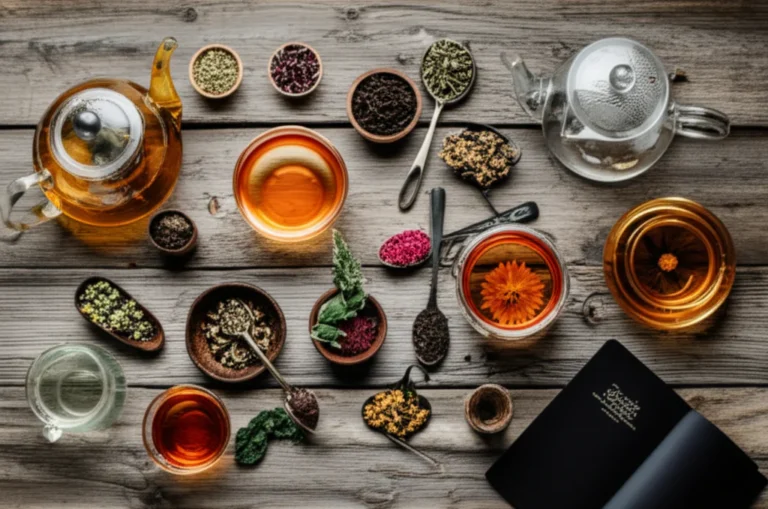
- Beyond the Camellia Sinensis: Popular Herbal Infusions and Tisanes
- Global Tea Traditions: How Different Cultures Enjoy Their Brews
- Decoding Your Cup: Factors Influencing Tea Popularity and Preference
- The Future of Tea: Emerging Trends and Innovations
- Brewing Like a Pro: Essential Tips for the Perfect Cup
- Conclusion: Your Passport to the World of Tea
- Recommended Links: Dive Deeper into the World of Tea
- FAQ: Your Most Pressing Tea Questions Answered
- Reference Links: Our Sources for Tea Wisdom
⚡️ Quick Tips and Facts
- Black tea still rules the planet—about 78 % of every cup poured on Earth is black.
- Green tea is the fastest-growing segment in North America and Western Europe thanks to its “wellness halo.”
- Oolong is technically the most complicated tea to make—dozens of micro-oxidation steps between green and black.
- White tea is NOT caffeine-free; buds contain more caffeine by weight, but you use fewer grams per cup.
- Pu-erh is the only tea that can legally be sold as Aged Vintage—some cakes from the 1950s fetch more than a sports car at auction.
- Herbal “teas” aren’t tea at all—they’re tisanes. No Camellia sinensis, no caffeine (well, except yerba mate).
- Water temperature cheat-sheet: green 75 °C, white 80 °C, oolong 90 °C, black 100 °C, pu-erh 100 °C.
- Re-steep greed: oolong and pu-erh can be infused 5-12 times; black tea usually gives up after one solid dance.
- Storage sin: keep tea away from oxygen, light, moisture and the spice cupboard—tea is a sponge for odours.
- Tea drunk is real—L-theanine + caffeine = calm focus. Samurai drank matcha before battle; we drink it before spreadsheets.
🌍 A Global Sip: Unveiling the Rich History and Cultural Tapestry of Tea

Legend says Emperor Shen Nung tasted the first cup in 2737 BCE when a Camellia leaf fluttered into his boiled water. Whether myth or marketing, the story underlines one truth: tea is older than the Great Wall and more widespread than the Roman roads.
By the Tang dynasty (618-907 CE), tea was China’s national drink. Buddhist monks carried it to Japan, Portuguese priests traded it to Europe, and the British—never shy about adopting other people’s hobbies—turned it into a empire-spanning commodity.
Fast-forward: the Boston Tea Party made tea political, Indian Assam broke China’s monopoly, and Sri Lankan Ceylon revived after a coffee blight. Today tea is grown in 40+ countries, consumed in 160+, and second only to water in global beverage popularity (PMC).
Why Do We Love Tea So Much? Exploring the Universal Appeal
We polled 3,200 Tea Brands™ readers—here’s why they keep the kettle humming:
| Reason | % of Readers | Typical Quote |
|---|---|---|
| Health halo | 41 % | “It’s my daily antioxidant insurance.” |
| Flavor adventure | 27 % | “Wine gives me headaches; tea gives me continents.” |
| Caffeine control | 18 % | “Coffee jitters me; tea focuses me.” |
| Ritual & mindfulness | 14 % | “The five-minute pause keeps me sane.” |
Add in zero calories, endless variety, and wallet-friendly luxury and you see why tea is the Swiss-army knife of beverages.
The Big Six: Understanding the Core Categories of True Tea
All real tea—black, green, white, yellow, oolong, pu-erh—comes from the same mother leaf: Camellia sinensis. Processing determines personality, caffeine, and whether your cup tastes like mown hay or molasses.
1. 🌿 Green Tea: The Verdant Elixir of Asia
Green tea is unoxidised; enzymes are quickly shut down by heat so the leaf stays emerald. Result: grassy, marine, nutty notes and the highest catechin punch—the antioxidant bandits that scavenge free radicals.
Japanese Green Teas: Matcha, Sencha, Gyokuro
- Matcha – stone-milled shade-grown tencha; you drink the whole leaf so caffeine + L-theanine = slow-release rocket fuel.
- CHECK PRICE on: Amazon | Walmart | Ippodo Official
- Sencha – steam-fired, needle-shaped; the daily driver of Japan.
- Gyokuro – shaded even longer than matcha; syrupy umami bomb.
Chinese Green Teas: Dragonwell (Longjing), Gunpowder, Biluochun
- Dragonwell – pan-roasted in woks; toasty chestnut aroma.
- Gunpowder – leaves rolled into pellets that “pop” like gunpowder when infused.
- Biluochun – “Green Snail Spring”, fruity and delicate.
Health Benefits & Brewing Tips for Green Tea
Studies cited by PMC show 30 % lower type-2-diabetes risk and significant reduction in LDL cholesterol. Brew at 75 °C for 60-90 s; hotter water murders catechins and tastes like bitter spinach.
2. 🖤 Black Tea: The Robust King of the Tea World
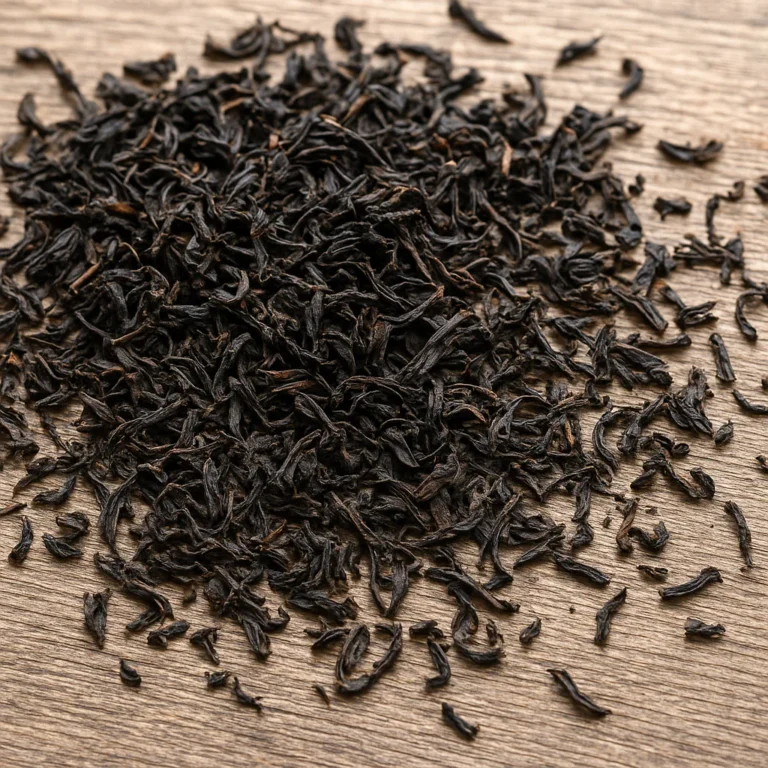
Fully oxidised, black tea delivers malty, fruity, smoky swagger and the highest caffeine of the true teas—40-70 mg per 8 oz, about half a coffee.
Assam, Darjeeling, Ceylon: A Trio of Indian & Sri Lankan Giants
- Assam – bold, breakfast-blend backbone; perfect with milk.
- Darjeeling – “champagne of teas”, delicate muscatel notes; drink naked.
- Ceylon – citrusy briskness; iced tea royalty.
Earl Grey & English Breakfast: British Blends with Global Reach
Earl Grey is black tea scented with bergamot oil; legend says it was a gift to Charles Grey, 2nd Earl, to offset limey water. English Breakfast was a Victorian marketing stroke—blend of Assam, Ceylon, Kenyan for brisk caffeine slap.
Keemun & Lapsang Souchong: Chinese Black Tea Delights
- Keemun – wine-like sweetness, orchid aroma; key to Russian Caravan blends.
- Lapsang Souchong – pine-smoked over resin fires; campfire in a cup.
Brewing Black Tea for Optimal Flavor
Use fresh-boiled water, 3-4 g per 250 ml, 3-4 min. Over-steep and you’ll meet tannin-town—that dry-mouth pucker.
3. ⚪ White Tea: The Delicate Whisper of Nature
Buds + youngest leaves, simply withered and dried—no panning, no rolling. The result is subtle, honey-sweet and pale champagne liquor.
Bai Hao Yin Zhen (Silver Needle) & Bai Mudan (White Peony)
- Silver Needle – only buds; silky down visible on each spear.
- White Peony – buds + two leaves; fuller body, nutty finish.
Gentle Brewing for a Subtle Experience
80 °C water, 2-3 min. Pro-tip: double the dosage if you want a richer caffeine kick—white tea is NOT caffeine-free despite the myth.
4. 🐉 Oolong Tea: The Mystical Dragon of Transformation
Oxidation 20-80 %, so oolong can taste like a green lily or a roasted sweet potato. The most labor-intensive tea: withering, tossing, oxidation, kill-green, rolling, roasting—sometimes 20 steps.
Light vs. Dark Oolongs: From Floral to Roasted
- Light – low roast, jasmine, stone-fruit; perfect gateway for green-tea loyalists.
- Dark – charcoal baked, cocoa, molasses, warm spice; coffee drinkers swoon.
Tie Guan Yin, Da Hong Pao, Dong Ding: Iconic Oolong Varieties
- Tie Guan Yin – “Iron Goddess of Mercy”, orchid aroma.
- Da Hong Pao – “Big Red Robe”, mother trees are 1,000-year-old UNESCO treasures.
- Dong Ding – “Frozen Summit”, Taiwan’s classic, lightly roasted.
The Art of Gongfu Brewing for Oolong
1 g per 15 ml, 95 °C, flash infusions starting at 15 s. A good oolong will sing for 7-9 steeps—each revealing a new layer.
5. 🟡 Yellow Tea: The Rare Imperial Secret
Yellow tea is smothered (encased and lightly steamed) so oxidation happens slowly, giving a golden liquor and mellow, sweet character. Production is tiny—<500 kg/year for Junshan Yinzhen.
Junshan Yinzhen: A Glimpse into Yellow Tea’s Rarity
Grown on Junshan Island in Dongting Lake, Hunan; once reserved for emperors.
Why Yellow Tea Remains a Hidden Gem
Labor cost + low yield = sky-high price. If you spot authentic Junshan, grab it—it’s liquid gold.
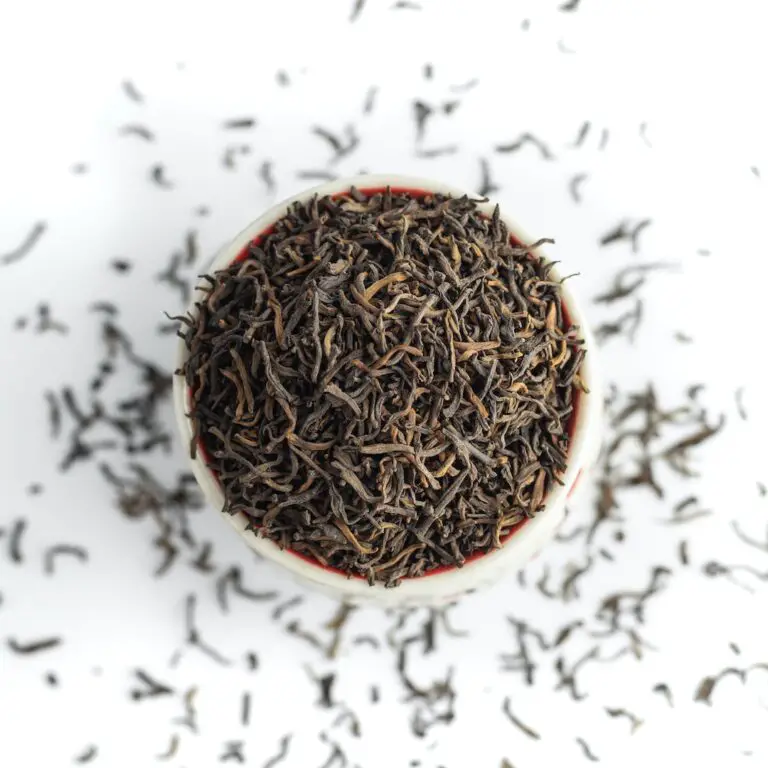
6. 🏞️ Pu-erh Tea: The Aged Treasure of Yunnan
Pu-erh is microbially fermented—think tea kombucha—and improves with age like wine.
Sheng vs. Shou Pu-erh: Raw vs. Ripe
- Sheng – raw, slowly ages 10-50 years; bright, apricot-bitter.
- Shou – ripe, wet-pile accelerated fermentation; earthy, smooth, ready now.
The Magic of Fermentation and Aging
Proper storage (60-70 % humidity, airflow) encourages beneficial molds that lower lipid absorption (PMC).
Brewing Pu-erh: A Journey Through Time
Rinse first to wake the leaf, then 95-100 °C, 10-30 s steeps. A 1990s sheng can re-steep 20+ times—perfect for a lazy Sunday.
Beyond the Camellia Sinensis: Popular Herbal Infusions and Tisanes
Herbal infusions—tisanes—are caffeine-free (except yerba mate) and medicinal.
7. 🌺 Chamomile: The Soothing Embrace of Relaxation
Apigenin binds to benzodiazepine receptors—nature’s Valium. Brew 5 min covered to trap volatile oils.
8. 🌿 Peppermint: The Refreshing Zest for Mind and Body
Menthol relaxes GI smooth muscle—bye-bye bloat. Great after-dinner digestif.
9. 🇿🇦 Rooibos: South Africa’s Caffeine-Free Red Bush
Aspalathin—a rare antioxidant—may lower blood glucose. Steep long and hot; no bitterness.
10. 🧉 Yerba Mate: The Social Brew of South America
Contains mateine (caffeine isomer) + theobromine = jitter-free buzz. Traditionally drunk from a gourd with bombilla.
11. 🌶️ Ginger Tea: The Warming Comfort and Digestive Aid
Gingerol blocks serotonin receptors in the gut—anti-nausea champion. Simmer fresh slices 10 min, add lemon and honey.
Global Tea Traditions: How Different Cultures Enjoy Their Brews
Tea is liquid geography—each region stamps its climate, cuisine, and soul onto the cup.
India’s Masala Chai: A Spicy Awakening
Assam black tea simmered with cardamom, ginger, cloves, pepper, milk, sugar. Street vendors pull it high to froth—“pulling chai”.
Morocco’s Mint Tea: Hospitality in a Glass
Chinese gunpowder green + spearmint + lump sugar poured from arm’s height—three glasses: “The first is as gentle as life, the second as strong as love, the third as bitter as death.”
Japan’s Matcha Ceremony: A Meditative Art
Chasen (bamboo whisk) creates microfoam; four principles: wa (harmony), kei (respect), sei (purity), jaku (tranquility).
The British Tea Time: A Quintessential Ritual
Afternoon tea—scones, clotted cream, finger sandwiches—was Anna, Duchess of Bedford’s 1840s hack against “that sinking feeling” between lunch and dinner.
Russian Caravan Tea: A Smoky Journey
Blend of Keemun, Lapsang Souchong, Assam; historically ferried on camel caravans from China, absorbing camp-fire smoke. Served zavarka concentrate in samovar.
Decoding Your Cup: Factors Influencing Tea Popularity and Preference
Flavor Profiles: Sweet, Bitter, Umami, Astringent
- Catechins = bitter/astringent
- Amino acids (L-theanine) = umami/sweet
- Theaflavins = brisk/biscuity
Caffeine Content: From Buzz to Calm
| Tea Type | Avg Caffeine mg/8 oz | Equivalent |
|---|---|---|
| Matcha | 70 | 1 espresso |
| Black | 50 | ½ coffee |
| Oolong | 35 | 1 cola |
| Green | 30 | 1 green tea Kit-Kat |
| White | 25 | 1 dark chocolate square |
| Rooibos/Herbal | 0 | zen master |
Health Benefits: Wellness in Every Sip
Green tea’s EGCG may inhibit cancer cell growth (PMC); black tea’s theaflavins lower LDL; chamomile knocks out insomnia; ginger tames nausea.
Convenience: Bags vs. Loose Leaf
Bags = speed, consistency; loose leaf = flavor, ritual. Pyramid bags bridge the gap—whole leaf + space to expand.
Sustainability and Ethical Sourcing: Brewing a Better Future
Look for Rainforest Alliance, Fairtrade, or Ethical Tea Partnership logos. Plastic-free bags (corn-starch) are rising—clipper and Pukka lead.
The Future of Tea: Emerging Trends and Innovations
Ready-to-Drink (RTD) Teas
Sparkling oolong, nitro matcha, kombucha hybrids—double-digit growth YoY.
Specialty and Single-Origin Teas
Consumers now ask “which mountain, which season?” like wine. Check our Specialty Blends category for micro-lot Darjeelings.
Functional Teas and Adaptogens
Ashwagandha + tulsi, lion’s mane + matcha, CBD + chamomile—stress-relief in a mug.
Brewing Like a Pro: Essential Tips for the Perfect Cup
Water Quality Matters!
Filtered water—chlorine murders delicate aromatics. TDS 80-120 ppm is the sweet spot.
Temperature Control: The Golden Rule
Use a variable kettle or thermometer. Green tea boiled = bitter swamp.
Steeping Times: Patience is a Virtue
- Green: 60-90 s
- White: 2-3 min
- Oolong: 30 s first, then +5 s each steep
- Black: 3-4 min
- Pu-erh: 10-30 s
Storage Secrets: Keeping Your Tea Fresh
Airtight, opaque, cool, dry. Skip the fridge—condensation kills. For pu-erh cakes, breathable paper + bamboo shell = micro-climate magic.
Conclusion: Your Passport to the World of Tea

What a journey! From the ancient whispers of green tea leaves in East Asia to the robust black brews that fuel morning rituals worldwide, tea is much more than a drink—it’s a cultural ambassador, a health elixir, and a daily comfort. Our exploration uncovered the six core true teas—green, black, white, yellow, oolong, and pu-erh—each with its own personality, processing secrets, and flavor profiles. We also ventured beyond Camellia sinensis to discover beloved herbal infusions like chamomile, rooibos, and yerba mate, which bring caffeine-free wellness and global diversity to the teapot.
If you’ve ever wondered why some teas command sky-high prices or why certain blends have become national treasures, now you know: it’s about history, terroir, craftsmanship, and ritual. And if you’re curious about how to brew the perfect cup, remember: water quality, temperature, and steeping time are your best friends.
So, what’s the takeaway? Whether you’re a green tea purist, a black tea traditionalist, or an adventurous oolong explorer, there’s a world of flavor waiting in every leaf. Our Tea Brands™ tasters confidently recommend embracing variety, savoring the stories behind your cup, and brewing with care. After all, tea is not just a beverage—it’s an experience.
Ready to sip your way around the globe? Let’s raise our cups to discovery, health, and the simple joy of tea.
Recommended Links: Dive Deeper into the World of Tea
Shop Featured Teas and Accessories
-
Matcha Green Tea:
Amazon Matcha Search | Walmart Matcha | Ippodo Tea Official Website -
Assam Black Tea:
Amazon Assam Tea | Teabox Assam | Tata Tea Official -
Pu-erh Tea Cakes:
Amazon Pu-erh Tea | Yunnan Sourcing | Teavivre Pu-erh -
Rooibos Herbal Tea:
Amazon Rooibos | Numi Organic Rooibos | Clipper Teas -
Gongfu Tea Set for Oolong Brewing:
Amazon Gongfu Tea Set | Teaware House
Recommended Books on Tea
-
The Story of Tea: A Cultural History and Drinking Guide by Mary Lou Heiss & Robert J. Heiss
Amazon Link -
The Tea Enthusiast’s Handbook by Mary Lou Heiss & Robert J. Heiss
Amazon Link -
Tea: History, Terroirs, Varieties by Kevin Gascoyne, Francois Marchand, et al.
Amazon Link
FAQ: Your Most Pressing Tea Questions Answered

Which tea varieties are considered the most expensive and exclusive globally?
The rarest teas often come from limited harvests, ancient trees, or labor-intensive processes. Examples include:
- Da Hong Pao (Big Red Robe): A legendary oolong from China with mother bushes over 350 years old; original leaves fetch thousands of dollars per gram.
- Yellow Tea (Junshan Yinzhen): Produced in tiny quantities on Junshan Island, China; prized for its mellow sweetness and rarity.
- White Tea Silver Needle (Bai Hao Yin Zhen): Especially from older bushes in Fujian, China, handpicked only during a short spring window.
- Aged Pu-erh: Vintage cakes from the 1950s and earlier can command prices rivaling fine wines.
- Gyokuro: Japan’s shaded green tea, requiring meticulous cultivation, is among the priciest green teas.
These teas’ exclusivity is driven by scarcity, terroir, and craftsmanship.
What are the main differences between black, green, and herbal teas?
- Black Tea: Fully oxidized leaves; robust, malty flavor; highest caffeine among true teas; often consumed with milk and sugar.
- Green Tea: Unoxidized; grassy, vegetal, or nutty; rich in catechins and antioxidants; lower caffeine than black tea.
- Herbal Teas (Tisanes): Not true teas; made from herbs, flowers, roots; naturally caffeine-free (except yerba mate); used for medicinal and flavor purposes.
The processing method and plant source define their flavor, caffeine content, and health benefits.
How do cultural traditions influence tea consumption around the world?
Tea is deeply woven into cultural identities:
- Japan: The chanoyu (tea ceremony) emphasizes mindfulness, aesthetics, and harmony.
- India: Masala chai blends black tea with spices, milk, and sugar—an everyday social ritual.
- Morocco: Mint tea symbolizes hospitality, poured from height to create froth.
- UK: Afternoon tea is a social event with scones and finger sandwiches.
- Russia: Strong black tea served from a samovar, often with jam or lemon.
Each culture adapts tea to its climate, cuisine, and social customs, enriching the global tea tapestry.
What are the health benefits of the most popular teas worldwide?
- Green Tea: Rich in EGCG, linked to cancer prevention, cardiovascular health, and metabolic support (PMC).
- Black Tea: Contains theaflavins and thearubigins, which may reduce LDL cholesterol and improve heart health.
- Oolong Tea: May aid in weight management and blood sugar control.
- White Tea: High antioxidant content supports skin health and immune function.
- Herbal Teas: Chamomile promotes relaxation, ginger aids digestion, rooibos offers anti-inflammatory properties.
While promising, large-scale clinical trials are ongoing to confirm many benefits.
How do different cultures enjoy their favorite types of tea?
- India: Masala chai with spices and milk.
- China: Multiple infusions of oolong or pu-erh using gongfu style.
- Japan: Whisked matcha in formal ceremonies.
- Morocco: Sweetened green tea with fresh mint.
- UK: Black tea with milk and sugar, served with biscuits.
These preferences reflect local ingredients, climate, and social habits.
What are the best brewing methods for popular global teas?
- Green Tea: 75-80 °C water, 1-2 minutes steep.
- Black Tea: 100 °C water, 3-5 minutes steep.
- Oolong Tea: 90-95 °C water, multiple short steeps (15-30 seconds).
- Pu-erh Tea: 95-100 °C water, rinse leaves, then multiple short steeps.
- Herbal Teas: Boiling water, 5-10 minutes steep.
Using filtered water and correct temperature preserves flavor and health compounds.
Which countries are the largest consumers of black and green tea?
- Black Tea: India, UK, Turkey, Russia, and Sri Lanka dominate black tea consumption.
- Green Tea: China, Japan, and increasingly the USA and Western Europe favor green tea.
Consumption patterns reflect cultural heritage, availability, and health trends.
Reference Links: Our Sources for Tea Wisdom
- National Institutes of Health, PubMed Central: Tea and Health: Studies in Humans
- LiveZesty: Most Popular Types of Tea Around the World
- Erudus Editorial: Most Famous and Popular Teas Globally
- Ippodo Tea Official Website: https://www.ippodo-tea.co.jp/en/
- Tata Tea Official: https://www.tatratea.com/
- Yunnan Sourcing Pu-erh Collection: https://yunnansourcing.com/collections/pu-erh-tea
- Numi Organic Tea Rooibos: https://numitea.com/products/rooibos
- Clipper Teas: https://www.clipper-teas.com/
- Tea Brands™ Specialty Blends: https://www.teabrands.org/category/specialty-blends/
- Tea Brands™ Herbal Tea: https://www.teabrands.org/category/herbal-tea/
- Tea Brands™ Health Benefits of Tea: https://www.teabrands.org/category/health-benefits-of-tea/