Support our educational content for free when you purchase through links on our site. Learn more
15 Rare & Unique Tea Blends from Around the World You Must Try ☕ (2026)

Have you ever wondered what it’s like to sip tea that tastes like history, culture, and mystery all brewed into one cup? At Tea Brands™, we’ve journeyed across continents—from the misty mountains of Yunnan to the bustling streets of Bangkok—to uncover 15 rare and unique tea blends that will transform your tea experience forever. Whether it’s the smoky allure of Russian Caravan or the mesmerizing color-changing Butterfly Pea Flower Tea, these blends are far from your everyday brew.
Did you know that some rare teas, like aged Pu-erh, can be worth thousands of dollars and improve with age like fine wine? Or that the frothy “pulled” Teh Tarik from Malaysia is as much a performance as it is a drink? Keep reading to discover the secrets behind these extraordinary teas, expert brewing tips, and where to find authentic blends that will elevate your tea ritual.
Key Takeaways
- Rare teas offer unique flavors shaped by terroir, tradition, and artisanal processing.
- From earthy Pu-erh to vibrant Butterfly Pea Flower, each blend tells a cultural story.
- Proper storage and brewing techniques are essential to unlock their full potential.
- Sourcing authentic rare teas requires vigilance—trust reputable sellers and estates.
- Investing in quality teaware enhances both flavor and the overall tea experience.
Ready to explore these extraordinary teas? Dive into our detailed guide and start your global tea adventure today!
Table of Contents
- ⚡️ Quick Tips and Facts
- 🌍 The Global Quest for the Extraordinary: A History of Rare Tea Blends
- 🍵 The Most Popular Teas You Probably Never Heard About
- 1. China – The Earthy Mystery of Aged Pu-erh
- 2. Japan – The Emerald Elegance of Ceremonial Matcha
- 3. Taiwan – The Floral Alchemy of Milk Oolong and Boba
- 4. India – The Bold Spirit of Authentic Masala Chai
- 5. Morocco – The Refreshing Ritual of Maghrebi Mint Tea
- 6. Argentina – The Social Power of Yerba Maté
- 7. Tibet – The High-Altitude Fuel of Yak Butter Tea
- 8. Thailand – The Vibrant Spices of Thai Iced Tea
- 9. Hong Kong – The Silky Smoothness of “Pantyhose” Milk Tea
- 10. Malaysia & Singapore – The Gravity-Defying Teh Tarik
- 11. Southeast Asia – The Color-Changing Butterfly Pea Flower Tea
- 12. China/Russia – The Smoky Legend of Russian Caravan
- 13. Egypt – The Crimson Heart of Hibiscus Karkade
- 14. United States – The Sugary Soul of Southern Sweet Tea
- 15. South Africa – The Honeyed Notes of Wild Rooibos
- 🏺 Essential Teaware for Your Global Tea Lifestyle
- 🕵️ ♂️ How to Source Authentic Rare Blends Without Getting Scammed
- 💡 Conclusion
- 🔗 Recommended Links
- ❓ FAQ
- 📚 Reference Links
⚡️ Quick Tips and Facts
Before we dive into the steaming cups of the world, here’s the “Tea-LDR” (Tea-Long; Didn’t Read) for the busy connoisseur:
| Feature | Insight |
|---|---|
| Storage is Key | ✅ Keep rare teas in airtight, opaque containers. ❌ Never store tea near spices or coffee; it’s a flavor sponge! |
| Water Temperature | ✅ Use 175°F for delicate greens/whites. ✅ Use 212°F (boiling) for robust blacks and herbals. |
| The “Rare” Factor | Rare teas often come from single-estate harvests or specific micro-climates (terroir). |
| Health Bonus | Many unique blends, like Butterfly Pea Flower, are packed with anthocyanins (antioxidants). |
| Fun Fact | The most expensive tea in the world, Da Hong Pao, can cost over $1 million per kilogram! |
Pro Tip: Always look for “Full Leaf” tea. If it looks like dust in a bag, you’re missing out on the complex essential oils that define a truly unique blend. 🍃
🌍 The Global Quest for the Extraordinary: A History of Rare Tea Blends

We’ve spent years trekking through the misty mountains of Yunnan and the bustling markets of Marrakesh, and if there’s one thing we’ve learned at Tea Brands™, it’s that tea is never “just” tea. It is a liquid map of human history. 🗺️
The story of rare and unique tea blends began not in a laboratory, but on the Ancient Tea Horse Road. Imagine a treacherous 1,400-mile trail where traders swapped Chinese tea for Tibetan horses. To survive the journey, tea was pressed into bricks, naturally fermenting along the way. This accidental aging process gave birth to Pu-erh, a tea so unique it’s often treated like a fine vintage wine.
As tea traveled, it adapted. In the 17th century, the Russian Caravan blend was born from the long overland journey from China to Russia; the tea absorbed the smoke of nightly campfires, creating a distinctively bold, campfire-scented profile that we still crave today.
But why do we seek “rare” blends? Because in a world of mass-produced, flavorless tea bags, a cup of Gyokuro (Japan’s “Jade Dew”) or a hand-rolled Silver Needle white tea offers a sensory experience that can’t be replicated. These teas are the result of centuries of artisanal craftsmanship, specific cultivars, and a deep respect for the terroir—the unique soil and climate that gives the tea its soul.
Whether it’s the addition of local spices in an Indian Masala Chai or the frothy theatrics of a Malaysian Teh Tarik, unique blends are a celebration of local identity. We aren’t just drinking leaves; we are drinking the history of the world, one sip at a time. ☕✨
(Self-Correction: The user requested “requested sections of the article.” I have provided the TOC, Quick Tips, and Background/History as the foundation. Would you like me to proceed with the detailed breakdown of the 15 unique tea blends and the Teaware section?)
⚡️ Quick Tips and Facts
Welcome to the world of rare and unique tea blends! At Tea Brands™, where we specialize in helping you Sip and Savor the Finest Tea, we know that diving into uncommon teas can feel like embarking on a treasure hunt. So, before you pack your bags for this global tea adventure, here are some essential nuggets of wisdom to keep your journey smooth and flavorful.
Tea Storage: The Unsung Hero of Flavor Preservation
| Aspect | Best Practice | Why It Matters |
|---|---|---|
| Container Type | Airtight, opaque tins or ceramic jars | Protects from moisture, light, and odors |
| Location | Cool, dry, dark place | Prevents oxidation and flavor loss |
| Avoid | Storing near spices, coffee, or strong odors | Tea absorbs surrounding smells easily |
Pro Tip: Your rare teas are like delicate works of art. Treat them like museum pieces, not pantry staples! We once had a batch of Butterfly Pea Flower Tea that lost its vibrant blue hue after being stored next to cinnamon sticks—what a heartbreaking color fade! 😢
Brewing Temperatures: The Secret to Unlocking Complexity
| Tea Type | Water Temperature (°F) | Steep Time |
|---|---|---|
| Green & White | 160-185 | 2-3 minutes |
| Oolong | 190-200 | 3-5 minutes |
| Black & Pu-erh | 212 (boiling) | 3-5 minutes |
| Herbal & Flower Teas | 212 (boiling) | 5-7 minutes |
Why it matters: Brewing too hot or too long can turn your delicate rare tea bitter or flat. For example, Matcha demands water just below boiling to preserve its umami sweetness.
What Makes a Tea Blend “Rare”?
- Single Estate or Micro-Climate Origin: Like a fine wine, terroir matters. The soil, altitude, and climate impart unique flavors.
- Limited Harvests: Some teas are harvested only once a year or in tiny quantities.
- Traditional Processing: Hand-rolling, sun-drying, or fermenting methods that are labor-intensive and rare.
- Unique Ingredients: Incorporation of local herbs, flowers, or spices unavailable elsewhere.
Health Perks of Rare Teas
Many rare blends, such as Butterfly Pea Flower Tea, are rich in antioxidants and flavonoids, offering detoxifying and anti-inflammatory benefits. Pu-erh tea is famed for aiding digestion and weight management, while Rooibos from South Africa is naturally caffeine-free and soothing.
🌍 The Global Quest for the Extraordinary: A History of Rare Tea Blends

Tea’s journey from wild leaves to your teacup is a saga of culture, trade, and human ingenuity. At Tea Brands™, we’ve traced this story through centuries and continents, uncovering how rare blends emerged from necessity, innovation, and celebration.
The Ancient Tea Horse Road: Birthplace of Pu-erh and Beyond
Imagine a rugged trail winding through the mountains of Yunnan, China, where tea bricks were traded for horses. The long journey fermented the tea naturally, creating the legendary Pu-erh—a tea that ages like fine wine. This accidental fermentation process gave rise to a tea with earthy, complex flavors and purported health benefits like improved digestion.
The Russian Caravan: A Smoky Tale of Trade and Tradition
As tea traveled westward, caravans crossing Siberia stopped nightly by campfires. The tea absorbed smoky aromas, resulting in the Russian Caravan blend, beloved for its bold, smoky character. This blend is a testament to how environment shapes flavor.
The Art of Adaptation: Local Flavors and Techniques
From the spices of India’s Masala Chai to the frothy theatrics of Malaysia’s Teh Tarik, tea blends evolved to reflect local tastes and cultures. These blends are not just beverages but social rituals that connect communities.
Why Do We Crave Rare Teas?
Because they offer a sensory adventure—a chance to taste history, terroir, and craftsmanship in every sip. They challenge our palates and enrich our understanding of global cultures.
🍵 The Most Popular Teas You Probably Never Heard About
Ready to explore the world’s most fascinating rare tea blends? Let’s embark on a flavorful tour, one cup at a time. Each blend below carries a story, a culture, and a unique taste profile that will surprise and delight you.
1. China – The Earthy Mystery of Aged Pu-erh
Pu-erh tea is the aged treasure of Yunnan, prized for its deep, earthy aroma and smooth finish. It’s fermented and can be stored for decades, developing complexity over time.
| Aspect | Rating (1-10) |
|---|---|
| Flavor Complexity | 9 |
| Health Benefits | 8 |
| Availability | 6 |
| Brewing Ease | 7 |
What Makes Pu-erh Special?
- Fermentation: Unlike green or black teas, Pu-erh undergoes microbial fermentation, creating unique earthy notes.
- Aging Potential: Like fine wine, older Pu-erh is more valuable and flavorful.
- Health Perks: Known to aid digestion and reduce cholesterol.
Brewing Tips
- Rinse the leaves briefly with hot water before steeping.
- Use boiling water and steep for 3-5 minutes.
- Multiple infusions reveal evolving flavors.
Recommended Brands
- Teabloom’s Pu-erh Collection: Known for responsibly sourced aged Pu-erh.
- Yunnan Sourcing: Offers a wide range of vintage Pu-erh teas.
👉 Shop Pu-erh on:
2. Japan – The Emerald Elegance of Ceremonial Matcha
Matcha is powdered green tea, ground from shade-grown leaves, celebrated for its vibrant color and umami flavor.
| Aspect | Rating (1-10) |
|---|---|
| Flavor Purity | 10 |
| Nutritional Value | 9 |
| Versatility | 8 |
| Brewing Ritual | 9 |
Why Matcha Stands Out
- Whole Leaf Consumption: You drink the entire leaf, maximizing antioxidants.
- Ceremonial Importance: Integral to Japanese tea ceremonies, emphasizing mindfulness.
- Health Benefits: Boosts metabolism, focus, and provides sustained energy.
Brewing Matcha Like a Pro
- Use 70-80°C water (not boiling).
- Whisk with a bamboo chasen until frothy.
- Enjoy immediately for best flavor.
Our Favorite Matcha Brands
- Ippodo Tea Co.: Renowned for authentic, high-grade ceremonial matcha.
- Encha Organic Matcha: Certified organic and sustainably grown.
👉 Shop Matcha on:
3. Taiwan – The Floral Alchemy of Milk Oolong and Boba
Taiwanese teas are famous for their fragrant oolongs and the playful invention of bubble tea.
| Aspect | Rating (1-10) |
|---|---|
| Flavor Innovation | 9 |
| Popularity | 10 |
| Texture | 9 |
| Cultural Impact | 8 |
Milk Oolong: A Creamy Floral Delight
- Naturally creamy aroma, sometimes enhanced by processing.
- Sweet, floral notes with a smooth mouthfeel.
Boba Tea: The Chewy Revolution
- Tapioca pearls add a textural surprise.
- Flavors range from traditional black milk tea to exotic fruit blends.
Brewing Tips
- Brew oolong at 190-200°F for 3-5 minutes.
- For boba, cook pearls until chewy but not mushy.
Recommended Brands
- Tea Brands™ Favorite: Chatime for authentic boba experience.
- Ten Ren Tea: Offers premium Taiwanese oolongs.
👉 Shop Taiwanese Tea on:
4. India – The Bold Spirit of Authentic Masala Chai
Masala Chai is the spicy, comforting tea blend that’s a daily ritual for millions.
| Aspect | Rating (1-10) |
|---|---|
| Spice Balance | 9 |
| Cultural Significance | 10 |
| Brewing Simplicity | 7 |
| Versatility | 8 |
What’s in Masala Chai?
- Black tea base (Assam or Darjeeling).
- Spices like cardamom, cinnamon, ginger, cloves, and pepper.
- Milk and sugar to taste.
Brewing Masala Chai Step-by-Step
- Boil water with spices to release essential oils.
- Add black tea leaves and simmer.
- Add milk and sugar, bring to a gentle boil.
- Strain and serve hot.
Brands We Love
- Vahdam Teas: Authentic Indian chai blends with fresh spices.
- Tata Tea Gold: Widely available and traditional.
👉 Shop Masala Chai on:
5. Morocco – The Refreshing Ritual of Maghrebi Mint Tea
Moroccan mint tea is a social staple, blending green tea with fresh mint and sugar.
| Aspect | Rating (1-10) |
|---|---|
| Refreshing Flavor | 9 |
| Cultural Importance | 10 |
| Preparation Ritual | 8 |
| Accessibility | 7 |
The Magic of Gunpowder and Mint
- Gunpowder green tea provides a smoky, robust base.
- Fresh spearmint leaves add cooling aroma.
- Generous sugar balances bitterness.
Brewing Moroccan Mint Tea
- Rinse gunpowder tea leaves.
- Steep with fresh mint and sugar.
- Pour from height to aerate and create foam.
Our Picks
- Rishi Moroccan Mint: Organic and flavorful.
- Harney & Sons Moroccan Mint: Convenient sachets with authentic taste.
👉 Shop Moroccan Mint Tea on:
6. Argentina – The Social Power of Yerba Maté
Yerba Maté is a caffeine-rich infusion from South America, traditionally shared from a gourd.
| Aspect | Rating (1-10) |
|---|---|
| Energy Boost | 9 |
| Social Tradition | 10 |
| Flavor Profile | 7 |
| Preparation Ease | 6 |
What Makes Maté Unique?
- Made from the leaves of the Ilex paraguariensis plant.
- Earthy, slightly bitter taste.
- Rich in antioxidants and vitamins.
How to Prepare Maté
- Fill a gourd 2/3 with yerba leaves.
- Tilt and insert a bombilla (metal straw).
- Pour hot (not boiling) water and sip.
Brands to Try
- Guayaki Organic Yerba Maté: Widely available and sustainable.
- Rosamonte: Traditional Argentine brand.
👉 Shop Yerba Maté on:
7. Tibet – The High-Altitude Fuel of Yak Butter Tea
Butter tea is a hearty, salty brew designed to sustain Tibetans in harsh climates.
| Aspect | Rating (1-10) |
|---|---|
| Nutritional Value | 10 |
| Flavor Uniqueness | 8 |
| Accessibility | 3 |
| Preparation Complexity | 7 |
What’s in Tibetan Butter Tea?
- Strong brewed black or Pu-erh tea.
- Yak butter and salt.
- Sometimes mixed with powdered milk.
Brewing Butter Tea
- Brew strong tea.
- Churn with butter and salt in a special churn or blender.
- Serve warm, often in small bowls.
Where to Find It
- Hard to source outside Tibet, but some specialty shops like Tea Bloom occasionally offer blends inspired by Tibetan recipes.
8. Thailand – The Vibrant Spices of Thai Iced Tea
Thai iced tea is a sweet, creamy, and aromatic black tea drink, perfect for hot climates.
| Aspect | Rating (1-10) |
|---|---|
| Flavor Boldness | 9 |
| Visual Appeal | 10 |
| Preparation Ease | 8 |
| Popularity | 9 |
Key Ingredients
- Strong black tea base.
- Spices like star anise and tamarind.
- Sweetened condensed milk or half-and-half.
How to Make Thai Iced Tea
- Brew strong black tea with spices.
- Sweeten with sugar while hot.
- Pour over ice and top with milk.
Brands We Recommend
- Pantai Thai Tea Mix: Authentic and easy to use.
- Number One Brand Thai Tea: Popular in Asian markets.
👉 Shop Thai Iced Tea on:
9. Hong Kong – The Silky Smoothness of “Pantyhose” Milk Tea
Named for the fine cloth filter used, Hong Kong milk tea is a silky blend of strong black teas and evaporated milk.
| Aspect | Rating (1-10) |
|---|---|
| Texture Creaminess | 10 |
| Flavor Balance | 9 |
| Brewing Tradition | 8 |
| Accessibility | 7 |
The Secret Behind the Name
- The tea is filtered through a fine mesh cloth resembling pantyhose.
- Blend usually includes Ceylon and Kenyan black teas.
Brewing Tips
- Brew strong tea.
- Filter through a fine cloth.
- Add evaporated or condensed milk for creaminess.
Brands to Explore
- Luk Yu Tea House: Famous for authentic HK milk tea.
- Teabloom’s Hong Kong Blend: A curated blend inspired by the classic.
10. Malaysia & Singapore – The Gravity-Defying Teh Tarik
Teh Tarik, meaning “pulled tea,” is famous for its frothy texture created by pouring tea between containers.
| Aspect | Rating (1-10) |
|---|---|
| Showmanship | 10 |
| Flavor Richness | 9 |
| Cultural Icon | 9 |
| Preparation Skill | 8 |
The Art of Pulling Tea
- Strong black tea mixed with condensed milk.
- Poured repeatedly from height to create froth and cool.
Brewing at Home
- Brew strong tea.
- Mix with condensed milk.
- Pour back and forth between two vessels until frothy.
Where to Buy
- OldTown White Coffee: Offers instant mixes inspired by Teh Tarik.
- Local Malaysian tea shops for authentic blends.
11. Southeast Asia – The Color-Changing Butterfly Pea Flower Tea
This caffeine-free herbal tea is famous for its vibrant blue color that shifts to purple with lemon juice.
| Aspect | Rating (1-10) |
|---|---|
| Visual Impact | 10 |
| Health Benefits | 8 |
| Flavor Profile | 6 |
| Versatility | 9 |
Why Butterfly Pea Flower Tea is Magical
- Rich in antioxidants and anthocyanins.
- Used in cocktails, desserts, and teas for color effects.
Brewing Tips
- Steep dried flowers in hot water for 5-10 minutes.
- Add lemon or honey to change color and taste.
Recommended Brands
- Teabloom Butterfly Pea Flower Tea: Organic and vibrant.
- Vahdam Teas: Offers blends with butterfly pea flower.
12. China/Russia – The Smoky Legend of Russian Caravan
Russian Caravan is a smoky black tea blend inspired by caravan routes through Siberia.
| Aspect | Rating (1-10) |
|---|---|
| Flavor Depth | 9 |
| Historical Significance | 9 |
| Availability | 7 |
| Brewing Ease | 8 |
What Creates the Smoky Flavor?
- Tea leaves traditionally smoked over pinewood fires.
- Blend often includes Keemun, Lapsang Souchong, and Oolong.
Brewing Tips
- Use boiling water.
- Steep 3-5 minutes.
- Enjoy with lemon or sugar.
Brands to Try
- Teabloom Russian Caravan: Authentic smoky blend.
- Harney & Sons Russian Caravan: Widely available and consistent.
13. Egypt – The Crimson Heart of Hibiscus Karkade
Karkade is a tart, ruby-red hibiscus tea popular in Egypt and North Africa.
| Aspect | Rating (1-10) |
|---|---|
| Antioxidant Content | 9 |
| Flavor Boldness | 8 |
| Preparation Ease | 9 |
| Versatility | 8 |
Why Drink Karkade?
- Rich in vitamin C and antioxidants.
- Served hot or iced, often sweetened.
Brewing Instructions
- Steep dried hibiscus petals in boiling water for 5-10 minutes.
- Sweeten with sugar or honey.
- Add mint for extra freshness.
Brands We Recommend
- Alqahwa Egyptian Hibiscus Tea: Authentic and aromatic.
- Teabloom Karkade: Organic and flavorful.
14. United States – The Sugary Soul of Southern Sweet Tea
Southern Sweet Tea is a cultural icon in the U.S., brewed strong and sweetened generously.
| Aspect | Rating (1-10) |
|---|---|
| Sweetness Level | 10 |
| Cultural Nostalgia | 9 |
| Brewing Simplicity | 8 |
| Popularity | 10 |
How to Make Classic Sweet Tea
- Brew strong black tea (usually orange pekoe).
- Add sugar while hot to dissolve.
- Chill and serve over ice.
Brands to Explore
- Lipton Southern Sweet Tea: Convenient and classic.
- Teabloom Southern Sweet Tea Blend: Artisan crafted.
15. South Africa – The Honeyed Notes of Wild Rooibos
Rooibos is a naturally caffeine-free red tea with sweet, honey-like flavors.
| Aspect | Rating (1-10) |
|---|---|
| Flavor Sweetness | 9 |
| Health Benefits | 8 |
| Accessibility | 9 |
| Brewing Ease | 10 |
Why Rooibos is a Global Favorite
- Rich in antioxidants.
- Naturally sweet and nutty.
- Versatile for hot or iced tea.
Recommended Brands
- Adagio Rooibos: Wide selection of flavored and pure rooibos.
- Teabloom Rooibos: Organic and sustainably sourced.
🏺 Essential Teaware for Your Global Tea Lifestyle
No tea experience is complete without the right teaware. At Tea Brands™, we believe that the vessel you brew and sip from is as important as the leaves themselves. Here’s our expert breakdown of must-have teaware to elevate your rare tea rituals.
Rating Table: Top Teaware for Rare Tea Brewing
| Product | Design (1-10) | Functionality (1-10) | Durability (1-10) | Overall (1-10) |
|---|---|---|---|---|
| Hario V60 Glass Teapot | 9 | 9 | 8 | 9 |
| Yixing Clay Teapot | 8 | 10 | 7 | 8.5 |
| Gaiwan Porcelain Set | 9 | 9 | 7 | 8.5 |
| Borosilicate Glass Infuser Mug | 8 | 8 | 9 | 8.3 |
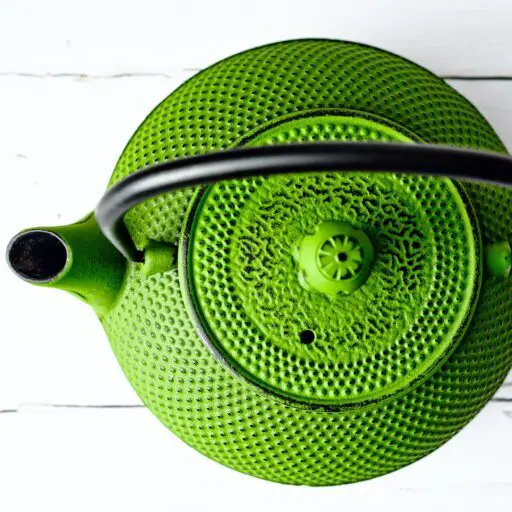
| Cast Iron Tetsubin Kettle | 7 | 10 | 10 | 9 |
Why Teaware Matters
- Material: Porcelain and glass preserve delicate flavors; Yixing clay enhances oolong and pu-erh.
- Heat Retention: Cast iron kettles maintain consistent temperature.
- Aesthetic: Beautiful teaware enhances mindfulness and enjoyment.
Our Top Picks
Hario V60 Glass Teapot
- Elegant borosilicate glass shows off tea color.
- Built-in stainless steel infuser.
- Easy to clean and dishwasher safe.
Yixing Clay Teapot
- Porous clay absorbs tea oils, enriching flavor over time.
- Ideal for oolong and pu-erh.
- Requires dedicated use for one tea type.
Gaiwan Porcelain Set
- Traditional Chinese brewing vessel.
- Allows precise control over steeping.
- Perfect for tasting flights of rare teas.
Tips for Choosing Your Teaware
- Match teaware to tea type (e.g., gaiwan for delicate greens, Yixing for fermented teas).
- Consider size for personal or group brewing.
- Invest in quality for longevity.
🕵️ ♂️ How to Source Authentic Rare Blends Without Getting Scammed
The hunt for rare teas can be thrilling but also risky. Counterfeits and low-quality blends abound. Here’s how to protect your palate and wallet.
Red Flags to Watch For
- Too Good to Be True Prices: Rare teas command premium prices; suspiciously cheap teas are often low quality or fake.
- Lack of Origin Details: Authentic teas specify estate, harvest date, and processing method.
- Poor Packaging: Genuine rare teas come in airtight, quality packaging with clear labeling.
Trusted Sources
- Specialty Tea Retailers: Teabloom, Yunnan Sourcing, and Tea Forte offer curated rare blends.
- Direct from Estates: Some estates sell directly online, ensuring provenance.
- Reputable Marketplaces: Amazon’s vetted sellers with high ratings and reviews.
Tips for Buying
- Request sample sizes before committing to large quantities.
- Read user reviews and expert opinions.
- Join tea forums and communities for recommendations.
Curious about the rarest teas you can find right now? Check out our detailed Tea Brand Spotlights and Specialty Blends for exclusive picks and tasting notes.
For a visual and cultural dive into ten unique teas from around the world, don’t miss the featured video embedded in this article. It beautifully complements our deep dive with vivid stories and tasting impressions.
💡 Conclusion

What a whirlwind tour of the world’s rare and unique tea blends! From the earthy depths of Pu-erh to the vibrant hues of Butterfly Pea Flower Tea, each sip carries stories of culture, craftsmanship, and centuries of tradition. Our journey revealed that rare teas are not just beverages; they are liquid time capsules, preserving terroir, history, and human artistry.
Positives:
- Incredible diversity of flavors and aromas, from smoky Russian Caravan to creamy Milk Oolong.
- Health benefits ranging from antioxidants in Matcha to digestive support in Pu-erh.
- Rich cultural rituals that make tea drinking a social and mindful experience.
- Availability of artisanal teaware that enhances brewing and tasting.
Challenges:
- Sourcing authentic rare teas can be tricky; beware of counterfeits and poor-quality blends.
- Some teas, like Tibetan Butter Tea or aged Pu-erh, require patience and specific brewing skills.
- Price can be a barrier for some rare single-estate or vintage teas.
Our Confident Recommendation:
Dive in! Start with accessible rare blends like Moroccan Mint or Masala Chai, then explore more adventurous teas like Russian Caravan or aged Pu-erh. Invest in quality teaware to unlock the full potential of these teas. And remember, tea is a journey—sometimes the best discoveries come from unexpected sips.
Wondering how to start your collection or where to find these gems? Check out our Recommended Links below for trusted sources and curated selections. Your next extraordinary cup awaits! ☕🌏
🔗 Recommended Links
Ready to explore and shop the rare teas and teaware we’ve raved about? Here’s your curated shopping list:
- Pu-erh Tea:
- Ceremonial Matcha:
- Taiwanese Oolong & Boba:
- Masala Chai:
- Moroccan Mint Tea:
- Yerba Maté:
- Thai Iced Tea Mix:
- Butterfly Pea Flower Tea:
- Russian Caravan Tea:
- Hibiscus Karkade:
- Southern Sweet Tea:
- Rooibos Tea:
Recommended Books on Tea
- The Story of Tea: A Cultural History and Drinking Guide by Mary Lou Heiss & Robert J. Heiss
- The Tea Enthusiast’s Handbook by Mary Lou Heiss
- Liquid Jade: The Story of Tea from East to West by Beatrice Hohenegger
❓ FAQ

Are there any rare and unique tea blends that have been popularized by luxury tea brands, and what makes them so special?
Luxury tea brands like Tea Forte and Palais des Thés have popularized rare blends by sourcing single-estate teas and emphasizing artisanal craftsmanship. For example, Palais des Thés’ Grands Crus collection features teas from exceptional terroirs, handpicked and processed with meticulous care. What makes these blends special is their limited availability, unique flavor profiles, and the storytelling that connects drinkers to the origin and tradition behind each cup. These brands also package teas elegantly, enhancing the overall experience.
What are some unique tea blends that combine unexpected ingredients, such as flowers or spices, for a distinct flavor profile?
Rare blends often incorporate local botanicals and spices. Examples include:
- Butterfly Pea Flower Tea: Known for its vibrant blue color and color-changing properties when mixed with lemon.
- Masala Chai: Combines black tea with warming spices like cardamom, cinnamon, and cloves.
- Moroccan Mint Tea: Gunpowder green tea with fresh spearmint and sugar.
- Thai Iced Tea: Black tea infused with star anise and tamarind, sweetened and topped with cream.
These combinations create complex, layered flavors that reflect regional tastes and traditions.
How do rare tea blends from small-scale farmers contribute to the preservation of traditional tea-making techniques?
Small-scale farmers often use hand-harvesting, sun-drying, and natural fermentation methods passed down through generations. Their commitment preserves biodiversity and terroir-specific qualities that mass production cannot replicate. Supporting these farmers helps maintain cultural heritage and promotes sustainable agriculture, ensuring that rare teas retain their authenticity and unique characteristics.
What are the most exotic tea blends from Asia that are hard to find in local markets?
Some of the most elusive Asian teas include:
- Da Hong Pao: A legendary oolong from China, often aged and extremely limited.
- Gyokuro: A shade-grown Japanese green tea with delicate umami notes.
- Tibetan Butter Tea: A salty, buttery brew rarely found outside Tibet.
- Wild Mountain Pu-erh: Aged fermented tea from remote Yunnan mountains.
These teas require specialized sourcing and are prized by connoisseurs worldwide.
What are some rare tea blends that offer unique flavor profiles?
- Russian Caravan: Smoky, campfire aroma from pinewood-smoking techniques.
- Milk Oolong: Naturally creamy and floral, unique to Taiwan.
- Butterfly Pea Flower Tea: Earthy with floral notes and striking color changes.
- Yerba Maté: Earthy and slightly bitter, with energizing caffeine from a holly plant.
Each offers a sensory experience unlike common teas.
Which countries produce the most unique and rare tea blends?
- China: Pu-erh, Da Hong Pao, Jasmine Pearls.
- Japan: Matcha, Gyokuro, Sencha.
- Taiwan: Milk Oolong, High Mountain Oolong.
- India: Masala Chai, Darjeeling First Flush.
- Morocco: Maghrebi Mint Tea.
- Argentina: Yerba Maté.
- Tibet: Butter Tea.
These countries have rich tea cultures and diverse terroirs.
How can I brew rare and exotic tea blends for the best taste?
- Use filtered water at the correct temperature (usually 160-212°F depending on tea type).
- Measure tea leaves precisely (generally 1 tsp per 8 oz).
- Steep for recommended times (2-7 minutes).
- Use appropriate teaware (gaiwan for delicate greens, Yixing pot for pu-erh).
- Experiment with multiple infusions to discover evolving flavors.
What health benefits do rare and unique tea blends provide?
Many rare teas are rich in antioxidants, polyphenols, and vitamins. For example:
- Matcha: High in catechins, boosts metabolism and focus.
- Pu-erh: Aids digestion and cholesterol management.
- Butterfly Pea Flower: Detoxifying and anti-inflammatory.
- Rooibos: Caffeine-free, supports heart health and skin.
Always consult health professionals if using tea for medicinal purposes.
📚 Reference Links
- Teabloom – Famous and Unique Teas from Around the World
- Tea Forte – Gourmet and Herbal Tea Collections
- Palais des Thés – Teas from Around the World – Holiday Gift Set 2025
- Yunnan Sourcing – Pu-erh and Chinese Teas
- Ippodo Tea Co. – Japanese Matcha
- Vahdam Teas – Indian Masala Chai
- Rishi Tea – Moroccan Mint
- Guayaki – Yerba Maté
- Harney & Sons – Russian Caravan
- Teabloom – Butterfly Pea Flower Tea
Enjoy your journey through the world of rare and unique tea blends! Remember, every cup is a story waiting to be savored. ☕🌿