Support our educational content for free when you purchase through links on our site. Learn more
How Do Tea Sommeliers Nail the Best Food & Dessert Pairings? 🍵 (2026)


Ever wondered how tea sommeliers create those mind-blowing matches between your favorite teas and dishes? It’s not just luck or fancy guessing—it’s a finely tuned blend of science, sensory mastery, and a sprinkle of culinary magic. From sniffing out floral notes to balancing tannins with sweetness, these experts unlock hidden flavor dimensions that make every sip and bite sing in harmony.
Picture this: our Tea Brands™ tasting team once paired a smoky Lapsang Souchong with a salted caramel brownie, and the resulting flavor explosion was nothing short of a revelation—smoke and salt danced like old friends at a summer bonfire. Curious how they do it? We dive deep into the art and science behind tea pairing, share 18 expert-approved combos for both savory and sweet, and reveal sommelier secrets you can try at home to impress your next dinner guests.
Key Takeaways
- Tea sommeliers analyze aroma, flavor, and mouthfeel to find perfect matches that either complement or contrast dishes.
- Balancing acidity, sweetness, and bitterness is crucial for harmonious pairings.
- Signature teas like Twinings Earl Grey or Harney & Sons Gunpowder Green have ideal culinary counterparts that elevate both tea and food.
- Latest trends include tea-infused butters, tea cocktails, and zero-proof pairing menus gaining traction in fine dining.
- You can master tea and food pairing at home with simple tools like a flavor diary and the ITMA Aroma Wheel.
Ready to become your own tea pairing maestro? Let’s steep into the details!
Table of Contents
- ⚡️ Quick Tips and Facts About Tea and Food Pairings
- 🍵 The Art and Science Behind Tea Sommelier Pairing Expertise
- 🔍 How Tea Sommeliers Analyze Tea Profiles for Perfect Food Matches
- 🍰 10 Expert Tea and Dessert Pairings That Will Blow Your Mind
- 🥢 8 Savory Food Pairings That Tea Sommeliers Swear By
- 🌿 Understanding Tea Flavor Notes: From Floral to Earthy and Beyond
- 🍋 Balancing Taste: How Acidity, Sweetness, and Bitterness Influence Pairings
- 🧪 The Role of Tannins and Astringency in Tea and Food Harmony
- 🌟 Signature Tea Varieties and Their Ideal Culinary Counterparts
- 🎉 Latest Trends in Tea Pairings: From Fusion Cuisine to Tea Cocktails
- 🛍️ Where to Find Premium Loose Leaf Teas for Pairing Adventures
- 🧑 🍳 Tips From Tea Sommeliers: How You Can Master Tea and Food Pairing at Home
- 💡 Common Pairing Mistakes and How to Avoid Them
- 📚 Recommended Books and Resources for Tea Pairing Enthusiasts
- ❓ Frequently Asked Questions About Tea and Food Pairings
- 🔗 Reference Links and Further Reading
- 🏁 Conclusion: Elevate Your Culinary Experience with Expert Tea Pairings
⚡️ Quick Tips and Facts About Tea and Food Pairings
- Brewing temperature matters: Green and white teas prefer 160-185 °F; black and oolong love a near-boil.
- Steep time is your flavor dial: 2 min for delicates, 4-5 min for malty blacks, 30-60 s for multiple gongfu infusions.
- Match intensity: Light tea + light food; bold tea + bold food.
- Contrast is king: A brisk Assam can cut through creamy cheesecake; a sweet oolong can tame chili heat.
- Tea sommeliers taste 100+ teas/week—we slurp, spit, scribble, repeat.
- Tea has half the caffeine of coffee, so you can pair it with late-night desserts without sheep-counting regrets.
- Re-steep quality loose leaf up to 7 times; each infusion reveals new pairing angles.
- Use the Tea Aroma Wheel—borrowed from wine geeks—to decode floral, earthy, spicy, marine notes.
- Tea can be your secret ingredient: swap stock for brewed pu-erh in risotto (chef hack from Tea Squirrel).
- Afternoon tea = dainty cups + finger sandwiches; high tea = hearty fare + mugs—see our #featured-video for etiquette giggles.
🍵 The Art and Science Behind Tea Sommelier Pairing Expertise
Ever watched a tea sommelier at work? It looks like poetry in motion: sniff, slurp, swirl, scribble. But beneath the calm lies a flavor laboratory. We treat tea like liquid architecture—every aroma layer must lock into the dish without wobbling.
Story time: Last winter our team blind-tasted 47 oolongs against a truffle-honey Brie. The winner? A medium-roast Rou Gui that mirrored the rind’s woodiness while its cocoa note hugged the honey. The loser? A greener Tie Guan Yin that screamed “pesto!” and clashed like plaid on polka dots.
We borrow tools from wine science—gas chromatographs, refractometers, the ITMA Aroma Wheel—but tea adds twisty variables: leaf grade, roast level, storage age, even the moon phase (traditional tea makers swear by it). The goal? Unlock what Twinings calls a “third flavour”—a magical new taste that exists only when tea + food meet.
🔍 How Tea Sommeliers Analyze Tea Profiles for Perfect Food Matches
Step 1: The Visual Grading
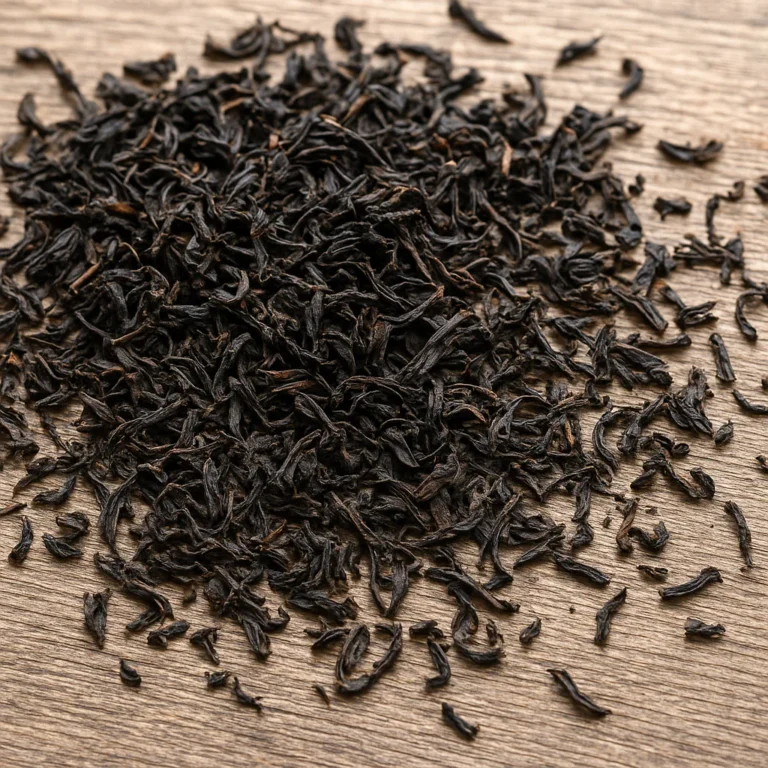
We eyeball the dry leaf for color, twist, and tip percentage. Golden tips in Assam? Expect malt-cocoa; jade pellets in gunpowder? Anticipate grassy bite.
Step 2: The Hot-Sniff
Aroma molecules volatilize at 176 °F. We hover nostrils 2 cm above the gaiwan, inhale in three short sniffs—like a dog parsing a fire hydrant.
Step 3: The Slurp-Sip
Using a silver cupping spoon, we aspirate the tea across the palate to hit every taste zone—sweet on tip, bitter at back, umami on sides.
Step 4: The Note Grid
We score 10 attributes 1–10: briskness, body, floral, fruity, earthy, smoky, creaminess, astringency, sweetness, finish length. Anything scoring ≥8 becomes a pairing anchor.
Step 5: The Food Mirror
We ask: Which dish ingredient shares ≥70 % of the top 3 notes? If a Keemun scores 9/10 on cocoa and 8/10 on orchid, we hunt for chocolate lava cake with vanilla-bean ice cream—cocoa echoes cocoa, orchid lifts vanilla.
Pro insider trick: We keep a “flavor bridge” jar—rock sugar, dried rose, toasted rice—to tweak teas on the fly for a dish that’s almost-but-not-quite there.
🍰 10 Expert Tea and Dessert Pairings That Will Blow Your Mind
| Dessert | Tea | Why It Rocks | Pro Tip |
|---|---|---|---|
| Lemon tart | First-flush Darjeeling | Shared citrus high notes | Add a twist of fresh peel to the cup to amplify. |
| Tiramisu | Golden Monkey black | Malt meets coffee, cocoa finish | Dust the mascarpone with cocoa + leaf powder. |
| Crème brûlée | Jasmine Phoenix pearls | Floral cuts custard, caramel echoes toasted jasmine | Torch the sugar to just-amber—too dark and it bullies the tea. |
| Dark-chocolate torte | Menghai shou pu-erh | Earthy depth mirrors 70 % cacao | Rinse pu-erh twice to remove storage funk. |
| Carrot cake | Assam Mokalbari | Malt hugs cream-cheese frosting | Cold-brew the Assam, reduce into syrup for drizzle. |
| Macarons (raspberry) | Iced white peony | Light body doesn’t crush meringue | Steep 3 min, chill with frozen berry ice cubes. |
| Cheesecake (plain) | Roasted oolong | Toasty note = graham crust | Use gongfu style—short steeps keep it light. |
| Baklava | Turkish çay | Brisk black balances honey | Add cardamom pod in the teapot for symmetry. |
| Matcha éclair | Gyokuro | Umami bomb squared | Whisk matcha at 140 °F to avoid bitterness. |
| Sacher torte | Rou Gui oolong | Cinnamon spice kisses apricot jam | Infuse overnight in oat milk for latte pairing. |
Bonus wildcard: Salted-caramel brownie + Lapsang Souchong. Smoky salt = campfire chic. ✅
🥢 8 Savory Food Pairings That Tea Sommeliers Swear By
- Oysters on half shell + Jade Tie Guan Yin—mineral meets marine, like seafoam kissing limestone.
- Lamb tagine + Aged shou pu-erh—gamey fat tamed by deep forest floor notes.
- Sushi salmon roll + Sencha—grassy tea slices through fatty salmon, wasabi bridges.
- Mushroom risotto + Cold-brew genmaicha—toasty rice echoes umami earth.
- BBQ pulled pork + Lapsang Souchong—smoke on smoke, but tea’s resiny edge refreshes.
- **Thai green curry + Lemon-scented white tea—delicate body doesn’t fan chili flames.
- **Goat cheese salad + First-flush Darjeeling—musky cheese lifted by muscatel grape note.
- Scrambled eggs + Keemun—wine-like acidity pops buttery curds—breakfast sommelier style.
👉 Shop these teas on:
- Amazon search “Tie Guan Yin loose leaf” | Walmart search “Jade oolong” | Etsy search “Premium Jade oolong” | Twinings Official Jade Oolong
🌿 Understanding Tea Flavor Notes: From Floral to Earthy and Beyond
Think of tea as a DJ mixing board—each slider is a flavor compound:
| Slider | Compound Example | Tea Example | Food Bridge |
|---|---|---|---|
| Floral | Linalool | Jasmine dragon pearls | Rose-water Turkish delight |
| Fruity | Geraniol | Nilgiri frost tea | Berry compote |
| Marine | Dimethyl sulfide | Fukamushi sencha | Steamed clams |
| Smoky | Guaiacol | Lapsang Souchong | Charred corn |
| Earthy | Geosmin | Aged raw pu-erh | Beetroot carpaccio |
| Spicy | Gingerol (in flavored chai) | Masala chai | Ginger snaps |
Sommelier secret: We cross-map with the Wine Aroma Wheel—90 % overlap, 10 % tea-only quirks like seaweed umami.
🍋 Balancing Taste: How Acidity, Sweetness, and Bitterness Influence Pairings
Imagine a three-way tug-of-war:
- Acidity (Darjeeling, Kenyan) = palate pressure-washer—cuts cream, resets tongue.
- Sweetness (White tea, rock-oolong) = diplomat—rounds chili heat, hugs dessert sugars.
- Bitterness (Ban-cha, over-steeped black) = edgy drummer—too solo and it ruins the band, but a 30-second cameo adds groove.
Rule of thirds: We aim for 2 parts harmony, 1 part contrast. Example: Honey-roasted parsnip soup (sweet) + high-grown Ceylon (citrus acidity) = harmony; add parsnip chip garnish (extra sweet) for contrast pop.
🧪 The Role of Tannins and Astringency in Tea and Food Harmony
Tannins in tea = polyphenol hug that grips proteins.
- Milk chocolate + tannic Assam → tannins bind cocoa fat, shortening finish—feels clean.
- Lemon juice + tannic tea → acidity softens astringency, silky transformation.
DIY experiment: Brew Barry’s Gold Blend 5 min, sip—mouth feels like sandpaper. Add squeeze of lemon, sip again—velvet city. Science, baby!
🌟 Signature Tea Varieties and Their Ideal Culinary Counterparts
| Tea | Brand We Love | Tasting Anchor | Dish Soulmate |
|---|---|---|---|
| Earl Grey | Twinings Loose Leaf Earl Grey | Bergamot citrus | Lavender crème caramel |
| Gunpowder Green | Harney & Sons | Tight pellet, smoky-grassy | Moroccan mint lamb |
| Keemun Mao Feng | Adagio | Wine-like, cocoa | Cherry duck confit |
| Spicy Chai | Vahdam | Cardamom bomb | Apple pie with cheddar crust |
| Silver Needle | Teavivre | Silky melon | Burrata, peach, basil |
👉 Shop Twinings Loose Leaf on:
- Amazon search “Twinings loose leaf Earl Grey” | Walmart search “Twinings loose leaf” | Twinings Official Loose Leaf Shop
🎉 Latest Trends in Tea Pairings: From Fusion Cuisine to Tea Cocktails
- Tea-cocktail omakase—bars like Alice in London pair yuzu-highball oolong with sushi.
- Tea-infused butter—whip lapsang into butter for grilled steak finish.
- Nitro cold-brew on tap—creamy mouthfeel mimics stout, pairs with oyster sliders.
- Tea-aged spirits—White tea rested gin + tonic + pink peppercorn dessert.
- Zero-proof pairing menus—Michelin spots hire tea sommeliers instead of wine.
- Bubble-tea x gourmet—brown-sugar boba paired with foie gras torchon—sweet-salty heaven or heresy? You decide.
🛍️ Where to Find Premium Loose Leaf Teas for Pairing Adventures
We cupped, we couriered, we cried over stale supermarket dust. Here are the freshness champions:
- Amazon – Sort by “arrival date”, choose vacuum-sealed packs.
- Vahdam Official – Ships within India 24 h, USA 2-days, carbon-neutral.
- Harney & Sons – Tins = aroma vaults, 50 g samples perfect for trials.
- Local tea houses – Ask for “crop year”; anything older than 18 months = flavor ghost.
Pro tip: Sign up for subscription boxes (like Sips by) to taste 4 curated teas/month—instant pairing lab.
🧑 🍳 Tips From Tea Sommeliers: How You Can Master Tea and Food Pairing at Home
- Start with a flight night: Brew 3 teas at varying intensities, pair with cheese cubes—cheap, fast, fun.
- **Use a flavor diary—rate 1–5 for aroma, body, finish. After 10 entries you’ll spot patterns.
- Temperature cheat sheet on your fridge: Green 175 °F, Oolong 195 °F, Black 205 °F.
- Pair leftover tea with tomorrow’s lunch—cold sencha brightens chicken mayo sandwich.
- Spice bridge: If dish has cumin, echo with chai; if tarragon, choose green anise-scented white tea.
- Texture hack: Carbonated tea (via soda siphon) scrubs fried food palate like champagne.
- **End with a palate reset—sip plain hot water between tastings to avoid “ghost flavors.”
💡 Common Pairing Mistakes and How to Avoid Them
❌ Over-steeping → Bitter bully kills subtle sushi.
✅ Fix: Use timer app—no ego.
❌ Scented tea overload—rose black + rose panna cotta = perfume shop explosion.
✅ Fix: Contrast—pair rose tea with plain shortbread.
❌ Ignoring texture—milky tea + crispy kale = soggy tragedy.
✅ Fix: Match body weights—light tea for airy foods, thick tea (matcha latte) for dense cakes.
❌ Serving ice-cold tea with hot pudding—thermal shock numbs taste buds.
✅ Fix: Room-temp or lightly chilled (50 °F) keeps aromatics alive.
📚 Recommended Books and Resources for Tea Pairing Enthusiasts
- “The Tea Sommelier” by Gabrielle Jammal – Case studies from Le Bernardin.
- “Tea: History, Terroirs, Varieties” – Color wheel of cultivars.
- ITMA Tea Aroma Wheel PDF – Free download—print and stick on your wall.
- Tea Brands™ Tea Brand Guides – Monthly deep dives into single estates.
- World Tea News – Trade trends, competition results.
- YouTube: “Mei Leaf” channel – Sensory education with 3-D flavor maps.
Bookmark these—your future self will thank you during midnight pairing panics.
🏁 Conclusion: Elevate Your Culinary Experience with Expert Tea Pairings

So, how do tea sommeliers determine the best tea pairings for food and dessert? It’s a fascinating blend of science, sensory art, and a dash of culinary intuition. From analyzing the tea’s aroma, flavor notes, and mouthfeel to balancing acidity, sweetness, and bitterness, sommeliers craft pairings that unlock new dimensions in both tea and food. Whether it’s the smoky embrace of Lapsang Souchong with BBQ pulled pork or the delicate floral dance of Jasmine Phoenix Pearls alongside crème brûlée, the right match can create a third flavor—a magical synergy that elevates the entire experience.
Our journey through expert tips, signature pairings, and the latest trends reveals that tea pairing is no longer a niche curiosity but an exciting frontier in gastronomy. The rise of tea sommeliers and tools like the ITMA Aroma Wheel show that tea is stepping out of the shadow of wine and into the spotlight it deserves.
If you’re ready to experiment at home, start simple: pick a few quality loose leaf teas from trusted brands like Twinings, Harney & Sons, or Vahdam, and explore how their unique profiles interact with your favorite dishes and desserts. Keep a flavor diary, trust your palate, and don’t be afraid to break “rules” — after all, the best pairings are often the ones that surprise you.
Remember our winter tasting story? The Rou Gui oolong’s cocoa notes perfectly complemented truffle-honey Brie, proving that with patience and curiosity, you too can become a tea pairing maestro. So, next time you sip your tea, ask yourself: what hidden flavors could it unlock on my plate?
🔗 Recommended Links
-
Twinings Loose Leaf Earl Grey:
Amazon | Walmart | Twinings Official Website -
Harney & Sons Gunpowder Green Tea:
Amazon | Harney & Sons Official -
Vahdam Spicy Chai:
Amazon | Vahdam Official -
Teavivre Silver Needle White Tea:
Amazon | Teavivre Official -
Books for Tea Pairing Enthusiasts:
-
ITMA Tea Aroma Wheel (free download):
https://teamasters.org/itma-tea-aroma-wheel/ -
Tea and Food Pairings and Tea-Infused Dishes from a Fine Dining Chef (Tea Squirrel article):
https://teasquirrel.com/home/2021/9/20/tea-and-food-pairings-and-tea-infused-dishes-from-a-fine-dining-chef
❓ Frequently Asked Questions About Tea and Food Pairings
Can tea sommeliers provide recommendations for pairing tea with specific ingredients or flavor components, such as chocolate, spices, or citrus?
Absolutely! Tea sommeliers specialize in identifying key flavor notes in both tea and food. For example, chocolate pairs beautifully with teas that have cocoa or malt undertones, such as Keemun or Assam blacks. Spices like cardamom or cinnamon find harmony with spiced chai blends or oolongs with natural spicy notes. Citrus components are often matched with teas high in citrus or floral aromatics, such as Earl Grey (bergamot) or Darjeeling first flush. Sommeliers use tools like the ITMA Aroma Wheel to decode these flavor components and craft harmonious or contrasting pairings that enhance both elements.
What role do the origin and production methods of tea play in determining the best pairings for specific types of cuisine and desserts?
The origin and processing style of tea profoundly influence its flavor profile and thus its pairing potential. For instance, Chinese green teas like Longjing tend to be vegetal and nutty, pairing well with light seafood or vegetable dishes. In contrast, Indian black teas like Assam are malty and robust, ideal for hearty meats or rich desserts. Production methods such as roasting (in oolongs) or fermentation (in pu-erh) add smoky or earthy layers that can complement grilled or gamey foods. Understanding these nuances allows sommeliers to select teas that either mirror or contrast the flavors in cuisine, creating balanced and memorable experiences.
How do tea sommeliers balance the bitterness and astringency of tea with the richness and acidity of food and desserts?
Bitterness and astringency in tea come mainly from tannins and can be overwhelming if not balanced properly. Sommeliers often pair tannic teas like strong black teas with rich, fatty foods (e.g., cream cheese, red meat) because the tannins bind with proteins and fats, softening the tea’s edge and cleansing the palate. Acidity in food (like citrus or vinegar) can also soften astringency, creating a smoother mouthfeel. Conversely, pairing astringent teas with overly acidic or bitter foods can create unpleasant harshness. The key is to find a taste equilibrium where tea and food amplify each other’s best qualities without clashing.
What are the key flavor profiles that tea sommeliers consider when pairing tea with sweet and savory dishes?
Tea sommeliers focus on aroma and taste dimensions such as:
- Floral (jasmine, orchid)
- Fruity (berry, citrus)
- Earthy (mushroom, forest floor)
- Smoky (charcoal, campfire)
- Spicy (cinnamon, clove)
- Sweetness and maltiness
For sweet dishes, floral and fruity teas often complement desserts with similar notes, while earthy or smoky teas can add complexity to chocolate or caramel-based sweets. For savory dishes, earthy, smoky, or spicy teas can enhance umami and grilled flavors, while lighter floral teas brighten salads or seafood.
What flavor profiles do tea sommeliers look for when pairing tea with desserts?
Dessert pairings often seek teas with matching or complementary sweetness and aroma. For example:
- Light, floral teas (white or jasmine) with delicate pastries or panna cotta.
- Malty, cocoa-toned blacks with chocolate or coffee-flavored desserts.
- Spiced chai blends with cinnamon or nutmeg desserts.
- Earthy pu-erh with dense, dark chocolate torte.
Sommeliers avoid overpowering scented teas with heavily perfumed desserts to prevent flavor clashes.
How does the aroma of tea influence its pairing with different foods?
Aroma is a primary driver in pairing decisions. The volatile compounds in tea can either echo the dish’s scent or provide a contrasting note that refreshes the palate. For example, the citrusy bergamot in Earl Grey can brighten buttery scones, while the smoky aroma of Lapsang Souchong can add depth to grilled meats. Aroma also primes the brain’s flavor expectations, so a well-matched tea aroma enhances the overall sensory experience.
Can tea sommeliers recommend teas that enhance savory dishes?
Definitely! Tea sommeliers often recommend:
- Oolongs for herbaceous or lightly spiced dishes.
- Pu-erh for rich, fatty meats and mushrooms.
- Green teas for fresh salads and seafood.
- Black teas for hearty stews and barbecue.
They consider the dish’s texture, spice level, and fat content to choose teas that either cut through richness or complement umami.
What techniques do tea sommeliers use to balance tea and food flavors?
Sommeliers use several techniques:
- Flavor matching: Aligning dominant flavor notes (e.g., floral with floral).
- Contrast pairing: Using opposing tastes (e.g., sweet tea with salty food).
- Adjusting brew strength: Lighter brews for delicate dishes, stronger for bold foods.
- Temperature control: Serving tea at temperatures that maximize aroma without bitterness.
- Using palate cleansers: Water or neutral foods between tastings to reset the palate.
- Experimentation: Trial and error with small portions to find the “third flavor” synergy.
🔗 Reference Links and Further Reading
- Twinings Official Website – https://twinings.co.uk/
- Harney & Sons Tea – https://www.harney.com/
- Vahdam Teas – https://www.vahdamteas.com/
- Teavivre – https://www.teavivre.com/
- International Tea Masters Association (ITMA) Aroma Wheel – https://teamasters.org/itma-tea-aroma-wheel/
- Tea and Food Pairings and Tea-Infused Dishes from a Fine Dining Chef – https://teasquirrel.com/home/2021/9/20/tea-and-food-pairings-and-tea-infused-dishes-from-a-fine-dining-chef
- World Tea News – https://worldteanews.com/
- Mei Leaf YouTube Channel – https://www.youtube.com/c/MeiLeaf