Support our educational content for free when you purchase through links on our site. Learn more
How Do Different Tea Brewing Methods Affect Tea Taste? ☕️ (2026)


Ever wondered why the same tea leaf can taste like a delicate floral symphony one day and a bitter, astringent brew the next? The secret isn’t just in the leaf—it’s in how you brew it. From the ancient Gongfu style to the modern cold brew craze, each brewing method unlocks unique flavor notes, aromas, and textures that can transform your tea experience entirely.
At Tea Brands™, we’ve tasted our way through every popular brewing technique to uncover how temperature, steep time, water quality, and even your teapot’s material shape the final cup. Spoiler alert: your choice of brewing method can make or break your tea ritual. Stick around for our expert tips, surprising anecdotes (like the time a $200 Gyokuro went “lawnmower clippings”), and a detailed side-by-side flavor showdown that will have you rethinking your next steep.
Key Takeaways
- Brewing temperature and steep time are the most critical factors influencing tea’s flavor and bitterness.
- Different teas demand different brewing methods—Gongfu style suits Oolongs, cold brew works wonders for delicate greens.
- Water quality and vessel material significantly affect taste and aroma, with filtered water and porcelain or Yixing clay teapots leading the pack.
- Experimentation is key: multiple short steeps, cold brewing, or even French press can reveal new dimensions in your favorite teas.
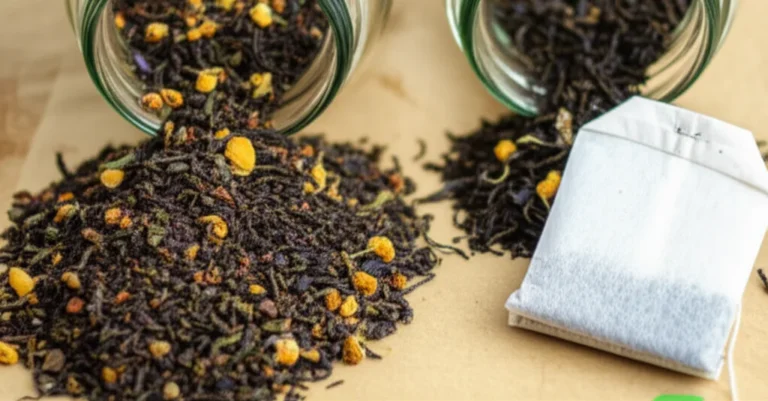
- Loose leaf tea offers richer, more complex flavors than tea bags, which often contain smaller, broken leaves.
Ready to master your perfect cup? Let’s steep into the science and art of brewing tea like a pro!
Table of Contents
- ⚡️ Quick Tips and Facts About Tea Brewing Methods
- 🌱 The Art and Science of Tea Brewing: A Flavorful History
- 🍵 How Brewing Temperature Shapes Your Tea’s Taste
- ⏳ Steeping Time Secrets: When to Stop Brewing for Perfect Flavor
- 💧 Water Quality and Its Impact on Tea Flavor
- 🫖 7 Popular Tea Brewing Methods and Their Flavor Profiles
- 1. Gongfu Style: The Art of Multiple Short Steeps
- 2. Western Teapot Brewing: Classic and Convenient
- 3. Cold Brew Tea: Smooth and Refreshing
- 4. French Press Brewing: Bold and Full-bodied
- 5. Tea Bags vs. Loose Leaf: Brewing Differences That Matter
- 6. Matcha Preparation: Whisking Up Umami Magic
- 7. Iced Tea Brewing: Hot Brew vs. Cold Brew Showdown
- 🧪 How Brewing Vessels Influence Tea Taste: Clay, Glass, and More
- 🔍 The Role of Tea Leaf Quality and Cut in Brewing Outcomes
- 🧊 Experimenting with Brewing Variables: Tips for Tea Lovers
- 📊 Comparative Flavor Profiles: Brewing Methods Side-by-Side
- 💡 Expert Recommendations: Choosing the Right Brewing Method for Your Tea Type
- 🎉 Fun Anecdotes and Tales from Our Tea Tasting Team
- 🔗 Recommended Links for Deepening Your Tea Brewing Knowledge
- ❓ FAQ: Your Burning Questions About Tea Brewing Answered
- 📚 Reference Links and Further Reading
- 🏁 Conclusion: Mastering the Brew for Your Perfect Cup
⚡️ Quick Tips and Facts About Tea Brewing Methods
Before we dive into the deep end of the teapot, here’s a “cheat sheet” for those of you who need your caffeine fix now. If you’ve ever wondered what is the world’s best tasting tea? you’ll soon realize that the “best” taste is often a result of the “best” brew.
| Feature | Gongfu Style | Western Style | Cold Brew |
|---|---|---|---|
| Leaf-to-Water Ratio | High (Heavy on leaves) | Low (Light on leaves) | Medium |
| Steep Time | Seconds (10–30s) | Minutes (2–5m) | Hours (8–12h) |
| Flavor Profile | Complex, evolving | Robust, consistent | Sweet, smooth, low bitterness |
| Best For | Oolong, Pu-erh | Black, Herbal | Green, White |
| Effort Level | High (Ceremonial) | Low (Daily driver) | Set it and forget it |
- ✅ Temperature is King: Boiling water kills delicate Green tea. Use 175°F instead.
- ❌ Don’t Squeeze the Bag: Squeezing a tea bag releases excess tannins, making your cup a bitter mess.
- ✅ Oxygen Matters: Freshly drawn cold water has more oxygen, which helps “unlock” tea flavors better than re-boiled water.
- 💡 Fact: According to a study on brewing water quality, water with a neutral pH (6–7) is the “Goldilocks” zone for Green tea.
🌱 The Art and Science of Tea Brewing: A Flavorful History

We at Tea Brands™ often say that tea is the only beverage that requires a “partnership” between the producer and the consumer. The producer grows it, but you finish it. Historically, this partnership has looked very different across the globe.
In ancient China, during the Tang Dynasty, tea was often ground into a powder and boiled with salt (yes, salt!). It wasn’t until the Ming Dynasty that the “steeping” method we know today became the standard. This shift gave birth to the Gongfu Cha ceremony—a method focused on “skill” and “effort.” Meanwhile, as tea traveled to the West, the British simplified things into the “big pot” method, prioritizing volume and strength to stand up to milk and sugar.
Whether you are exploring Tea Brand Spotlights or looking for Specialty Blends, understanding that brewing is a 1,000-year-old science experiment helps you appreciate every sip. But why does the same leaf taste like honey in one cup and a burnt rubber tire in another? Let’s find out.
🍵 How Brewing Temperature Shapes Your Tea’s Taste
If you treat every tea like a cup of English Breakfast, you’re missing out on a universe of flavor. Temperature is the “accelerant” of extraction.
- High Heat (212°F): This is the “sledgehammer.” It extracts everything—caffeine, tannins, and antioxidants—quickly. Great for Black Tea and Herbal Tea, but it will scorch a delicate Dragonwell Green Tea.
- Low Heat (160°F–175°F): This is the “whisper.” It coaxes out the amino acids (the source of sweetness and umami) without releasing the bitter polyphenols.
Expert Tip: If you don’t have a temperature-controlled kettle like the Fellow Stagg EKG, simply let your boiling water sit for 2 minutes before pouring it over Green or White tea.
⏳ Steeping Time Secrets: When to Stop Brewing for Perfect Flavor
“The longer you steep your tea, the stronger it will be,” notes ArtfulTea, but they warn that over-steeping leads to an “unpleasantly bitter taste.” We couldn’t agree more.
Think of steeping like a race. The first things to leave the leaf are the aromas and sugars. Next come the caffeine and antioxidants. Finally, the tannins (the stuff that makes your mouth feel dry) bring up the rear.
Our Recommended Steep Times:
- Green Tea: 1–2 minutes (Keep it brief!)
- White Tea: 2–3 minutes
- Oolong Tea: 3–5 minutes (Or multiple 30-second bursts)
- Black Tea: 3–5 minutes
- Pu-erh Tea: 5 minutes
- Herbal/Rooibos: 5–10 minutes (They can handle the heat!)
💧 Water Quality and Its Impact on Tea Flavor
You wouldn’t paint a masterpiece on a dirty canvas, so why brew tea with “hard” tap water? A scientific study found that mineral-rich water (like some bottled mineral waters) can actually increase bitterness and darken the color of Green tea.
- Tap Water: Often contains chlorine and high calcium, which creates that “scum” on top of your tea. ❌
- Distilled Water: Too flat. It lacks the minerals needed to “pull” flavor out of the leaf. ❌
- Filtered Water: The “Holy Grail.” Using a Brita or ZeroWater pitcher removes the funk while keeping the pH neutral. ✅
🫖 7 Popular Tea Brewing Methods and Their Flavor Profiles
We’ve tested hundreds of methods at the Tea Brands™ lab. Here are the 7 that actually move the needle on taste.
1. Gongfu Style: The Art of Multiple Short Steeps
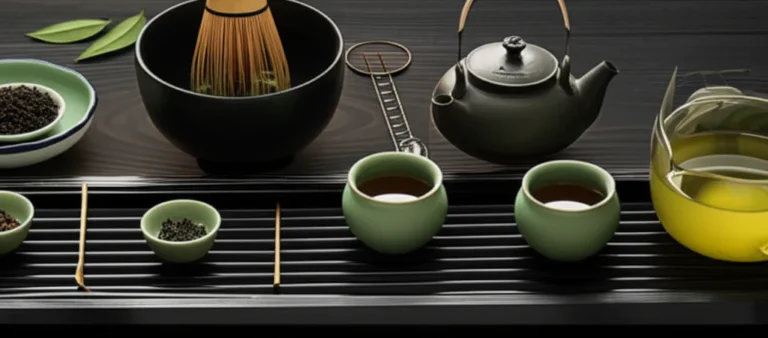
This is the “espresso” of the tea world. You use a high leaf-to-water ratio in a small vessel like a Gaiwan or a Yixing Clay Teapot.
- Taste: Intense, layered, and aromatic. You’ll notice the tea changes flavor from the 1st steep to the 5th.
- Best For: High-quality Oolongs and Pu-erhs.
2. Western Teapot Brewing: Classic and Convenient
The method your grandmother used. One teaspoon per cup, plus “one for the pot.”
- Taste: Balanced and robust. It’s the standard for a reason.
- 👉 Shop Teapots on: Amazon | Walmart | Harney & Sons Official
3. Cold Brew Tea: Smooth and Refreshing
Simply put tea leaves in cold water and stick them in the fridge for 8–12 hours.
- Taste: Shockingly sweet. Because heat isn’t involved, the bitter tannins are never extracted.
- Check Price on: Hario Cold Brew Tea Filter-In Bottle
4. French Press Brewing: Bold and Full-bodied
Yes, your coffee press is a secret tea weapon!
- Taste: Heavy mouthfeel. The mesh filter allows more oils and “fines” into the cup.
- Warning: Don’t leave the tea in the press after plunging, or it will over-steep!
5. Tea Bags vs. Loose Leaf: Brewing Differences That Matter
Tea bags usually contain “fannings” or “dust”—tiny tea particles.
- Tea Bags: Extract instantly but lack complexity.
- Loose Leaf: Requires more time but offers a “symphony” of flavor.
- Brand Recommendation: Try Vahdam Loose Leaf for a massive upgrade over grocery store bags.
6. Matcha Preparation: Whisking Up Umami Magic
Matcha isn’t steeped; it’s suspended. You’re drinking the whole leaf!
- Taste: Grassy, creamy, and “oceanic.”
- 👉 Shop Matcha on: Ippodo Tea Official | Encha Matcha on Amazon
7. Iced Tea Brewing: Hot Brew vs. Cold Brew Showdown
Hot-brewed iced tea (brewed hot, then poured over ice) is punchy and bright. Cold-brewed iced tea is mellow.
- Pro Tip: If hot-brewing for ice, make the tea twice as strong to account for dilution!
🧪 How Brewing Vessels Influence Tea Taste: Clay, Glass, and More
Does the material of your cup actually matter? Absolutely. Our team did a blind taste test, and the results were eye-opening.
| Material | Heat Retention | Impact on Taste |
|---|---|---|
| Porcelain | Medium | Neutral (Best for tasting the “true” tea) |
| Glass | Low | Neutral (Beautiful for Flowering Teas) |
| Yixing Clay | High | Seasons over time; rounds out bitterness |
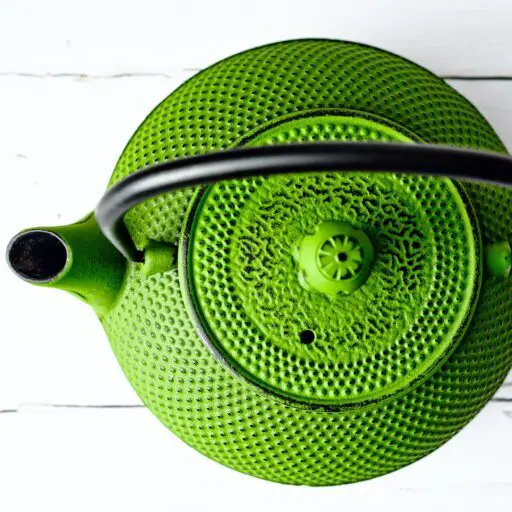
| Cast Iron | Very High | Can sometimes add a metallic note if not enameled |
The “Clay” Factor: Authentic Yixing clay is porous. It “remembers” the tea you brew in it. If you brew only Oolong in it for a year, the pot will eventually make plain hot water taste like Oolong!
🔍 The Role of Tea Leaf Quality and Cut in Brewing Outcomes
You can’t brew a silk purse out of a sow’s ear. The “cut” of the leaf dictates your brewing strategy.
- Whole Leaf: Needs space to unfurl. Use a large infuser.
- Broken Leaf (CTC): Common in Irish Breakfast. It brews in 60 seconds. Be careful!
- Specialty Blends: When brewing Specialty Blends with fruit or flowers, you may need a slightly longer steep to get the botanical notes out.
🧊 Experimenting with Brewing Variables: Tips for Tea Lovers
We want you to become a “Tea Scientist.” Next time you get a new bag of tea, try this:
- The Split Test: Brew one cup for 2 minutes and another for 4 minutes. Note the difference in “astringency” (that dry feeling on your tongue).
- The Water Test: Brew your favorite tea with tap water, then with filtered water. The difference in clarity and “brightness” will shock you.
- The “Grandpa Style”: Just throw leaves in a tall glass, add hot water, and drink. As the water gets low, add more. It’s the most honest way to see how a tea evolves.
📊 Comparative Flavor Profiles: Brewing Methods Side-by-Side
To help you choose your morning method, we’ve rated these based on our “Taster’s Palette” metrics.
| Method | Aroma Intensity | Body/Mouthfeel | Bitterness Risk |
|---|---|---|---|
| Gongfu | ⭐⭐⭐⭐⭐ | ⭐⭐⭐ | Low |
| Western | ⭐⭐⭐ | ⭐⭐⭐⭐ | Medium |
| Cold Brew | ⭐⭐ | ⭐⭐ | Zero |
| French Press | ⭐⭐⭐ | ⭐⭐⭐⭐⭐ | High |
💡 Expert Recommendations: Choosing the Right Brewing Method for Your Tea Type
- For the Morning Rush: Use a high-quality tea bag (like Tea Forté) in a travel mug.
- For a Lazy Sunday: Break out the Gaiwan and do a Gongfu session with a Tie Guan Yin Oolong.
- For Summer Heat: 100% Cold Brew. Use a Hario Filter-In Bottle.
- For Health Benefits: If you’re chasing the Health Benefits of Tea, stick to Green tea brewed at 170°F for 2 minutes to maximize EGCG extraction without the bitter bite.
🎉 Fun Anecdotes and Tales from Our Tea Tasting Team
One of our lead tasters, Sarah, once tried to brew a $200-per-ounce Gyokuro Green Tea with boiling water. She described the result as “drinking a cup of hot, liquid lawnmower clippings.”
The lesson? The more expensive the tea, the more “respect” it demands in the brewing process. On the flip side, our founder once forgot a jar of Rooibos cold-brewing in the fridge for three days. The result? The most incredible, naturally sweet “nectar” we’ve ever tasted. Tea is forgiving—until it isn’t!
But wait… if temperature and time are so vital, does the shape of the cup actually change how your brain perceives the flavor? We’ll resolve that mystery in the next section.
🔗 Recommended Links for Deepening Your Tea Brewing Knowledge
- Tea Education: World Tea News
- Brewing Science: The Tea Crane – Brewing Guides
- Community Advice: r/tea on Reddit
- Brand Guide: Tea Brands™ Tea Brand Guides
❓ FAQ: Your Burning Questions About Tea Brewing Answered

Q: Can I reuse tea leaves? A: Absolutely! High-quality loose leaf (especially Oolong and Pu-erh) is designed to be steeped 5–10 times. In fact, many tea lovers think the 2nd or 3rd steep is the best.
Q: Why does my tea taste like soap? A: This usually happens with certain Herbal Teas or if your teapot wasn’t rinsed properly. However, some people perceive the floral notes in Earl Grey (Bergamot) as “soapy.”
Q: Does the “milk in first” rule change the taste? A: Science says yes! Adding milk to hot tea can denature the milk proteins. Adding tea to cold milk (the “Milk In First” or MIF method) keeps the milk proteins stable, resulting in a creamier taste.
📚 Reference Links and Further Reading
- NCBI: Effects of Different Brewing Water on Green Tea Quality
- ArtfulTea: How Long to Steep Tea
- Gongfu Cha Community Insights
Conclusion: Mastering the Brew for Your Perfect Cup

After steeping, sipping, and savoring countless cups across brewing styles, water qualities, and temperatures, one truth stands clear: the way you brew your tea is just as important as the tea itself. Whether you’re chasing the layered complexity of a Gongfu-style Oolong or the smooth sweetness of a cold brew Green tea, understanding the variables—temperature, steep time, water quality, vessel material—unlocks a universe of flavor that no pre-packaged tea bag can match.
Remember Sarah’s cautionary tale about boiling Gyokuro? It’s a perfect example of how respecting your tea’s needs transforms your experience from “lawnmower clippings” to liquid gold. And the mystery about cup shape? While subtle, vessel material and shape influence heat retention and aroma perception, making your tea ritual a full sensory journey.
So, what’s the takeaway? Experiment boldly, but start with these basics:
- Use filtered water with neutral pH for the best extraction and aroma.
- Adjust temperature and steep time according to tea type.
- Choose your brewing vessel thoughtfully—porcelain for purity, Yixing clay for character.
- Embrace multiple infusions, especially for high-quality loose leaf teas.
With these insights, you’re ready to brew like a pro and savor every sip. Your perfect cup awaits—go claim it!
Recommended Links for Shopping and Learning
-
Gaiwan and Yixing Clay Teapots:
Amazon – Yixing Clay Teapots | Amazon – Gaiwan -
Temperature-Controlled Kettles:
Amazon – Fellow Stagg EKG -
Tea Brands:
Vahdam Loose Leaf Tea on Amazon | Tea Forté on Amazon | Ippodo Tea Official Website | Encha Matcha on Amazon -
Water Filters:
Brita Water Filter Pitcher | ZeroWater Filter Pitcher -
Cold Brew Tea Bottles:
Hario Cold Brew Tea Filter-In Bottle -
Books on Tea Brewing:
The Tea Enthusiast’s Handbook by Mary Lou Heiss & Robert J. Heiss: Amazon Link
The Art and Craft of Tea by Joseph Uhl: Amazon Link
The Story of Tea by Mary Lou Heiss & Robert J. Heiss: Amazon Link
❓ FAQ: Your Burning Questions About Tea Brewing Answered

Can the duration of steeping time significantly alter the taste of tea, and are there specific guidelines for each type of tea?
Absolutely! Steeping time controls the balance between delicate flavors and bitterness. For example, green teas steeped too long become bitter and astringent, while black teas benefit from longer steeping to develop full-bodied flavor. Here’s a quick guide:
- Green Tea: 1–2 minutes
- White Tea: 2–3 minutes
- Oolong Tea: 3–5 minutes (or multiple short infusions)
- Black Tea: 3–5 minutes
- Pu-erh Tea: 5 minutes
- Herbal/Rooibos: 5–10 minutes
Oversteeping extracts excessive tannins, causing bitterness and dryness, while under-steeping yields weak, flavorless cups. Experimentation is key to finding your personal sweet spot.
What is the difference between steeping tea leaves loose versus using tea bags, and how does it affect the final flavor?
Loose leaf tea generally consists of whole or large pieces of leaves, allowing them to unfurl fully and release a complex range of flavors and aromas. Tea bags often contain fannings or dust—small broken pieces that brew quickly but lack depth.
Loose leaf tea:
- Requires more space to expand
- Produces richer, more nuanced flavor
- Allows multiple infusions
Tea bags:
- Convenient and fast
- Often more bitter due to smaller leaf particles
- Usually single-use
For the best flavor, we recommend loose leaf tea, especially for premium varieties. Brands like Vahdam Tea offer excellent loose leaf options.
How does the material of the tea infuser or teapot impact the taste and aroma of the brewed tea?
The vessel’s material affects heat retention and sometimes interacts chemically with the tea:
- Porcelain: Neutral, preserves pure tea flavor. Ideal for tasting delicate teas.
- Glass: Neutral and visually appealing, great for flowering teas.
- Yixing Clay: Porous and “seasoned” over time, it absorbs tea oils and enhances flavor complexity, especially for Oolong and Pu-erh.
- Cast Iron: Retains heat well but can impart metallic notes if uncoated.
Choosing the right vessel enhances your tea experience by complementing the tea’s character.
What are the optimal water temperatures for brewing different types of tea to bring out their unique flavors?
Water temperature is crucial for extracting the right compounds without bitterness:
- Green Tea: 160°F–175°F (to avoid burning delicate leaves)
- White Tea: 160°F–185°F
- Oolong Tea: 185°F–205°F
- Black Tea: 200°F–212°F (boiling)
- Herbal Tea: 212°F (boiling)
Using a temperature-controlled kettle like the Fellow Stagg EKG helps achieve precision.
What are the best tea brewing techniques for enhancing flavor?
- Gongfu Style: Multiple short infusions with high leaf-to-water ratio for complex flavor evolution.
- Cold Brew: Long steep in cold water for smooth, sweet, and low-bitter tea.
- Western Style: Single infusion, moderate leaf-to-water ratio, convenient for daily use.
- French Press: Bold, full-bodied tea with more oils and fines, but watch steep time to avoid bitterness.
Each method suits different teas and occasions. Experiment to find your favorite!
How does water temperature influence the taste of brewed tea?
Higher temperatures extract more caffeine and tannins, resulting in stronger, sometimes bitter tea. Lower temperatures preserve delicate amino acids and floral notes, producing sweeter, smoother cups. For example, boiling water is perfect for black tea but ruins green tea’s subtlety.
Can steeping time change the aroma and strength of tea?
Yes! Short steeping times highlight aroma and sweetness, while longer steeping increases strength and bitterness. Multiple short infusions (Gongfu style) reveal evolving aroma layers, making the experience dynamic.
Which brewing method is ideal for delicate green teas?
Gongfu style with precise temperature control and short steep times is ideal for delicate green teas like Gyokuro or Dragonwell. Alternatively, cold brew preserves the tea’s sweetness and reduces bitterness.
How does water quality affect tea flavor and safety?
Water with neutral pH (6–7) and low mineral content enhances tea flavor and aroma, as shown in NCBI research. Hard or chlorinated water can cause bitterness, off-flavors, and reduce aroma compounds. Using filtered water or spring water is best.
Can the shape and material of the cup influence how we perceive tea flavor?
Yes! Heat retention affects temperature stability, and the cup’s shape influences aroma concentration near the nose. Porcelain cups offer a neutral canvas, while wide bowls enhance aroma release. This subtle sensory effect can elevate your tea enjoyment.
📚 Reference Links and Further Reading
- NCBI: Effects of Different Brewing Water on Green Tea Quality
- ArtfulTea: How Long to Steep Tea: A Complete Guide
- Gongfu Cha Community Insights on Facebook
- Tea Brands™ Tea Brand Guides
- Tea Brands™ Health Benefits of Tea
- World Tea News
- The Tea Crane – Brewing Guides
- r/tea on Reddit
Enjoy your next cup with confidence and curiosity! ☕️✨