Support our educational content for free when you purchase through links on our site. Learn more
10 Exotic Tea Varieties to Try for a Flavor Adventure 🍵 (2026)

Have you ever wondered what it’s like to sip a tea that changes color before your eyes? Or tasted a brew so rich and earthy it feels like a journey through ancient forests? Welcome to the captivating world of exotic tea varieties—a realm where tradition, flavor, and health benefits collide in the most delicious ways. From the vibrant blue Butterfly Pea Flower Tea to the aged depths of Pu-erh, these teas offer more than just a drink; they offer an experience.
In this article, we’ll take you on a global tour of ten must-try exotic teas, share expert brewing tips from the tea tasters at Tea Brands™, and reveal where to find authentic blends that will elevate your tea game. Curious about how to brew these teas like a pro or wondering which ones pack the biggest health punch? Stick around, because we’ve got all that and more brewing just for you!
Key Takeaways
- Explore 10 unique exotic teas that offer diverse flavors and cultural stories, from Asia to South America and Africa.
- Learn expert brewing techniques to unlock the full flavor and aroma of each tea variety.
- Discover the health benefits associated with these teas, including antioxidants, digestive support, and calming effects.
- Find out where to buy authentic exotic teas from trusted brands and online shops.
- Get inspired with creative serving ideas to enjoy exotic teas hot, iced, or even in recipes.
Ready to embark on a flavorful adventure? Let’s dive in!
Table of Contents
- ⚡️ Quick Tips and Facts About Exotic Tea Varieties
- 🌿 The Fascinating Origins and History of Exotic Teas
- 1. 🍵 Top 10 Must-Try Exotic Tea Varieties from Around the Globe
- 1.1. Butterfly Pea Flower Tea: The Magical Blue Brew
- 1.2. Pu-erh Tea: The Aged Treasure of Yunnan
- 1.3. Matcha: The Ceremonial Green Powder Powerhouse
- 1.4. Yerba Mate: South America’s Energizing Elixir
- 1.5. Kukicha: The Twig Tea with a Nutty Twist
- 1.6. Oolong Tea: The Semi-Oxidized Artistry
- 1.7. Rooibos: The Red Bush Tea from South Africa
- 1.8. Jasmine Pearl Tea: Fragrant Floral Gems
- 1.9. Chrysanthemum Tea: The Floral Chinese Classic
- 1.10. Lavender Tea: The Soothing Purple Brew
- 🍃 How to Brew Exotic Teas Like a Pro: Tips, Tricks, and Tools
- 🌍 Exploring the Health Benefits and Unique Flavors of Exotic Teas
- 🛒 Where to Buy Authentic Exotic Teas: Trusted Brands and Online Shops
- 🎉 Creative Ways to Enjoy Exotic Teas: Recipes and Serving Ideas
- 🤔 Common Questions About Exotic Tea Varieties Answered
- 📝 Conclusion: Why You Should Dive Into the World of Exotic Teas Today
- 🔗 Recommended Links for Tea Enthusiasts
- ❓ FAQ: Your Burning Questions on Exotic Tea Varieties
- 📚 Reference Links and Further Reading
Quick Tips and Facts About Exotic Tea Varieties
To answer the question of what is the world’s best tasting tea?, it’s essential to explore the diverse world of exotic tea varieties, as discussed in our article on what is the world’s best tasting tea?. Here are some quick tips and facts to get you started:
- Exotic teas offer a wide range of flavors, from floral to earthy, and can be a great way to explore new tastes.
- Many exotic teas have potential health benefits, such as aiding digestion, boosting metabolism, and providing antioxidants.
- When trying exotic teas, consider the origin, processing method, and ingredients to understand their unique characteristics.
- Exotic teas can be expensive, but they are often worth the investment for their unique flavors and potential health benefits.
- To fully appreciate exotic teas, it’s essential to brew them correctly, using the right water temperature, steeping time, and tea-to-water ratio.
The Fascinating Origins and History of Exotic Teas

Exotic teas have a rich history that spans thousands of years, with roots in ancient cultures and civilizations. From the traditional Chinese tea ceremonies to the Japanese matcha rituals, each tea has its own unique story and cultural significance. For example, Moroccan Mint Tea is an integral part of Moroccan hospitality, while Masala Tea is a staple in Indian culture. To learn more about the history and cultural significance of tea, visit our Tea Brand Spotlights page.
1. Top 10 Must-Try Exotic Tea Varieties from Around the Globe
Here are ten exotic tea varieties that you should try:
- Butterfly Pea Flower Tea: A caffeine-free herbal tea with a unique blue color and floral flavor.
- Pu-erh Tea: A fermented tea from China with a rich, earthy flavor and potential health benefits.
- Matcha: A powdered green tea from Japan with a bright green color and rich, slightly bitter flavor.
- Yerba Mate: A traditional South American tea with a earthy, slightly bitter flavor and high caffeine content.
- Kukicha: A Japanese twig tea with a light, nutty flavor and low caffeine content.
- Oolong Tea: A semi-fermented tea from Taiwan and China with a complex flavor profile and potential health benefits.
- Rooibos: A caffeine-free herbal tea from South Africa with a rich, sweet flavor and high antioxidant content.
- Jasmine Pearl Tea: A floral tea from China with a delicate, fragrant flavor and beautiful appearance.
- Chrysanthemum Tea: A herbal tea from China with a floral, slightly sweet flavor and potential health benefits.
- Lavender Tea: A caffeine-free herbal tea with a soothing, floral flavor and potential health benefits.
1.1. Butterfly Pea Flower Tea: The Magical Blue Brew
Butterfly pea flower tea is a unique and exotic tea variety that is caffeine-free and has a beautiful blue color. It is made from the flowers of the Clitoria ternatea plant and has a floral and slightly sweet flavor. To learn more about herbal teas like butterfly pea flower tea, visit our Herbal Tea page.
1.2. Pu-erh Tea: The Aged Treasure of Yunnan
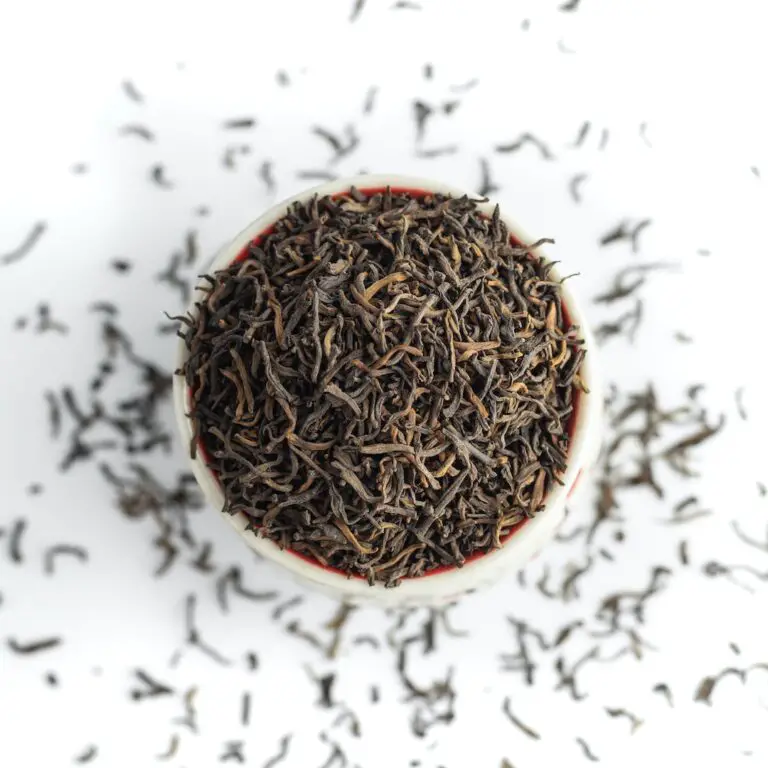
Pu-erh tea is a fermented tea from China that is known for its rich, earthy flavor and potential health benefits. It is made from the leaves of the Camellia sinensis plant and is aged to develop its unique flavor and aroma. For more information on pu-erh tea and its health benefits, visit our Health Benefits of Tea page.
1.3. Matcha: The Ceremonial Green Powder Powerhouse
Matcha is a powdered green tea from Japan that is known for its bright green color and rich, slightly bitter flavor. It is made from the leaves of the Camellia sinensis plant and is ground into a fine powder to release its nutrients and flavor. To learn more about matcha and its cultural significance, visit our Tea Brand Guides page.
1.4. Yerba Mate: South America’s Energizing Elixir
Yerba mate is a traditional South American tea that is known for its earthy, slightly bitter flavor and high caffeine content. It is made from the leaves of the Ilex paraguariensis plant and is brewed in a traditional gourd to release its flavor and nutrients. For more information on yerba mate and its cultural significance, visit our Specialty Blends page.
How to Brew Exotic Teas Like a Pro: Tips, Tricks, and Tools
Brewing exotic teas requires the right tools and techniques to bring out their unique flavors and aromas. Here are some tips and tricks to help you brew like a pro:
- Use filtered water to prevent impurities and odors from affecting the taste of the tea.
- Choose the right tea-to-water ratio to balance the flavor and strength of the tea.
- Use a tea infuser or strainer to steep the tea leaves and prevent them from escaping into the cup.
- Experiment with different brewing times and temperatures to find the perfect balance for each tea variety.
Exploring the Health Benefits and Unique Flavors of Exotic Teas
Exotic teas offer a wide range of health benefits and unique flavors that can enhance your overall well-being and culinary experience. From the antioxidant-rich green teas to the digestive-friendly herbal teas, each variety has its own unique characteristics and benefits. To learn more about the health benefits of tea, visit our Health Benefits of Tea page.
Where to Buy Authentic Exotic Teas: Trusted Brands and Online Shops
When it comes to buying exotic teas, it’s essential to choose trusted brands and online shops that offer high-quality and authentic products. Here are some tips to help you find the best exotic teas:
- Look for certifications like Fair Trade and Organic to ensure that the tea is sustainably sourced and produced.
- Check the ingredient list to ensure that the tea is made from high-quality and natural ingredients.
- Read customer reviews to get an idea of the tea’s flavor, aroma, and overall quality.
- Consider buying in bulk to save money and ensure a steady supply of your favorite exotic teas.
Creative Ways to Enjoy Exotic Teas: Recipes and Serving Ideas
Exotic teas can be enjoyed in a variety of ways, from hot brews to cold infusions, and even as ingredients in recipes. Here are some creative ways to enjoy exotic teas:
- Try pairing exotic teas with sweet and savory dishes to enhance their flavors and aromas.
- Use exotic teas as ingredients in baked goods, smoothies, and salads to add unique flavors and nutrients.
- Experiment with different brewing methods, such as cold brew and iced tea, to create refreshing and unique drinks.
Common Questions About Exotic Tea Varieties Answered
Here are some common questions about exotic tea varieties answered:
- What is the best way to store exotic teas to preserve their flavor and aroma?
- How do I brew exotic teas to bring out their unique flavors and aromas?
- What are the health benefits of exotic teas, and how can I incorporate them into my daily routine?
- Can I grow my own exotic teas at home, and what are the best varieties for beginners?
Conclusion: Why You Should Dive Into the World of Exotic Teas Today

After our flavorful journey through the realm of exotic tea varieties, it’s clear that these teas are much more than just beverages — they are cultural treasures, health elixirs, and taste adventures waiting to be explored. Whether it’s the vibrant blue hues of Butterfly Pea Flower Tea, the earthy depth of Pu-erh, or the energizing kick of Yerba Mate, each exotic tea brings a unique story and sensory experience to your cup.
We’ve shared brewing tips, health insights, and creative serving ideas to ensure you get the most out of your exotic tea explorations. Remember, the best exotic tea for you is the one that excites your palate and fits your lifestyle. So, don’t hesitate to experiment, savor, and share these teas with friends and family.
If you’ve ever wondered how to unlock the full potential of these teas or where to find authentic, high-quality options, we’ve got you covered in the sections above. Now, it’s time to brew your first cup of something extraordinary and let the adventure begin! 🍵✨
Recommended Links for Tea Enthusiasts
Ready to start your exotic tea journey? Here are some trusted sources and products to get you going:
-
Butterfly Pea Flower Tea:
Amazon Butterfly Pea Flower Tea | Mountain Rose Herbs Official Website -
Pu-erh Tea:
Amazon Pu-erh Tea Selection | Teavivre Pu-erh Tea -
Matcha:
Amazon Matcha Green Tea Powder | Ippodo Tea Co. Official Website -
Yerba Mate:
Amazon Yerba Mate Tea | Guayaki Yerba Mate Official Website -
Rooibos Tea:
Amazon Rooibos Tea | Rooibos Ltd Official Website -
Books on Exotic Teas:
- The Tea Book: All Things Tea by Louise Cheadle & Nick Kilby — Amazon Link
- The Story of Tea: A Cultural History and Drinking Guide by Mary Lou Heiss & Robert J. Heiss — Amazon Link
FAQ: Your Burning Questions on Exotic Tea Varieties

Are there any exotic tea varieties that are suitable for iced tea or cold brew preparations?
Absolutely! Many exotic teas shine when served cold. For example:
- Butterfly Pea Flower Tea transforms beautifully into a vibrant blue iced tea and even changes color with a squeeze of lemon.
- Thai Cha Yen (Thai Iced Tea), made from strong black tea blends like Ceylon or Assam, is traditionally served cold with condensed milk.
- Jasmine Pearl Tea and Oolong can also be cold brewed to highlight their delicate floral and fruity notes without bitterness.
Cold brewing generally requires steeping tea leaves in cold water for 6-12 hours, resulting in a smooth, less astringent flavor.
What are the health benefits of drinking exotic and unusual types of tea?
Exotic teas often pack a punch of antioxidants, vitamins, and minerals:
- Matcha is rich in catechins and antioxidants, supporting metabolism and mental clarity.
- Pu-erh may aid digestion and cholesterol management due to its fermentation process.
- Rooibos is caffeine-free and contains compounds beneficial for inflammation and skin health.
- Yerba Mate offers a natural caffeine boost plus vitamins and minerals that support energy and focus.
- Herbal teas like Chrysanthemum and Lavender provide calming effects and may help with stress and sleep.
How do I properly brew and prepare exotic tea varieties for optimal flavor?
Brewing exotic teas requires attention to:
- Water temperature: Green and white teas prefer cooler water (160-185°F), while black, oolong, and pu-erh teas do better with near-boiling water (195-212°F).
- Steeping time: Usually ranges from 1 to 5 minutes depending on the tea type; oversteeping can cause bitterness.
- Tea quantity: Typically 1 teaspoon per 8 oz of water, but some powdered teas like matcha require different preparation methods (whisking with hot water).
- Using filtered water and quality teaware enhances the experience. For detailed brewing guides, check our Tea Brand Guides.
What are the rarest and most expensive tea varieties in the world?
Some of the rarest and priciest teas include:
- Da Hong Pao (Big Red Robe): A legendary Wuyi rock tea from China, fetching thousands of dollars per pound.
- Yellow Gold Tea: Tea buds coated with 24K gold, once reserved for emperors.
- Insect Poop Tea: Made from tea leaves consumed and excreted by insects, prized for unique flavor and rarity.
- Aged Pu-erh: Some vintage pu-erh teas aged for decades can command very high prices.
These teas are often prized for their scarcity, unique processing, and historical significance.
How do exotic teas differ in flavor from traditional teas?
Exotic teas often have distinctive flavor profiles due to unique growing conditions, processing methods, or added ingredients:
- Butterfly Pea Flower Tea offers a floral, earthy taste unlike traditional Camellia sinensis teas.
- Masala Chai combines black tea with warming spices, creating a complex, spicy-sweet flavor.
- Jasmine Pearl Tea infuses green tea with fragrant jasmine blossoms for a delicate aroma.
Traditional teas like black, green, and white teas tend to have more familiar flavor ranges, while exotic teas can surprise with floral, fruity, smoky, or herbal notes.
Which exotic teas have unique health benefits?
- Matcha: High in antioxidants and L-theanine, promoting calm alertness.
- Pu-erh: May support gut health and cholesterol reduction.
- Rooibos: Contains anti-inflammatory compounds and is caffeine-free.
- Chrysanthemum Tea: Traditionally used for cooling the body and soothing headaches.
- Yerba Mate: Provides a balanced caffeine boost with vitamins and minerals.
These benefits vary by individual and tea quality, so always enjoy in moderation.
Where can I buy authentic exotic tea varieties online?
For authentic exotic teas, consider:
- Teavivre: Specializes in Chinese teas including pu-erh and jasmine pearls.
- Ippodo Tea Co.: Renowned for premium Japanese teas like matcha and kukicha.
- Mountain Rose Herbs: Offers high-quality herbal teas including butterfly pea flower.
- Guayaki: Trusted source for organic yerba mate.
- Amazon: Wide selection with customer reviews to help guide your choice.
Always check for certifications like organic, fair trade, and customer feedback to ensure quality.
Reference Links and Further Reading
- Camille in Wonderlands: Exotic World Teas and Coffees Travelers Should Try
- AVT Beverages: Exotic Teas That Are Guaranteed to Amaze You
- Facebook Group Post: Alternative to Alcohol at Golden Hour Exotic Tea Bar in Olympia
- Mountain Rose Herbs Butterfly Pea Flower Tea
- Teavivre Pu-erh Tea
- Ippodo Tea Co.
- Guayaki Yerba Mate
- Rooibos Ltd
- National Center for Complementary and Integrative Health: Green Tea
- Tea Association of the USA: Tea Facts