Support our educational content for free when you purchase through links on our site. Learn more
The True Cost of Da Hong Pao Tea Price in 2026: Secrets Revealed! 🍵

If you’ve ever wondered why Da Hong Pao tea price can soar higher than gold by weight, you’re not alone. This legendary Chinese oolong, known as the “Big Red Robe,” carries centuries of history, mystique, and craftsmanship that make it one of the most coveted—and expensive—teas in the world. But what exactly drives its price? And how can you tell if you’re getting the real deal or just a cleverly disguised impostor?
At Tea Brands™, we’ve spent years tasting, researching, and sourcing authentic Da Hong Pao teas. In this comprehensive guide, we’ll unravel the layers behind the price tag—from the rare mother trees perched on the Wuyi cliffs to the artful blends that bring the “rock rhyme” to your cup. We’ll also share insider tips on spotting fakes, brewing like a pro, and exploring related Wuyi rock teas that offer similar magic without the royal price.
Ready to discover why Da Hong Pao is called “liquid gold” and how to enjoy it without emptying your wallet? Keep reading—your perfect cup awaits.
Key Takeaways
- Da Hong Pao’s price is driven by rarity, terroir, and labor-intensive processing, especially from the original mother trees on the protected Zheng Yan cliffs.
- Most Da Hong Pao teas on the market are expertly blended to mimic the legendary flavor, offering accessible options for enthusiasts.
- Authentic Da Hong Pao features a unique “Yan Yun” (rock rhyme)—a mineral, lingering throat sensation that defines its character.
- Beware of counterfeits; buying from trusted vendors like White2Tea, Verdant Tea, and Old Ways Tea ensures quality and authenticity.
- Gongfu Cha brewing unlocks the full complexity of Da Hong Pao, allowing multiple infusions and evolving flavors.
- Explore related Wuyi rock teas like Rou Gui and Shui Xian for a broader taste of the region’s terroir.
Stay tuned for detailed insights, expert recommendations, and links to the best Da Hong Pao teas available today!
⚡️ Quick Tips and Facts
Before we dive into the misty cliffs of the Wuyi Mountains, here’s the “too long; didn’t steep” version of what you need to know about Da Hong Pao tea price and quality:
- The “Mother Trees” are Off-Limits: The original six mother trees are protected by the Chinese government. Unless you’re a high-ranking diplomat or a time traveler, you aren’t drinking tea from them. ❌
- Terroir is Everything: The price is dictated by where the tea grows. Zheng Yan (Original Rock) is the “Beverly Hills” of tea gardens, while Ban Yan (Half Rock) and Outer Mountain teas are more budget-friendly. ✅
- The “Big Red Robe” Name: It’s often a blend. To get a consistent flavor profile, masters blend different cultivars like Shui Xian and Rou Gui.
- Age Matters: Unlike green tea, Da Hong Pao can be aged. High-quality, charcoal-roasted versions can develop incredible complexity over 5–10 years. 📈
- Price Range: Expect to pay anywhere from a few dollars for a decent daily drinker to thousands for competition-grade “Zheng Yan” leaves.
- The “Rock Rhyme”: Look for Yan Yun. It’s that lingering, mineral, throat-coating sensation that defines a high-priced Wuyi Oolong. 👅
Table of Contents
- ⚡️ Quick Tips and Facts
- 📜 The Legend of the Big Red Robe: History and Origins of Wuyi Yan Cha
- 💰 Why is Da Hong Pao So Expensive? The Price of Liquid Gold
- 🌳 The Three Tiers of Da Hong Pao: From Mother Trees to Commercial Blends
- ⛰️ Rock Wulong Tea 2025: The Future of Wuyi Yan Cha
- 🎨 Greater Than the Sum of Its Parts: The Art of Blending Da Hong Pao
- 🔥 From Leaf to Cup: The Intricate Processing of Big Red Robe
- 📊 9 Factors That Determine the Da Hong Pao Tea Price
- 🕵️ How to Spot a Fake: Identifying Authentic Wuyi Rock Tea
- 👅 Tasting the Terroir: Flavor Profile and “Yan Yun” (Rock Rhyme)
- 🍵 Brewing Like a Pro: The Gongfu Cha Method for Oolong
- 🛍️ Related Products: Beyond the Big Red Robe
- 🏁 Conclusion
- 🔗 Recommended Links
- ❓ FAQ
- 📚 Reference Links
📜 The Legend of the Big Red Robe: History and Origins of Wuyi Yan Cha

Legend has it that during the Ming Dynasty, the mother of an emperor fell gravely ill. After drinking tea made from specific bushes in the Wuyi Mountains, she made a miraculous recovery. In gratitude, the emperor sent great red robes to drape over the bushes. Whether you believe the myth or not, the history of Da Hong Pao (Big Red Robe) is inextricably linked to the rugged, volcanic cliffs of Fujian Province.
We’ve spent years researching these origins, and it’s clear that Da Hong Pao isn’t just a tea; it’s a cultural icon. It was famously gifted to President Richard Nixon by Mao Zedong in 1972. When Nixon joked that half a pound of tea seemed like a small gift, he was told that those few ounces represented half of China’s entire “national treasure” at the time! 🇨🇳
💰 Why is Da Hong Pao So Expensive? The Price of Liquid Gold
You might see a tin of Da Hong Pao for $20 and another for $2,000. Why the massive gap? It comes down to scarcity and labor.
The most expensive teas come from the Zheng Yan area—a protected UNESCO World Heritage site. The soil here is rich in minerals, and the microclimate is perfect. However, the space is limited. You can’t just “build more” Wuyi Mountains. When you buy a high-end Da Hong Pao from a brand like Mei Leaf or Old Ways Tea, you are paying for the privilege of drinking from a very specific, very small plot of land.
🌳 The Three Tiers of Da Hong Pao: From Mother Trees to Commercial Blends
Understanding the hierarchy is the best way to ensure you aren’t overpaying. We categorize them into three distinct levels:
- The Mother Trees (The Priceless Tier): These are the original bushes. Harvesting stopped in 2006 to preserve them. If someone offers to sell you “Original Mother Tree Tea,” they are likely lying. ❌
- Purebred (Qi Dan & Bei Dou): These are genetically identical clones of the mother trees. They offer the most “authentic” experience. Expect a premium Da Hong Pao tea price for these.
- Commodity/Blended Da Hong Pao: This is what most of us drink. It’s a blend of various Wuyi cultivars (like Rou Gui for aroma and Shui Xian for body). When done well, like White2Tea’s offerings, they are spectacular.
⛰️ Rock Wulong Tea 2025: The Future of Wuyi Yan Cha
As we look toward Rock Wulong Tea 2025, the market is shifting. We are seeing a move toward more sustainable farming and a renewed interest in “aged” oolongs. Modern consumers are becoming savvier, demanding transparency about which “pit” or “cliff” their tea came from.
We predict that Zheng Yan prices will continue to climb as global demand outstrips the tiny annual harvest. If you’re looking to invest in tea, high-fire Wuyi oolongs are a solid bet—they age gracefully and only get better with time. ⏳
🎨 Greater Than the Sum of Its Parts: The Art of Blending Da Hong Pao
Most people don’t realize that “Da Hong Pao” is often a masterful blend. Think of it like a Bordeaux wine. A tea master might take the spicy, cinnamon notes of a Rou Gui and blend it with the heavy, chocolatey depths of a Shui Xian to create a balanced “Big Red Robe” profile.
This blending isn’t a way to “cheapen” the tea; it’s an art form. A skilled master can create a flavor profile that is more complex and harmonious than any single cultivar could achieve on its own. 🎨
🔥 From Leaf to Cup: The Intricate Processing of Big Red Robe
The processing of Da Hong Pao is arguably the most complex in the tea world. It involves:
- Withering: Letting the leaves lose moisture under the sun.
- Shaking/Bruising: Tossing the leaves in bamboo baskets to bruise the edges, kickstarting oxidation.
- Kill-Green: High-heat firing to stop oxidation.
- Rolling: Shaping the leaves into their signature “dragon” twists.
- Charcoal Roasting: This is the secret sauce. The tea is roasted over charcoal pits for hours—sometimes multiple times over several months. This gives it that smoky, roasted, mineral depth.
📊 9 Factors That Determine the Da Hong Pao Tea Price
Why does your wallet hurt? Here are the nine culprits:
| Factor | Impact on Price | Why? |
|---|---|---|
| Location (Terroir) | High | Zheng Yan (core) vs. Ban Yan (periphery). |
| Cultivar | Medium-High | Purebred Qi Dan costs more than generic blends. |
| Harvest Season | High | Spring harvest is the gold standard; Autumn is cheaper. |
| Roast Master | Medium | Famous masters charge a “celebrity” premium. |
| Roast Level | Medium | Multiple charcoal roasts take time and skill. |
| Age | Variable | Well-aged DHP can command astronomical prices. |
| Hand-Processing | High | Machine-processed tea is significantly cheaper. ✅ |
| Brand Reputation | Medium | Trusted vendors like Verdant Tea or Teavivre ensure quality. |
| Packaging | Low-Medium | Fancy tins don’t make the tea taste better, but they add cost. |
🕵️ How to Spot a Fake: Identifying Authentic Wuyi Rock Tea
We’ve been burned before, so you don’t have to be. Here’s how to spot the “Small Pink Bathrobes” masquerading as Big Red Robes:
- The Price Check: If it’s “Zheng Yan” but costs $10 for 100g, it’s fake. ❌
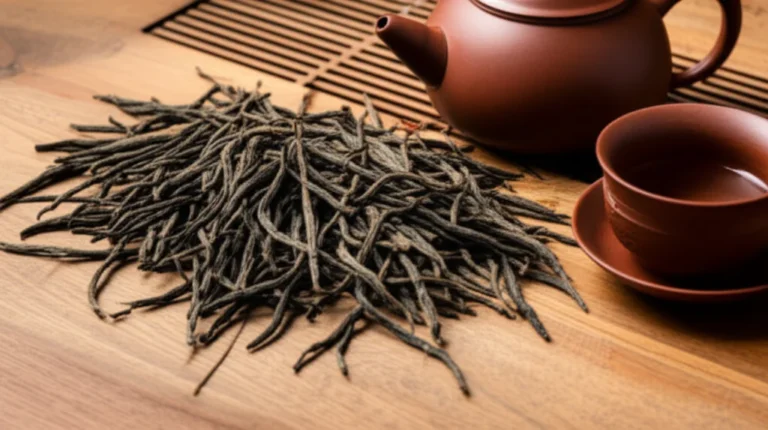
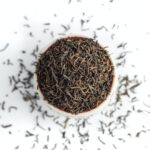
- The Leaf Appearance: Authentic DHP leaves are long, twisted, and dark (almost black/green), not broken into tiny bits.
- The “Wash”: The first rinse should smell like roasted nuts and minerals, not burnt toast or chemicals.
- The Endurance: High-quality Da Hong Pao should last for 8–12 infusions. If the flavor dies after three steeps, it’s low-grade. ✅
👅 Tasting the Terroir: Flavor Profile and “Yan Yun” (Rock Rhyme)
When you sip a high-end Da Hong Pao, you aren’t just tasting tea; you’re tasting the mountain.
- Aroma: Look for notes of cocoa, toasted oats, cinnamon, and dried stone fruits.
- Body: It should feel thick, almost oily, on the tongue.
- The Finish: This is the Yan Yun. It’s a cooling, mineral sensation that lingers in the throat long after you’ve swallowed. It’s often described as “drinking liquid rocks,” but in the best way possible! ⛰️
🍵 Brewing Like a Pro: The Gongfu Cha Method for Oolong
To get your money’s worth, do not—we repeat, do not—throw these leaves in a giant mug and forget about them.
- Use a Gaiwan or Yixing Teapot: These allow the leaves to breathe.
- Water Temp: Near boiling (205°F / 96°C).
- Leaf-to-Water Ratio: High! Use about 5-7g of tea for a 100ml vessel.
- Short Steeps: Start with 10-15 seconds and increase slightly with each round.
- Listen to the Tea: Notice how the flavor evolves from “roasty” to “fruity” over several infusions.
🛍️ Related Products: Beyond the Big Red Robe
If you love the mineral punch of Da Hong Pao, you should also explore these Wuyi cousins:
- Rou Gui (Cinnamon): Known for its spicy, aggressive aroma.
- Shui Xian (Narcissus): Known for its heavy body and floral undertones.
- Tie Luo Han (Iron Arhat): One of the “Four Famous Bushes,” known for a more medicinal, intense profile.
- Tieluohan by Teavivre: A great entry point into the world of Rock Teas. View on Amazon
🏁 Conclusion

So, is the Da Hong Pao tea price justified? In our expert opinion: Yes, but only if you know what you’re buying.
If you’re looking for a daily ritual that connects you to ancient Chinese mountains, a mid-range blend from a reputable vendor is a fantastic investment in your well-being. But if you’re chasing the “dragon” of Zheng Yan, be prepared to pay for the history, the terroir, and the incredible craftsmanship that goes into every leaf.
Remember, the best tea isn’t necessarily the most expensive one—it’s the one that makes you sit still for a moment and say, “Wow.” 🍵✨
🔗 Recommended Links
- Mei Leaf – Da Hong Pao Collection
- White2Tea – Wuyi Rock Tea
- Old Ways Tea – Authentic Wuyi Sourcing
- Verdant Tea – Rock Wulong Guide
❓ FAQ

Q: Can I buy tea from the original mother trees? A: No. They are protected and no longer harvested. Anything claiming to be from them is a scam.
Q: Does Da Hong Pao have caffeine? A: Yes, it is a moderately high-caffeine tea, though the roasting process can make it feel more “grounding” than “jittery.”
Q: How should I store my Da Hong Pao? A: Keep it in a cool, dark, dry place in an airtight container. High-fire roasts are quite stable and can even improve with a year or two of rest.
Q: Why does my tea taste like charcoal? A: You might be drinking a “heavy fire” roast that is too fresh. Let it “rest” for 3–6 months for the charcoal notes to mellow out and the fruitiness to emerge.
📚 Reference Links
- UNESCO World Heritage – Mount Wuyi
- TeaDB – Wuyi Oolong In-Depth Guide
- Global Tea Hut – The History of Yan Cha
⚡️ Quick Tips and Facts
Welcome to the fascinating world of Da Hong Pao tea price — a topic that can make your wallet tremble but your taste buds sing! At Tea Brands™, where we specialize in helping you Sip and Savor the Finest Tea, we’ve steeped ourselves in the lore, science, and economics of this legendary brew. Here’s a quick cheat sheet before we plunge deeper:
- Original Mother Trees Are Priceless and Protected: The six ancient bushes that birthed Da Hong Pao are under strict government protection. No commercial harvesting means the original leaves are basically priceless. ❌
- Terroir Defines the Price: The tea’s flavor and cost depend heavily on where it’s grown. The core “Zheng Yan” cliffs produce the most sought-after leaves, commanding premium prices. ✅
- Blends Dominate the Market: Most Da Hong Pao sold today is a blend of cultivars like Rou Gui and Shui Xian, crafted to mimic the original’s complexity.
- Aging Adds Value: Like fine wine, some Da Hong Pao improves with age, and aged teas can fetch sky-high prices.
- Price Range Is Wide: From affordable blends to ultra-rare, multi-thousand-dollar teas, the spectrum is vast.
- Look for “Yan Yun” (Rock Rhyme): This mineral, lingering throat sensation is the hallmark of authentic, high-quality Da Hong Pao.
Curious why these teas can cost more than gold by weight? Keep reading — the story gets richer!
📜 The Legend of the Big Red Robe: History and Origins of Wuyi Yan Cha

The tale of Da Hong Pao is as steeped in legend as it is in tea leaves. According to folklore, during the Ming Dynasty, an emperor’s mother was gravely ill. After drinking tea brewed from certain bushes on the Wuyi cliffs, she recovered miraculously. In gratitude, the emperor sent red robes to drape over these bushes — hence the name Da Hong Pao (“Big Red Robe”).
The Cultural Significance
- Over 1,500 Years of History: Da Hong Pao is not just a tea but a symbol of Chinese heritage and reverence for nature.
- Imperial Gift: It was once reserved for royalty and dignitaries. In 1972, Mao Zedong famously gifted Da Hong Pao to President Nixon, underscoring its prestige.
- Protected Heritage: The original six mother bushes are now a UNESCO World Heritage site, protected from commercial harvesting. UNESCO Mount Wuyi
What Makes Wuyi Mountains Special?
The Wuyi Mountains’ volcanic soil, misty climate, and unique micro-ecosystem create the perfect terroir for these oolongs. The rocky cliffs impart a mineral complexity that’s impossible to replicate elsewhere.
“It looks fit for a beggar, but it’s priced for an emperor and has the heart of the Buddha,” says Xiao Hui, a local tea maker, capturing the paradox of Da Hong Pao’s humble appearance and royal value. (BBC Travel)
💰 Why is Da Hong Pao So Expensive? The Price of Liquid Gold
Let’s get to the heart of the matter: Why does Da Hong Pao command such astronomical prices?
The Price Puzzle
| Factor | Explanation | Impact on Price |
|---|---|---|
| Scarcity of Original Leaves | Only a handful of mother trees exist, with extremely limited harvests. | 🚀 Very High |
| Labor-Intensive Processing | Hand-picking, sun-withering, bruising, and multiple rounds of charcoal roasting require skilled artisanship. | 🔥 High |
| Terroir and Microclimate | Unique soil and environment can’t be duplicated. | 🌄 High |
| Aging Potential | Like fine wine, aged Da Hong Pao gains complexity and value. | ⏳ Medium-High |
| Cultural and Historical Value | The tea’s story and prestige add intangible worth. | 💎 Medium |
Real-World Examples
- In 2002, 20 grams of original Da Hong Pao sold for approximately $28,000 — that’s over $1,400 per gram, making it more expensive than gold by weight! (BBC Travel)
- Most commercial Da Hong Pao blends, like those from White2Tea, retail at a fraction of that price but still offer a taste of the legendary profile.
The Art of Production
The meticulous process includes:
- Hand-Picking: Only the best leaves are selected.
- Sun Withering: Leaves lose moisture naturally.
- Bruising: Tossed in bamboo baskets to start oxidation.
- Kill-Green: Heated to stop oxidation at the perfect moment.
- Rolling and Shaping: Leaves twisted into signature shapes.
- Multiple Charcoal Roasts: Over several months, imparting smoky, mineral depth.
This laborious process is why Da Hong Pao is often called liquid gold by tea aficionados.
🌳 The Three Tiers of Da Hong Pao: From Mother Trees to Commercial Blends
Understanding the hierarchy of Da Hong Pao is crucial to navigating its price landscape.
| Tier | Description | Price Range | Availability | Authenticity |
|---|---|---|---|---|
| 1. Mother Trees (Zheng Yan) | Original six bushes, centuries old, strictly protected. | Astronomical | Virtually none | Genuine but inaccessible |
| 2. Purebred Clones (Qi Dan & Bei Dou) | Genetic clones of mother trees, grown in limited areas. | Premium | Limited | High authenticity |
| 3. Commercial Blends | Blends of various Wuyi cultivars like Rou Gui, Shui Xian. | Affordable to mid-range | Widely available | Varies by vendor |
Tier 1: Mother Trees
- No commercial harvesting since 2006.
- Tea from these bushes is often auctioned in tiny quantities or gifted as state treasures.
- If you see “Original Mother Tree Da Hong Pao” for sale online, it’s almost certainly a scam.
Tier 2: Purebred Clones
- These bushes are propagated from mother trees.
- Offer a close approximation of the original flavor.
- Vendors like Old Ways Tea specialize in sourcing these rare clones.
Tier 3: Commercial Blends
- Most Da Hong Pao on the market falls here.
- Blends are crafted to mimic the complexity of the original.
- Brands like White2Tea offer balanced, traditional blends that are accessible and delicious.
⛰️ Rock Wulong Tea 2025: The Future of Wuyi Yan Cha
What does the future hold for Da Hong Pao and Wuyi rock teas? At Tea Brands™, we’re watching several exciting trends:
Sustainability and Ethical Sourcing
- Increasing consumer demand for organic, pesticide-free teas.
- Efforts to protect the fragile ecosystems of the Wuyi Mountains.
- Vendors like Verdant Tea emphasize transparency and sustainable farming.
Aging and Collecting
- Just like fine wine or whiskey, aged Da Hong Pao is gaining traction among collectors.
- Proper storage can enhance complexity and value.
- Expect prices for aged teas to climb steadily.
Innovation in Processing
- Some artisans experiment with lighter roast profiles to highlight floral and fruity notes.
- Others maintain traditional heavy charcoal roasting to preserve the classic “rock rhyme.”
Market Outlook
- The limited supply of authentic Da Hong Pao means prices will likely continue to rise.
- New cultivars and blends will emerge to satisfy growing global demand.
- The tea community is becoming more educated, leading to smarter purchasing decisions.
🎨 Greater Than the Sum of Its Parts: The Art of Blending Da Hong Pao
Did you know that most Da Hong Pao teas you find are actually blends? The original bushes produced a unique flavor, but with limited supply, tea masters blend multiple cultivars to recreate that signature profile.
Why Blend?
- Consistency: Nature varies year to year; blending balances flavor.
- Complexity: Combining different cultivars like Rou Gui (spicy cinnamon) and Shui Xian (floral, heavy-bodied) creates a multi-dimensional taste.
- Affordability: Blends allow wider availability without sacrificing quality.
Popular Cultivars in Da Hong Pao Blends
| Cultivar | Flavor Profile | Role in Blend |
|---|---|---|
| Rou Gui | Spicy, cinnamon, robust | Adds warmth and aroma |
| Shui Xian | Floral, heavy, smooth | Provides body and sweetness |
| Qi Dan | Mineral, complex | Adds authenticity |
| Tie Luo Han | Medicinal, intense | Adds depth and longevity |
White2Tea’s Dahongpao Blend: A Case Study
- Heavily features the Meizhan varietal.
- Balanced roast, mineral notes, and fragrance.
- Sold in 25g packets, perfect for exploring premium yancha.
- Currently sold out due to high demand, a testament to its quality.
“Our Dahongpao is a blend that relies heavily on the Meizhan varietal with traditional style processing that incorporates the roast, mineral nature and fragrances of typical yancha in a balanced way.” — White2Tea
👉 CHECK PRICE on:
🔥 From Leaf to Cup: The Intricate Processing of Big Red Robe
The journey from leaf to cup for Da Hong Pao is a labor of love and precision. Each step influences flavor, aroma, and ultimately, price.
Step 1: Harvesting
- Only the youngest, tender leaves are hand-picked.
- Timing is crucial — usually late April to early May for the premium spring harvest.
Step 2: Withering
- Leaves are spread thinly to lose moisture under the sun.
- This softens them and prepares for oxidation.
Step 3: Bruising (Shaking)
- Leaves are gently tossed in bamboo baskets.
- This bruising initiates oxidation, critical for oolong’s partial fermentation.
Step 4: Kill-Green (Fixation)
- Leaves are heated quickly to halt oxidation at the perfect moment.
- This preserves the delicate balance between fresh and fermented flavors.
Step 5: Rolling and Shaping
- Leaves are rolled into tight, twisted shapes resembling dragons.
- This step releases essential oils and shapes the tea’s character.
Step 6: Charcoal Roasting
- The signature step.
- Leaves are roasted over charcoal pits for hours, sometimes multiple times over months.
- This imparts the smoky, mineral, and roasted notes that define Da Hong Pao.
Step 7: Resting
- The tea is rested for weeks to months to allow flavors to meld.
- Some teas are aged for years, developing complexity.
Why This Matters for Price
- The labor-intensive process requires skilled artisans.
- Multiple charcoal roasts increase production time and cost.
- Each batch is small, limiting supply.
📊 9 Factors That Determine the Da Hong Pao Tea Price
Here’s a detailed breakdown of what drives the price tag on Da Hong Pao:
| Factor | Description | Effect on Price | Notes |
|---|---|---|---|
| 1. Terroir (Location) | The specific cliff or pit where leaves grow. | Very High | Zheng Yan cliffs are most prized. |
| 2. Cultivar | Genetic lineage of the tea bush. | High | Purebred Qi Dan costs more than blends. |
| 3. Harvest Season | Spring vs. Autumn picking. | Medium-High | Spring harvest is more flavorful and expensive. |
| 4. Roasting Mastery | Skill and reputation of the roaster. | Medium | Famous roasters command premiums. |
| 5. Roast Level | Number and intensity of charcoal roasts. | Medium | More roasts = more labor and flavor depth. |
| 6. Aging | Time tea is rested or matured. | Variable | Aged tea can be worth multiples of fresh tea. |
| 7. Processing Method | Hand vs. machine processing. | High | Hand-processed tea is more costly but superior. |
| 8. Brand Reputation | Trustworthiness and history of vendor. | Medium | Brands like Verdant Tea and Old Ways Tea are reliable. |
| 9. Packaging | Presentation and storage materials. | Low-Medium | Fancy tins add cost but not flavor. |
🕵️ How to Spot a Fake: Identifying Authentic Wuyi Rock Tea
With Da Hong Pao’s soaring popularity and price, counterfeit teas abound. Here’s how to avoid getting duped:
Price Check
- If you see “Zheng Yan” Da Hong Pao for less than a few hundred dollars per 100g, be suspicious. ❌
Leaf Appearance
- Authentic leaves are long, twisted, dark green to almost black.
- Avoid teas with broken, dusty leaves or bright green color.
Aroma and First Rinse
- The first rinse should smell like roasted nuts, minerals, and subtle sweetness.
- Chemical or burnt odors indicate poor quality or fakes.
Steeping Endurance
- Genuine Da Hong Pao can be steeped 8–12 times with evolving flavors.
- If the tea fades after 3 steeps, it’s likely low-grade.
Vendor Reputation
- Buy from trusted sellers like White2Tea, Verdant Tea, or Old Ways Tea.
- Check for transparency about origin and processing.
👅 Tasting the Terroir: Flavor Profile and “Yan Yun” (Rock Rhyme)
What makes Da Hong Pao so captivating is its unique flavor profile, a direct reflection of its terroir.
Aroma
- Notes of cocoa, toasted oats, cinnamon, and dried stone fruits.
- A subtle smokiness from charcoal roasting.
Body
- Thick, almost oily mouthfeel.
- Balanced sweetness and mineral undertones.
The “Yan Yun” (Rock Rhyme)
- The hallmark lingering sensation in the throat.
- A cooling, mineral aftertaste that “coats” the mouth.
- This is the elusive “rock rhyme” that tea lovers chase.
Personal Anecdote from Tea Brands™
When we first tasted a premium Da Hong Pao blend from Mei Leaf, we were struck by how the mineral notes seemed to transport us to the misty cliffs of Wuyi. It’s not just tea; it’s a sensory journey.
🍵 Brewing Like a Pro: The Gongfu Cha Method for Oolong
To truly appreciate Da Hong Pao, you need to brew it right. The Gongfu Cha method is the gold standard.
Equipment
- Use a Gaiwan or a small Yixing teapot (100-150ml).
- Avoid oversized mugs that drown the leaves.
Water Temperature
- Near boiling: about 205°F (96°C).
Leaf Quantity
- Use 5-7 grams of tea per 100ml of water — a generous dose!
Steeping Times
| Infusion | Time (seconds) | Notes |
|---|---|---|
| 1 | 10-15 | Rinse and awaken leaves |
| 2 | 15-20 | First real brew |
| 3-6 | 20-30 | Flavor develops and evolves |
| 7+ | 30-45 | Later infusions reveal subtle notes |
Tips
- Rinse leaves briefly before brewing to remove dust and “wake” the leaves.
- Increase steep times gradually.
- Observe how flavors shift from roasted and mineral to fruity and floral.
Why Gongfu Cha?
This method extracts the full complexity of Da Hong Pao, allowing you to savor multiple layers of aroma and taste over many infusions.
🛍️ Related Products: Beyond the Big Red Robe
If you’re enchanted by Da Hong Pao’s mineral depth and complexity, you’ll want to explore these related Wuyi rock teas:
| Tea | Flavor Profile | Why Try? | Where to Buy |
|---|---|---|---|
| Rou Gui (Cinnamon) | Spicy, warm, cinnamon notes | Adds a fiery kick | Amazon Rou Gui Search |
| Shui Xian (Narcissus) | Floral, heavy-bodied, smooth | Classic Wuyi staple | Verdant Tea Shui Xian |
| Tie Luo Han (Iron Arhat) | Medicinal, intense, earthy | For lovers of bold teas | Teavivre Tie Luo Han |
| Meizhan | Balanced, floral, mineral | Featured in White2Tea blends | White2Tea Meizhan |
Why Explore?
- Each cultivar offers a unique expression of the Wuyi terroir.
- Expands your palate beyond the Big Red Robe.
- Often more affordable while still delivering complexity.
Featured Video Perspective
If you’re wondering why Da Hong Pao commands such a lofty price, check out the first YouTube video embedded above. It beautifully explains the meticulous, labor-intensive production process and the scarcity of ancient mother trees that make this tea so rare and valuable. The video’s phrase, “Creating Da-Hong Pao is no simple task. It involves a meticulous and labor-intensive process,” perfectly captures the essence of why this tea is considered the world’s most expensive.
We’ve journeyed from legend to leaf, from price tags to palate. But what’s the best way to ensure you’re getting authentic Da Hong Pao without breaking the bank? That’s coming up next in our Conclusion. Stay steeped in curiosity!
🏁 Conclusion

After steeping ourselves in the rich history, intricate craftsmanship, and complex flavor profiles of Da Hong Pao tea, one thing is crystal clear: this is no ordinary tea. Whether you’re enchanted by the legendary mother trees or intrigued by expertly blended commercial offerings, Da Hong Pao represents a pinnacle of tea artistry and terroir expression.
Positives of Da Hong Pao
- Unmatched Flavor Complexity: From mineral-rich “rock rhyme” to smoky, roasted notes, it’s a sensory journey.
- Cultural and Historical Significance: Drinking Da Hong Pao connects you to centuries of Chinese tea heritage.
- Aging Potential: Like fine wine, it improves with time, rewarding collectors and enthusiasts.
- Versatility in Price and Style: You can enjoy approachable blends from brands like White2Tea or splurge on rare purebred clones.
Negatives to Consider
- High Price for Originals: Genuine mother tree Da Hong Pao is prohibitively expensive and nearly impossible to buy.
- Counterfeits Abound: The market is flooded with fakes; buyer vigilance is essential.
- Complex Brewing Required: To unlock its full potential, Gongfu Cha brewing is recommended, which may intimidate casual drinkers.
Our Confident Recommendation
If you’re new to Da Hong Pao or want a reliable daily sipper, start with White2Tea’s Dahongpao blend or similar mid-range offerings from Verdant Tea or Old Ways Tea. These blends capture the essence of Wuyi rock teas without draining your wallet.
For collectors and connoisseurs, investing in purebred clones or aged Da Hong Pao from trusted vendors is a rewarding experience, both in flavor and cultural connection.
Remember, the best tea is the one that makes you pause, savor, and say, “Wow.” Da Hong Pao, in its many forms, is sure to deliver that moment.
🔗 Recommended Links
Ready to explore Da Hong Pao and related teas? Here are some trusted sources and products to get you started:
-
White2Tea Dahongpao Blend:
Amazon Search for Da Hong Pao Tea | White2Tea Official Website -
Verdant Tea Wuyi Rock Teas:
Verdant Tea Wuyi Collection -
Old Ways Tea Authentic Wuyi Yancha:
Old Ways Tea Official Site -
Teavivre Tie Luo Han Oolong:
Teavivre Tie Luo Han -
Books on Chinese Tea and Da Hong Pao:
- The Story of Tea: A Cultural History and Drinking Guide by Mary Lou Heiss & Robert J. Heiss — Amazon Link
- The Tea Enthusiast’s Handbook by Mary Lou Heiss — Amazon Link
❓ FAQ

What factors influence the price of Da Hong Pao tea?
Several key factors drive the price:
- Terroir: Leaves from the original Zheng Yan cliffs command the highest prices due to their rarity and unique mineral-rich soil.
- Cultivar: Purebred clones of mother trees are more expensive than blended commercial varieties.
- Harvest Season: Spring harvests are prized for superior flavor.
- Processing: Hand-picking, multiple charcoal roasts, and aging increase labor and cost.
- Brand Reputation: Trusted vendors charge premiums for quality assurance.
- Scarcity: Limited supply of authentic leaves inflates prices dramatically.
How does the quality of Da Hong Pao tea affect its cost?
Quality directly correlates with cost:
- Authentic, hand-processed teas with complex “rock rhyme” and multiple infusions are priced higher.
- Blended or machine-processed teas are more affordable but may lack depth.
- Aged Da Hong Pao can command prices many times higher due to rarity and flavor development.
- Fake or low-grade teas are cheaper but fail to deliver the signature taste and experience.
Where can I buy authentic Da Hong Pao tea at a reasonable price?
- Reputable vendors like White2Tea, Verdant Tea, and Old Ways Tea offer quality blends that capture Da Hong Pao’s essence without the exorbitant cost of mother tree leaves.
- Avoid suspiciously cheap “Zheng Yan” teas on unverified marketplaces.
- Look for transparency about origin, processing, and cultivar.
Is expensive Da Hong Pao tea worth the investment for tea enthusiasts?
- Yes, if you value history, craftsmanship, and terroir expression. The experience of drinking authentic Da Hong Pao is incomparable.
- For casual drinkers, mid-range blends provide excellent value.
- For collectors, aged or purebred Da Hong Pao can appreciate in value and offer a unique sensory journey.
- Brewing skill and patience enhance the experience, making it a rewarding investment.
How should I store Da Hong Pao tea to preserve its quality?
- Store in a cool, dry, airtight container away from light and strong odors.
- High-fire roasted Da Hong Pao is relatively stable but benefits from resting for several months.
- Avoid refrigeration or freezing, which can introduce moisture.
Can Da Hong Pao tea be aged like wine?
- Yes! Properly processed and stored Da Hong Pao can age gracefully for years.
- Aging mellows charcoal notes and enhances floral and mineral complexity.
- Some collectors prize aged Da Hong Pao as highly as vintage wines.
📚 Reference Links
- UNESCO World Heritage – Mount Wuyi
- BBC Travel: The Pot of Tea That Costs $10,000
- Seven Cups: Da Hong Pao Rock Wulong Tea
- White2Tea Dahongpao Product Page
- Verdant Tea Wuyi Rock Tea Guide
- Old Ways Tea – Authentic Wuyi Yancha
- Teavivre Tie Luo Han Oolong
For more expert insights on premium teas, visit our Tea Brand Spotlights and Tea Brand Guides sections.