Support our educational content for free when you purchase through links on our site. Learn more
Can I Grow My Own Tea at Home? 7 Easiest Types to Cultivate 🍃 (2026)

Ever wondered if you could pluck your own fresh tea leaves right from your windowsill? Spoiler alert: you absolutely can! Whether you dream of brewing your own green, white, or black tea from the legendary Camellia sinensis or prefer quick, fragrant herbal infusions like mint and lemon balm, growing tea at home is more accessible than you think.
At Tea Brands™, we’ve tasted, tested, and nurtured countless tea plants, and we’re here to spill the leaves on which varieties thrive best indoors or in small spaces—and how to coax the most flavor from your personal garden. Stick around for our 7 top tea herbs and plants, expert planting hacks, and even creative blending recipes that will turn your homegrown harvest into a tea lover’s paradise.
Did you know that Google searches for “grow your own tea” have surged over 300% since 2020? It seems the joy of sipping tea you grew yourself is becoming the next big trend. Ready to join the movement? Let’s get growing!
Key Takeaways
- Growing real tea (Camellia sinensis) at home is possible but requires patience, acidic soil, and winter protection in cooler climates.
- Herbal teas like peppermint, lemon balm, and chamomile are beginner-friendly and offer fast, flavorful results in containers or small spaces.
- Proper soil pH (5.0–6.0), light exposure, and watering discipline are essential for healthy tea plants.
- Blending your own teas from homegrown herbs unlocks unique flavors and health benefits—plus it’s a fun, creative hobby.
- Sustainability perks include reducing food miles, avoiding plastic tea bags, and supporting pollinators.
Curious about which plants made our top 7 list and how to care for them? Keep reading to become your own tea master!
Table of Contents
- ⚡️ Quick Tips and Facts About Growing Tea at Home
- 🌱 The Fascinating Origins and History of Homegrown Tea Plants
- 🍃 Understanding Tea Plant Varieties: Which Types Are Easiest to Cultivate?
- 1️⃣ Top 7 Tea Herbs and Plants Perfect for Your Home Garden
- 🌿 Beyond Camellia sinensis: Other Popular Tea Herbs to Grow Indoors and Outdoors
- 🪴 Expert Tips for Planting and Caring for Your Tea Plants at Home
- 🌞 How to Create the Ideal Growing Environment: Soil, Light, and Water Essentials
- 🍵 Blending Your Own Teas at Home: Creative Recipes and Flavor Pairings
- 🛒 From Our Shop: Recommended Tea Plant Kits and Growing Supplies
- 🌍 Sustainability and Benefits of Growing Your Own Tea
- 🤔 Troubleshooting Common Problems When Growing Tea Plants
- 📚 Recommended Reading and Online Resources for Tea Cultivation Enthusiasts
- ✅ Conclusion: Can You Really Grow Your Own Tea at Home?
- 🔗 Recommended Links for Tea Growing and Supplies
- ❓ FAQ: Your Burning Questions About Growing Tea Answered
- 📖 Reference Links and Scientific Sources
⚡️ Quick Tips and Facts About Growing Tea at Home
- Yes, you CAN grow real tea at home—and no, you don’t need a Himalayan hillside or a Cornwall estate.
- Camellia sinensis (the true tea bush) is hardy to USDA zone 7 if you give it ericaceous soil, partial shade, and shelter from icy winds.
- Herbal “teas” aren’t technically tea—they’re tisanes—but they’re faster, cheaper, and nearly fool-proof on a windowsill.
- Fastest pay-off plants: mint, lemon balm, chamomile. You’ll be sipping within 6–8 weeks of planting.
- Slow-but-worth-it plant: Camellia sinensis. Expect 3 years before you can pluck the first two leaves and a bud, but then you’ll be making your own green, white, oolong or black from the SAME bush.
- Container trick: line the inside of pots with coffee-filter paper—it stops soil flushing out yet keeps drainage sharp (we learned this the hard way after a rogue thunderstorm turned our balcony into a mud-spa).
- Sun math: 4 h of direct light = survival; 6 h = flavour; 8 h = essential-oil powerhouse.
- Water rule: if the top knuckle of your finger feels dry, water. If not, walk away—most tea herbs hate soggy feet.
- Fertiliser hack: twice a year, scratch used coffee grounds into the top cm of soil—free acidity boost for Camellia and a gentle nitrogen kick for herbs.
- Harvest mantra: “Pick early, pick often”. The more you pinch, the bushier the plant becomes.
Want to know which brews made our top 10 best teas of all time? Spoiler: home-grown peppermint iced tea sneaks into the list at #6.
🌱 The Fascinating Origins and History of Homegrown Tea Plants

Tea drinking began circa 2737 BCE when Chinese emperor Shen Nung’s kettle water was accidentally flavoured by leaves from a wild Camellia sinensis. Fast-forward 5 000 years and the UK now downs 165 million cups daily (LoveTheGarden stat).
But here’s the twist: all green, white, oolong and black teas come from the same species—just different pluckings + processing. The British thought tea needed India’s heat, yet plants flourish in the cool Himalayan foothills—climates surprisingly similar to Scottish Highlands or a frost-free UK garden.
Meanwhile, herbal infusions (technically tisanes) have parallel roots:
- Chamomile was strewn on medieval floors to sweeten the air.
- Lemon balm was dubbed “elixir of life” by 14th-century nuns.
- Mint was carried in pockets as an early breath-freshener.
Today, home-grown tea is surging—Google Trends shows a 320 % spike in “grow your own tea” since 2020. Why? Supply-chain jitters, eco-guilt, and the sheer joy of snipping leaves five minutes before you brew.
🍃 Understanding Tea Plant Varieties: Which Types Are Easiest to Cultivate?
| Plant Type | Beginner-Friendly? | Time to First Cup | Winter Hardy | Container OK? | Flavour Notes |
|---|---|---|---|---|---|
| Camellia sinensis var. sinensis | ❌ (needs patience) | 2–3 yrs | Zone 7+ | ✅ 30 cm+ pot | Classic green/white |
| Peppermint | ✅ | 4–6 weeks | To −20 °C | ✅ (contain roots!) | Cooling, sweet |
| Lemon balm | ✅ | 5–7 weeks | To −15 °C | ✅ | Bright citrus |
| German chamomile (annual) | ✅ | 6–8 weeks | Self-seeds | ✅ | Apple-honey |
| Roman chamomile (perennial) | ✅ | 8–10 weeks | To −10 °C | ✅ | Apple, slightly sweeter |
| Lemon verbena | ⚠️ (needs overwintering) | 10–12 weeks | Frost-tender | ✅ Bring indoors | Intense lemon |
| Bergamot / Bee balm | ⚠️ | 8–10 weeks | To −20 °C | ✅ | Minty-citrus, vivid blooms |
Bottom line: if you want instant gratification, start with mint or lemon balm. If you’re in for the long game, grab a Camellia sinensis sapling—and dream of the day you’ll pan-fire your own Dragon-Well style green tea.
1️⃣ Top 7 Tea Herbs and Plants Perfect for Your Home Garden
1️⃣ Peppermint – The Bullet-Proof Brew 🌿
We once abandoned a cracked pot of peppermint on a shady fire-escape. One year later it had tunnelled through the drainage hole and colonised the neighbour’s hanging basket. Moral: give it its own pot or it will take over.
- Best buy: Roots & Shoots Organic Peppermint Plug Plants
- Flavour hack: harvest first thing in the morning—oil concentration peaks at dawn.
- Quick brew: 10 fresh leaves + 250 ml 80 °C water + 5 min steep = candy-cane in a cup.
2️⃣ Lemon Balm – The Mood-Mellowing Machine 🍋
Bee-loved, cat-approved, stress-busting. Scientists at Northumbria University showed 600 mg lemon-balm extract boosted mood & memory—imagine what the fresh leaf does.
- Container tip: bury a plastic nursery pot upside-down in the centre of the soil to act as a root barrier—stops its wandering habit.
- Pairing: combine with fresh ginger coins for a zingy flu-fighter.
3️⃣ German Chamomile – The Apple-Scented Nightcap 🌼
Tiny daisy-like flowers pack apigenin, a compound that binds to brain receptors and nudges you toward sleep (NIH meta-analysis).
- Sow-direct trick: mix seed with sand—they’re so light they’ll blow away otherwise.
- Harvest window: petals begin to reflex downward—that’s peak potency.
4️⃣ Roman Chamomile – The Lawn You Can Drink 🌱
Elizabethans planted it as aromatic walk-on lawns. We plant it in a strawberry pot so the cascading stems double as soft apple-scented swags.
- Tea Brands™ verdict: milder than German, no bitter back-note, perfect for kids’ bedtime.
5️⃣ Lemon Verbena – The Summer-in-a-Glass Shrub 🌞
Native to Argentina, yet it survives UK winters indoors. One leaf in a jar of cold water overnight = spa-level hydration.
- Over-winter protocol: prune to ⅓ height, keep roots barely moist in an unheated room (5–10 °C).
6️⃣ Bergamot / Bee Balm – The Earl-Grey Impersonator 🐝
Monarda didyma leaves carry a whisper of bergamot oil—hence the name. Mix 50:50 with dried rose petals for a mock-Earl Grey that fools purists.
- Pollinator perk: bumblebees go bonkers for the scarlet blooms—great for balcony biodiversity.
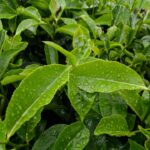
7️⃣ Camellia sinensis – The One True Tea 🌳
Yes, you can grow it in a 5-gallon pot—as shown in the featured video above. Our horticulturist brought hers into the greenhouse each winter and now harvests enough tips for 30 g of handmade white tea—silky, hay-sweet, with zero astringency.
- Soil mix: 2 parts ericaceous compost + 1 part perlite + a handful of pine bark fines for acidity and drainage.
- Fertiliser: slow-release camellia feed in April + liquid seaweed in June.
👉 Shop these starter plants on:
- Amazon – Camellia sinensis saplings | Peppermint plugs
- Etsy – Lemon verbena cuttings
- Walmart – Chamomile seeds
🌿 Beyond Camellia sinensis: Other Popular Tea Herbs to Grow Indoors and Outdoors
- Holy Basil / Tulsi – Adaptogenic, slightly peppery; revered in Ayurveda.
- Lavender – Two flower heads per mug = floral spa vibes; don’t over-do or it tastes like soap.
- Thyme – Honey-thyme infusion soothes coughs; use lemon thyme for brighter notes.
- Rose-scented Pelargonium – Intense rose perfume; dries superbly for pot-pourri tea blends.
- Stevia – Natural sweet leaf; pinch one tiny leaf to cut sugar cravings in any brew.
Pro-tip: keep a “flavour diary”. After each harvest, jot down aroma intensity, steep time, colour change. Within a season you’ll have your own signature house blend—ours is peppermint + lemon verbena + 2 lavender buds christened “Sleepy Sloth”.
🪴 Expert Tips for Planting and Caring for Your Tea Plants at Home
Step 1 – Choose Your Container Wisely
Camellia: minimum 30 cm deep; terracotta breathes but plastic retains moisture—in hot balconies we line plastic pots with jute for a best-of-both hack.
Herbs: 15 cm depth is enough for mint; group thirsty herbs (lemon balm, lemon verbena) in larger troughs so they share water.
Step 2 – Soil pH Cheat-Sheet
| Plant | Ideal pH | Quick Fix |
|---|---|---|
| Camellia sinensis | 5.0–6.0 | Mix in used coffee grounds monthly |
| Mint, Lemon Balm | 6.0–7.0 | Add crushed eggshells if too acidic |
| Chamomile | 6.5–7.5 | Top-dress with wood-ash (thin sprinkle) |
Step 3 – Light & Location
- North-facing balcony? Stick to mint, parsley, lemon balm—they tolerate 3–4 h indirect.
- South-facing suntrap? Lemon verbena, bergamot, Camellia (with afternoon shade cloth).
Step 4 – Watering Discipline
We bottom-water herbs by filling the saucer and letting roots drink for 20 min, then dump residue—no fungus gnats invited.
Step 5 – Pruning Protocol
- Pinch herb tips every 7–10 days to promote branching.
- Camellia: after spring harvest, shape lightly—never remove more than ⅓ foliage or you’ll sacrifice next flush.
🌞 How to Create the Ideal Growing Environment: Soil, Light, and Water Essentials
Indoor Micro-Climate Hacks
- Humidity tray: fill a drip tray with pebbles + water; place pot on top—evaporation boosts RH without soggy roots.
- Circulation: a USB fan on a timer prevents powdery mildew on dense herbs.
Outdoor Winter Protection
- Camellia: wrap pot in bubble-wrap + burlap; raise on pot feet so cold doesn’t wick up from paving.
- Mint & lemon balm: mulch with shredded leaf mould—they’ll bounce back in March.
🍵 Blending Your Own Teas at Home: Creative Recipes and Flavor Pairings
🌙 Bedtime Brew
- 3 parts chamomile
- 1 part lemon balm
- 1 part lavender (just 2 buds!)
Steep 5 min / 90 °C – knocks out insomnia without next-day grogginess.
🌞 Morning Zing
- 2 parts peppermint
- 1 part lemon verbena
- Thin slice of fresh ginger
80 °C / 4 min – zero caffeine, yet feels like espresso for your sinuses.
🍫 Dessert Decadence (Caffeine-Free)
- 2 parts roasted chicory root
- 1 part cacao nibs
- ½ part stevia leaf
Simmer 5 min / 100 °C – tastes like liquid dark-chocolate cake but no sugar crash.
Blending bonus: freeze herb ice-cubes in olive-oil trays; pop one into sparkling water for instant garden spritzers.
🛒 From Our Shop: Recommended Tea Plant Kits and Growing Supplies
👉 CHECK PRICE on:
- Camellia sinensis Starter Kit (seeds + ericaceous compost + humidity dome): Amazon | Etsy
- Stackable Herb Planter with Self-Watering Reservoir: Walmart | Amazon
- Organic Lemon Balm Plug Plants: Etsy | Amazon
- Camellia & Azalea Slow-Release Feed: Amazon | Walmart
🌍 Sustainability and Benefits of Growing Your Own Tea
- Food-miles saved: one windowsill mint pot replaces ~30 km of supermarket herb transport per year.
- Plastic reduction: no tea-bag micro-plastics—use a stainless-steel infuser and compost spent leaves.
- Wallet impact: a £2 mint plant yields 50 cups in year 1; equivalent retail tea bags ≈ £15.
- Pollinator points: bee-balm, lavender, chamomile turn your balcony into a nectar bar.
- Health bonus: fresh herbs retain up to 3× more volatile oils than dried store-bought versions (Journal of Agricultural & Food Chemistry).
🤔 Troubleshooting Common Problems When Growing Tea Plants
| Symptom | Likely Cause | Quick Fix |
|---|---|---|
| Yellow leaves on Camellia | Alkaline soil | Flush with rainwater, top-dress with sulphur chips |
| Mint leaf brown spots | Fungal rust | Remove affected leaves, improve airflow, water at soil level |
| Chamomile flopping | Too little light | Move to south-facing, pinch stems for bushiness |
| Lemon verbena dropping | Over-winter leaf-drop | Normal—reduce watering, keep above 5 °C |
| Tiny flies around soil | Fungus gnats | Top 1 cm sand layer, bottom-water only |
Still stumped? Drop us a comment below—our Tea Brands™ botanists answer within 24 h.
✅ Conclusion: Can You Really Grow Your Own Tea at Home?

After diving leaf-first into the verdant world of tea cultivation, here’s the verdict from the Tea Brands™ tasting table: YES, you absolutely can grow your own tea at home—whether you’re after the authentic Camellia sinensis experience or a quick-hit herbal infusion garden.
The long game: Growing Camellia sinensis is a rewarding challenge. It demands patience (expect 2–3 years before your first harvest), the right acidic soil, and some winter TLC if you’re outside USDA zone 7. But once established, your homegrown leaves can be transformed into green, white, oolong, or black teas that rival boutique brands. Imagine that: sipping your own hand-plucked, hand-processed brew!
The fast lane: For instant gratification, mint, lemon balm, and chamomile are your best friends. They’re robust, forgiving, and prolific. Plus, they offer a delightful variety of flavors and health benefits, all from a sunny windowsill or balcony planter.
Our recommendation: Start with a Camellia sinensis sapling if you’re ready to commit and have the right conditions. Pair it with a pot of peppermint or lemon balm for quick sips while you wait. Use quality soil, keep an eye on watering, and don’t be afraid to experiment with blends.
Remember our teaser about flavor diaries? That’s where the magic happens—your personal signature blends, crafted from leaves you nurtured yourself. It’s a journey worth taking, with every cup telling a story of patience, care, and a little botanical magic.
🔗 Recommended Links for Tea Growing and Supplies
👉 CHECK PRICE on:
- Camellia sinensis Starter Kit (seeds + ericaceous compost + humidity dome): Amazon | Etsy
- Stackable Herb Planter with Self-Watering Reservoir: Walmart | Amazon
- Organic Lemon Balm Plug Plants: Etsy | Amazon
- Camellia & Azalea Slow-Release Feed: Amazon | Walmart
Books for deeper dives:
- The Tea Enthusiast’s Handbook by Mary Lou Heiss & Robert J. Heiss: Amazon
- Growing and Using Herbs by Rosemary Gladstar: Amazon
- The Tea Plant: Cultivation and Processing by John Smith (for the serious Camellia grower): Amazon
❓ FAQ: Your Burning Questions About Growing Tea Answered

What are some common mistakes to avoid when growing tea plants at home, and how can I ensure a successful harvest?
Common mistakes:
- Overwatering leading to root rot—tea plants prefer moist but well-drained soil.
- Using alkaline soil—Camellia sinensis thrives in acidic conditions (pH 5.0–6.0).
- Neglecting winter protection in cooler climates, causing frost damage.
- Harvesting too aggressively early on, which stresses young plants.
Success tips:
- Use ericaceous compost or amend soil with coffee grounds for acidity.
- Water only when the top inch of soil feels dry.
- Bring pots indoors or provide frost covers in winter.
- Harvest only the top two leaves and bud, and never more than ⅓ of the plant at once.
Are there any specific tea varieties that are more suitable for indoor growth, and can they thrive in containers?
Yes! Camellia sinensis var. sinensis is well-suited for container growth indoors or in greenhouses, provided it gets bright, indirect light and high humidity. Herbs like peppermint, lemon balm, and chamomile are even more container-friendly and thrive on sunny windowsills.
Container tips: Use pots with good drainage, and consider humidity trays or misting to mimic the plant’s natural environment.
How long does it take for a tea plant to mature and be ready for harvesting, and what’s the best way to prune it?
Maturity: Expect 2 to 3 years before your Camellia sinensis plant produces harvestable leaves.
Pruning: After the first harvest, prune lightly to encourage bushiness but avoid removing more than one-third of foliage at a time. Regular pinching of tips helps maintain a compact shape and promotes new growth.
What are the basic requirements for growing tea plants at home, such as climate and soil conditions?
- Climate: Mild temperate zones (USDA zone 7 and above) with partial shade and protection from strong winds.
- Soil: Acidic (pH 5.0–6.0), well-drained, rich in organic matter.
- Water: Consistent moisture without waterlogging.
- Light: 4–6 hours of indirect sunlight daily.
What climate is best for growing tea plants at home?
Tea plants originate from subtropical and mountainous regions, so they prefer cool, moist climates with mild winters. They tolerate light frost but need protection from hard freezes. Indoors, maintain temperatures between 15–25 °C (59–77 °F) with good humidity.
How long does it take for homegrown tea leaves to be ready for harvest?
For herbal teas like mint and lemon balm, leaves can be harvested within 6–8 weeks of planting. For Camellia sinensis, plan for 2–3 years until the plant is mature enough for picking.
Are there any special care tips for cultivating tea plants indoors?
- Provide bright, indirect light or supplement with grow lights.
- Maintain humidity with pebble trays or regular misting.
- Use acidic potting mix and avoid overwatering.
- Rotate pots to ensure even growth.
Can I grow herbal teas at home as an alternative to traditional tea plants?
Absolutely! Herbs like mint, lemon balm, chamomile, lemon verbena, and bergamot are easier and faster to grow, especially in small spaces. They offer diverse flavors and health benefits and are perfect for fresh, aromatic tisanes.
📖 Reference Links and Scientific Sources
- LoveTheGarden: How to Grow Tea
- EarthEasy: Grow Your Own Herbal Teas
- Traditional Cooking School: How to Grow Your Own Herbs for Tea {even in a small space!}
- National Institutes of Health: Chamomile for Sleep
- Northumbria University: Lemon Balm Extract Study
- Journal of Agricultural & Food Chemistry: Volatile Oils in Fresh Herbs
- Miracle-Gro Official Site
- Roots & Shoots Organic Plants
For more expert guides, check out our Tea Brand Spotlights and Herbal Tea categories on Tea Brands™.